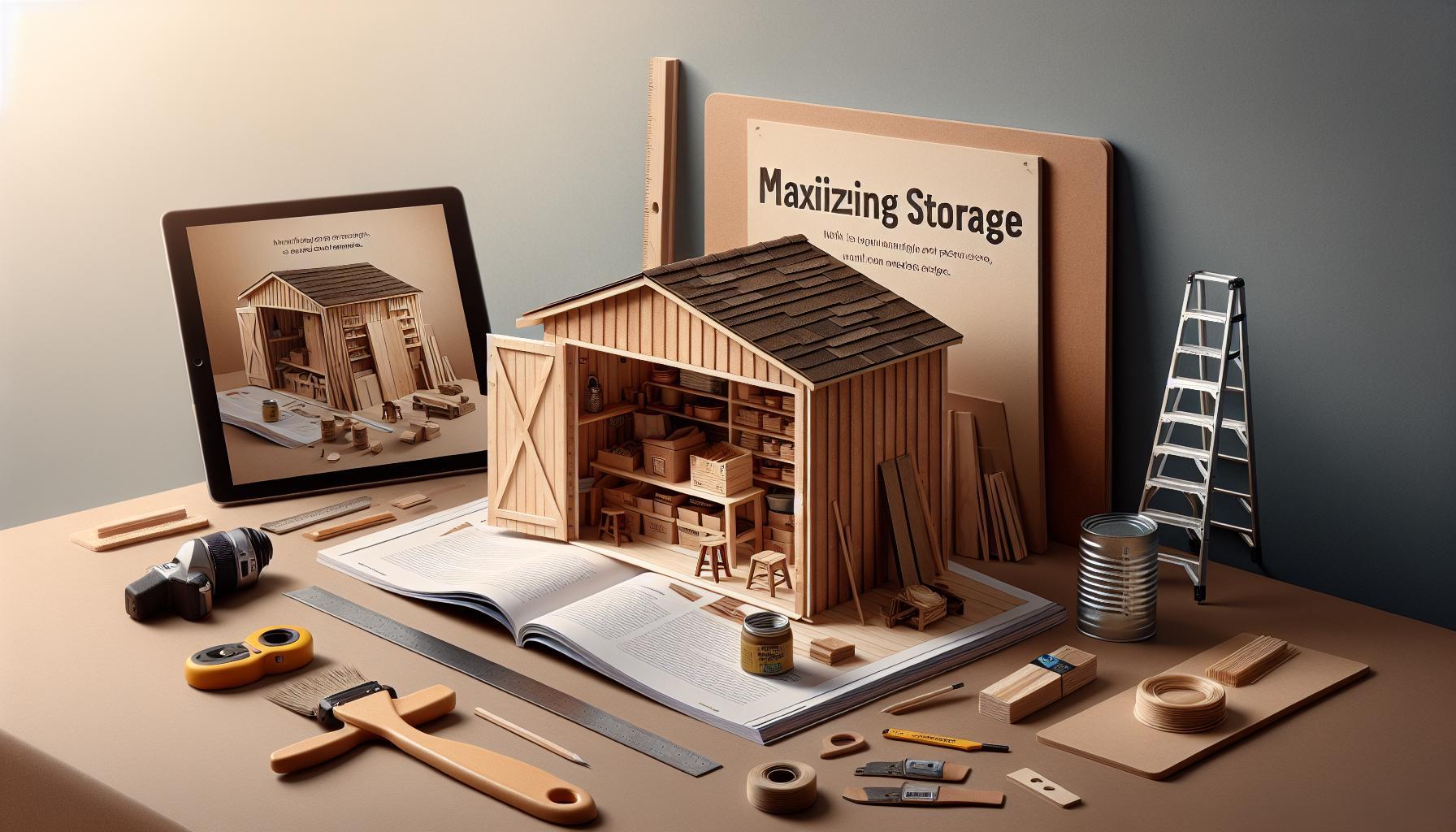

Struggling with clutter and limited space? Building a small shed can be the perfect solution to maximize your storage while enhancing your outdoor aesthetics. This guide will walk you through essential steps and tips to create an efficient and functional space, turning your yard into an organized haven. Discover how to effectively utilize those overlooked corners!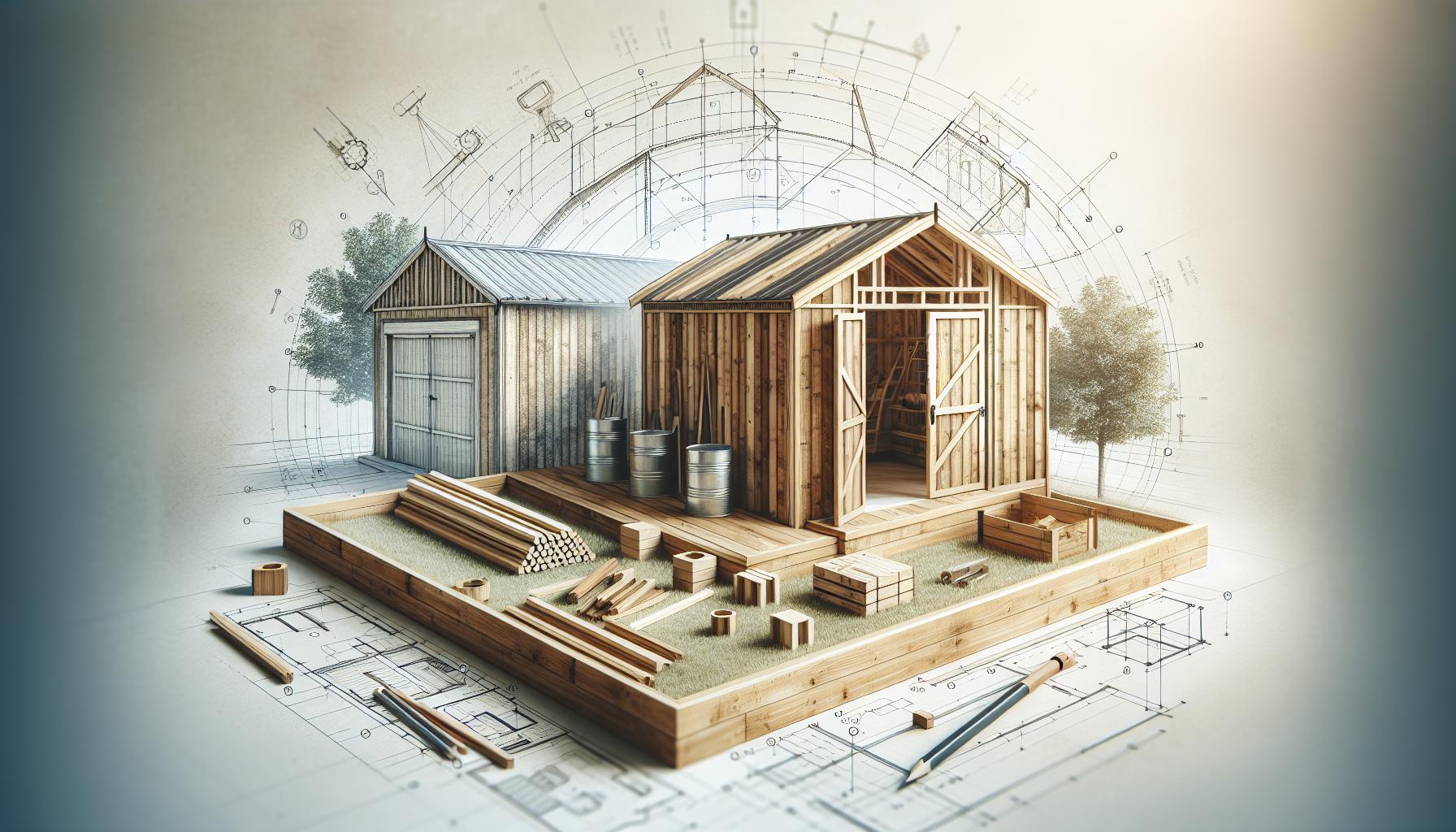
Understanding Your Storage Needs: Planning Your Shed’s Purpose
When it comes to optimizing limited outdoor space, a small shed can transform an otherwise cluttered yard into an organized oasis. Whether you’re a gardening enthusiast with tools to store, a hobbyist needing a workshop, or simply want a designated space for seasonal decor, understanding your specific storage needs will form the foundation for an efficient and functional shed design.
Determining Your Storage Requirements
Before diving into the construction of your shed, take a moment to assess what you intend to store. Here are a few questions to guide you through the planning process:
- What items do you need to store? Create a list of all items you plan to keep in the shed. This could range from gardening tools, bicycles, seasonal decorations, to outdoor equipment.
- How frequently will you access these items? Consider the frequency of use for each item. Will you need to grab seasonal tools regularly, or are some items only retrieved once a year?
- What are the dimensions of your largest items? Knowing the size of your larger items will help you determine the necessary shed dimensions. A significant garden tractor, for instance, will require more space than simple hand tools.
Prioritizing and Organizing Your Needs
once you have a complete list of items, it’s essential to prioritize them based on accessibility and frequency of use. A great way to visualize this is by categorizing your items:
| Category | Examples | Frequency of Use |
|---|---|---|
| Everyday Tools | Hand shears, trowels, gloves | Weekly |
| Seasonal Items | Holiday decorations, summer gear | Seasonal |
| Rarely Used Equipment | Snowblower, ladder | Annually |
By placing frequently used items closer to the entrance, and storing less commonly accessed tools or equipment at the back, you can enhance the functionality of your shed. Additionally, consider incorporating shelves, hooks, or pegboards for organized storage, making it easy to retrieve items when needed.
Taking the time to thoughtfully consider and map out your storage needs not only aids in the construction of the shed itself but also ensures that you maximize storage capabilities in minimal space. Every small detail put into planning will contribute to building a small shed that serves its purpose effectively and efficiently.
Choosing the Right location: Factors to Consider Before You Build
Selecting an optimal site for your new shed can significantly influence not just its functionality but also the ease with which you can access it. An ideal location maximizes convenience and enhances storage efficiency, ensuring that your investment serves its purpose effectively. Before you initiate construction, understanding the surrounding habitat and potential challenges is paramount.
Accessibility and Convenience
The location should offer convenient access to your shed while considering the flow of daily activities. Evaluate proximity to your home and other frequently accessed areas, such as gardens or garages. A few key considerations include:
- Ease of access: Ensure you can easily retrieve items without unnecessary travel.
- Pathways: Consider well-maintained paths that lead to your shed to facilitate movement of larger items.
- Traffic patterns: Analyze the typical flow of foot or vehicle traffic in your yard to determine the best spot.
Environmental Factors
Weather plays a crucial role in the longevity and functionality of your shed.Look for a location that minimizes exposure to harsh elements. Key environmental considerations include:
- Sunlight: Choose a spot that offers partial shade to prevent overheating and fading of stored items.
- Drainage: Ensure the land slopes away from the shed to avoid flooding and moisture accumulation.
- Wind exposure: Position your shed in a way that reduces unnecessary wind resistance, which can affect stability.
Local Regulations and Zoning
Before breaking ground, it’s essential to research any local building codes and zoning laws that may dictate where you can build your shed. many areas have restrictions regarding the size and placement of outbuildings that could affect your plans. Take these steps:
- Contact local authorities: Verify if a permit is required for your shed’s construction.
- Understand zoning regulations: Familiarize yourself with any property line setbacks that must be adhered to.
- Review HOA guidelines: If applicable, ensure your design meets any community standards.
By carefully assessing these factors before you build, you’ll create a functional and harmonious addition to your property, enhancing both usability and aesthetics in alignment with principles from “How to Build a Small Shed: Maximize Storage in Minimal Space.” plan wisely, and your shed can become a valuable asset for years to come.
Essential Tools and Materials: What You’ll Need for Your Shed Project
Building a small shed can be a rewarding endeavor,transforming a compact space into a functional storage area for tools,garden supplies,or seasonal items. However, to turn your vision into reality, you’ll need a well-curated selection of tools and materials.Each item plays a crucial role, ensuring your shed is not only structurally sound but also tailored to your needs.
Key Tools for Construction
Before you start, gather the essential tools that will facilitate your project efficiently. Here’s a useful list to consider:
- Measuring Tape: For precise measurements and layout planning.
- Level: Ensuring even surfaces during construction.
- Hammer and Nails: For assembling the structure and framework.
- Screwdriver Set: Essential for fastening and adjustments.
- Circular Saw: To cut through wood and panels effectively.
- Drill: For creating holes and driving screws.
- safety Gear: Including goggles and gloves to protect yourself during construction.
Materials Needed
When it comes to materials, choosing the right ones will enhance durability and aesthetics. Consider incorporating the following materials into your shed project:
| Material | Description |
|---|---|
| Plywood | Ideal for walls and flooring, providing strength and insulation. |
| Pressure-Treated Lumber | used for skids and framing, resistant to moisture and pests. |
| Roofing Material | Choose between shingles, metal, or corrugated sheets based on design preference and budget. |
| Paint or Stain | To protect the exterior and add a personal touch to your shed. |
| Hardware: | Includes hinges, latches, and handles for doors and ventilation. |
Having these tools and materials at hand will set a solid foundation for your shed project, making the process smoother and more enjoyable. By planning carefully and equipping yourself with the essentials, you’re well on your way to creating a practical space that maximizes storage in even the most minimal areas. With the right approach, your small shed can become a valuable asset for your home and garden.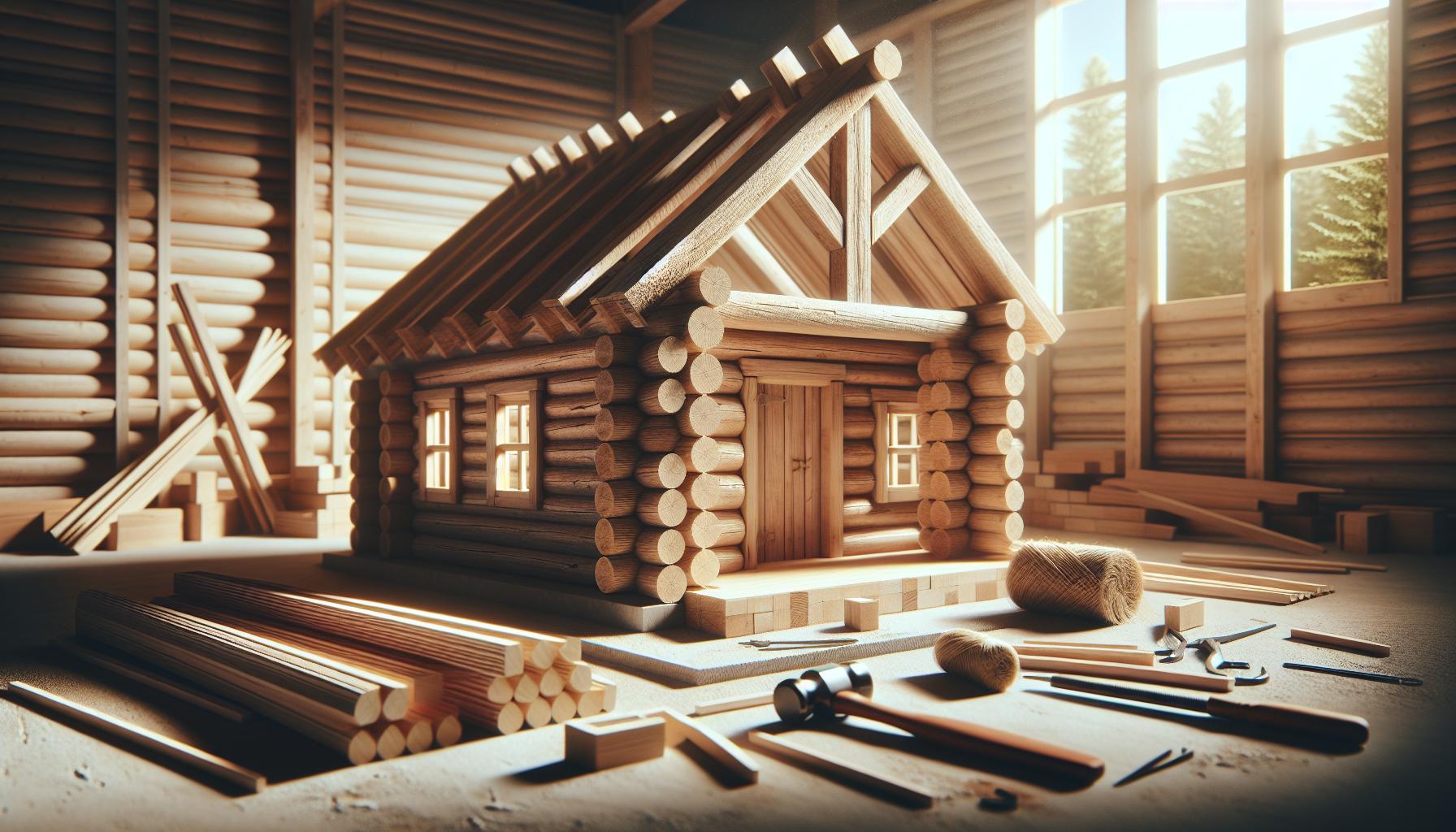
Step-by-Step Guide to Building the Foundation: Laying a Strong Start
To embark on the journey of constructing a small shed that optimizes your storage space without overwhelming your yard, you must start with a solid foundation. A well-built base not only supports the structure but also determines its longevity and stability. Here’s how to effectively lay the groundwork for your future storage haven.
Preparing the Site
Before any physical construction begins, first assess the chosen location for your shed. Look for a section of your yard that is both level and adequately drained.
- Clear the Area: Remove any grass, plants, or debris from a space that is slightly larger than the shed’s footprint.
- Level the Ground: Use a shovel and a rake to create a flat and even surface.You may need to bring in soil or gravel to fill low spots.
- Mark the Corners: Use stakes and string to outline the area where the shed will be built,ensuring that the corners form a perfect rectangle.
Choosing the Right Foundation Type
The type of foundation you choose is crucial and can depend on factors such as local climate and soil type. common options include:
| Foundation Type | Best For | materials Needed |
|---|---|---|
| Ground Level | Florida, California (Dry areas) | Concrete blocks or pressure-treated timber |
| Concrete Slab | Wet or Flood-Prone Areas | Concrete, rebar for reinforcement |
| Skids | Portable Sheds | Heavy-duty wood beams |
Constructing the Foundation
Once you’ve chosen the foundation type, it’s time for the build. If you opt for a concrete slab foundation, following these steps can ensure a robust base:
- Excavate the Area: Dig out to a depth of about 4-6 inches for a concrete slab.
- Set Forms: Construct wooden forms to hold the wet concrete in place and ensure the right dimensions.
- Add Gravel: Fill the excavated area with 2-3 inches of gravel for drainage.
- Pour Concrete: Mix and pour concrete into the forms, leveling it with a screed board for a smooth finish.
- Cure Properly: Allow the concrete to cure for at least a week before proceeding with the construction of the shed.
Alternatively, if you’re using pressure-treated timber skids, place the beams on the ground, ensuring they’re level.
Creating a solid foundation is essential to maximizing your shed’s storage capabilities in minimal space. By ensuring a level and sturdy base, you’ll enhance both the utility and the durability of your small shed, making it a valuable addition to your property.Remember, a little extra effort in this initial phase pays off significantly in the long run!
constructing the Walls and Roof: tips for Durable Design
To achieve a sturdy and reliable structure for your small shed, focusing on the construction of the walls and roof is crucial. Properly designed walls and a well-constructed roof not only enhance the durability of your shed but also ensure that it effectively serves its purpose in maximizing storage in minimal space. A resilient shed stands the test of time, providing a safe haven for tools, garden supplies, and seasonal items.
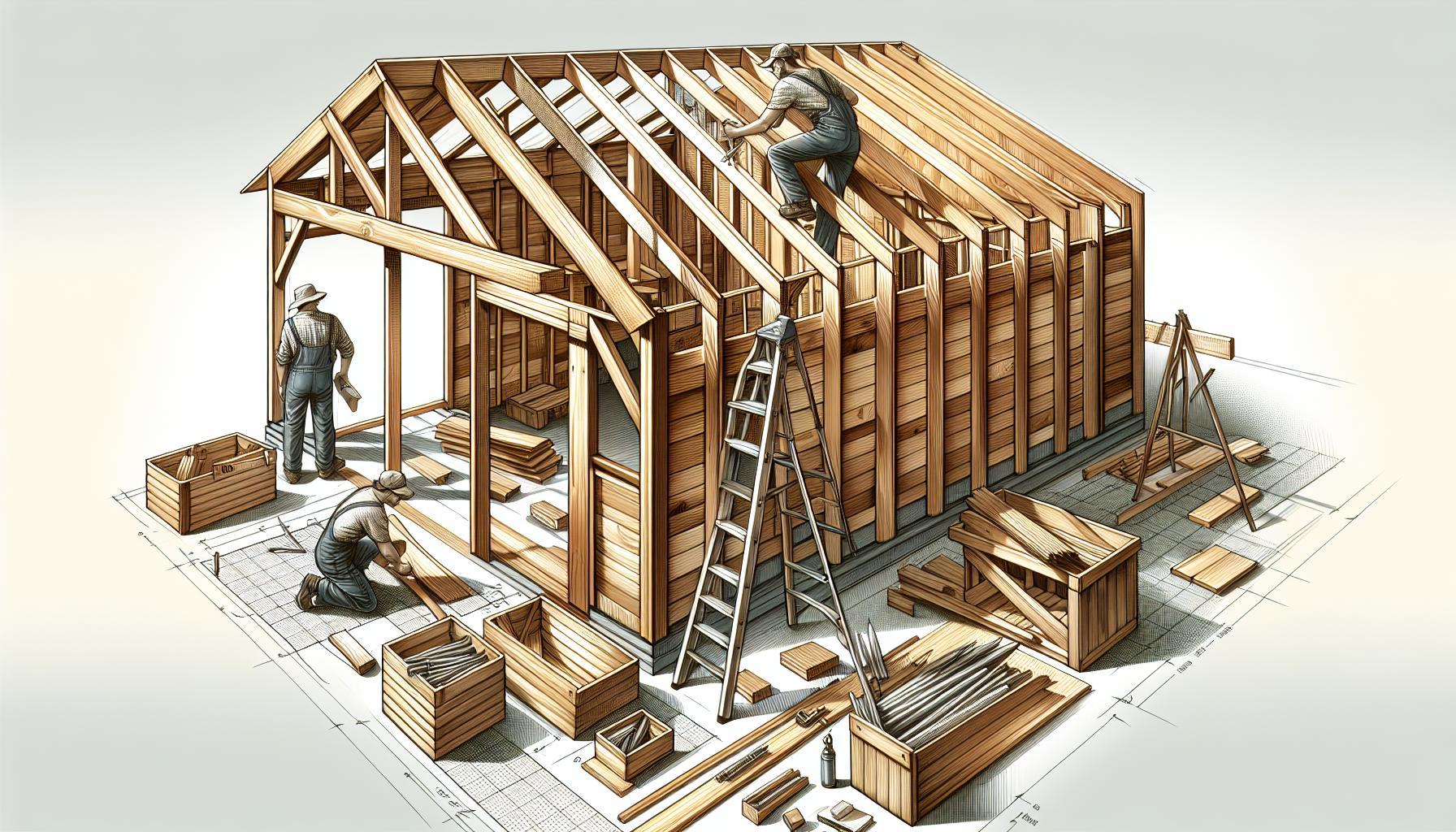
Start with wall construction by selecting high-quality materials. For the framework, choose pressure-treated lumber or engineered wood products that can withstand moisture and environmental stressors. Cut your wall studs to standard heights, typically 8 feet, and ensure proper spacing—usually 16 inches on center—to provide stability and strength. When possible, insulate the walls if your shed will be used year-round to help regulate temperature and reduce energy costs. After framing, adding plywood sheathing will provide additional rigidity and support for the exterior finish.
Roof Considerations
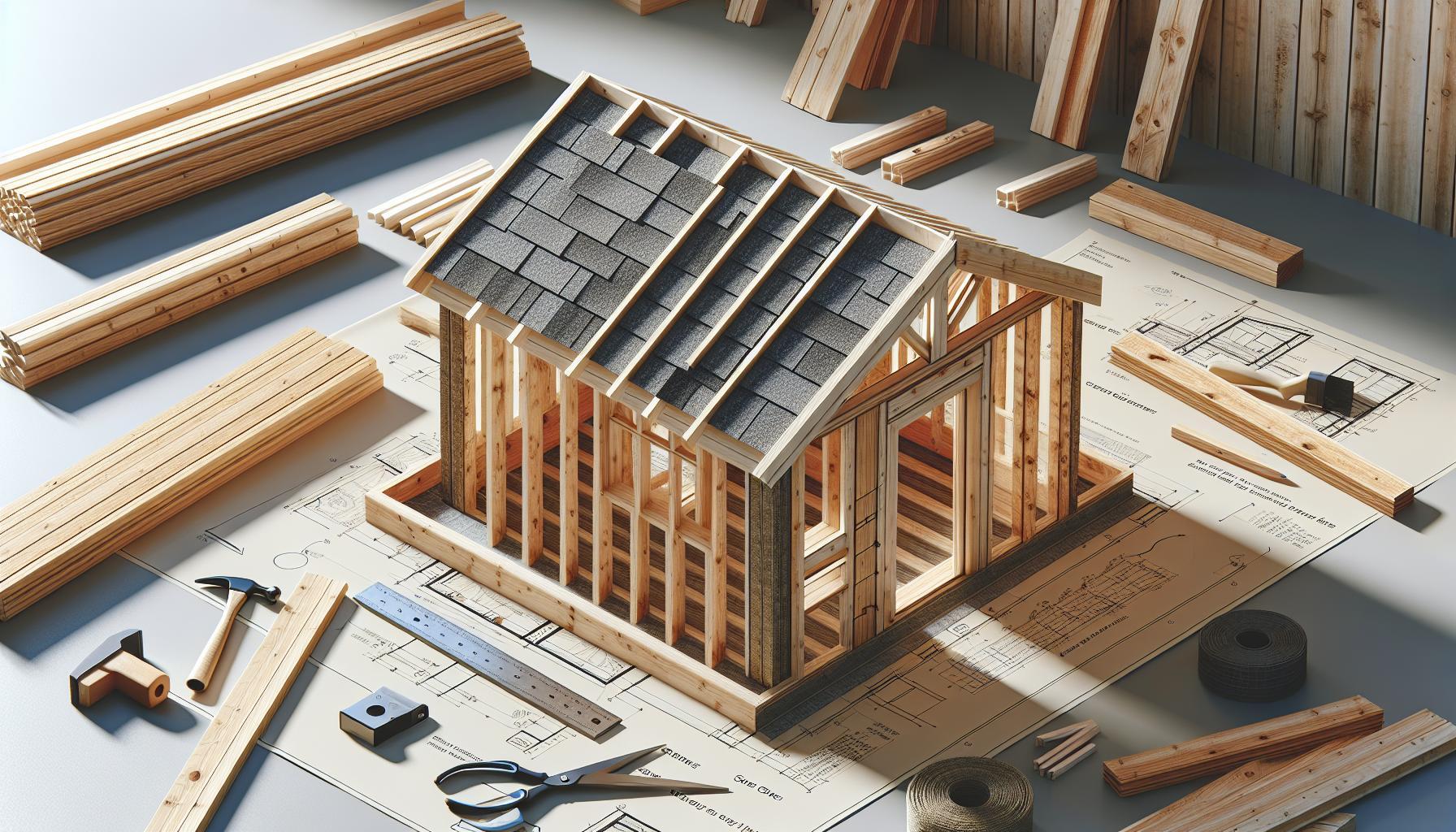
The roof is another critical component that warrants special attention. A well-designed roof not only protects your shed from the elements but also adds aesthetic value. When constructing the roof, consider using a sloped design to facilitate water runoff, which helps prevent leaks and rot. Asphalt shingles or metal roofing are both excellent choices for durability and longevity. Metal roofing, in particular, is effective in shedding snow and can last up to 50 years, making it a worthy investment for anyone looking to maximize their shed’s life span.
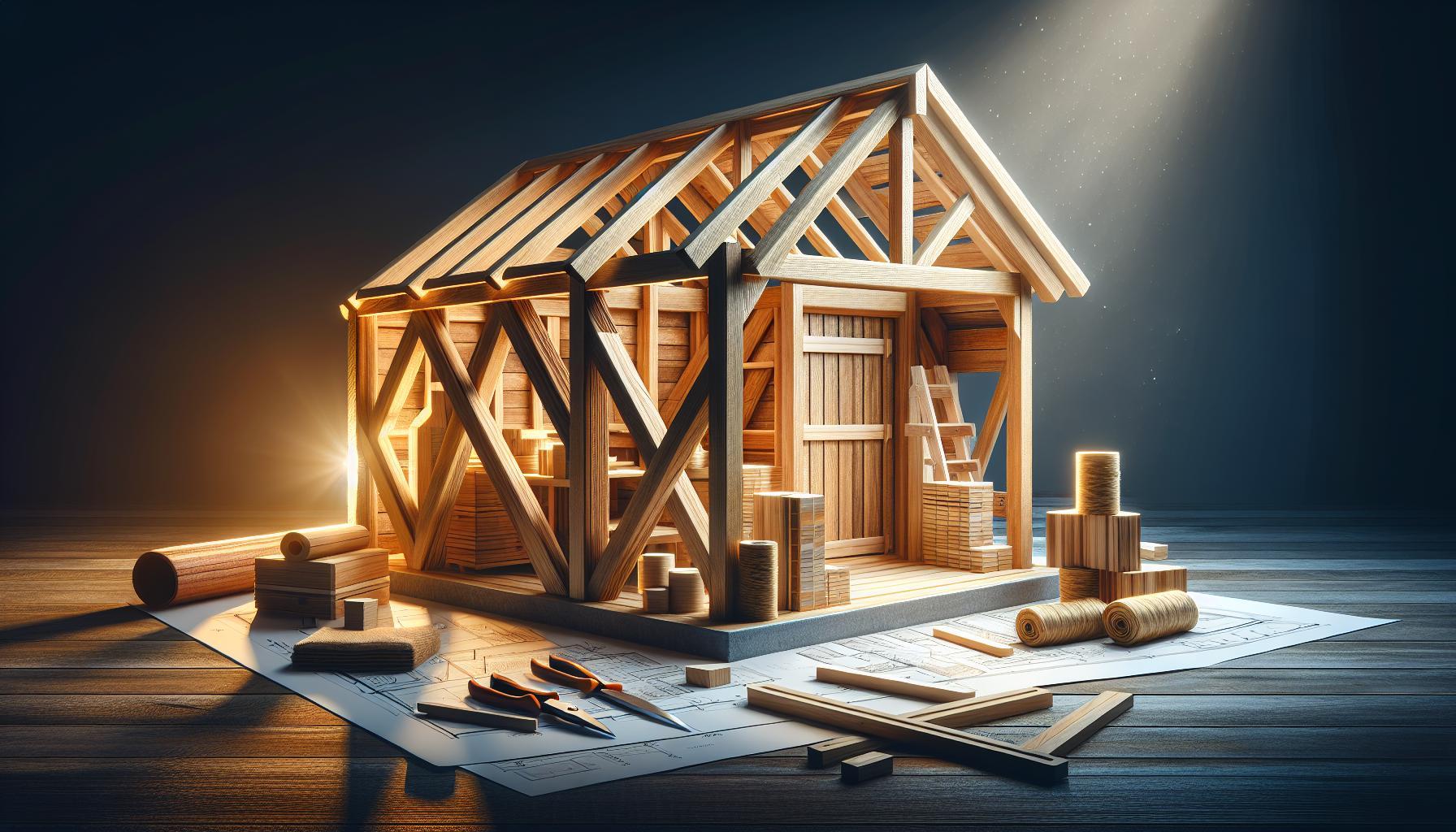
To ensure your roof can withstand harsh weather conditions, incorporate reinforced trusses or rafters into your design.A simple triangular truss can distribute weight evenly and help resist strong winds.Don’t forget to install a sufficient overhang to protect the walls from direct rain and runoff; a good rule of thumb is to extend the roof at least 12 inches beyond the walls.This not only improves the durability of your shed but can also prevent water pooling around the foundation.
prioritizing high-quality materials and thoughtful design in both the walls and roof can greatly enhance the longevity and functionality of your shed. By integrating these construction techniques as part of your strategy on how to build a small shed,you’ll be well on your way to creating a durable space that maximizes storage while maintaining its structural integrity for years to come.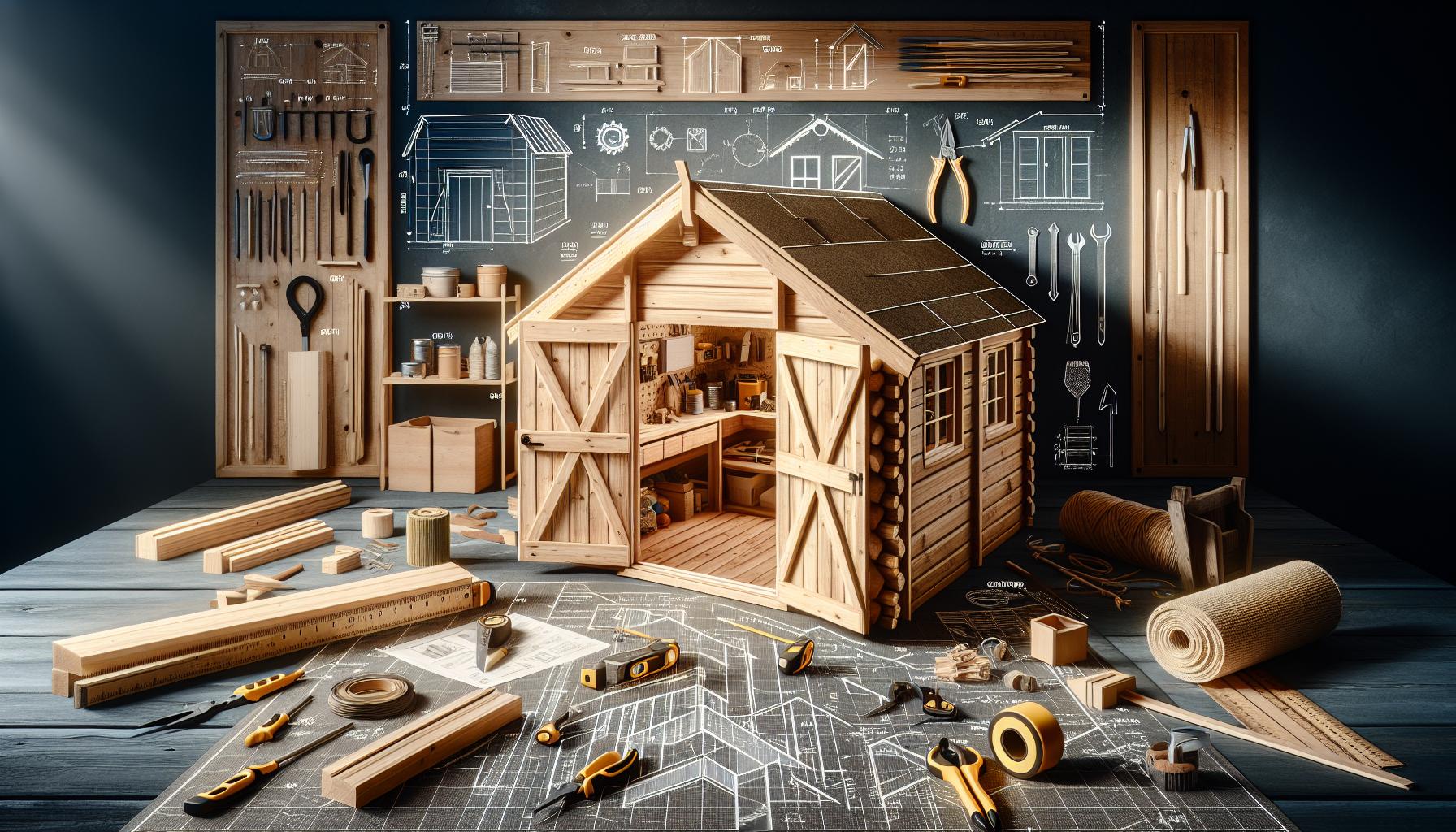
Smart Storage Solutions: Organizing Your Shed for Maximum Efficiency
To make the most of your shed and turn it into an organized haven for tools, gardening supplies, and seasonal items, employing smart storage solutions is essential. A well-arranged shed not only enhances the functionality of your space but also saves time and reduces frustration when you need to locate specific items. When considering how to build a small shed that maximizes storage in minimal space, an effective layout and strategic organization can transform even the tiniest of sheds into a well-oiled machine.
utilize Vertical Space
One of the most effective strategies for shed organization is to take advantage of vertical space.By installing shelves, pegboards, and hooks on the walls, you can create multiple layers of storage without expanding the footprint of your shed. Choose sturdy shelves that can bear the weight of heavy tools and materials.
- Shelves: Opt for adjustable shelves to accommodate various item sizes.
- Pegboards: Hang frequently used tools for easy access.
- Hooks: Use hooks for larger items like rakes, shovels, or ladders.
Categorize Your Items
Organizing the contents of your shed into clear categories can significantly improve efficiency. Separate gardening supplies, toolsets, outdoor furniture accessories, and seasonal decorations into designated zones. Using clear bins or labeled boxes allows you to quickly identify what’s inside without having to rummage through everything. This categorization not only simplifies finding items but also promotes a more orderly shed when it’s time to put things away.
Create a Mobile Workstation
Incorporating a mobile workstation into your shed can further optimize space efficiency.A compact workbench on wheels can be moved around as needed and can serve various functions, such as potting plants, repairing tools, or crafting. Not only does this provide a dedicated area for projects, but it also frees up floor space when the workstation is not in use.
| Storage Solution | Description | Benefits |
|---|---|---|
| wall-mounted shelves | Utilizes upper wall space | Maximizes floor area; provides easy access |
| Pegboard | Hangs tools and accessories | Customizable storage layout; speedy visibility |
| Clear plastic bins | Stores miscellaneous items | Prevents clutter; eases identification |
| Mobile workbench | Portable work area | Increases functionality; versatile use |
Adopting these smart storage techniques can lead you to transform your shed into a functional and neat space that not only meets your storage needs but also enhances the overall aesthetic. As you explore the intricacies of how to build a small shed while maximizing storage in minimal space, remember that organization is key to achieving a streamlined setup that works for you.
personal Touches: Customizing Your Shed to Fit Your Style
Transforming a functional space into a personal sanctuary is an art form in itself, especially when it comes to constructing a shed that reflects your individual style. Building a small shed that not only maximizes storage but also exudes personality can be a rewarding endeavor. By incorporating customization elements, you can create a space that serves your practical needs while showcasing your aesthetic preferences.
Personalized Exterior Designs
The first impression of your shed is made at the door, and customizing its exterior can set the tone for the entire structure.Consider these personalized touches:
- Color Schemes: Choose colors that complement your home or stand out in a fun way. A classic barn-red shed evokes rustic charm, while bright hues can add a playful element.
- Unique Roofing: Variations such as metal, shingles, or tiles can give your shed a distinctive silhouette.A gabled roof, for example, not only provides architectural interest but also allows for additional storage space in the loft.
- Decorative Elements: Incorporate features like vintage hardware, window boxes filled with flowers, or personalized signs that reflect your hobby or profession.
Functional Interior Customizations
Once the exterior catches the eye, it’s time to think about how to organize the interior. A well-planned interior will not only enhance functionality but also bring in your personal style. Here are some ways to achieve this:
- Colorful Storage Solutions: Use painted wooden crates or colorful bins that not only organize tools and supplies but also pop against plain walls.
- Workstations: If you plan to use your shed as a workshop, consider adding a custom workbench tailored to your specific needs. This could mean incorporating built-in storage under the bench or adjustable shelving above it.
- Lighting Features: Don’t overlook the power of good lighting! String lights can create ambiance, while LEAD fixtures can brighten a workspace effectively.
| Customization Aspect | Benefits |
|---|---|
| Colorful Paint job | Enhances exterior visibility and personal expression. |
| Functional Workbench | Maximizes utility and organization in your workspace. |
| Decorative Accessories | Adds character and a unique touch,making the shed feel less utilitarian. |
Incorporating these personal touches is not just about aesthetics; it’s about creating a space that feels uniquely yours. Whether you’re diving into DIY projects or simply enhancing the design,the choices you make can turn a small shed into a reflection of your creativity and practicality. Remember, a shed that captures your style is more than just a storage solution; it’s an extension of your personality.
Troubleshooting common Challenges: Overcoming Obstacles in Shed Construction
Building a small shed can be a rewarding endeavor, but it frequently enough comes with its own set of challenges that can derail your project if not handled correctly. One common issue many face is aligning the structure. Even a small miscalculation in measurements can lead to a shed that is crooked or unstable. to combat this, always double-check your dimensions using a reliable measuring tape, and employ methods like the 3-4-5 triangle rule for squaring corners. This simple technique involves measuring 3 feet along one direction, then 4 feet perpendicular to it, and ensuring the hypotenuse is 5 feet.If done correctly, it guarantees a right angle, ensuring your shed starts on a sturdy foundation.
Another frequent hurdle is managing the weather during construction, which can impact materials and the timeline. Rain or extreme heat can affect the integrity of wood and other materials. To minimize this challenge, check the weather forecast before starting any work and create a flexible schedule that allows for adjustments. Utilizing treated wood can also help mitigate damage from moisture, extending the life of your shed. If you find yourself in unexpected weather, consider temporary coverings or storage solutions for your materials.
Maintaining a clear vision amidst these obstacles is crucial. Having a detailed plan laid out in advance can serve as a roadmap, helping you stay focused and navigate common pitfalls more effectively. Ensure that your plans include ample storage solutions and use vertical space efficiently to maximize the limited area of a small shed. Such as, installing shelves or wall-mounted organizers can help keep tools and supplies tidy and accessible.
when facing any construction-related roadblock, remembering that readiness and adaptability are your allies will keep you on track. Embracing these strategies will not only help you overcome obstacles but will also enhance your experience, making the project of how to build a small shed a fulfilling one. If issues persist, seeking advice from experienced builders or local DIY communities can also provide invaluable insights and solutions tailored to your specific challenges.
Frequently Asked Questions
How to Build a Small Shed: Maximize Storage in Minimal Space?
To build a small shed and maximize storage in minimal space, prioritize efficient design, use vertical storage solutions, and choose durable materials. Start by planning your shed layout, focusing on what tools and items you need to store.
Consider using wall-mounted shelves, pegboards, or hooks to take advantage of vertical space. Incorporate features like lofted storage or foldable workbenches for versatility. When selecting materials, opt for weather-resistant options to ensure longevity.
What is the best size for a small shed?
The best size for a small shed typically ranges from 6×8 to 10×12 feet. This size strikes a balance between providing ample storage and fitting into limited yard space.
However, your specific needs will dictate the exact dimensions. Analyze what you’ll store, and remember to consider space for movement and accessibility around the shed. You can find more information in our guide on shed design.
Why does planning matter when building a shed?
Planning is crucial when building a shed because it helps you utilize space effectively and avoid costly mistakes. A clear plan includes a layout, materials list, and a timeline.
Without a plan, you may end up with a storage space that doesn’t meet your needs or exceeds your budget. A well-thought-out design allows for creative storage solutions, like adding shelves or hooks in the optimal locations.
Can I build a small shed on my own?
Yes, many homeowners successfully build small sheds on their own with the right tools and guidance. Basic carpentry skills and a positive attitude can go a long way!
Start with simple designs and gradually take on more complex features as you gain confidence. Online tutorials and community resources are great for gaining practical knowledge. Don’t hesitate to ask for help when needed!
What materials do I need to build a small shed?
Essential materials for building a small shed include wood for the frame, plywood for the walls, and roofing material. You’ll also need screws, nails, and possibly paint or stain for weather protection.
Choose high-quality, weather-resistant materials to boost durability and functionality. Remember, your local building codes may require specific materials or techniques, so check those before purchasing.
How to maximize storage in a small shed?
To maximize storage in a small shed, use vertical storage solutions like shelves, pegboards, and wall hooks. Organizing vertically frees up valuable floor space.
Consider utilizing the shed’s height by adding lofted shelves or cabinets. Also, categorize items and create zones for easier access. Using clear storage bins helps visualize your inventory and maintain organization.
What are common challenges when building a small shed?
Common challenges when building a small shed include limited space, budget constraints, and understanding building codes. Though, these can be managed with careful planning and research.
Addressing space concerns involves clever design choices, while budgeting can be tackled by sourcing materials wisely. Researching local building codes beforehand can save you time and headaches during construction.
To Conclude
building a small shed is not just about creating storage space; it’s about maximizing the potential of your outdoor area while expressing your DIY spirit. By carefully selecting a level location and adhering to local building codes, you can lay a strong foundation for your shed—both literally and figuratively. Remember to prioritize your materials and cost-effectiveness, opting for plans that fit within your budget and skill level, while also ensuring that your shed is not only functional but also aesthetically pleasing.
as you embark on this project, take your time with each step, and don’t hesitate to reach out for help or additional resources if needed. Embrace the learning experience, allowing yourself to grow more confident with each task you complete. Whether you’re organizing garden tools or creating a cozy workspace, your small shed will soon become a cherished part of your home.
For more tips on shed construction, design inspiration, and step-by-step guidance, keep exploring our resources. Your ideal DIY project awaits, and with a bit of dedication, you can transform your vision into reality!
Get our latest guides, news, and insights highlighted in your Google Search & AI Overviews.