


Are you struggling to protect your tools and equipment from unpredictable weather? Building a durable and weather-resistant roof for your shed is essential for safeguarding your investments and ensuring longevity. In this guide,we’ll explore practical design options suited for any climate,empowering you to create a shed that stands the test of time.
Understanding Different Roof Styles for Sheds
Understanding different roof styles can considerably impact the functionality and aesthetics of your shed. each style not only influences the visual appeal of your space but also affects factors such as water drainage, insulation, and overall durability against the elements. Choosing the right type of roof is essential when considering how to build a roof for a shed that remains weathertight in any climate.
Popular Shed Roof Styles
When constructing a shed, the following roof styles are commonly considered due to their practicality and design adaptability:
- Gable Roof: Characterized by its triangular shape, this roof style is excellent for shedding rain and snow. Its simplicity makes it one of the most popular shed roofs.
- Lean-To Roof: Ideal for smaller sheds, this design features a single slope and is typically attached to a taller structure. It’s cost-effective and easier to build, making it suitable for DIY enthusiasts.
- Saltbox Roof: This asymmetrical style has one side longer than the other, providing additional space. It’s great for maximizing headroom and storage.
- Skillion Roof: A single-pitched roof that resembles a ramp, perfect for modern designs. It aids in quick water runoff and is aesthetically pleasing.
- hip Roof: With slopes on all sides, this roof is more robust and can withstand strong winds, making it a reliable choice for varying climates.
Factors to Consider When Choosing a Roof Style
when selecting a roof style for your shed, consider the following aspects to ensure you make the right choice:
- Climate: In areas with heavy snowfall, a steep pitch like that of a gable roof can prevent excessive buildup, while a flat roof may be prone to leaks.
- Maintenance: Some styles, like hip roofs, may require more maintenance than others, so consider how much effort you’re willing to allocate.
- Materials: The choice of roofing material, whether metal, shingles, or even green roofs, can affect both the durability and insulation of your shed.
- Design Aesthetics: Ensure that the roof style harmonizes with the overall design of your property, enhancing its visual appeal.
choosing the right roof style is a crucial step in the process of how to build a roof for a shed that withstands environmental challenges while providing the desired functional spaces. By understanding the various options and their characteristics, you can make an informed decision that complements your needs and the overall design of your outdoor space.
Key Materials for a Weather-Resistant Shed Roof
When constructing a roof for your shed, selecting the right materials is paramount for ensuring its durability and resilience against the elements. The roof serves as the first line of defense against rain, snow, wind, and sun, making quality materials essential for a weathertight design. Understanding which materials to choose and why they matter can empower you to create a roof that not only stands the test of time but also complements the aesthetics of your outdoor space.
Essential Materials for Your Shed Roof
To effectively shield your shed from moisture, UV rays, and other environmental stressors, consider the following materials:
- Roofing Felt: Ofen used as an underlayment, roofing felt provides an additional layer of protection against water infiltration.It can help extend the life of your shingles by acting as a barrier against moisture.
- Asphalt Shingles: A popular choice for shed roofing, these shingles are cost-effective and come in various styles and colors. They are relatively easy to install and provide efficient waterproofing.
- Metal Roofing: Known for its durability and longevity, metal roofing can withstand severe weather conditions, including high winds and heavy snow. Its reflective properties also help in reducing heat absorption.
- Wood Shakes or Shingles: For a customary look, wood shakes or shingles offer aesthetic appeal. However, they require regular maintenance and treatment to prevent rot and deterioration.
- EPDM Rubber: Ideal for flat roofs, EPDM rubber is incredibly durable and provides excellent waterproofing. It is also resistant to UV rays and can last up to 30 years with proper installation.
Complementary Components
Along with your main roofing material, consider the following components that complement the overall roof design:
| Component | Function | Recommendations |
|---|---|---|
| Roof Frame | Supports the roofing material and adds structural integrity to the shed. | Use pressure-treated lumber or steel for added durability. |
| Underlayment | Acts as an additional moisture barrier beneath the roofing material. | Felt paper or synthetic underlayment can be effective choices. |
| Valleys & flashing | Directs water runoff and prevents leaks at seams and edges. | Install metal flashing in critical areas to enhance water resistance. |
These materials and components work harmoniously to create a weather-resistant roofing system for your shed. By making informed choices,you can build a roof that not only fulfills its purpose functionally but also enhances the overall appeal of your outdoor structure.
Step-by-Step Guide to Building a Shed Roof Frame
Building a sturdy roof frame for your shed not only enhances its aesthetic appeal but also ensures durability across various weather conditions. A well-constructed roof is crucial in keeping your tools and equipment dry, nonetheless of whether you live in a rainy area or a region prone to snow. With the right materials and a structured approach, you can craft a roof that stands up to the elements. Here’s how to effectively build a shed roof frame step-by-step.
Gather Your Materials
before diving into construction, collect all the necessary materials to create a solid frame. Typically, you will need the following essentials:
- Pressure-treated lumber: for the framing, consider using 2×4 or 2×6 boards which provide robust support.
- Plywood: Used for the roof deck; choose sheets that are at least 1/2 inch thick.
- Roofing felt: This is critical for moisture protection.
- shingles or metal sheets: Depending on your preferred roof finish, select according to climate needs.
- Metal connectors and fasteners: These include nails, screws, and brackets for securing joints.
Design Your Roof
Determining the roof design is an essential first step. Popular shed roof styles include gable, hip, and shed roofs, which are best suited for specific climates. Here’s a quick overview:
| Style | Pros | Cons |
|---|---|---|
| Gable | Good for ventilation, easier to build | More susceptible to wind damage |
| Hip | Sturdy against wind, offers good water drainage | More complex to frame |
| Shed | Simple design, easy to construct | Less headroom, can accumulate snow |
Select a design that not only fits your shed’s purpose but also complements the surrounding environment. A gable roof may work best in areas with heavy snowfall, while a simple shed roof might suffice in milder climates.
Constructing the Frame
- Cut the Lumber: based on the measurements from your design, cut the lumber according to the lengths required for the rafters, ridge board, and supports.
- Assemble the Rafters: Use a framing square to create precise angles for each rafter cut. ensure they are the same length for consistency.
- Attach the Ridge Board: Secure a sturdy ridge board at the peak to support the rafters, attaching it firmly to the top of the wall frames.
- install the Rafters: Position each rafter against the ridge board and secure them in place using metal connectors or screws to ensure they are stable.
- Add Cross Bracing: Reinforce the structure further by installing cross bracing between the rafters, especially in regions prone to high winds.
- Install the Roof Decking: cover the rafters with plywood sheets, ensuring they are properly secured and spaced to accommodate the roofing felt and final layer.
By following these steps with precision, you will be well on your way to building a roof frame for your shed that not only complements its design but also provides robust protection against the weather. Each stage plays a vital role in creating a weathertight shelter, so take your time to ensure every aspect is executed correctly.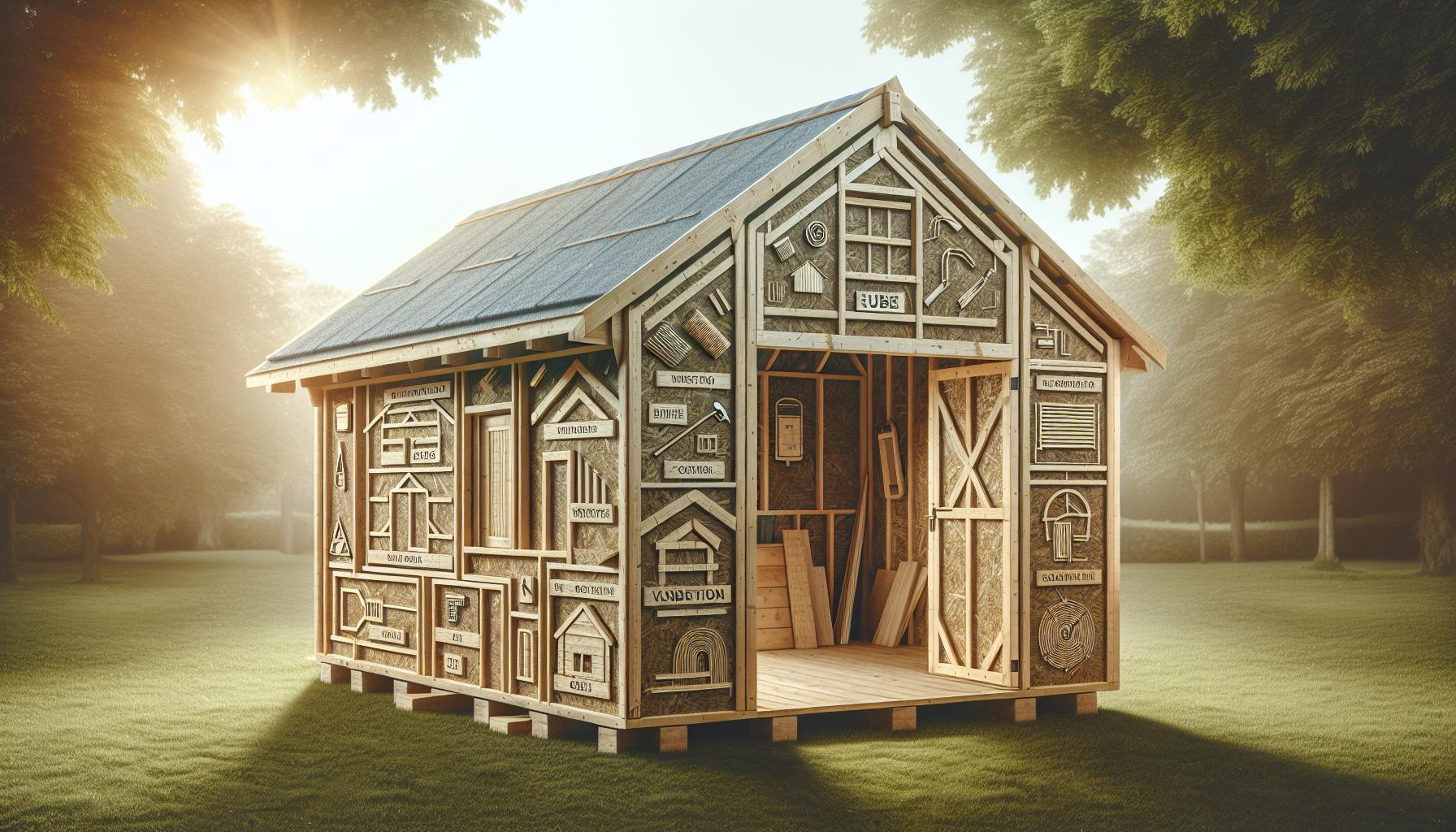
Insulation and Ventilation: Protecting Your Shed from the Elements
The success of a shed often hinges on more than just its structural elements; effectively managing temperature and moisture can mean the difference between a sanctuary for tools and a breeding ground for mold and rot. Proper insulation and ventilation are crucial components in safeguarding your shed against the elements, ensuring that it remains a durable, functional space regardless of the climate. Understanding these two elements is essential for anyone looking to master the art of shed construction.
Understanding Insulation
Insulation acts as a barrier to heat transfer,keeping your shed warm in winter and cool in summer. When considering how to build a roof for a shed, choosing the right insulation material becomes vital. Some common materials include:
- fiberglass Batt Insulation: Affordable and widely available,but can be challenging to install without a vapor barrier.
- Foam Board Insulation: Offers a higher R-value per inch of thickness, ideal for limited space.
- Spray Foam Insulation: Provides an air-tight seal and high insulation value but comes at a higher cost.
Regardless of your choice, ensure that you also consider the installation method and the specific climate in which you reside.In colder climates, such as, focus on thicker insulation to deter heat loss, while in warmer regions, lighter insulation may suffice.
Incorporating Ventilation
While insulation helps retain desired temperatures, ventilation is equally important to control humidity and air circulation. A well-ventilated shed can prevent moisture accumulation, which can lead to unpleasant odors and structural damage over time. Here are some effective ventilation strategies:
- Ridge Vents: Positioned at the peak of the roof, these allow warm air to escape while drawing in cooler air.
- Soffit Vents: Located beneath the eaves, they ensure a continuous flow of fresh air throughout the shed.
- Windows: Installing operable windows provides natural ventilation and can enhance natural light.
When planning your shed’s ventilation system, aim for a balance that allows enough airflow without compromising energy efficiency. Such as, properly calculated air exchanges can significantly reduce moisture and heat buildup while maintaining a comfortable environment for stored items.
Combining Insulation and Ventilation for Optimal Protection
Maximizing the effectiveness of your insulation and ventilation requires an integrated approach. A common mistake is to over-insulate without providing adequate airflow, which can trap humidity and cause damage. As a notable example, using a vapor barrier in conjunction with insulation helps regulate moisture levels, while strategically placed vents can maintain air quality throughout the shed.
by considering both elements, you create a resilient structure that stands up against the test of time and weather. This multifaceted strategy will not only protect your stored items but also extend the life of the shed itself, ensuring it remains a valuable asset in any climate.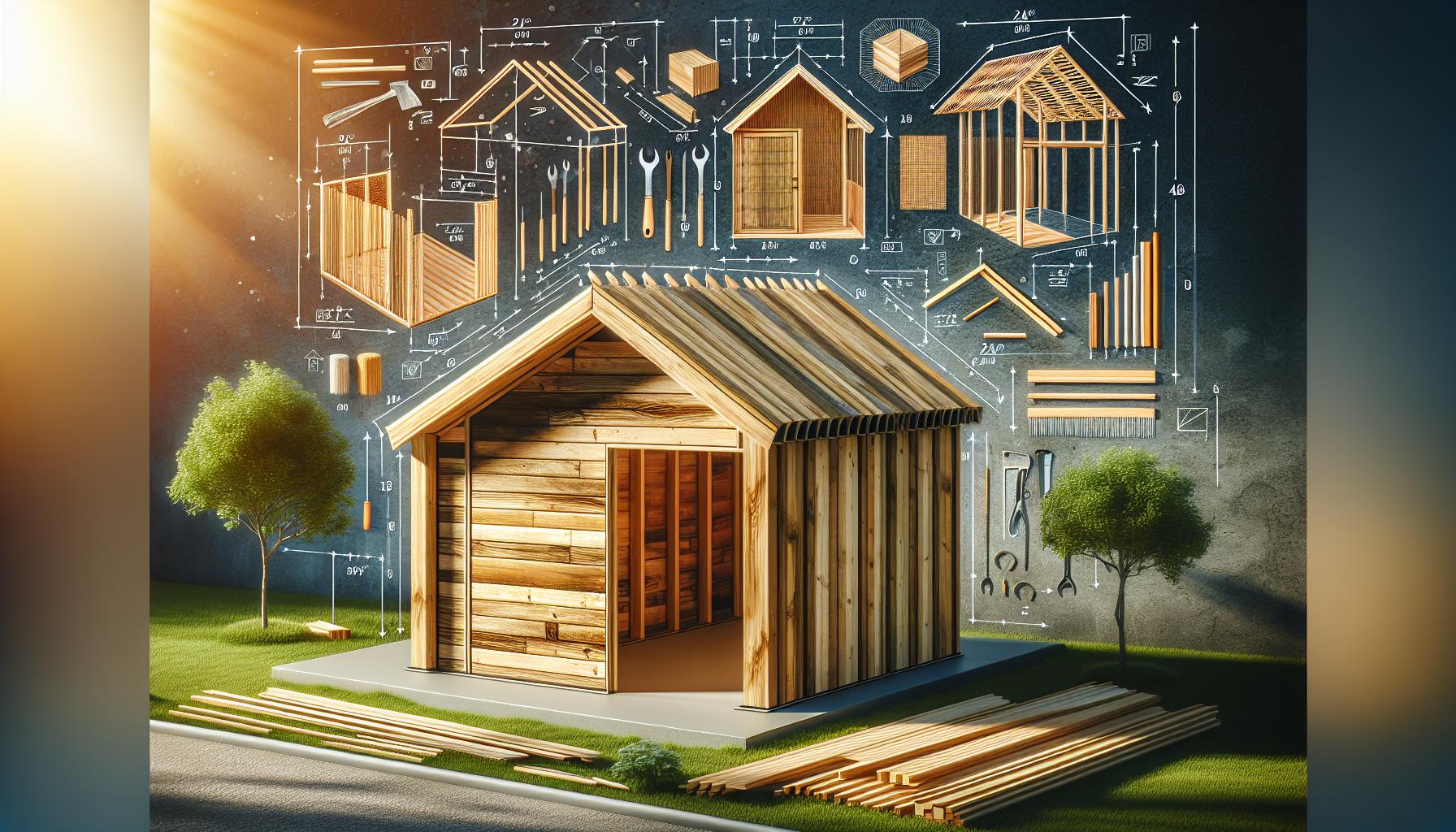
Common Challenges in Shed Roofing and How to Overcome Them
Building a roof for your shed can have its share of hurdles, especially when aiming for durability against the elements. Understanding common challenges not only protects your investment but also enhances the longevity of your structure. Whether you’re tackling rain, snow, or intense sunlight, approaching these issues with strategic solutions is key.
Weather-Related Issues
One of the biggest challenges in shed roofing is ensuring it withstands your local climate. Different regions face unique weather phenomena, from heavy snowfall to torrential rains. Here’s how to conquer these issues:
- Snow Load: If you live in a snowy area, opt for a sloped roof design. The angle promotes snow to slide off rather than accumulate, minimizing the risk of structural damage.
- Heavy Rain: Use materials with a high water resistance rating, like metal or rubber roofing. Also,incorporating proper drainage systems,such as gutters and downspouts,can prevent water pooling around the foundation.
- Heat Exposure: In sunny climates, consider reflective roofing materials. Light-colored shingles or metal roofing can deflect sunlight and keep your shed cooler, prolonging the lifespan of your roofing materials.
Structural Integrity Concerns
Maintaining structural integrity is essential for a reliable roof over your head. Issues such as warping, sagging, or leaks are common but manageable with proactive measures.
- Choose Quality Materials: Invest in durable, weather-resistant materials that can handle the stress of environmental factors. Plywood,oriented strand board (OSB),and quality shingles will reduce the likelihood of warping over time.
- Regular Maintenance: Schedule regular inspections to identify potential issues early. Look for signs of leaks or damage after severe weather conditions, and address them promptly to avoid more meaningful repair costs down the line.
- Proper Installation: Ensure that your shed’s roof is installed by experienced professionals or follow detailed guides diligently to avoid common pitfalls, such as inadequate sealing or number of fasteners used.
Cost Management
Budget constraints can hinder the roofing process, but there are ways to optimize your spending while still achieving quality results.
- Material Selection: Research affordable yet durable roofing materials. For instance, asphalt shingles can be a cost-effective choice, while metal roofing may provide long-term savings due to its durability.
- DIY Approaches: Consider taking on the roofing project yourself if you possess the necessary skills. This can significantly reduce labor costs.Numerous online resources, including guides, video tutorials, and community forums, offer valuable advice on how to build a roof for your shed.
- Seasonal Discounts: Purchase materials during off-peak seasons to take advantage of discounts. Many suppliers lower prices during the winter months when demand is lower.
By addressing these common challenges with thoughtful solutions, you can ensure that your shed roof remains robust and reliable, tailoring it to withstand the elements regardless of your climate. Planning ahead with effective strategies can lead to a successful and satisfying roofing project that protects your shed for years to come.
Maintaining Your Shed Roof: Tips for Longevity
A well-maintained shed roof not only enhances the aesthetic appeal of your outdoor space but also prolongs the overall lifespan of your structure. Roof upkeep is crucial,especially considering diverse weather conditions that can take a toll on your shed. Whether you’ve constructed your structure using the designs outlined in “How to Build a Roof for a Shed: Weathertight Designs for Any Climate” or modified your own, implementing a solid maintenance routine is key to ensuring it remains robust against the elements.
Regular Inspections
One of the simplest yet most effective ways to extend the life of your shed roof is by conducting regular inspections. Aim to check your roof at least twice a year, ideally during spring and autumn.This allows you to identify potential issues before they escalate. Look for:
- Cracks or Loose Shingles: Make a note of any areas that may require repair or replacement.
- Debris Buildup: Leaves, twigs, and other debris can trap moisture, leading to mold and decay.
- Signs of Water Damage: Check the interior for water stains and moisture, which can indicate leaks.
Cleaning and Clearing
Keeping your shed roof clean is paramount. Over time, roofs can gather dirt, moss, and plant debris, which can contribute to deterioration if not addressed. To maintain a weathertight environment:
- regularly Remove Debris: Use a soft broom or a roof rake to clear off leaves and other materials.
- Wash Moss and Algae: A mixture of water and vinegar can be effective in cleaning these growths without damaging the roof material.
You might consider employing a pressure washer for a deep clean, but use it cautiously to avoid damaging the roofing materials.
Sealants and Coatings
in climates that experience heavy rainfall or snowfall, applying a water-resistant sealant can dramatically improve your roof’s longevity. Sealants should be applied every few years and can protect against leaks, especially around joints and seams. Here’s a quick guide to selecting the right sealant based on your shed’s roofing material:
| Roof Material | Recommended Sealant | Application Frequency |
|---|---|---|
| Asphalt Shingles | Acrylic-based sealant | Every 3-5 years |
| Metal Roofs | Silicone sealant | Every 5-7 years |
| Wood Shakes | Polyurethane sealant | Every 2-3 years |
By paying careful attention to maintenance, you ensure that your shed roof remains as resilient and protective as the weathertight designs described in “How to Build a Roof for a Shed: Weathertight Designs for any Climate.” With consistent care, your shed will continue to provide a practical and appealing addition to your outdoor space.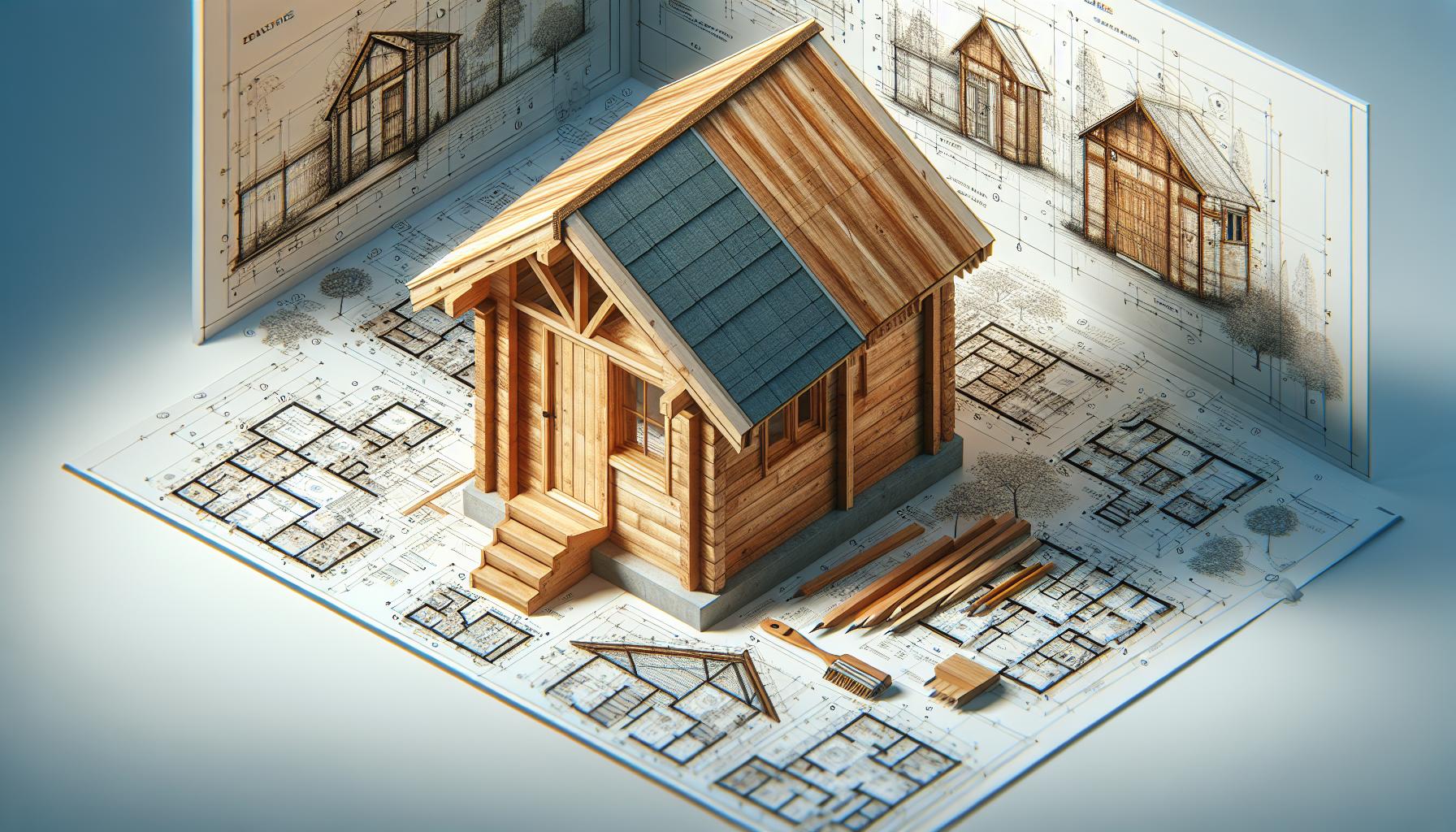
Designing Your Shed Roof for Seasonal Considerations
When it comes to constructing a shed, understanding seasonal weather variations is crucial for ensuring the longevity and functionality of your roof. Different climates pose unique challenges, from heavy snowfall and rain to intense heat and variable winds. Therefore, integrating thoughtful design choices into your shed roof can help manage these seasonal considerations effectively.
To begin, assess the climate in your area and choose a roof style that can withstand local weather conditions. Such as, if you live in a region prone to snowfall, a pitched roof is preferable as it allows snow to slide off rather than accumulate, reducing the risk of structural damage. Conversely, flat roofs may work well in areas with minimal precipitation, although proper drainage systems should be installed to prevent standing water.
Factors to Consider in Design
When planning your shed roof, here are some essential factors to incorporate into your design:
- Pitch and Angle: A steeper pitch aids in water runoff, which is beneficial in rainy or snowy areas.
- Materials: Select roofing materials that suit your climate—metal roofing is durable and reflects heat, which is ideal for sunny areas, while asphalt shingles can work in various conditions.
- Insulation: Proper insulation can regulate temperature, especially important if your shed will be used for storage of sensitive items or as a workspace.
- Ventilation: Ensuring good airflow can help prevent moisture buildup, which is especially important in humid regions.
ultimately, when considering how to build a roof for a shed that withstands the test of time, think about not just the immediate effects of weather conditions but also how seasonal changes over the years might impact your materials and structure. Incorporating these considerations into your design process will enhance the durability and usability of your shed, providing peace of mind regardless of the climate challenges you may face.
By thoughtfully designing your shed roof around these seasonal factors, you can avoid costly repairs and ensure your shed remains a reliable space for years to come.
Tools and Techniques for a Successful Shed Roofing Project
Starting a roofing project for your shed can seem daunting, but with the right tools and techniques, you can transform your DIY ambition into a weatherproof reality. Understanding the materials you’ll be working with and having the proper equipment at your fingertips not only simplifies the construction process but also ensures a durable roof designed for any climate.
Essential Tools for Your Roofing Project
When considering how to build a roof for a shed, it’s vital to equip yourself with tools that enhance efficiency and precision. The following list outlines the essential tools:
- Measuring Tape: Accurate measurements are critical for a successful roofing job.
- Level: Ensures that your roof is even, preventing water pooling.
- utility Knife: Ideal for cutting roofing materials to the right size.
- Hammer or Nail Gun: A hammer is simple, but a nail gun can speed up the nailing process significantly.
- Ladder: Safety first; choose a sturdy ladder to access your shed roof safely.
- Safety Gear: Helmets, gloves, and non-slip footwear are essential to protect yourself while working.
Critical Materials for Roofing
The choice of materials is equally crucial in ensuring your roof withstands the test of time and weather conditions. Here are some high-performance materials to consider:
| Material | Durability | Best For |
|---|---|---|
| Asphalt Shingles | Moderate | Most climates |
| Metal Roofing | High | Wet or snowy climates |
| Wood Shakes | Moderate | Dry climates |
| Rubber Roofing | High | Flat-roof sheds |
Choosing the right materials is crucial to understanding how to build a roof for a shed that can withstand heavy rains or intense sunlight.Asphalt shingles provide a cost-effective solution, while metal roofing offers longevity and strength, especially in harsh weather.
Techniques for Application
Once you have your tools and materials ready, employing the right techniques will ensure your shed roof is weathertight. Here are some practical steps:
- Proper Installation: follow the manufacturer’s guidelines for installing your chosen roofing materials. Overlapping shingles or panels can greatly enhance waterproofing.
- Flashing: Utilize flashing around joints and seams to direct water away from critical areas. This can prevent leaks which are especially problematic in heavy rainfall or snow.
- Ventilation: When constructing your roof, ensure adequate ventilation to prevent moisture buildup, which can cause mold and premature wear on your roofing materials.
- Routine Inspections: After installation, schedule regular inspections to check for any signs of wear or damage, ensuring your shed remains protected against the elements.
By mastering these tools and techniques,you’re well on your way to successfully building a roof for your shed that not only enhances its aesthetic appeal but keeps your belongings safe and dry through every season.
Q&A
How to Build a Roof for a Shed: Weathertight Designs for Any Climate?
To build a weathertight roof for a shed, start by choosing a suitable design like a gable or shed roof, and use materials like plywood or OSB for the sheathing, followed by waterproof roofing felt and shingles or metal roofing.This ensures durability across various climates.
Consider your local weather conditions when selecting materials. Such as, in heavy snowfall areas, opt for a steep pitch to prevent snow buildup. additionally,proper ventilation under the roof will help reduce moisture buildup,ultimately extending the life of your shed.
What types of roofing materials are best for a shed?
The best roofing materials for a shed include asphalt shingles, metal roofing, and rubber roofing. These materials offer durability and effective water resistance, making them ideal for various climates.
Asphalt shingles are popular for their ease of installation and affordability. for those in extreme climates, metal roofing can provide superior longevity and weather protection. Consider exploring different roofing options to find the best fit for your specific needs.
Why does proper roof pitch matter for my shed?
Proper roof pitch is crucial as it affects water runoff, preventing leaks and moisture accumulation. A steeper pitch encourages rain and snow to slide off,reducing the risk of damage.
The ideal pitch can vary based on your climate. A 4/12 pitch is suitable for moderate conditions, while areas prone to heavy snowfall may require a pitch of at least 6/12.Always check local building codes, as they might dictate specific requirements.
Can I build a shed roof without prior experience?
Yes, you can build a shed roof without prior experience! With detailed plans and guidance, even beginners can successfully tackle this project.
Start with solid instructions and gather tools beforehand. Many DIYers find success using online resources or video tutorials. Remember, patience and practice make perfect; don’t hesitate to seek help if challenges arise!
What are the common challenges when building a shed roof?
Common challenges include achieving proper pitch, ensuring waterproofing, and fitting materials correctly. These factors can impact the roof’s durability and function.
To combat these issues, take your time measuring and laying out your roof before cutting materials. Using quality materials and fasteners can also significantly reduce long-term problems.If in doubt, consult experts or community resources for advice.
How do I ensure my shed roof is weathertight?
To ensure your shed roof is weathertight, use high-quality roofing materials and install a robust underlayment like roofing felt. Properly sealing edges and overlaps is also essential.
Regular maintenance, such as clearing debris and checking for damage after storms, will help maintain your roof’s integrity. Early detection of any issues can prevent extensive repairs and prolong the life of your shed.
What is the best roof design for extreme weather conditions?
The best roof designs for extreme weather include hip roofs or gabled roofs. These styles offer superior wind resistance and efficient water runoff.
In areas prone to strong winds or heavy snowfall, consider adding overhangs. This will protect the walls from rain and snow while maintaining ventilation. Always tailor your roof design to the unique challenges posed by your local climate.
Concluding Remarks
building a roof for your shed can be a rewarding project that enhances both functionality and aesthetics. By understanding the different roofing styles, materials, and techniques suitable for your climate, you can create a sturdy, weather-resistant structure that stands the test of time. Remember to carefully plan your design, ensure proper ventilation, and consider the unique challenges your local weather may present. Whether you choose a gable, shed, or hip roof, the key is to approach each step with confidence and patience. Don’t hesitate to reach out to local experts or resources if you need additional guidance; there’s a wealth of support available for DIYers at every skill level. Embrace the process, celebrate your craftsmanship, and enjoy your newly constructed shed that will serve you well for years to come. For more insights and tips on home improvement projects, continue exploring our resources and connect with fellow DIY enthusiasts!
Get our latest guides, news, and insights highlighted in your Google Search & AI Overviews.


