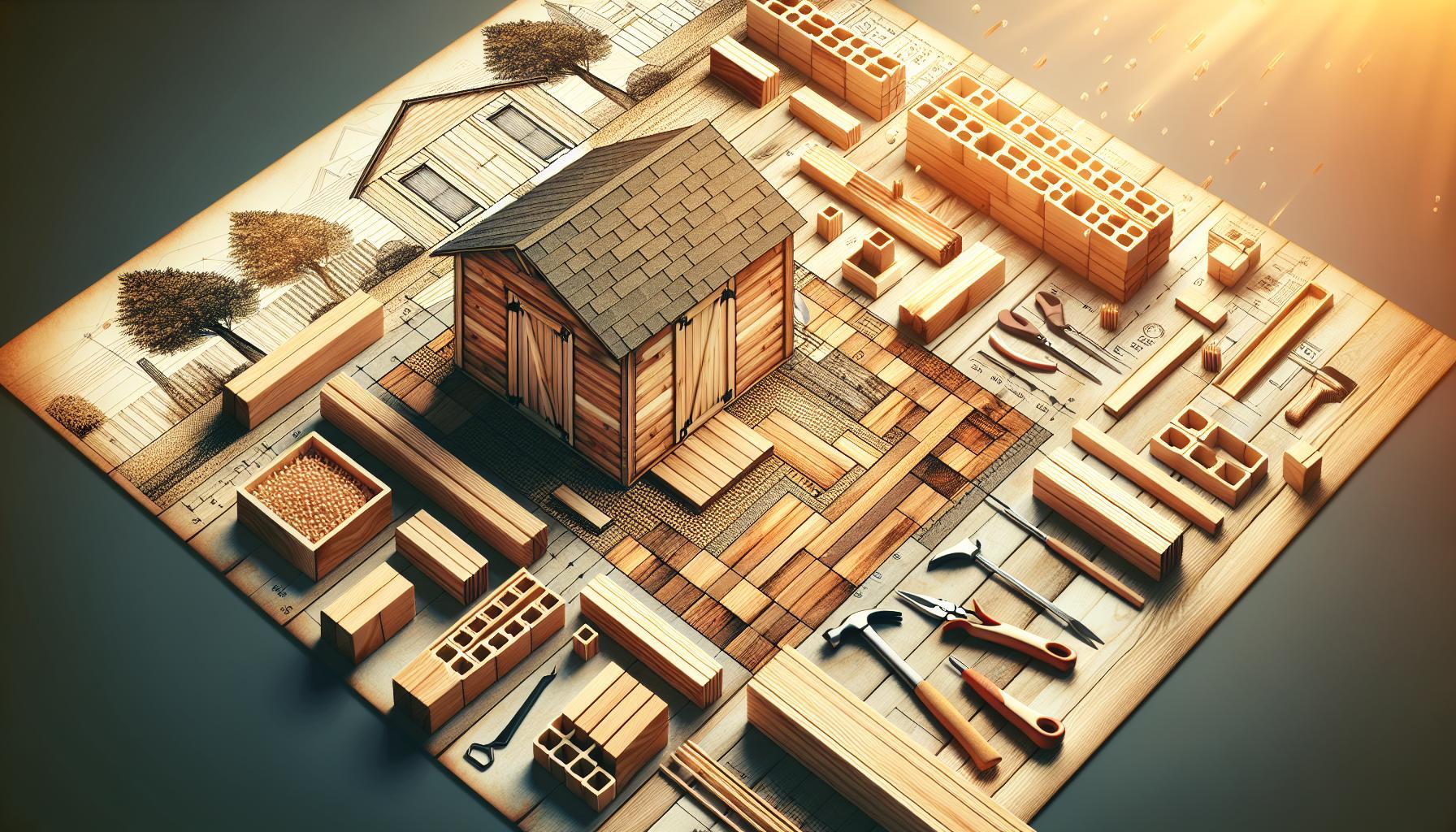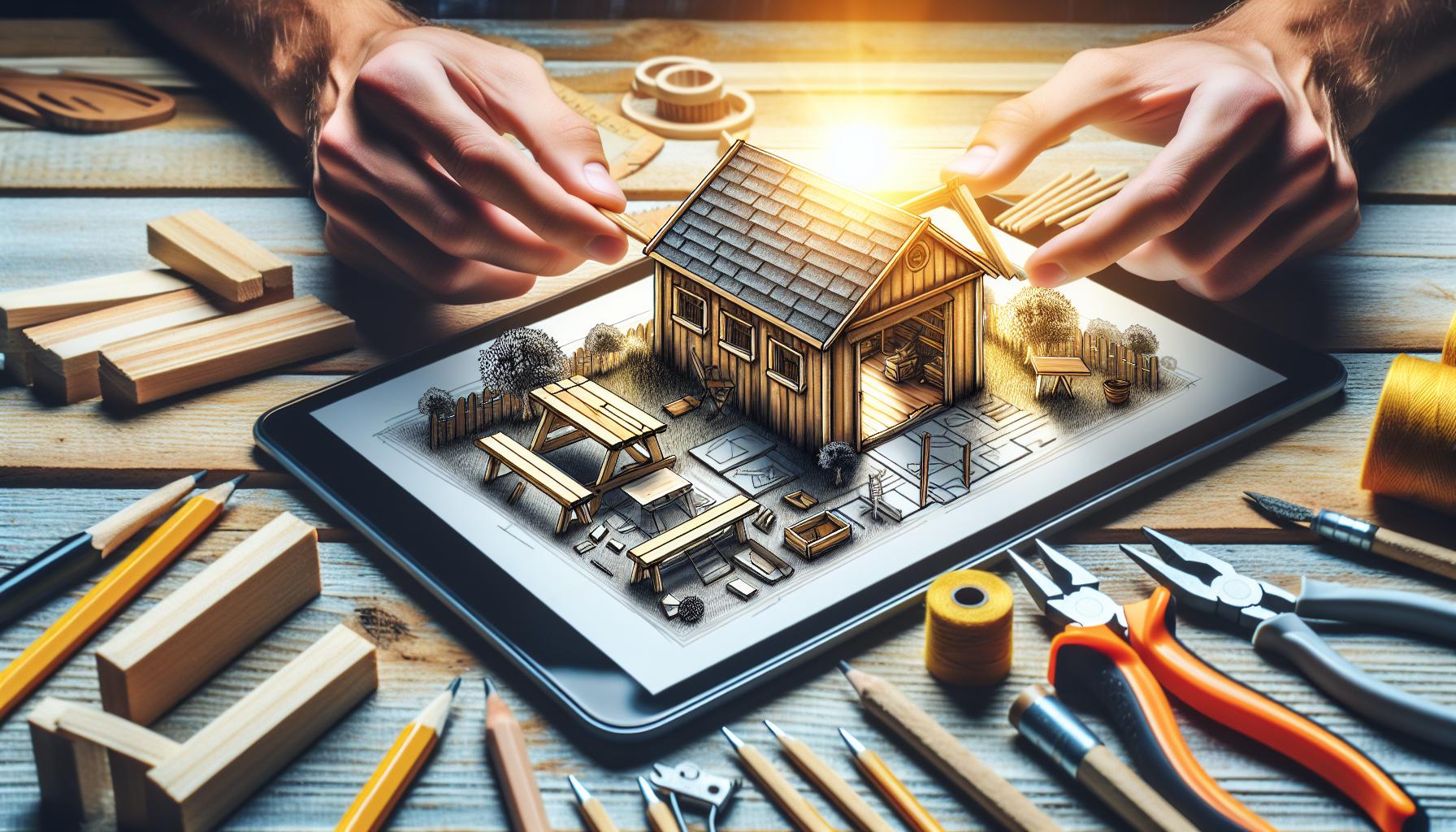

Struggling to find extra storage space in your yard? Building a shed is a practical and rewarding solution that enhances both functionality and aesthetics in your outdoor area. In this thorough guide, we’ll provide you with a step-by-step blueprint for DIY success, ensuring your shed becomes a reliable addition to your home.
Choosing the Right Shed Design for Your Needs
When embarking on the journey of shed construction, a well-informed choice on design can set the stage for a successful project. whether you need a cozy space for gardening tools, a workshop for hobbies, or additional storage, selecting the right design ensures functionality and aesthetics align with your needs. Many variables come into play when determining which shed design will suit you best,from size and style to materials and planned usage.
assessing Your Needs
start by clearly identifying the primary purpose of your shed. Ask yourself what tasks you envision carrying out in this space. As an example, if you plan to store large items like lawnmowers or bicycles, opting for a larger model with wide doors might potentially be essential. Conversely, if the shed’s role is more about keeping gardening tools organized, a smaller design with clever storage solutions can maximize efficiency. Here are key considerations for your checklist:
- Functionality: Will it be a storage space, a workshop, or a hobby area?
- Size: How much space do you have, and what items need to fit?
- Location: Where on your property will the shed be situated?
- Style: What design complements the existing aesthetic of your home and yard?
exploring design Options
Once you have a grasp of your needs, explore various design options that can fulfill your requirements. The type of roof, walls, and overall structure will dictate not only functionality but also how well your shed withstands the elements. Some common designs include:
- Gable Roof: Offers good headroom and is ideal for a variety of climates.
- Flat Roof: A modern look that provides easy stacking of storage but may require drainage considerations.
- Lean-To: Perfect for smaller spaces, leaning against an existing wall offers unique space efficiency.
For those ready to take on a DIY project, many online platforms like Construct101 provide free shed plans that include detailed drawings and material lists, making the process more straightforward. alternatively, consider using custom design tools like the one offered by westwood sheds, which allows you to visualize your shed before committing to construction.
Materials Matter
Your choice of materials considerably impacts durability and maintenance. While wooden sheds are traditional and customizable, they may require regular maintenance to prevent rot. Metal sheds, conversely, are known for their longevity and minimal maintenance needs. Use the following table to weigh the pros and cons of popular materials:
| Material | Pros | Cons |
|---|---|---|
| Wood | Customizable, aesthetic appeal, natural insulation | Requires maintenance, vulnerable to pests |
| Metal | Durable, low maintenance, fire-resistant | Limited aesthetics, prone to rust |
| Vinyl | Weather-resistant, low maintenance, multiple colors | Can be less durable than metal, may fade over time |
by carefully considering your specific needs and intricately planning your shed build according to the insights from a guide like “How Do I Build a Shed? Step-by-step Guide for DIY Success,” you can craft a personalized space that not only meets your functional requirements but also enhances your outdoor environment.
Essential Tools and materials for Your Shed Project
Building a shed is an exciting project that allows you to unleash your creativity and enhance your outdoor space. To ensure the success of your endeavor, having the right tools and materials at your disposal is crucial.Proper preparation can make the difference between a smooth build and a frustrating experience, so understanding what you need before you begin is essential.
Key tools for Construction
Equipping yourself with the right tools will not only streamline your process but also enhance the quality of your work. Here’s a breakdown of the essential tools you should gather:
- Measuring Tape: Accurate measurements are vital. A 25-foot measuring tape is versatile for most shed dimensions.
- level: Ensures that your structure is sound and straight; vital for walls and floors.
- Power Drill: Used for drilling holes and driving screws. Cordless models provide excellent convenience.
- Circular Saw: Ideal for cutting wood quickly and efficiently; a key tool for framing.
- Hammer: This classic tool is essential for driving nails into place.
Essential Materials to Gather
The materials you choose will largely dictate the durability and appearance of your shed. Here’s a practical list of materials you’ll need:
| Material | Purpose |
|---|---|
| Lumber: | Framing, walls, and roofing; choose treated wood for longevity. |
| Plywood: | Used for the shed’s walls and floor; typically, sheets of 3/4″ plywood are recommended. |
| Roofing Felt: | Provides weather-proofing beneath your roofing materials. |
| Shingles or Metal Panels: | For covering the roof; both options provide excellent protection against the elements. |
| Nails and Screws: | Essential for assembly. Use galvanized options for outdoor durability. |
In addition,consider other options such as insulation materials if you plan to use the shed for more than just storage. Planning ahead and securing all necessary tools and materials prior to starting your project will align perfectly with the steps outlined in our guide on how to build a shed, ensuring a seamless and rewarding DIY experience.
Step-by-Step Planning: From Blueprints to Permits
Embarking on the journey of building your own shed can be both exciting and daunting,but a meticulously crafted plan can make the process enjoyable and successful. to turn your dream into reality, you’ll need to start with solid blueprints and navigate the intricate world of permits. Carefully following these steps will ensure that everything from the initial design to compliance with local regulations is taken care of.
Creating Your Blueprints
The first step in your DIY shed project is to create detailed blueprints. This blueprint will serve as a roadmap, guiding you through each phase of construction. Here are key elements to include in your blueprints:
- Dimensions: Clearly outline the measurements of the shed, including height, width, and depth.
- Materials: Specify the types of wood, roofing, and flooring you plan to use.
- Design Features: Include doors, windows, and any additional features like shelves or workbenches.
Having a detailed plan is essential not only for building but also for securing the necessary permits.
Navigating Permits and Regulations
Once your blueprints are ready, it’s time to delve into the world of permits. Keep in mind that different cities or counties have varying regulations regarding outbuildings like sheds. Here’s how to navigate through those requirements:
- Check local Zoning Laws: Use your community’s zoning office resources to understand the regulations applicable to your property. Some areas restrict the size or style of structures you can build.
- Building Permits: in many cases, you will need to apply for a building permit. This usually requires submitting a copy of your blueprints along with an submission form.
- Homeowners Association (HOA) Approval: If you live in an area governed by an HOA,check their rules too,as you might need to submit your plans for approval.
- setbacks and Lines: Ensure your shed complies with setback laws—this dictates how far your structure must be from property lines and other buildings.
By following these steps, you minimize the risk of fines or having to dismantle your construction later on.
| Document Required | Description |
|---|---|
| Blueprints | Detailed plan of your shed, including dimensions and modifications. |
| Building permit Application | Form submitted to local authorities for approval. |
| HOA Approval | Necessary consent from the homeowners association, if applicable. |
| Survey Report | Document confirming property lines, if required by local laws. |
With thorough blueprints in hand and all permits secured, you’re well on your way to making your shed building project a reality. Taking these initial steps seriously helps ensure a smooth construction process and paves the way to a successful DIY endeavor.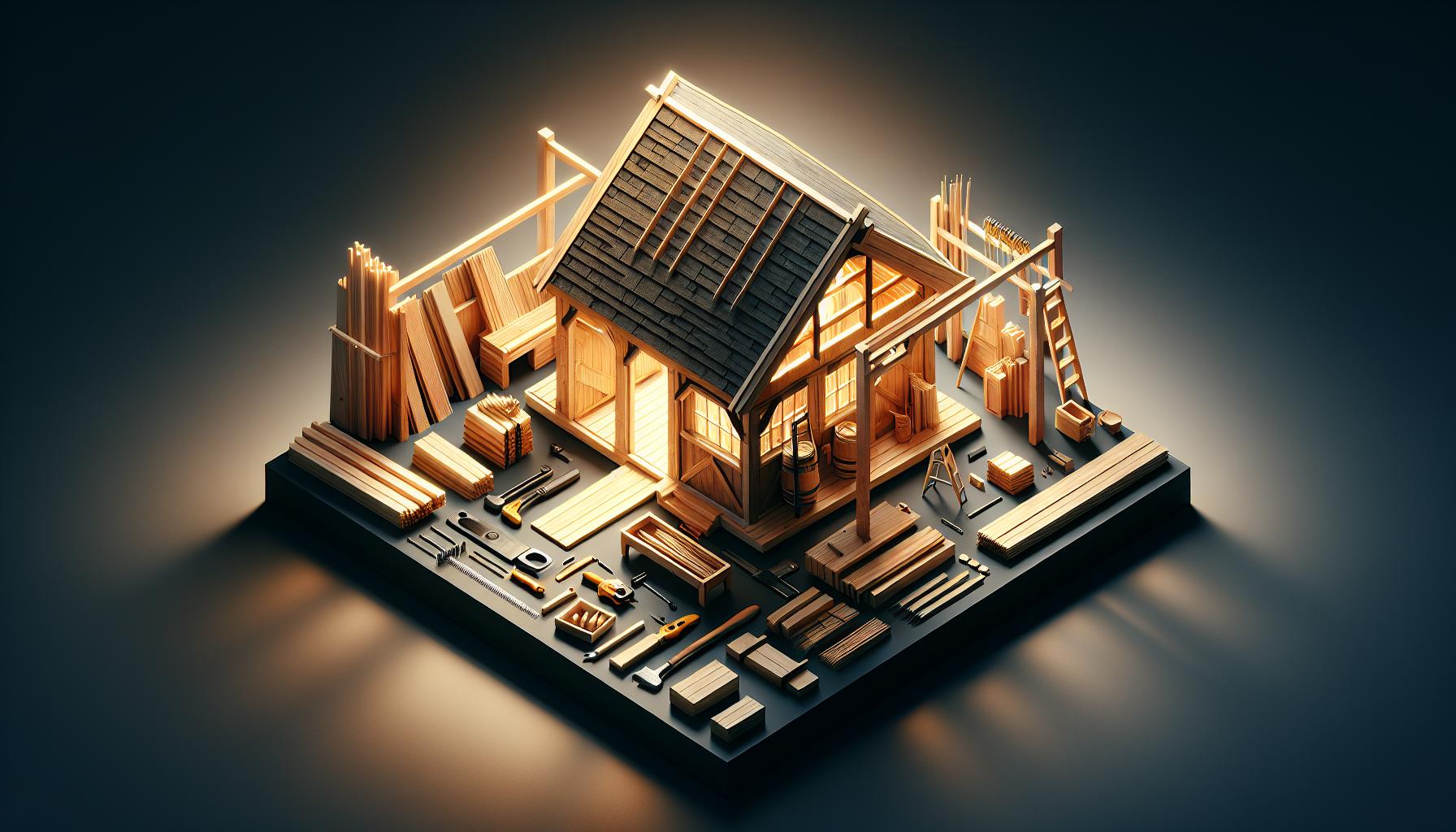
Laying a Solid Foundation: tips for Success
When embarking on a DIY shed-building project, establishing a robust foundation is crucial for the longevity and stability of your structure. A well-laid foundation can mean the difference between a sturdy shed that stands the test of time and one that succumbs to the elements over the years. Before diving into the intricate details of construction, it’s essential to focus on laying a solid groundwork.
Choosing the Right Location
Selecting the optimal spot for your shed is the first step towards success. Look for a level area away from trees and other structures that could lead to potential hazards like falling branches or obstructing views. Additionally, consider the following factors:
- Drainage: ensure the ground has good drainage to prevent water accumulation that can damage the shed.
- Accessibility: The location should be easily reachable for moving materials, accessing tools, and for future maintenance.
- Sunlight Exposure: Consider how much sunlight the area receives throughout the day, as this will affect the internal climate of the shed.
Foundation Options: Which Is best for You?
There are several types of foundations to consider, each offering distinct advantages.The choice of the foundation ofen depends on your area’s weather conditions and the intended use of the shed. Here are the most common options:
| foundation Type | Advantages | Disadvantages |
|---|---|---|
| Concrete Slab | Durable, non-rot, pest-resistant. | Requires significant preparation and labor. |
| Block Foundation | Elevates the shed,allows ventilation,and easy to level. | Less stable in quagmire soils. |
| Skids | Simple and cost-effective, ideal for temporary structures. | Less rigid than other options and may shift over time. |
| Wood Beams | Great for small sheds and can be adjusted easily. | Susceptible to rot and pest damage. |
Preparing the Ground
Once you’ve selected your location and foundation type, it’s time to prepare the ground. Start by clearing the area of any debris, rocks, or vegetation. For a more stable base, you can dig down a few inches and add gravel or crushed stone to improve drainage. After laying the foundation, utilize a level to ensure accuracy, making adjustments as necessary.
By taking the time to meticulously plan and prepare your shed’s foundation, you set the stage for a successful construction project. This solid groundwork will serve as the bedrock for every other step outlined in the comprehensive guide on building a shed, ultimately leading to a finished project you can be proud of for years to come.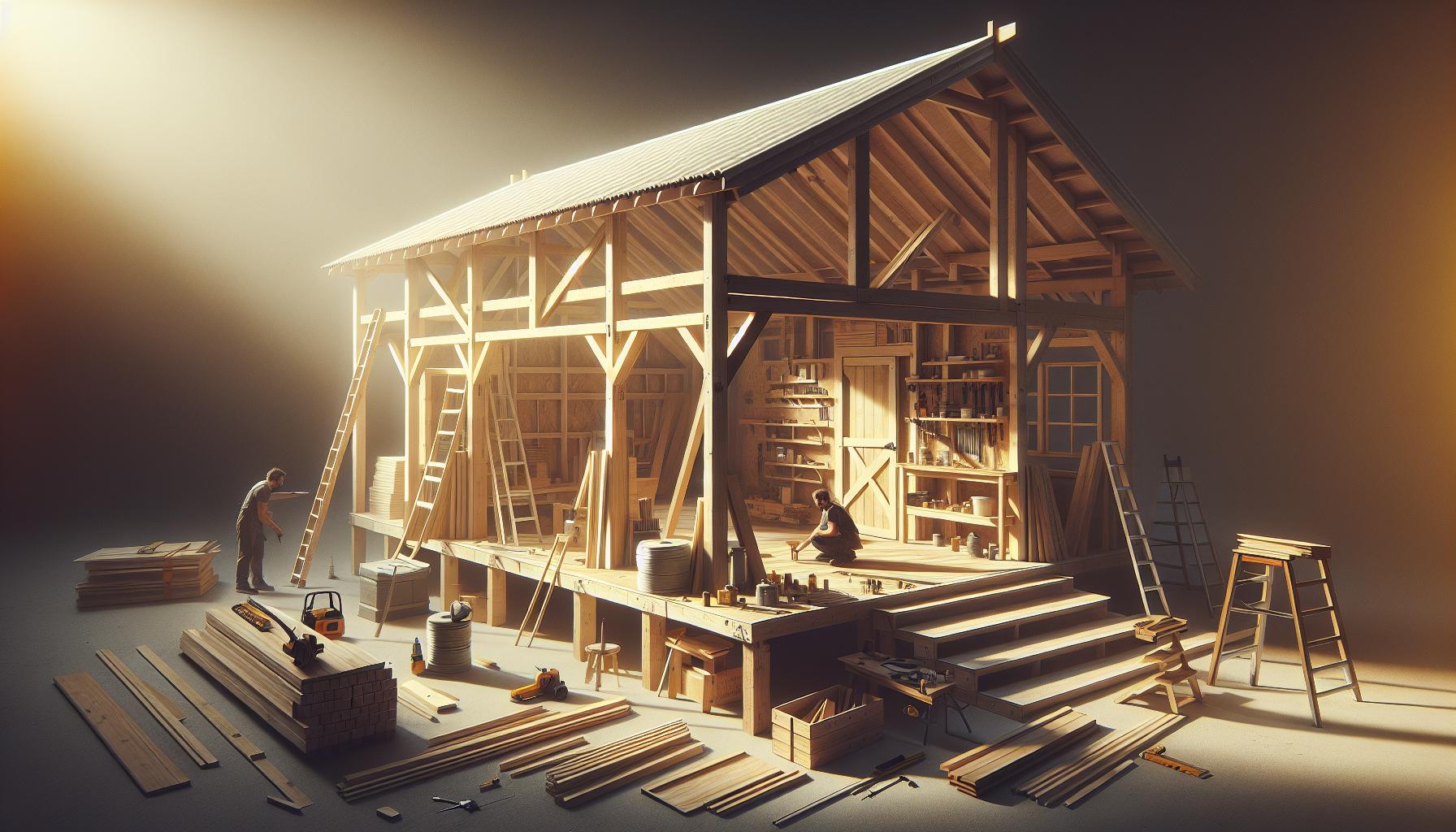
Framing Your Shed: A Beginner’s Guide
Building a shed can be an exciting yet daunting task for anyone venturing into the world of DIY. One of the most crucial phases in this journey is framing your shed,which serves as the backbone of your structure. A well-framed shed not only enhances its stability but also sets the stage for the roofing and siding. Whether you’re a beginner or just looking to brush up on your skills, understanding the principles of framing is essential.
Gathering Your materials
Before diving into the framing process, ensure you have all your materials ready. Here’s a speedy list of what you’ll need:
- Wood: 2×4 or 2×6 lumber for the walls, floor joists, and roof.
- Nails or screws: To hold everything together securely.
- Concrete mix: If setting on a foundation,make sure to have this on hand.
- Tools: Hammer, saw, drill, level, square, and measuring tape are essential.
Understanding the Framework
When constructing the frame, it’s vital to use a rectangular structure as your base. This involves creating the bottom plate,which runs along the perimeter of your shed’s floor. attach vertical studs to this plate at regular intervals (typically every 16 inches) to provide robust support for the walls. Remember, the height of your shed will dictate the length of your studs, so plan accordingly!
To add strength to the structure, consider incorporating diagonal braces.these will not only enhance stability but also help your walls resist lateral forces, such as wind.Another tip is to use the right type of nails or screws; using galvanized materials is ideal as they resist rusting, especially if your shed will house garden equipment or oils.
Elevation and Square Check
After erecting initial wall sections, it’s vital to check for squareness. A simple way to do this is by using the *3-4-5 rule*—measuring 3 feet along one side, 4 feet along the adjacent side, and ensuring the diagonal measures exactly 5 feet. If it’s off, adjustments are crucial to ensure proper alignment.
Once squaring is confirmed, secure the frame to the base with nails or screws and repeat the process for the remaining walls. Combining solid materials with careful measurements will deliver a strong foundation for your shed.
| Material | Usage |
|---|---|
| Lumber (2x4s) | Main framing for walls and roof |
| Fasteners | Securing wall frames and deck |
| Braces | Adding stability to the structure |
Remember,effective framing is basic for the overall success of your DIY shed project.By following these guidelines, you’re well on your way to constructing a structure that not only looks great but stands the test of time.
Installing the Roof and Walls: Techniques for Durability
To ensure your shed withstands the elements and maintains its structural integrity, focusing on the installation of the roof and walls is crucial. Using high-quality materials and robust construction techniques can help you create a durable structure that protects your belongings for years. Consider the weather conditions in your area—this will influence not only the materials you choose but also the overall design of your shed.
Materials for Durability
When selecting materials for your shed’s walls and roof, prioritize those that offer longevity and resistance to weather damage. Common choices for walls include plywood, oriented strand board (OSB), and even metal panels for a modern touch. For roofing, asphalt shingles are popular due to their affordability and ease of installation, while metal roofing provides superior durability and longevity.consider the following material options based on their resilience:
| Material | Durability | Cost |
|---|---|---|
| Plywood | Moderate | Low |
| OSB | Moderate | Low |
| Metal Panels | High | Moderate to High |
| Asphalt Shingles | Moderate to High | Low to Moderate |
Installation Techniques
For effective installation,begin by ensuring your shed’s frame is level and square. This foundation will support the walls and roof and is critical in preventing structural issues. Attach wall panels securely using galvanized screws or nails to enhance resistance to rust and corrosion, and pay attention to ensure the corners are properly reinforced with corner braces.
When installing the roof, avoid common pitfalls such as inadequate overlap of shingles or panels. A proper overlap is essential to prevent leaks, while the use of underlayment can provide an extra layer of protection against moisture. Additionally, install ventilation in the roof to prevent heat build-up during hot weather, which can lead to warping and deterioration of your materials.
If your DIY shed project is part of a larger initiative, consider the long-term maintenance of the materials used. Regular inspections and resealing can prolong the lifespan of your shed, ensuring that it remains a valuable asset for years to come. By following these strategies outlined in the comprehensive guide on how to build a shed, you can craft an outdoor space that is both functional and enduring.
Personalizing Your Shed: Doors, Windows, and Finishes
Personalizing your shed is an exciting part of the building process, allowing you to infuse your own style and functionality into the structure. After laying a solid foundation and erecting the walls,it’s time to consider how the details—specifically,doors,windows,and finishes—can elevate both the aesthetics and utility of your shed. These finishing touches not only enhance the character of your shed but can also play a functional role in its overall performance and longevity.
Choosing the Right Doors
The door of your shed serves as the primary entry point and must be both appealing and practical.When selecting doors, consider the following options:
- Single vs.Double Doors: Single doors work well for smaller sheds, whereas double doors provide easier access for larger items like lawnmowers or bikes.
- Material Choice: Wooden doors offer a classic look, while metal doors provide superior durability and security. Composite materials can combine aesthetics and resilience.
- Style and Design: From rustic barn doors to modern flush doors,pick a style that complements your home and landscape.
Making sure the door is weatherproof and properly sealed will ensure that your shed remains safe from the elements.
Incorporating Windows for Light and Ventilation
Windows are essential for natural light and airflow, transforming a dark storage space into a pleasant workshop or hobby area. Here are key factors to consider:
- Placement: Install windows on the side of the shed that receives the most sunlight to maximize natural light during the day.
- Size and Style: Choose from fixed panes, sliding windows, or even decorative options like stained glass to match your style.
- Openable vs. Fixed: Openable windows can help with ventilation, important if you’ll be using your shed for tasks that generate fumes or humidity.
Using clear acrylic or glass can also enhance the aesthetic appeal and allow you to enjoy the view.
| Type of Material | Advantages | Disadvantages |
|---|---|---|
| Wood | Natural look, customizable | Requires more maintenance |
| Metal | durable, secure | Can be prone to rust |
| Composite | Weather resistant, low maintenance | Can be more expensive |
Selecting Finishes to Reflect Your Taste
Finishes play a critical role in safeguarding your investment and enhancing visual appeal. whether you prefer a polished,contemporary look or a rustic charm,the right finishes can set the tone for your shed’s exterior.
When planning your finishes, consider these aspects:
- Paint and Stain: These options can provide a splash of color while protecting the wood underneath from moisture and UV damage.
- Siding Options: From vinyl and wood to metal and composite, the choice of siding can dramatically alter the appearance of your shed.
- Roofing Materials: Think beyond asphalt shingles; metal roofing or cedar shakes can offer distinct aesthetics coupled with durability.
Opting for weather-resistant paints or siding materials that mirror your home’s architecture will create a cohesive look, integrating your shed seamlessly into your landscape. With thoughtful consideration of doors, windows, and finishes, your shed can become a visually appealing and functional extension of your property.
Maintenance Tips to Keep Your Shed in Top Shape
Maintaining a shed is just as crucial as building it. A well-kept shed not only preserves its structural integrity but also enhances its aesthetic appeal, ensuring it remains a valuable asset in your backyard for years to come. Regular maintenance can prevent costly repairs and extend the life of your shed. Here are some essential tips to keep your structure looking and functioning its best.
Regular Inspections
Scheduling routine inspections is the first step in effective maintenance.Aim to check your shed at least twice a year, ideally in spring and fall. During these inspections, look for signs of wear and tear, including:
- Roof Damage: Inspect shingles or roofing material for missing or damaged areas.
- wood Rot: Check the wooden elements for signs of rot or pest infestations.
- Structural Integrity: Ensure the walls and foundation remain sturdy and stable.
- Doors and windows: Test the functionality of doors and windows for smooth opening and closing.
Cleaning Tips
A clean exterior enhances the shed’s durability and visual appeal. Here are a few cleaning suggestions:
- Wash the Exterior: Use a pressure washer or a hose with soap to clean dirt and grime from walls and windows.
- Clear the Gutters: Ensure gutters are free from debris to prevent water damage.
- Organize the Interior: Regularly declutter and organize the interior to keep tools and supplies easy to find and avoid accidents.
Painting and Sealing
A fresh coat of paint not only refreshes your shed’s look but also protects it from the elements. Consider these tips:
- Choose Quality Paint: Use exterior-grade paint designed for the material of your shed.
- Seal Openings: Caulk around windows and doors to prevent moisture entry.
- Regular Repainting: Depending on exposure to the elements, repaint every 3-5 years to maintain aesthetics and protection.
Maintenance Schedule
To keep things simple, create a maintenance schedule based on your inspection and cleaning routine.
| Task | Frequency |
|---|---|
| Inspection for damage | Bi-Annual (Spring & Fall) |
| Exterior Cleaning | Annually |
| Gutter Cleaning | Bi-Annual |
| Repainting | every 3-5 Years |
By routinely performing these maintenance tasks, you’ll ensure that your shed remains a functional and attractive part of your property for years to come, enhancing the success of your DIY shed project.
Frequently Asked Questions
How Do I Build a Shed? step-by-Step Guide for DIY Success?
To build a shed, start by determining its size, designing the layout, and gathering materials. Follow a step-by-step guide that includes laying the foundation,constructing the walls,roof,and installing doors and windows.
Choosing the right dimensions and materials is essential for your project. A clear plan will streamline your construction process and ensure sustainability. Consider local building codes and secure necessary permits, which can greatly influence material selection and design choices.
What materials do I need to build a shed?
You’ll need basic materials like wood for framing, plywood for walls, shingles for the roof, and screws for assembly. Don’t forget about tools such as a saw, drill, and level.
Depending on your design, additional materials such as insulation or paint may also be necessary. Always choose quality materials that suit your climate and intended use for the shed. For detailed guidance,check out our article on materials for building a shed.
Can I build a shed without prior experience?
Yes, you can build a shed even if you lack prior experience. By following a well-structured guide like “How Do I Build a Shed? Step-by-Step Guide for DIY Success,” you’ll gain the necessary confidence and skills.
Start with a simple design and plan each step carefully. Online resources,videos,and community forums can also provide support. Remember, every expert was once a beginner, so take your time and don’t hesitate to ask for help.
Why does planning my shed design matter?
Planning your shed design matters as it establishes a strong foundation for your project. Good planning prevents construction errors and maximizes available space.
A detailed plan covers essential aspects like size, layout, and material choices, making the building process smoother. Always consider future needs — perhaps you might want extra storage or workspace in the future.
What tools do I need to successfully build a shed?
Essential tools include a measuring tape, circular saw, drill, level, and a hammer. Having these tools will significantly ease your construction process.
For more complex tasks, consider investing in additional equipment like a nail gun or a jigsaw. These tools enhance precision and efficiency. Familiarize yourself with each tool’s operation, ensuring you can work safely and effectively.
How long does it take to build a shed?
The time it takes to build a shed varies based on complexity, design, and your skill level. Generally, a simple DIY shed can be completed in 1-3 days.
Don’t rush the process; take time to ensure each phase — from preparation through roofing — is done properly. Factor in potential weather delays, as they can extend your timeline. Patience and attention to detail are key to achieving quality craftsmanship.
Can I customize my shed design?
Absolutely! Customizing your shed design allows you to create a structure that meets your specific needs, whether for storage, garden tools, or as a workshop.
Consider features like windows for natural light, shelves for organization, or specific dimensions based on what you plan to store. The beauty of DIY is tailoring every aspect to fit your lifestyle, so let your creativity shine!
insights and Conclusions
Congratulations on embarking on your journey to build a shed! By now, you’ve acquired a solid understanding of the step-by-step process involved in this rewarding DIY project. From planning and gathering materials to laying the foundation and constructing the structure,each phase is a vital piece of the puzzle that culminates in a lovely,functional addition to your property.
Remember, as with any DIY endeavor, challenges may arise, but don’t let them discourage you. Each obstacle is an chance to learn and refine your skills. Keep your tools organized,follow safety guidelines,and take your time to ensure each step is executed thoughtfully. Feeling overwhelmed? Break down tasks into manageable parts, and don’t hesitate to consult resources or seek advice from fellow DIY enthusiasts.
Your dedication to quality craftsmanship is commendable,and with patience and practice,you’ll transform your vision into reality. We encourage you to explore further by diving into related resources, sharing your progress, or even connecting with a community of like-minded builders eager to share their experiences. Your shed-building journey not only enhances your property but also hones your skills as a DIYer. Happy building!