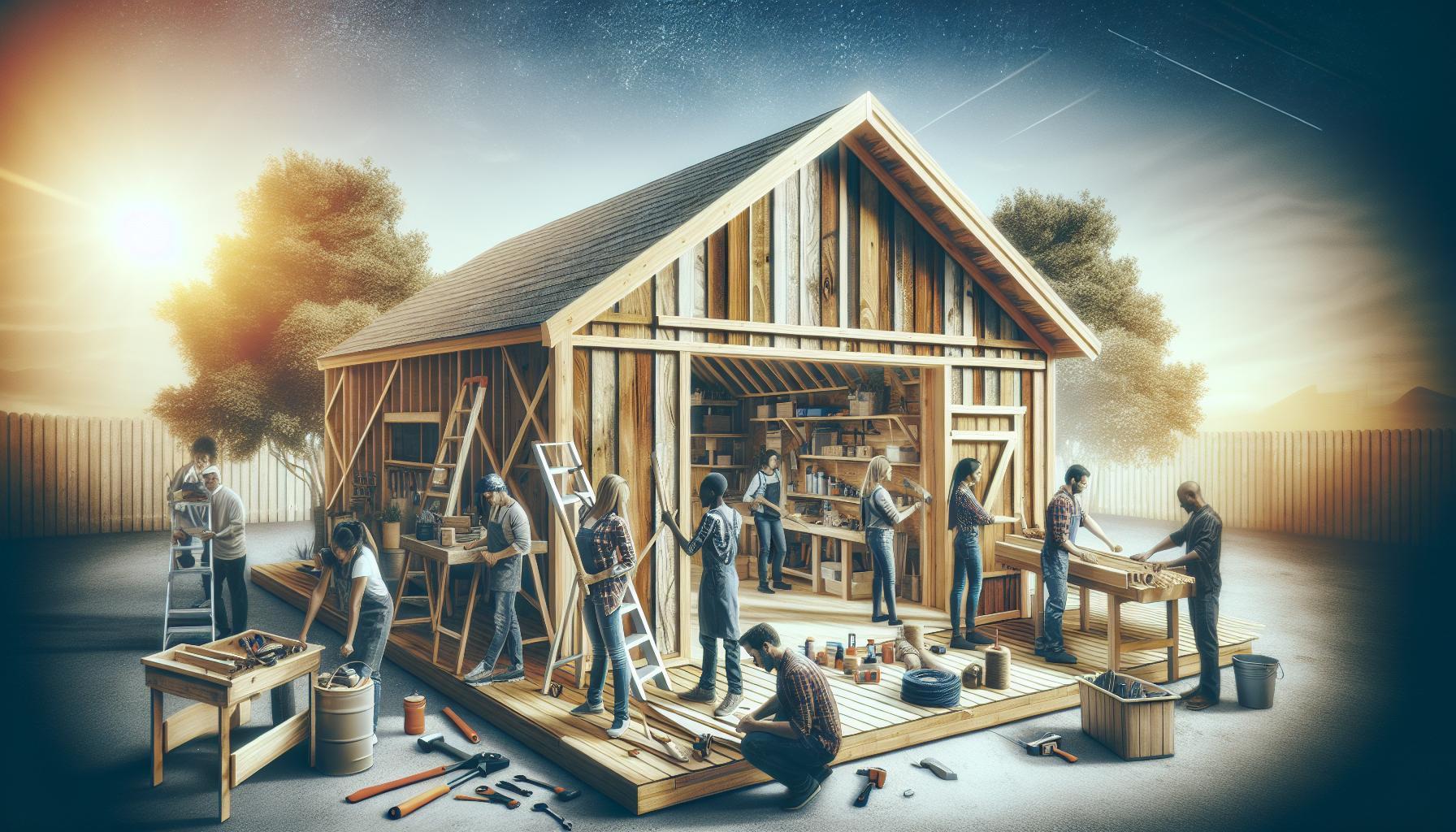
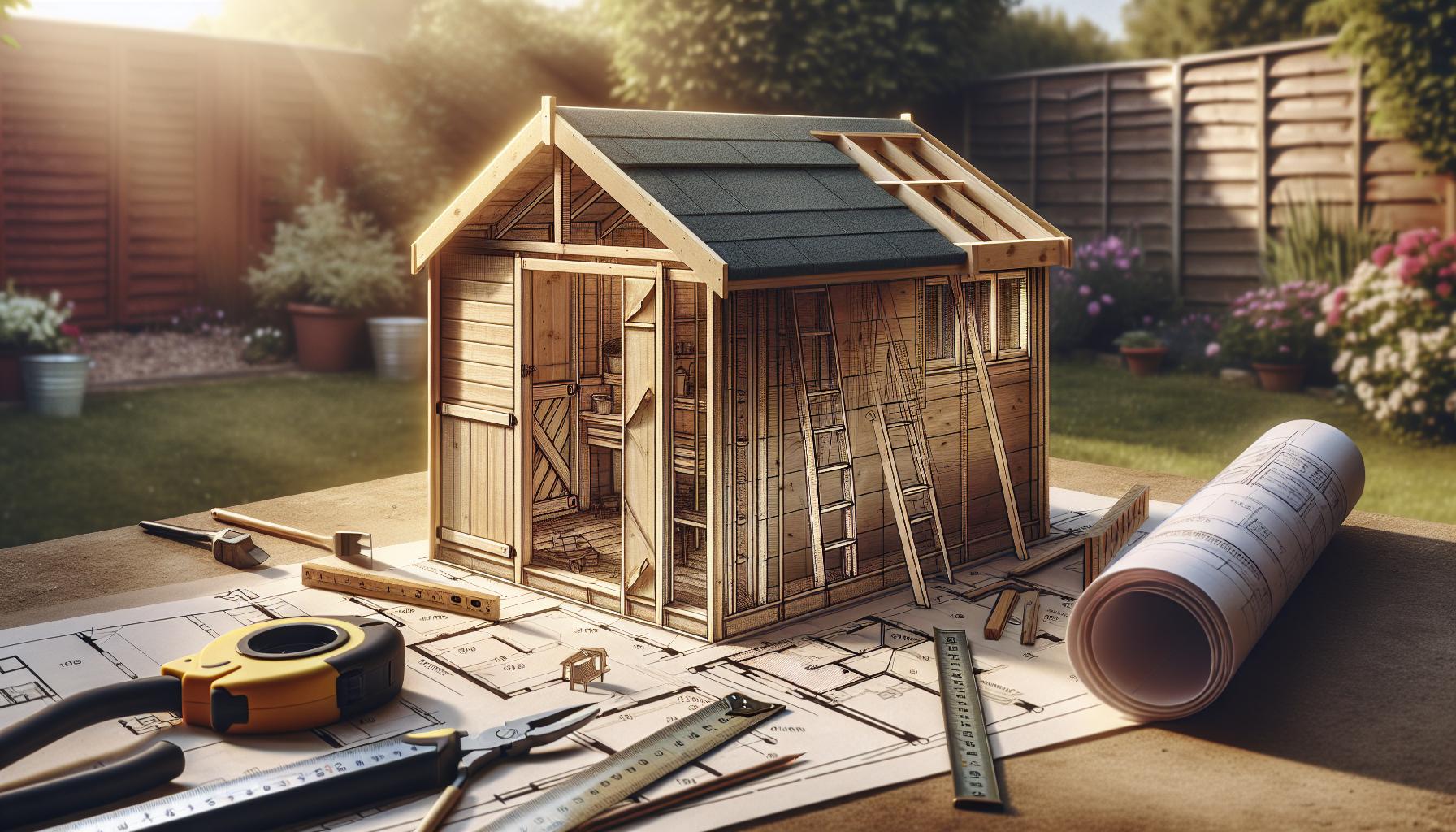
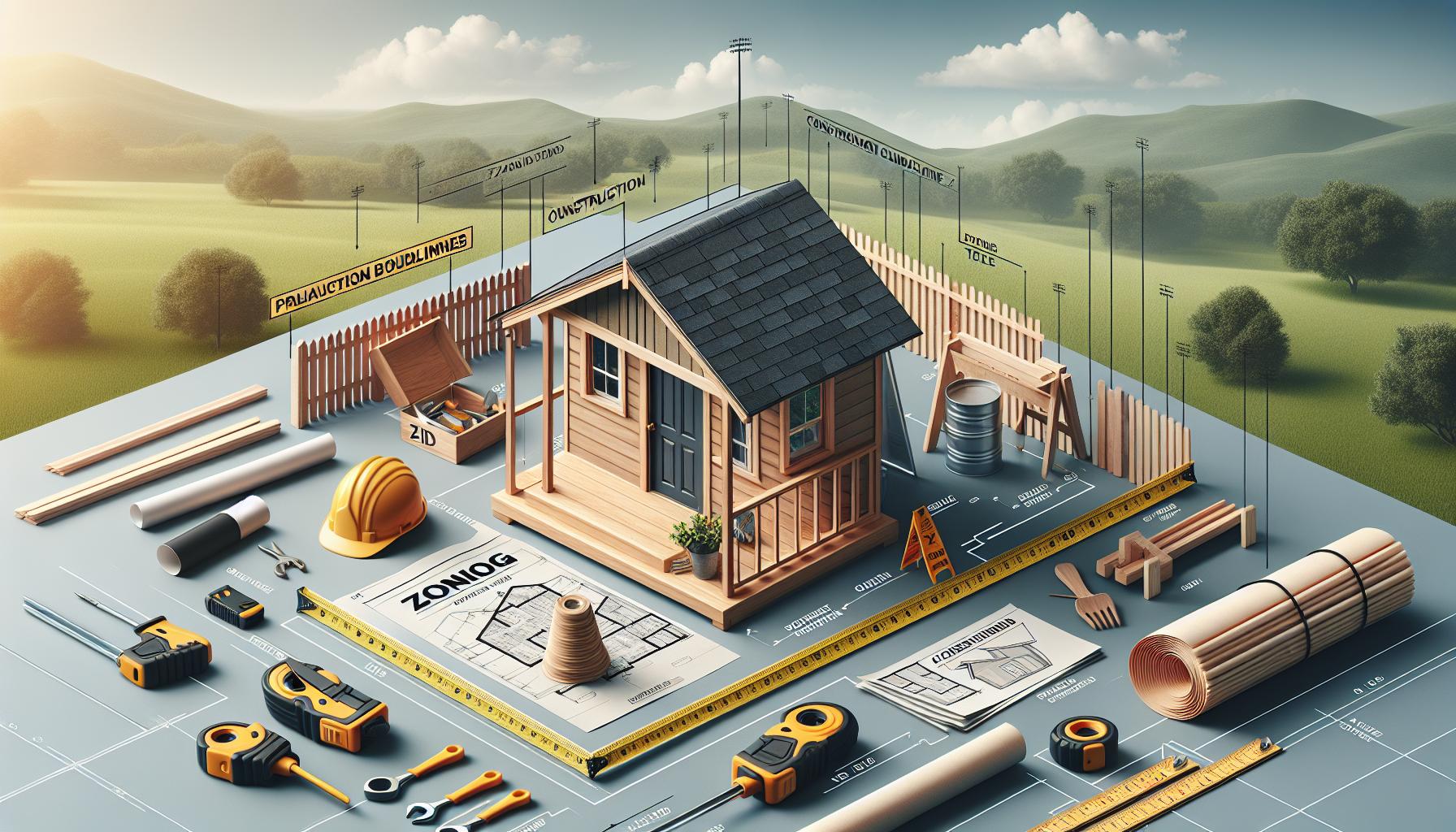
Building a shed can enhance your property, but understanding whether you need a permit can be confusing. Regulations often depend on size and local laws, making it crucial for homeowners to navigate these requirements. Discover why securing a building permit is essential and how size regulations can impact your project, ensuring compliance and peace of mind.
Understanding Local Building Codes for Shed Construction
Understanding local building codes is crucial for anyone considering a shed construction project. Not only do these regulations ensure safety, but they also dictate the legal framework within which your shed must be built. Ignoring these codes can lead to fines, mandatory alterations, or even demolition of your structure.Each locality has its own set of rules that clarify what size and type of structure requires a permit, making it vital to consult your local building department before commencing any work.
Key Considerations for Shed Construction
When evaluating whether a building permit is necessary for your shed, consider the following factors:
- Size Regulations: Many jurisdictions have specific limits on the size of structures that can be built without a permit. Common thresholds range from 100 to 200 square feet.
- Location: The placement of your shed can impact local zoning laws. Structures built too close to property lines may require permits or might even violate set-back regulations.
- Intended Use: If you plan to use your shed as a workspace or for storage of hazardous materials, stricter codes may apply, necessitating a permit.
- Building Codes: Beyond permits, local building codes dictate materials, construction methods, and safety features to ensure structural integrity.
Steps to Ensure Compliance
To navigate the building code landscape effectively, follow these actionable steps:
- Research Local Codes: Start by visiting your local government’s building or planning department website. Many municipalities provide access to their building codes online.
- Consult an Expert: if you’re unsure about specific regulations or the permitting process, consider hiring a licensed contractor or architect who specializes in local building codes.
- Submit Required Plans: If your shed exceeds the exempt size or if modifications are necessary, prepare your construction plans and submit them along with your permit request.
- schedule Inspections: Once your permit is approved and construction begins, ensure that you schedule any required inspections as outlined by your local code.
| Factor | Permit Required? | Notes |
|---|---|---|
| Size (under 100 sq ft) | No | Check local regulations to confirm exemption. |
| Size (100-200 sq ft) | Yes | A permit is usually required. |
| Size (over 200 sq ft) | Yes | Typically requires detailed plans and inspections. |
| Use as recreational space | Yes | Diffrent rules may apply. |
By understanding local building codes and navigating them effectively, you can ensure your shed project proceeds smoothly, aligning with all regulations under ‘Do I Need a Building Permit for a Shed? Size Regulations explained.’ Proper planning and adherence to local requirements will not only facilitate a triumphant construction process but also enhance the longevity and safety of your new structure.
Common Size Limits: What’s Permitted Without a Permit?
Understanding what you can build without a permit is crucial for any homeowner looking to expand their outdoor space. Many regions allow specific structures, such as sheds, to be erected without the hassle of a building permit, provided they stay within certain size and height limits. Familiarizing yourself with these common size limits can save you time, money, and potential legal headaches.
General Size Guidelines
Different municipalities have varying regulations regarding the size of outdoor structures, so it’s essential to check local codes. though, here are some common thresholds that many areas adhere to:
- Shed Size: in numerous localities, sheds under 100 square feet are typically exempt from permit requirements.
- Height Restrictions: A structure may be permissible without a permit if it stands under 10-12 feet tall.
- setback Requirements: Most areas require that structures maintain a certain distance from property lines, frequently enough around 5-10 feet.
Understanding these dimensions can significantly streamline the shed construction process, allowing homeowners to focus on their projects rather than navigating red tape.
Local Ordinances and Variations
While the general rules can serve as a guideline, local ordinances play a critical role.For example, some urban areas might have stricter compliance regulations due to zoning laws, whereas rural settings could be more lenient. For clarity, always refer to your city or county’s building department.
To illustrate, here’s a simplified table showing how size limits might vary:
| Location Type | size Limit (sq ft) | Height Limit (ft) | Setback Requirement (ft) |
|---|---|---|---|
| Urban | 50-100 | 10 | 5-7 |
| Suburban | 100-120 | 12 | 5-10 |
| Rural | 120+ | 12+ | 10 |
By adhering to these parameters, you may successfully construct a shed without the added burden of obtaining a permit—allowing you to enjoy your new outdoor space sooner. Remember, always verify your local regulations before breaking ground to ensure a smooth building experience.
Factors That Influence Permit Requirements: From Location to Design
Understanding the nuances of building permits can feel like navigating a maze, especially when considering the construction of a shed. Various factors come into play that can affect whether you need a permit,and these typically revolve around the shed’s location and design. Knowing these elements can save you time, money, and effort, helping you build with confidence.
Location Considerations
The first major factor influencing permit requirements is the location of your shed. Local zoning laws, which vary from one municipality to another, frequently enough dictate what structures you can build on your property. Here are key locational aspects to consider:
- Setback Regulations: Many areas require that sheds are constructed a certain distance from property lines. Violating these rules can lead to fines or the need to relocate your structure.
- Flood Zone Provisions: depending on the geography of your area, if you live in a flood-prone zone, specific building codes may apply to minimize flood risk.
- Homeowners Association (HOA) Rules: If you reside in a community governed by an HOA, their guidelines can have strict stipulations regarding construction and aesthetic conformity that could require a permit.
Design Elements
The design of your shed is another crucial component that could determine permit necessity. Various structural aspects may trigger different regulatory requirements:
- Size: Most jurisdictions have a threshold size above which a building permit is mandatory. As an example,a shed larger than 100 square feet might require a permit,while a smaller one may not.
- Type of Foundation: Sheds built on permanent foundations are frequently enough subject to stricter codes than those on skids or temporary bases.
- Utilization: If you’re planning to use your shed not just for storage, but as a workspace or a guesthouse, permit requirements typically become more complex.
| Factor | Example Implication |
|---|---|
| Setback Requirements | Must be 5 feet from the property line. |
| Size Limitations | Permits needed for sheds over 120 square feet. |
| Foundation Type | permanent structures require engineering plans. |
| Purpose of Use | Using shed as an office may require additional permits. |
Awareness of how your shed’s location and design will influence whether you need a building permit can facilitate a smoother process. By doing your research and possibly consulting with local authorities, you can address any necessary permits before jumping into construction, ensuring compliance and avoiding unexpected setbacks.
How to Navigate the Permit Application Process with Ease
Obtaining the right permissions can frequently enough feel like navigating a maze, especially when it comes to construction projects like sheds.many homeowners find themselves asking whether a building permit is necessary for their shed installation and what size regulations are in play. Understanding the nuances of the permit application process can save you time, reduce stress, and help you make informed decisions before you begin your project.This guide will illuminate the steps to streamline your path to compliance and facilitate a smoother building experience.
Understanding Size Regulations
Before embarking on your shed project, it’s essential to grasp the local regulations governing construction requirements. Permit requirements often differ based on the shed’s size,location,and purpose. A common rule of thumb is that smaller structures under a certain square footage may not require a building permit. Though, regulations can vary significantly by municipality. To ensure compliance, consult your local building department or official zoning board. They can provide a clear understanding of the size thresholds that dictate whether a permit is necessary.
- Check local zoning laws: Research the specific regulations in your area regarding shed sizes and types.
- Consider the location: Proximity to property lines and other structures may affect permit requirements.
- Document everything: Keep a detailed record of your shed plans,including dimensions and intended use.
Step-by-Step Application Process
once you’ve clarified the size regulations, you can begin the permit application process. Here’s a streamlined approach to help you navigate through:
| Step | Description |
|---|---|
| 1. Gather Information | Collect all necessary documents, including property surveys and design plans. |
| 2. Fill Out the Application | Complete the building permit application accurately, providing all required details about the shed. |
| 3. Submit the Application | Submit your application along with any required fees to your local building authority. |
| 4. Await Approval | Be patient as your application is reviewed. Follow up if you don’t hear back within the typical processing times. |
| 5. start Building | Once approved, you can proceed with your shed construction while adhering to the approved plans. |
By being proactive and understanding the requirements for constructing a shed, you can avoid common pitfalls in the permit application process. whether or not you need a building permit largely depends on local laws and the specifics of your project. engaging with your local authorities early and often will ensure that your shed is built on solid ground—both literally and figuratively.
The Importance of Compliance: Avoiding Fines and Future Headaches
Understanding the nuances of building permits is critical for anyone contemplating a construction project, especially something as seemingly straightforward as a shed. Non-compliance with local regulations can lead to unforeseen consequences that go beyond mere inconvenience.In fact, the repercussions of skipping the permit process can snowball into significant fines and long-term complications that affect not just your current project, but potentially future ones as well.
Legal Implications
When you ask yourself,”Do I Need a Building Permit for a Shed? Size Regulations Explained,” it’s essential to recognize that every local jurisdiction has specific rules regarding construction. Operating without a proper permit can result in legal ramifications. Local authorities may impose fines that can range from hundreds to thousands of dollars. Moreover, failing to comply with regulations could mean mandatory removal of your shed or other corrective actions, leading to both financial loss and significant frustration.
- Fines for Non-compliance: many municipalities enforce substantial fines for building without a permit. These fines can accumulate over time, increasing the overall cost of your project more than if you had simply applied for a permit from the start.
- Legal Actions: In severe cases, building violations can lead to lawsuits or even criminal charges, especially if the construction poses safety risks.
- Forced Removals: Authorities may require you to dismantle non-compliant structures, resulting in wasted time, effort, and additional costs.
Impact on Future Projects
not only can ignoring permit requirements complicate your immediate plans, but it can also affect future projects. If you are found in violation, this could lead to a tarnished relationship with local building officials, making it more challenging to secure permits for future endeavors. Some may even face systemic hurdles that require more extensive inspections or additional paperwork, compounding delays and frustrations with any additional projects down the line.
An optimal approach is to take the time to research your local regulations before embarking on a shed construction project. Consult with local building departments or use reputable online resources to clarify whether you need a permit based on your shed’s size and intended use. Taking these preliminary steps can save a world of trouble and ensure your shed becomes a valuable asset rather than a source of legal headaches. Investing a little effort now will significantly pay off in peace of mind and compliance with local laws, allowing you to enjoy your new structure without the looming threat of fines.
Tips for DIY Shed Builders: Ensuring Your Project Meets Regulations
When planning to build a shed, many homeowners are frequently enough caught off guard by the complex maze of building regulations that govern their projects. Knowing whether you need a building permit and understanding size regulations can mean the difference between a successful DIY endeavor and potential legal troubles. With the right readiness and knowledge, you can navigate these regulations with confidence.
Understand Local Regulations
Before you pick up your tools, it’s crucial to research local zoning laws and building codes. Each municipality may have different requirements regarding shed size, height, placement, and even the materials used. Some areas allow small sheds to be built without a permit,while others impose stringent rules regardless of size. Start by visiting your local government’s website or contacting the zoning office to gather vital information. Be sure to take notes on:
- Permit requirements and fees
- Setback regulations—how far from property lines your shed must be
- Size limits based on zoned districts
Consider additional factors like homeowners’ association (HOA) guidelines, which may impose stricter restrictions than municipal codes. This step ensures that you won’t face fines or have to dismantle your work after hours of effort.
Size Regulations and Compliance
Understanding how size regulations apply to your shed is imperative, as non-compliance can lead to both penalties and the need to modify your structure. Typically, size regulations are persistent by the square footage of the shed and its height. Here’s a simplified breakdown:
| Size Category | Permit Needed? | typical Maximum Size |
|---|---|---|
| Small Sheds | No | Up to 100 sq ft |
| Medium sheds | Yes | 101 – 200 sq ft |
| Large Sheds | Yes | Over 200 sq ft |
In many instances, keeping your structure under the small shed category can save you from a lengthy permit application. If your design exceeds these dimensions, be prepared to submit plans that demonstrate compliance with local building codes.
Document Everything
One frequently enough overlooked aspect of shed building is the importance of thorough documentation. Keeping a record of your research and any correspondence with local officials can come in handy, particularly if disputes arise. Consider these suggestions for maintaining thorough records:
- Document all communications with your local building department, including emails and phone calls.
- Keep copies of any applications or permits obtained.
- Take progress photos of the construction process and finished shed for future reference.
This documentation can serve as a valuable asset, proving that you’ve been diligent and compliant should anyone question the legality or legitimacy of your structure.
By taking the time to thoroughly investigate regulations and maintaining careful records, you can move forward with your shed project assured that you’ve adhered to the necessary legal requirements. Investing a little time upfront will ensure you enjoy your new outdoor space without the looming worry of code violations.
When to Consult a Professional: Getting Expert Guidance
Understanding the complex landscape of building permits can be a daunting task for anyone looking to construct a shed.Engaging with a professional can not only streamline the process but also save you from potential legal headaches down the line. experts in the field, whether they be architects, builders, or permit specialists, bring invaluable insights into local regulations, zoning laws, and the nuances of permit applications. If you’re pondering,”Do I need a building permit for a shed? Size regulations explained”,consulting a professional can clarify many of these uncertainties.
When to Seek Professional Help
In many instances, the decision to consult a professional hinges on various factors including the size and use of the shed. For instance, if your shed exceeds local size restrictions—typically around 120 square feet without a permit in many jurisdictions—it’s crucial to engage an expert who understands the specific dimensions and regulations governing your area. They’ll ensure your plans adhere to local building codes, which can vary significantly from one location to another.
Key Considerations
In considering whether to seek expert guidance, keep the following in mind:
- Complex Design Elements: If your shed features intricate designs or will be used for purposes beyond typical storage (like a workshop or a home office), professional input can ensure compliance with more complex regulations.
- Zoning Regulations: Local zoning laws may restrict where you can place your shed, so consulting with a professional can help you navigate these regulations effectively.
- Foundation and Structural Integrity: An expert can guide the design and construction of a proper foundation, particularly if your area experiences severe weather conditions.
- Permitting challenges: If you anticipate challenges with the permit application process, having a professional who understands the nuances can save you time and frustration.
Taking these considerations into account can significantly impact your shed project’s trajectory. Ultimately, working with a professional not only fosters compliance with “Do I need a building permit for a shed?” inquiries but also enhances your project’s overall quality and safety.
Exploring Alternatives: Portable Sheds and Their Permit Implications
Portable sheds are becoming increasingly popular as flexible storage solutions for homeowners, providing an easy choice to customary structures. With their modular nature, these units can often be relocated and reconfigured without the extensive commitments of assembling a permanent shed. However, this convenience raises a critical question: do these portable structures require building permits? The answer is nuanced and varies significantly based on local regulations and the specifics of the shed itself.
Understanding Permit Requirements
When considering a portable shed,it’s essential to recognize that local building codes and regulations dictate whether a permit is necessary. In many cases, smaller portable sheds—typically under a certain size threshold, such as 100 square feet—may not require a building permit. However, exceeding that size or establishing a structure that could be classified as permanent may trigger different requirements. These local regulations are designed not only to ensure safety but also to preserve aesthetic standards within communities.
To determine whether a permit is required for your specific portable shed, follow these actionable steps:
- Check your locality’s zoning laws and regulations regarding shed sizes.
- Consult with your local building department to clarify permit requirements.
- consider the intended use—structures used for commercial purposes may have different regulations.
Assessing the Benefits of Portable Sheds
One significant advantage of portable sheds is their versatility,as they can serve a variety of purposes—storage,hobby workshops,or even small office spaces. Depending on the manufacturer, options can include customizable features like enhanced ventilation, flooring types, and size adjustments.For example, brands like Graceland Portable Buildings offer high-quality portable buildings that can be tailored to your specific needs, ensuring both functionality and style [[1]].
Additionally, unlike traditional sheds, if a portable shed ever needs to be moved to comply with new zoning laws or personal preferences, it can be done with relative ease.Many homeowners find this versatility a compelling reason to opt for portable solutions over more permanent fixtures.
Potential Drawbacks and considerations
Despite the benefits, there are disadvantages to consider with portable sheds. They might not offer the same level of security against natural elements or pests as a well-constructed permanent shed. Additionally, while portable structures typically evade complex permit processes, ignoring local regulations could lead to fines or the need to dismantle your shed. Thus,thorough research before installation is crucial to avoid future complications.
Ultimately, the decision regarding portable sheds frequently enough balances convenience and compliance. by understanding the specific regulations outlined in “Do I Need a Building Permit for a Shed? Size Regulations Explained,” you can make an informed choice that fits your needs while adhering to legal constraints.
Q&A
Do I Need a Building Permit for a Shed?
Yes, in many cases, you do need a building permit for a shed. This depends on local building codes, the size of the shed, and its intended use.Always check with your local zoning office to ensure compliance.
Building permits are essential for structures that exceed certain dimensions, typically over 100-200 square feet, depending on your area. If your shed is large or will be wired for electricity, a permit may be mandatory. It’s crucial to understand the specific size regulations that apply in your location.
For more guidance on this topic, visit the building permits guide for detailed information.
What are the size regulations for sheds in my area?
Size regulations for sheds vary by location. typically, sheds under a specified size, such as 100 square feet, may not require a permit, but larger sheds usually do. Contact your local building department to get precise measurements and regulations.
Many areas use size limits to determine if a building permit is necessary. For instance, if your shed exceeds the local limit and it’s built without a permit, you could face fines or even have to remove it.It’s essential to verify the rules that apply in your particular neighborhood.
Why does the size of my shed matter for permit requirements?
The size of your shed impacts permit requirements as it relates to safety and zoning regulations. Larger structures can affect property values and neighborhood aesthetics, prompting stricter regulations.
Permits help ensure that buildings adhere to safety codes and zoning laws. If you’re considering a shed for storage or a workshop, knowing the right size limitations can save you time, effort, and costs associated with unexpected legal issues.
Can I build a shed without a permit if it’s small?
In many cases, you can build a small shed without a permit. However, this depends on your local laws and the shed’s size. Always confirm with your local authorities to avoid complications later.
For instance,in some areas,sheds under a specific square footage may not require a permit.It’s still wise to check zoning regulations to ensure compliance and confirm that your project won’t lead to disputes with neighbors.
what happens if I build a shed without the required permit?
If you build a shed without the necessary permit, you may face fines or be required to remove the structure. Local authorities might classify it as an illegal structure.
Not only can this lead to financial penalties, but you may also be denied insurance coverage. It’s crucial to follow local regulations to protect yourself from potential legal issues and ensure your shed meets safety standards.
How can I find out the permit requirements for my shed?
You can find permit requirements by contacting your local building department. They can provide details on size regulations and necessary documents needed to apply for a permit.
Additionally, many municipalities offer information on their websites, outlining the specific stipulations for sheds, including size restrictions and electrical requirements.Visiting your town’s planning office is also advisable to get updated and accurate information.
Are there exemptions to building permit requirements for sheds?
Yes, some areas may have exemptions for smaller sheds. Check local regulations, as regulations can vary on each jurisdiction, and specific conditions may apply.
Common exemptions are often focused on temporary structures or those built for agricultural use. Understanding these exceptions can provide flexibility in your shed planning while ensuring you remain compliant with local building codes.
Insights and Conclusions
understanding whether you need a building permit for your shed is essential for ensuring a smooth construction process.By considering key factors such as size regulations, local codes, and the purpose of your shed, you can make informed decisions that align with your project’s goals. remember, embarking on this journey of building your own shed not only enhances your outdoor space but also offers a rewarding DIY experience. Don’t hesitate to reach out to local authorities for guidance and check your specific zoning laws to avoid any pitfalls. The right preparation will empower you to tackle this project with confidence, knowing you’re on the right side of the regulations. So roll up your sleeves, gather those tools, and let your creativity flow. Explore further, share your experiences, and let’s build something great together!