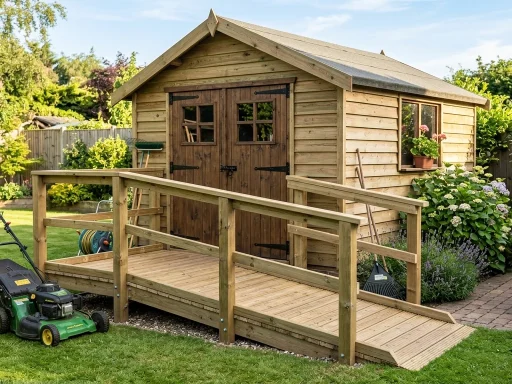
Struggling to move heavy equipment in adn out of your shed can be a major roadblock for any DIY enthusiast or professional. Building a sturdy ramp not only provides easier access but also enhances safety and efficiency. Dive into this guide to discover step-by-step solutions for creating the perfect shed ramp tailored to your needs.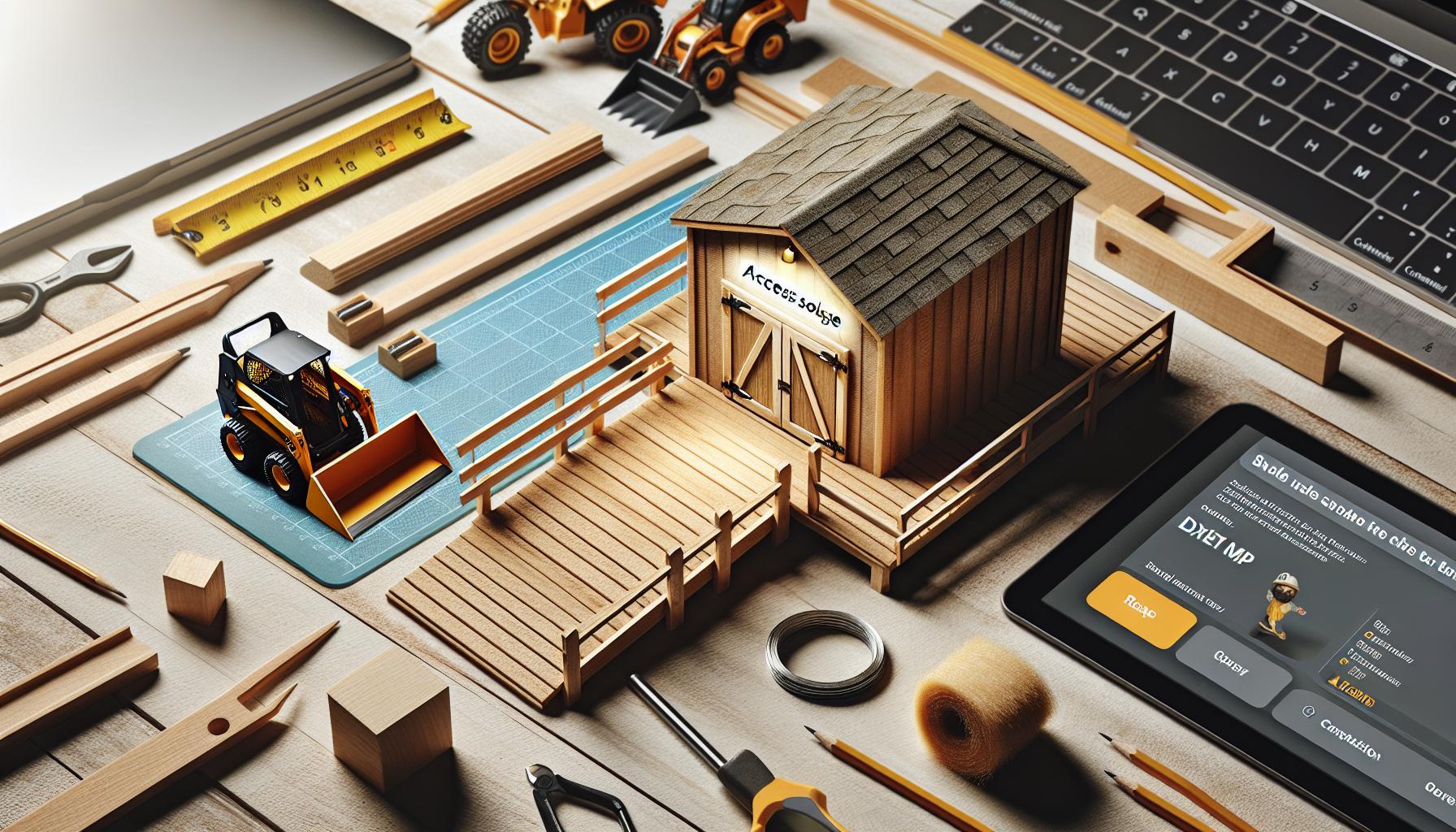
Understanding the Importance of a Well-Built Shed Ramp for Heavy Equipment
A well-constructed ramp is ofen the unsung hero of shed accessibility, especially when it comes to managing heavy equipment. Without a solid ramp, the task of moving large machinery such as lawnmowers, ATVs, or even bikes can quickly become a perilous chore. The importance of building a reliable ramp cannot be overstated, as it not only facilitates easy access but also enhances safety and efficiency when dealing with heavy loads.
When embarking on the journey of constructing a shed ramp,several factors must be considered. The ramp’s slope, material strength, and surface texture all play crucial roles in its functionality. As an example, a gentle incline — ideally no steeper than a 1:12 ratio — makes it easier to navigate heavy equipment while minimizing the risk of accidents. Moreover, using materials like treated wood or aluminum ensures durability and resilience against the elements, elevating both the longevity and safety of the ramp.
In addition, the surface of the ramp should provide adequate traction, especially under wet or muddy conditions. Anti-slip treatments or materials with a textured surface can considerably reduce the risk of slips and falls. this consideration is vital not only for protecting the operator but also for preventing potential damage to the equipment being moved. Investing in a high-quality ramp design can, therefore, pay off by safeguarding both personnel and machinery.
Ultimately, understanding the basic principles of ramp construction is key to achieving a successful project. Whether you are looking to build a ramp from scratch or contemplating the purchase of a pre-made solution, having clear access solutions is imperative for effective equipment management. By following best practices outlined in guides such as “How to Build a Shed Ramp: Access Solutions for Heavy Equipment,” you will set the stage for a safer and more convenient storage experience.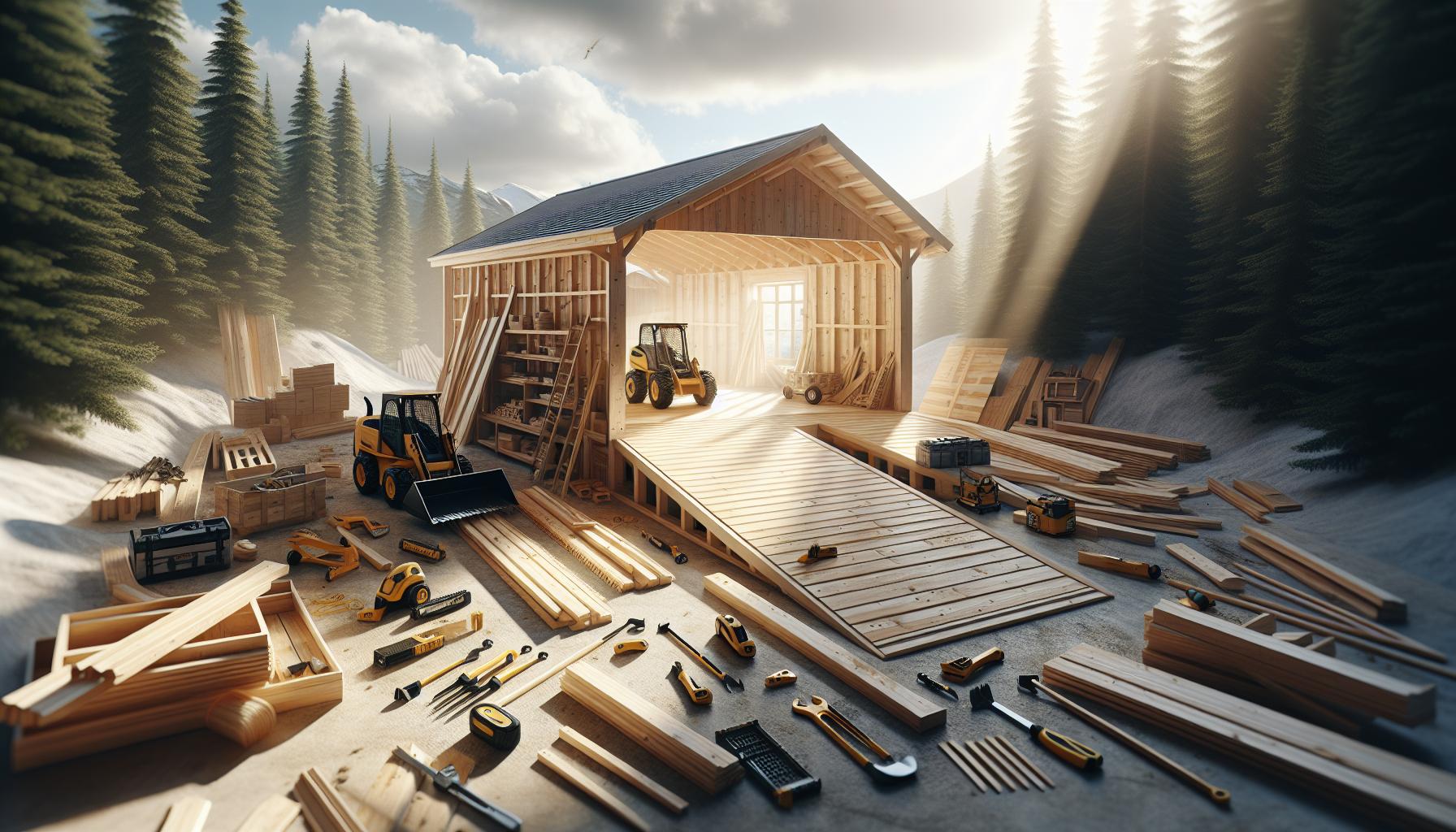
Choosing the Right Materials: Options for Durability and Strength
When constructing a ramp for a shed, particularly one intended for heavy equipment, the choice of materials can make or break the durability and functionality of your project. Opting for materials that not only support the weight and movement of large machinery but also withstand the elements is crucial for long-term success.The right material selection can prevent costly repairs and provide peace of mind, knowing your equipment can be moved easily and safely.
Common Materials for Shed Ramps
Several materials are popular among DIY enthusiasts and professionals alike when building a ramp. Here are some of the most common options,each with unique benefits and considerations:
- Wood: A traditional choice,wood is readily available and can be easily worked with standard tools. Pressure-treated lumber is particularly popular due to its resistance to rot and insects.
- Concrete: For ramps needing to bear significant weight, concrete offers unparalleled strength and durability. It’s non-slip and weather resistant, but it requires careful installation and curing time.
- Steel: metal ramps are incredibly sturdy and can support very heavy loads. They’re resistant to weather and wear, making them ideal for permanent installations, although they might be more expensive than wood or concrete.
- Aluminum: Lightweight and rust-resistant, aluminum ramps are quite portable and easy to install.They are perfect for temporary solutions, yet they can still handle considerable weights.
Considerations for Material Selection
When selecting materials, it’s vital to consider the following factors:
| Factor | Wood | Concrete | Steel | Aluminum |
|---|---|---|---|---|
| Weight Capacity | Moderate | High | Very High | High |
| Cost | Low | Medium | High | Medium |
| Durability | medium | High | Very High | High |
| Weather Resistance | Varies | Excellent | Excellent | Excellent |
| Ease of Installation | Easy | requires skill | Requires Skill | Easy |
In addition to the above considerations, the anticipated usage of the ramp plays a significant role in the decision-making process. If the ramp will be used frequently or must endure the weight of heavy machinery, investing in stronger materials like concrete or steel may be worthwhile. Conversely, if the ramp is only occasionally used for lighter loads, pressure-treated wood or aluminum might suffice. Ultimately, the right combination of strength, durability, and cost-effectiveness will ensure a successful shed ramp that meets your heavy equipment access needs.
Step-by-Step Guide to Designing Your Shed ramp
Designing a shed ramp is about more than just creating a pathway—it’s an essential structure for ensuring that your heavy equipment can be safely and efficiently accessed. Whether you’re loading lawnmowers, ATVs, or larger machinery, the right design will enhance functionality and prevent accidents. With the right measurements and materials, your ramp can serve as a reliable solution for all your access needs.
Understanding the Load Requirements
Before diving into the design, it’s imperative to understand the weight and type of equipment you will be using. Heavy equipment might require a ramp with specific weight capacities and dimensions. Conducting a simple assessment can definitely help determine the features your ramp should have. Here’s a quick checklist:
- Identify Equipment Weight: Know the heaviest item you will be loading.
- Calculate Incline: A gentle slope is safer and easier to navigate—generally, a 2:1 slope (two feet in length for every foot of height) is ideal.
- Determine Width: The ramp should be wide enough for your equipment while allowing for a small margin of error—consider a width of at least 4 feet.
Selecting Your Materials
The choice of materials is crucial for the durability and functionality of your shed ramp. Options include wood, concrete, and metal, each with its own pros and cons. Below is a comparison table highlighting the key attributes of each material:
| Material | Pros | Cons |
|---|---|---|
| wood | Cost-effective, easy to work with, aesthetically pleasing | May rot if untreated, requires maintenance |
| Concrete | Highly durable, requires minimal upkeep | Labor-intensive to install, heavier than other options |
| Metal | Strong and long-lasting, resistant to pests and rot | Can be slippery, may require specific tools for installation |
Construction Process
Building the ramp involves several steps that require attention to detail for optimal safety and functionality:
- Prepare the Site: Level the ground where the ramp will sit to prevent tipping or uneven loading.
- Cut the Frame: If using wood, cut your lumber to the desired lengths based on your measurements.
- Assemble the Ramp: Use screws or bolts for sturdy connections, ensuring everything is square and level.
- Add Traction: For safety, particularly with wet conditions, consider adding texture—this could be in the form of grip tape or textured paint.
by following these steps with precision, you will create a functional ramp that meets your needs while standing the test of time. Understanding how to build a shed ramp isn’t just a matter of practical construction; it’s about ensuring safe access for all your heavy equipment responsibilities.
Essential Tools and Techniques for Building a Sturdy Ramp
When tackling the project of creating a ramp tailored for heavy equipment access, it’s essential to consider the right tools and techniques that will ensure durability and safety. A securely built ramp not only facilitates easy transport of machinery in and out of your shed but also minimizes the risk of accidents during use. Below are various tools and techniques that are crucial to successfully constructing a robust ramp that can bear significant weight.
Key Tools Needed
Having the right tools at your disposal can make or break your ramp-building project. Here’s a helpful list of essential tools you’ll need:
- Measuring Tape: For precise measurements of the ramp and shed entry point.
- Level: Ensures your ramp is even and balanced, critical for load stability.
- Circular saw: For cutting lumber to appropriate lengths with clean edges.
- Screwdriver or Drill: necessary for assembling the ramp structure using screws rather than nails for better stability.
- Safety Gear: Include gloves, goggles, and ear protection to ensure your safety while working.
Effective Construction Techniques
Understanding the techniques required to build a solid ramp is just as significant as having the right tools. Here are some practical steps to consider:
- Choose the Right Materials: Selecting high-quality, weather-resistant lumber such as pressure-treated wood or composite materials will improve the longevity of your ramp. For heavy-duty applications, consider using 2×6 or 2×8 boards that provide necessary strength.
- Determine the Right Slope: A gradual slope is vital to maintain safety and usability.Aim for a 1:12 ratio (one inch of rise for every 12 inches of length) to ensure a manageable incline for heavier equipment.
- Build a Sturdy Frame: Construct a robust frame using the selected lumber that can support the weight of heavy machinery. Use wood screws or bolts to secure each joint firmly.
Ramp Surface Considerations
To enhance the grip and reduce the risk of slipping, consider surfacing the ramp with materials that provide traction.
- Roughened Wood: Leaving the wood surface rough can help increase grip.
- Non-slip Treatments: Applying anti-slip strips or coatings to the surface further enhances safety during wet or snowy conditions.
- Rubber Matting: Adding rubber mats can also provide extra traction while protecting the wood from wear and tear.
By aligning your tools and techniques effectively, you’ll be well on your way to mastering the art of building a functional and sturdy ramp for your shed, ultimately providing the necessary access solutions for your heavy equipment without compromising safety.
Safety First: Key Considerations When Working with Heavy Equipment
Working with heavy equipment presents unique challenges, but understanding and implementing safety measures can significantly reduce risks and ensure smooth operations. When considering how to build a shed ramp for heavy equipment, safety should be at the forefront of your planning process. A well-constructed ramp doesn’t just facilitate efficient access; it also plays a crucial role in protecting operators, equipment, and the surrounding area from potential hazards.
Assess Your Environment
Your worksite’s layout can greatly influence safety when maneuvering heavy machinery. Look for:
- Stable Ground: Ensure the ramp will be built on solid terrain that can support both the weight of the equipment and the ramp’s structure.
- Clear Pathways: before moving heavy equipment, check for any obstacles that could impede movement, including loose debris, sharp inclines, or uneven ground.
- Weather Conditions: Wet or icy surfaces can increase the risk of equipment skidding.Always inspect the ramp and surrounding areas before operation.
Choose the Right Materials
Selecting the proper materials for your shed ramp is vital for both durability and safety. Consider the following components:
| Material | Advantages | Considerations |
|---|---|---|
| Wood | Affordable, easy to work with | May degrade over time; requires regular maintenance |
| Steel | Strong and durable | Can be expensive; may rust without proper coating |
| Aluminum | Lightweight and resistant to corrosion | Can be less sturdy for very heavy equipment |
Each material brings its own strengths and weaknesses, and understanding the nature of the heavy equipment you will be using can help guide your choice.
Implement Proper Training and Protocols
Even with the best ramp design,safety hinges on the operators’ skills and knowledge. Make sure to:
- Train Personnel: Regularly conduct safety training sessions for all operators to keep their skills sharp and knowledge up to date.
- Establish protocols: Develop clear protocols for loading and unloading equipment to minimize potential hazards.
- Conduct Safety Inspections: Schedule frequent inspections of both the ramp and heavy equipment to catch any issues before they lead to accidents.
Thru careful consideration of site conditions,material selection,and operator training,you can create a safer environment when utilizing heavy equipment,particularly in relation to your shed ramp construction. This proactive approach not only safeguards personnel but also ensures the longevity and efficiency of your heavy machinery operations.
Common mistakes to Avoid When Constructing Your Shed Ramp
When it comes to constructing a ramp for your shed, there are several pitfalls that can turn this seemingly straightforward project into a source of frustration. One common mistake is neglecting to factor in the weight and size of the equipment that will frequently use the ramp. A ramp that’s too steep or too narrow can lead to accidents and damage, undermining the purpose it serves. Proper planning and execution are key to creating an effective and safe shed ramp that can accommodate heavy loads.
Dimensions and Specifications
Before you even pick up a tool, make sure to accurately measure the height of your shed’s entry point. A common error is miscalculating the rise, which is critical for determining the ramp’s length and slope. Remember the general guideline: a slope ratio of 12:1, meaning that for every inch of rise, you should have at least 12 inches of ramp run. Using inadequate dimensions can weaken the structure and create an unsafe incline. Here’s a quick reference table to help you visualize the correct ramp dimensions based on rise:
| Rise (Inches) | Recommended Ramp Length (Inches) |
|---|---|
| 1 | 12 |
| 2 | 24 |
| 3 | 36 |
| 4 | 48 |
Materials and Construction Techniques
Another common oversight is the choice of materials. Using insufficiently robust materials can jeopardize the ramp’s integrity. Always select treated wood or metal that can withstand the weight and environmental conditions. For instance, non-slip surfaces are crucial for safety, especially in wet or muddy conditions; neglecting these can lead to hazardous slips, especially when moving heavy equipment.
Furthermore, ensuring adequate support is vital. Many DIY enthusiasts underestimate the importance of cross-bracing and appropriate load-bearing capacity, leading to sagging or unstable ramps. Adding additional supports or a sturdy framework can prevent these issues.don’t rush the construction; take your time to ensure every joint is solid and every piece is aligned correctly.
Maintenance tips to Extend the Life of Your Ramp
Building a robust ramp for your shed can significantly enhance access for heavy equipment, but maintaining that ramp is crucial to ensure it stands the test of time and heavy use. Regular upkeep not only prolongs the life of the structure but also guarantees safe and smooth operations whenever you need to load or unload equipment. Here are some practical maintenance tips to consider:
Regular Inspection
Routine checks are essential to identify potential issues before they become significant problems. Look for signs of wear and tear, such as:
- Creaking sounds: This could indicate loose or damaged boards.
- Rotting wood: Especially important if your ramp is wooden; replace any compromised sections immediately to prevent further decay.
- Rust on metal components: This can weaken structural integrity; consider applying a rust-resistant coating if necessary.
Debris Removal
Keeping your ramp free from debris is a simple yet effective way to enhance its longevity. Regularly clear away leaves, dirt, and any other materials that may accumulate over time. These not only make the surface slippery but can also lead to rot in wooden ramps if left unchecked.
Sealing and Coating
Applying a suitable sealer can protect your ramp from the elements. Depending on the materials used in your shed ramp:
- Wooden ramps: Use a weatherproof sealer or stain to protect against moisture and UV damage. Reapply annually.
- Metal ramps: A coat of paint or specialized metal sealant can combat rust and enhance durability.
Weight Management
Lastly, always adhere to the weight limits specified for your ramp.Overloading can cause structural failure, leading to costly repairs. If your equipment regularly exceeds the ramp’s capacity, consider reinforcing it or redesigning the ramp to handle heavier loads.
By following these actionable tips, you can help ensure that your shed ramp remains functional and secure for years to come. Maintaining your ramp not only enhances safety but also reinforces the investment you’ve made in your shed access solutions for heavy equipment.
Alternative Access Solutions for Unique shed Configurations
when it comes to creating a functional space for your shed, especially if you’re working with heavy equipment, the design of your ramp becomes crucial. Though,not all sheds are created equal; some may have unique configurations that require innovative approaches to access solutions. this calls for a creative mindset and flexibility in design, both of which can lead to a custom ramp that meets your particular needs and enhances the usability of your shed space.
Custom ramp Designs for unique Shed Configurations
Incorporating a personalized ramp design can significantly boost accessibility while ensuring it meets your specific requirements. Here are some considerations to keep in mind for crafting your ideal shed ramp.
- Measure Your Space: Before beginning construction, take accurate measurements of the entrance of your shed and the surrounding area.
- Adjustable Heights: For sheds with varying ground levels, consider implementing adjustable ramps.these can be telescoping or modular, allowing you to modify the angle or elevation as needed.
- Materials use: Lightweight yet durable materials like aluminum or composite boards offer both resilience and ease of installation, making them excellent choices for non-standard ramps.
- Non-Slip Surfaces: Safety should be a priority; using textured materials or applying non-slip coatings can prevent accidents when maneuvering heavy equipment.
Innovative Access Solutions for Complicated Entrances
Some sheds might have features that complicate standard ramp builds, such as steep inclines, tight corners, or unusual shapes. Here are suggestions for tailored solutions to optimize accessibility:
- Curved Ramps: If your shed’s entry is on a curve, constructing a curved ramp can help maintain a seamless transition while ensuring sturdy access.
- Loading Dock Ramps: For sheds that double as mini warehouses, a loading dock ramp can facilitate better access for larger vehicles and heavy machinery.
- Portable Ramps: If your shed is used intermittently, consider portable ramps that can be deployed only when needed. They can be easily stored and moved when not in use.
Real-World Applications and Examples
To illustrate how these innovations can be effectively utilized, consider a few real-world scenarios. for example, a landscaper with a garden shed might need a ramp to accommodate the irregular terrain of their property. By installing a versatile, adjustable ramp, they can effortlessly load and unload equipment from their truck to the shed regardless of changing ground conditions.
Another case might involve a contractor who needs access to tools and materials housed in a shed with steep entry. By opting for a loading dock-style ramp, they can efficiently transport heavier supplies into the shed while ensuring materials are stored safely and securely.
| Scenario | Recommended Ramp Type | Benefits |
|---|---|---|
| Uneven Terrain | Adjustable Ramp | Customizable to ground level changes |
| Frequent Loading/Unloading | Loading Dock ramp | Convenient for simulating warehouse access |
| Occasional Access | Portable Ramp | Easy storage and mobility with versatility |
By applying these unique access solutions tailored to your shed’s configuration, you can significantly enhance both functionality and safety. Thoughtfully consider your specific needs and the landscape in which your shed resides to create a ramp that’s perfectly suited for the tasks at hand, ensuring seamless access for all your heavy equipment.
Frequently asked Questions
How to Build a Shed Ramp: Access Solutions for Heavy Equipment?
Building a shed ramp requires careful planning and materials. Start by measuring the height of your shed floor and selecting a slope ratio of 1:12 (1 inch of rise for every 12 inches of run) for heavy equipment access. Use treated wood for durability.
A shed ramp is crucial to ensure easy and safe access for your heavy equipment. When designing your ramp, consider the weight and size of the equipment, as this will determine the ramp’s dimensions and materials. For a more detailed approach, check out our complete guide on building sheds.
What materials do I need to build a shed ramp for heavy equipment?
You will need treated lumber, screws, plywood, and possibly concrete blocks for stability. Selecting the right materials is essential for a sturdy ramp capable of supporting heavy weights.
Using treated wood helps protect against moisture and rot. Additionally, plywood can provide a solid surface, while concrete blocks can serve as an anchoring fixture to prevent shifting. Always ensure that materials are rated for the load you intend to carry.
Can I use a pre-made shed ramp instead of building one?
yes, pre-made shed ramps are available and can save time. However, ensure that they meet your specific size and weight requirements for heavy equipment.
While purchasing a ramp is an option, customizing your ramp allows you to cater to unique dimensions and weight limits. Always verify the quality and durability if opting for pre-made options. Consider the long-term value of a custom build versus buying off the shelf.
Why is proper slope critically important when building a shed ramp?
Proper slope prevents equipment from tipping over and ensures safety. A recommended slope of 1:12 makes it easier to load heavy machinery without risking damage or injury.
Incorrect slope can lead to potential safety hazards and mechanical failures when moving equipment on or off the ramp. Adhering to safety recommendations ensures both you and your equipment remain protected.
What types of heavy equipment can use a shed ramp?
A well-built shed ramp can accommodate various types of heavy equipment. This includes lawn mowers, ATVs, garden tractors, and more, as long as the ramp design can support their weight and dimensions.
For smaller machines like an ATV,a less steep ramp might suffice,while larger equipment demands a sturdier structure. Always assess the weight and size of the equipment before finalizing your ramp plan to ensure compatibility.
Can I build a shed ramp on a budget?
Building a shed ramp on a budget is possible with careful planning. Utilize reclaimed wood or inexpensive materials to create a functional ramp without overspending.
Consider sourcing materials from local suppliers or second-hand stores to reduce costs. planning your design wisely can also minimize waste and lower overall expenses. Balance your budget with long-term durability and safety to optimize your investment.
What safety features should I include when building a shed ramp?
Safety features like railings, non-slip surfaces, and weight limits are essential. Incorporating these features enhances the ramp’s usability and security.
Adding non-slip surfaces improves traction during wet conditions, while guardrails prevent falls.Additionally, establishing a clear weight limit and posting signs can further promote safe usage. Prioritizing safety will streamline operations with your heavy equipment.
Insights and Conclusions
building a shed ramp is not just a practical solution for accessing heavy equipment; it’s a rewarding project that can enhance your workspace and empower your DIY spirit. Whether you’re a novice eager to learn or a seasoned builder looking to refine your skills, the journey of constructing a ramp offers valuable lessons in planning, execution, and safety. Remember, clarity in design and adherence to local regulations are paramount to ensure your ramp stands the test of time and meets your needs effectively.
As you embark on this project, take pride in each step, from selecting the right materials to measuring and leveling with precision.The satisfaction of crafting a functional and sturdy ramp is a testament to your hard work and ingenuity. if you encounter challenges along the way, don’t hesitate to seek advice or resources—there’s a wealth of community knowledge available.
We encourage you to explore further, dive deeper into related projects, and share your experiences with fellow builders. Your journey doesn’t have to stop here; let your newfound skills inspire future endeavors in your building adventures. Happy building!
Get our latest guides, news, and insights highlighted in your Google Search & AI Overviews.