
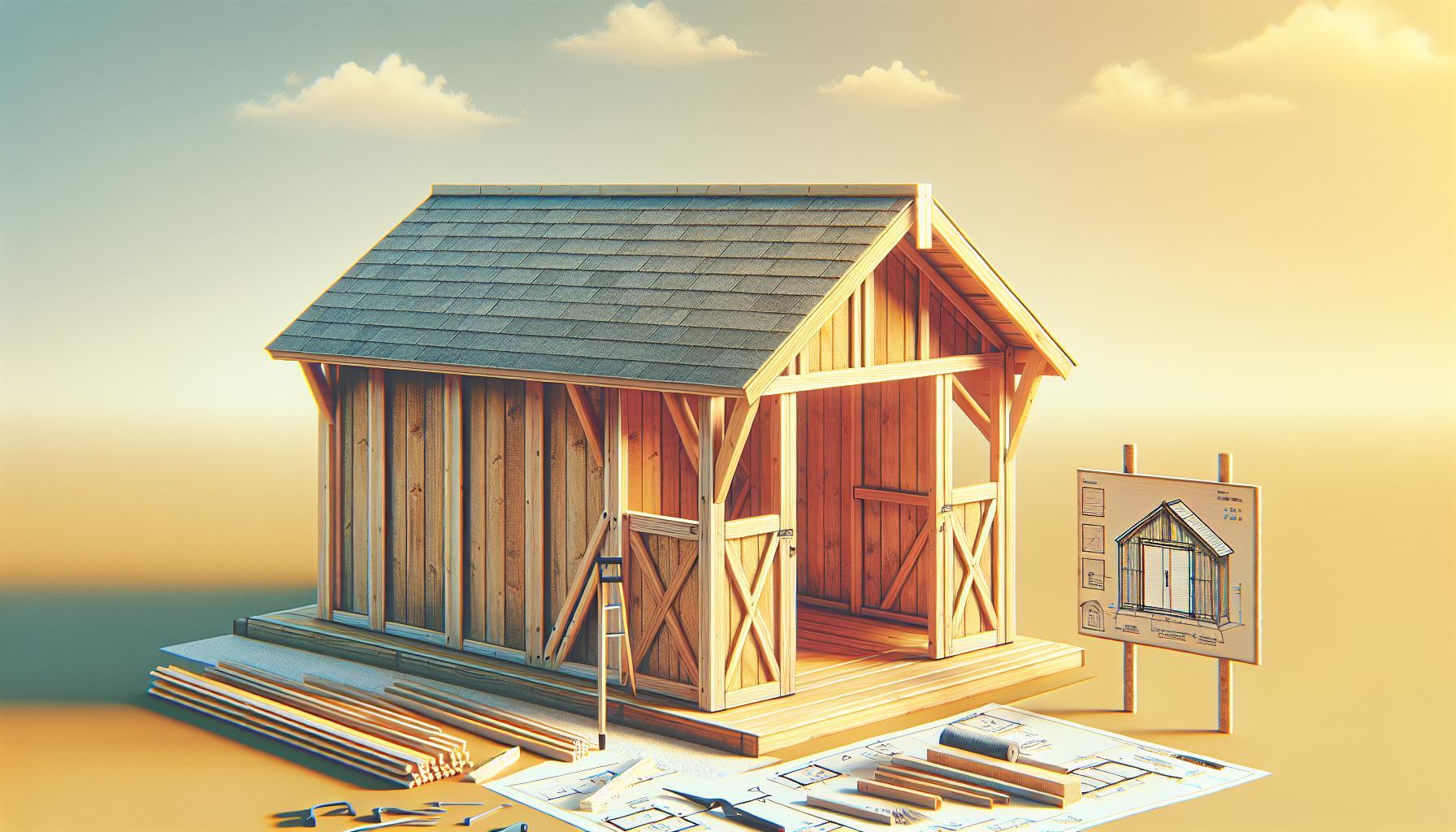

Looking for extra storage without breaking the bank? Building a shed on a budget can seem daunting, but with the right plans and materials, it’s entirely achievable for under $500. This article will guide you step-by-step, ensuring you create a functional and stylish space without overspending. Let’s get started!
Understanding the Basics: Choosing the Right Shed design for Your Budget
When embarking on the journey of constructing a shed, the design you choose plays a pivotal role in determining both functionality and cost. A shed can serve multiple purposes, from a simple tool storage solution to a charming garden retreat. Therefore, understanding how to align your shed design with your budget becomes essential, particularly when aiming for a project under $500.
One of the primary factors to consider is the style of the shed. Common designs include gable, lean-to, and barn-style sheds, each varying in materials, complexity, and aesthetic appeal. Gable sheds, with thier peaked roofs, are popular for their straightforward construction and efficient water runoff, making them suitable in varied climates. Lean-to sheds are ideal for smaller spaces and can be attached to existing structures, reducing building costs and footprint. Barn-style sheds, while visually striking, may require a higher investment in materials due to their size and design intricacies. When deciding, weigh the visual appeal against the practical requirements of your budget.
Material selection is another crucial consideration. Here are some cost-effective options that effectively balance durability and expense:
- Plywood: Affordable and versatile, plywood works well for walls and floors.
- Vinyl siding: A low-maintenance option that offers a finished look while being easy to install.
- Reclaimed wood: Using salvaged materials can not only lower costs but also provide a unique aesthetic.
Prioritize quality materials for critical components like flooring and roofing while opting for less expensive options for non-structural elements. Moreover, leveraging free DIY shed plans can provide structured guidelines to keep your project organized and on track. Resources such as Build Blueprint and MorningChores offer a variety of plans catering to different budgets.
To visualize and streamline your design process, consider utilizing tools like a 3D shed builder. This allows you to experiment with different layouts and materials without the commitment of physical construction. exploring these options ensures that you not only stick to your budget but also create a shed that meets your specific needs, maximizing both functionality and style for an affordable investment.
essential Materials: How to Source Affordable Supplies Without Compromising Quality
Sourcing quality materials for your shed project doesn’t have to break the bank. With the right strategies, you can gather everything you need to construct a durable and aesthetically pleasing shed while sticking to a budget of under $500. Whether you’re a DIY enthusiast or just starting out, knowing where and how to find affordable supplies is crucial.
Local hardware Stores and Home Improvement Centers
One of the best places to begin your search for materials is your local hardware store or home improvement center. These establishments often offer bulk pricing and seasonal discounts, especially during the spring and summer months when gardening and home improvement projects peak. Consider visiting large chains such as Home Depot or Lowe’s, but don’t overlook smaller, locally-owned stores that may provide competitive prices or unique inventory.Additionally, keep an eye out for clearance sections in these stores. Items that may seem slightly damaged or overstocked can often be purchased at a fraction of the original price. Don’t hesitate to ask staff about upcoming sales or promotions to maximize your savings.
Online Marketplaces and Classified Advertisements
the digital marketplace is a treasure trove for budget-conscious builders.platforms such as Craigslist, Facebook Marketplace, or even eBay can yield fantastic deals on materials. Many people sell leftover supplies from their home improvement projects or are looking to unload excess building materials they no longer need.
When searching online, focus on local listings to minimize shipping costs. You can often negotiate prices, especially if you buy in bulk or are willing to pick up the items yourself. Always check reviews and ratings of sellers to ensure quality.
Reclaimed and Salvage Materials
Using reclaimed materials is not only an affordable option but also an eco-friendly choice. Reclaimed wood, metal panels, and even windows can often be found at salvage yards or through community trading groups. These materials can add character to your shed while substantially lowering costs.
Consider visiting local architectural salvage operations or checking with demolition companies.many times, these businesses will be more than happy to sell you leftover materials at a lower price or even give them away for free.
Here’s a quick comparison of potential sources for shed materials:
| Source | Advantages | Considerations |
|---|---|---|
| local Hardware Stores | bulk discounts, seasonal promotions, and diverse selections. | Prices may still be higher than other sources. |
| Online Marketplaces | Potential for low prices, negotiating options, and local deals. | Quality and availability can vary widely—always inspect before buying. |
| Reclaimed Materials | Unique aesthetics, eco-friendly options, and low prices. | May require additional work (cleaning, reconditioning). |
By strategically sourcing your materials from these avenues, you can efficiently manage your budget while building an affordable shed that meets your needs. Remember, patience and creativity are your best allies in finding the right materials without compromising on quality.
Step-by-Step Construction: A DIY Guide to Building Your Shed with Confidence
when it comes to tackling your own DIY project, nothing beats the satisfaction of constructing something with your own hands—especially when it’s a budget-friendly shed. not only does building your shed save money,but it also provides a space for tools,gardening supplies,and other items that can clutter your garage or backyard. If you’re wondering how you can pull it off without stretching your budget beyond $500, you’re in for an exciting DIY journey.
To begin with, careful planning is essential. The first step is to choose the right design suitable for your needs—whether it’s a simple shed for storage or a more elaborate workspace.You can often find plans that offer clear instructions and user-friendly designs, allowing you to visualize the project from start to finish. Here’s a basic checklist to guide you through the planning phase:
- Determine the Size: Assess how much space you will need based on what you plan to store
- Check Local Regulations: Ensure you adhere to zoning laws or obtain permits
- Gather Supplies: Create a list of materials required including wood,nails,and roofing
gathering Materials
Once you have a solid plan in place,it’s time to gather materials. look for budget-friendly options at local hardware stores or to find deals on used or surplus materials. Items such as reclaimed wood or pre-owned supplies can significantly reduce your overall costs. below is a simple table outlining potential materials and their estimated costs to support your budgeting efforts.
| Material | Approximate Cost |
|---|---|
| Wood for the Frame | $120 |
| Plywood for walls | $80 |
| Roofing Materials | $100 |
| Hardware (Nails, Hinges, etc.) | $50 |
| Paint or Stain | $40 |
| Total Estimated Cost | $390 |
Construction Process
With all your supplies at the ready, the excitement of construction begins! Start by laying a solid foundation that’s level and stable—a crucial factor that affects the longevity of your shed. Typically, a gravel base or concrete blocks works well to ensure proper drainage. Follow the step-by-step assembly methods outlined in your plan, taking care to measure accurately.
As you build, remember that patience is key. Measure twice, cut once, and don’t hesitate to ask a friend for a helping hand—two sets of hands can speed up the process and provide additional safety. As you progress, keep up the morale by envisioning how your completed shed will look nestled in your garden, ready to serve as a reliable space for all your outdoor projects.
Building your own shed may seem daunting, but with a clear plan and a diligent approach, you’ll find it a rewarding experiance. The journey from raw materials to a fully-built structure is not only educational but will bolster your confidence as a DIY enthusiast.
Maximizing Space: Smart Storage Solutions for a Compact Shed
When it comes to maximizing the utility of a compact shed, clever storage solutions can transform what may seem like a cramped space into an organized and functional environment. By implementing smart strategies,you can efficiently utilize every inch,making your shed an invaluable asset for hobbies,gardening,or even a personal workshop. Understanding how to build an affordable shed with budget-friendly plans under $500 goes hand in hand with optimizing its interior space.
Vertical Storage: Go up, Not out
One of the best ways to create more space in your shed is to think vertically. Installing shelves and wall-mounted storage units is crucial for keeping the floor clear and gaining extra storage above. Use sturdy brackets or pre-made shelf kits that can easily support tools, pots, or bins. Here are some ideas to implement vertical storage effectively:
- Pegboards: Hang tools and smaller items on pegboards to create a visual display that’s easy to access.
- Wall Shelves: Progressive shelving can accommodate everything from boxes to gardening supplies.
- Overhead Racks: Consider installing overhead storage spaces for rarely used items like holiday decorations or seasonal gear.
Multi-Functional Furniture and Containers
Choosing furniture and storage bins that serve dual purposes can significantly reduce clutter. For instance, wooden benches or stools can double as seating and storage for tools or cushions. When selecting containers, opt for stackable bins that can be easily labeled. This way,you can maximize cubic storage and ensure everything is easy to find. Below is a simple table to illustrate effective storage container options:
| container Type | Size Options | Best Use |
|---|---|---|
| Plastic Bins | 10-50 gallons | Seasonal gear,garden tools |
| Drawer Units | 3-5 drawers | Small tools,craft supplies |
| Wall-Mounted baskets | Various sizes | Plant care items,gloves,twine |
By integrating these smart storage solutions inspired by budget-friendly plans,you’ll find that maximizing space in a compact shed not only enhances functionality but elevates your overall efficiency. Clever association tactics can eliminate clutter while adding style, ensuring that your affordable shed remains a practical and pleasant place to work and play.
Finishing Touches: Cost-Effective ways to Customize Your Shed
When it comes to enhancing the functionality and aesthetics of your shed, the finishing touches can make all the difference. Personalizing your space doesn’t have to drain your wallet, especially if you’re following budget-friendly plans. By implementing a few simple and cost-effective ideas, you can create a unique haven that serves both practical and enjoyable purposes.
Creative Exterior Enhancements
One of the most noticeable ways to customize your shed is through its exterior. Consider painting the exterior in a vibrant color to make it stand out in your yard, or use a more muted tone for a sleek, modern look. You don’t need high-end paint; simply shop for quality exterior paint meant for wood. Here are a few additional exterior customization ideas:
- Add decorative shutters: These can be built from scrap wood and provide visual interest.
- Install window boxes: Filled with flowers, they can soften the look of your shed and integrate it nicely into your garden.
- Use reclaimed materials: Mismatched doors or unique architectural salvage can create a charming, rustic aesthetic.
Interior Personalization
Don’t overlook the inside of your shed—it’s a blank canvas ready to reflect your style. You might start by organizing your tools on shelves and pegboards, which can be painted to match your theme. Investing in hooks and racks can free up floor space and keep everything accessible.Other interior enhancements could include:
- Wall décor: Hang up framed pictures or a chalkboard for notes and reminders.
- Folding table: A simple, foldable work table can double as a workspace and be tucked away when not in use.
- Lighting: Adding LED strip lights or a battery-operated lamp can transform the shed into a cozy retreat.
A Functional and Stylish Landscape
consider the shed’s surroundings to create an inviting outdoor space. You might include a path leading up to your shed, which you could construct with paver stones or gravel. Not only does this enhance functionality,but it also improves appearance. Below is a simple comparison of cost-effective landscaping options:
| Landscaping Feature | Cost ($) | benefits |
|---|---|---|
| Garden Path (Gravel) | 50 - 100 | Easy installation, good drainage |
| Planters | 20 – 50 | Space for flowers, cost-effective |
| Mulch Bed | 30 – 70 | Reduces weeds, looks tidy |
By integrating these affordable finishing touches into your shed design, you can create an inviting workspace or storage area that not only serves your needs but also reflects your personality.Following thoughtful, budget-friendly plans ensures that your shed becomes more than just a storage solution, but a delightful extension of your home.
Common Challenges: Troubleshooting Tips for a Smooth Building Experience
When embarking on a DIY shed project, it’s easy to get caught up in excitement, but even the most budget-friendly plans under $500 can encounter unexpected hurdles. From material shortages to structural miscalculations, these challenges can turn your rewarding experience into a stressful endeavor. Understanding common pitfalls and having strategies to mitigate them can ensure your shed building journey remains smooth and enjoyable.
Material Selection Issues
One of the first hurdles you may face is sourcing the right materials within your budget.Lumber prices can fluctuate drastically, making it essential to compare costs from various suppliers.If you find that the prices are exceeding your budget, consider these tips:
- Look for Used Materials: Visit local classifieds or websites like Craigslist or Habitat for Humanity ReStores for salvaged wood and materials.
- Check for sales: Keep an eye on seasonal discounts or clearance sales at home improvement stores.
- Buy in Bulk: Some suppliers offer discounts for larger quantities. If you have space, stock up on basic supplies like nails, screws, and other fasteners.
Structural Miscalculations
Getting the dimensions wrong can derail your entire project. Ensure that your plans are meticulously followed, but if you find yourself in a bind, these troubleshooting steps can help:
- Double-Check Measurements: Always measure twice before cutting any materials. It’s a simple step that can save you significant time and resources.
- Use Digital Tools: Utilize design software or apps to visualize your shed and simulate dimensions before initial cuts.
- Seek Advice: Don’t hesitate to consult online forums or local experts.They can provide insights based on real-world experiences that can help avoid common mistakes.
Weather-Related delays
Inclement weather can put a damper on construction schedules,especially if you’re working outdoors. If the forecast looks gloomy,consider these proactive measures:
- Plan Ahead: Check the weather several days in advance and schedule your build during a dry spell.
- Have a Backup Plan: Set up a temporary workspace in your garage or shed if rain does catch you in the middle of construction.
Resource Table
| Challenge | Solution |
|---|---|
| Material shortages | Explore used materials, compare prices, and buy in bulk. |
| Structural Errors | Double-check measurements, use digital planning tools, and seek advice. |
| Weather Delays | Plan builds during dry weather and have alternative workspaces ready. |
These strategies not only help manage your expectations but also enhance your problem-solving skills along the way. with the right preparation and adjustments, the dream of creating your own affordable shed can seamlessly transform into reality.
Sustainability Matters: Eco-Friendly Options for Your Shed Project
Building a shed doesn’t have to contribute to environmental degradation. Actually, with the right materials and planning, your shed project can underscore your commitment to a sustainable lifestyle. Choosing eco-friendly options not only enhances the longevity of your structure but also aligns your building endeavors with environmental stewardship. As more people seek to balance functionality with sustainability, incorporating green materials into your shed construction becomes more feasible than ever.
Consider Sustainable Materials
When selecting materials for your construction, opt for renewable resources. Here are a few eco-conscious choices:
- Bamboo: This rapidly-renewable material is incredibly strong and can be used for shelving, walls, or rafters.
- Recycled Wood: salvaging timber from old pallets or deconstructed buildings can save costs and reduce waste.
- Composite Materials: Comprising recycled plastics and wood fibers, these materials are durable and require less maintenance.
- Cork: Known for its thermal insulation properties, cork can be a great option for flooring or wall insulation.
Incorporating these materials not only helps the environment but also provides a unique aesthetic to your shed.
Energy Efficiency and Green practices
Creating an energy-efficient shed can significantly reduce your carbon footprint. Consider the following strategies:
- Solar Panels: Installing solar panels on the roof can provide renewable energy for lighting and tools.
- Passive Heating and Cooling: Positioning windows strategically can maximize natural light and air circulation, reducing the need for artificial heating and cooling.
- Insulation: using eco-friendly insulation materials like cellulose made from recycled paper can keep your shed agreeable year-round.
By implementing these techniques,your budget-friendly plans under $500 can include future-proof investments that save you money on utilities in the long run.
Waste Reduction and Upcycling
Another significant aspect of sustainability is minimizing waste during construction. Here are some ways to make the most of your resources:
- Plan Your Cuts: Carefully measure and plan to avoid excess cut-offs. This reduces waste and can keep your project within budget.
- Repurposed Materials: Look for materials around your home or from friends and family. Items like old doors and windows can easily be integrated into your design.
- Donation Practices: many organizations accept leftover materials, which can be donated instead of discarded, contributing to a community improvement project.
It’s essential to recognise that sustainability in building a shed or any structure not only makes a positive environmental impact but can also inspire others to follow suit, creating a ripple effect in your community.
Tools of the Trade: Must-Have Equipment for Budget Shed Building
When embarking on the journey of building your own shed on a budget, having the right tools at your disposal can make all the difference. Many DIY enthusiasts underestimate the importance of equipment, but investing in essential tools not only streamlines the building process but also contributes to better overall results. This guide will highlight must-have tools that ensure your shed construction remains economically feasible while delivering quality work.
Essential Tools for Shed Construction
Building a shed doesn’t require a top-tier toolbox, but there are certain tools that every DIYer should have. here’s a list of the must-have equipment for your project:
- Measuring Tape: Accuracy is key in any construction project. A sturdy measuring tape helps you get the dimensions right, ensuring your shed is built to specifications.
- level: A standard carpenter’s level will help ensure your foundation and walls are straight and balanced.
- Power Drill: This versatile tool is essential for drilling holes and driving screws. Look for a model with multiple speed settings to handle various tasks.
- Saw (Circular or Miter): Whether you opt for a circular saw or a miter saw, having a quality saw will make cutting through wood an easier and more efficient process.
- Hammer: A classic tool, a good hammer can be your best friend when framing walls and securing materials.
- safety Gear: Don’t forget protective eyewear, gloves, and ear protection. Safety should always be a priority,especially when using power tools.
Extra Tools for Enhanced Efficiency
While the basics will get you started,consider adding a few additional tools that can boost your efficiency and ease during the building process.
| Tool | Purpose |
|---|---|
| Stud Finder | Helps locate framing studs for secure attachment. |
| Impact driver | Ideal for driving long screws without stripping. |
| Wood Clamps | Holds pieces in place while you fasten them. |
| Chalk Line | Creates straight lines for cutting or nailing. |
By equipping yourself with these essential and supplementary tools, you will not only save time but also minimize the potential for costly mistakes during your shed construction. From a simple garden shed to a more elaborate storage space, having the right tools can contribute to the success of your DIY project, allowing you to enjoy the process as much as the final result.
Q&A
How to Build an affordable Shed: Budget-Friendly Plans Under $500?
Building an affordable shed under $500 is possible with careful planning and DIY skills. start by selecting a simple design and sourcing materials from local hardware stores or online marketplaces. This approach not only saves costs but also ensures you stay within budget.
Begin by choosing budget-friendly plans that fit your space requirements.Look for free blueprints or download cost-effective shed kits online. Explore our complete guide on shed plans for tips on selecting designs that balance aesthetics and functionality.
What materials do I need to build an affordable shed?
To build a budget-friendly shed, you’ll need plywood for walls, roofing materials, pressure-treated wood for the foundation, and screws or nails for assembly. Consider low-cost alternatives like reclaimed wood to further reduce costs.
Gather tools such as a circular saw, drill, and measuring tape. Familiarize yourself with building techniques to enhance your project’s durability and aesthetics. Using treated materials prevents rot and extends the shed’s lifespan, ensuring your investment is sound.
Can I customize my shed while keeping costs down?
Yes, you can customize your shed while maintaining an affordable budget. small adjustments like paint color, window size, and roof style can enhance its appearance without significantly increasing costs.
Consider making budget-friendly upgrades like adding shelves or hooks for organization. These enhancements improve functionality without hefty price tags. You can also personalize the exterior with simple landscaping to create a pleasant surrounding.
Why does planning matter when building a shed on a budget?
Effective planning is crucial to ensure you stay within budget and complete your shed successfully. A detailed plan helps you estimate costs accurately and avoid unexpected expenses during construction.
By considering local building codes and obtaining necessary permits ahead of time, you can prevent delays and potential fines. Additionally, a strong project plan outlines your timeline, helping you allocate time effectively to ensure quality craftsmanship.
Are pre-cut shed kits worth the investment?
Pre-cut shed kits can be a good investment if you want to save time and streamline construction. Although the upfront costs might be higher, the convenience and clarity of having materials prepared can lead to fewer errors.
These kits often come with everything you need, including detailed instructions, reducing your chance of making costly mistakes.They also typically include necessary materials, sparing you the trouble of sourcing individual items. Consider your skill level and comfort with DIY when deciding.
What are some common mistakes to avoid when building a shed?
Common mistakes include failing to check local regulations, underestimating costs, and not preparing the site adequately. These errors can lead to complications and additional expenses that strain your budget.
Ensure your location is flat and your foundation is stable. Advanced planning involves deciding on the right size and features beforehand,which minimizes the need for costly adjustments later. Regularly reviewing your budget plan as you progress also helps prevent overspending.
How long does it take to build an affordable shed?
The typical timeframe to build a shed is around 1 to 2 weekends, depending on your skill level and the complexity of the design. Simplified plans can allow for quicker assembly.
Allocating time for preparation, material gathering, and final touches is essential. Monitor your progress and adjust your schedule accordingly,allowing flexibility for unforeseen issues while maintaining enthusiasm for completing your project.
Final Thoughts
As we wrap up this guide on building an affordable shed on a budget under $500, it’s clear that with some thoughtful planning and the right materials, anyone can create a functional and attractive outdoor space. By following the practical steps laid out,you’ll not only save money but also gain invaluable skills that will serve you well in future DIY projects.
Remember,challenges may arise,but they are simply opportunities for growth and learning. Embrace each step,whether it’s choosing the right plans,finding budget-friendly materials,or understanding the construction process. With patience and persistence, your shed will soon be standing proudly in your backyard.
We encourage you to take this knowledge and dive deeper into your DIY journey. Explore additional resources, gather inspiration from fellow enthusiasts, and don’t hesitate to reach out for support or share your progress. Building your own shed is not just about craftsmanship; it’s about creating something that reflects your vision and fulfills your needs. Happy building!


