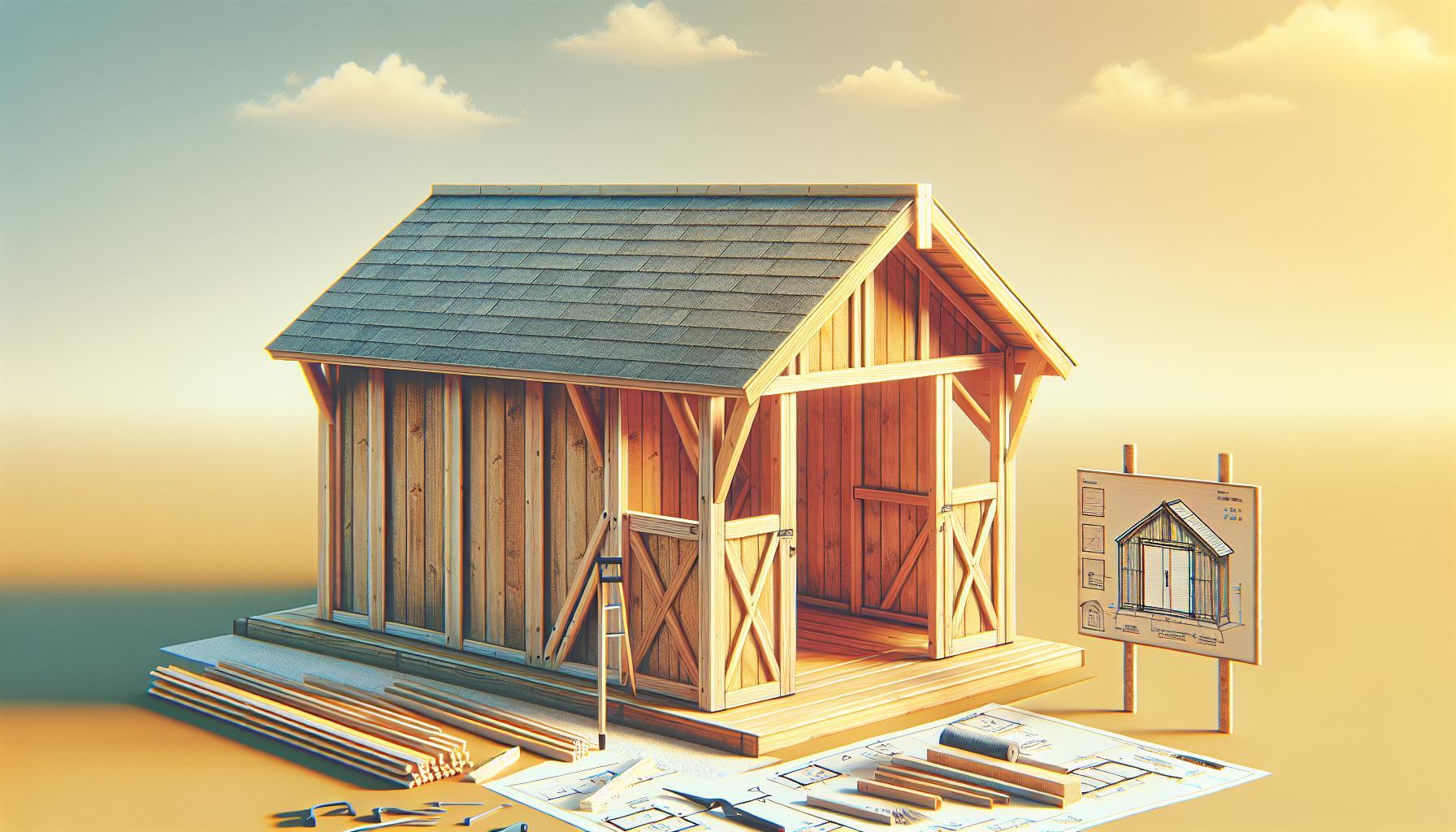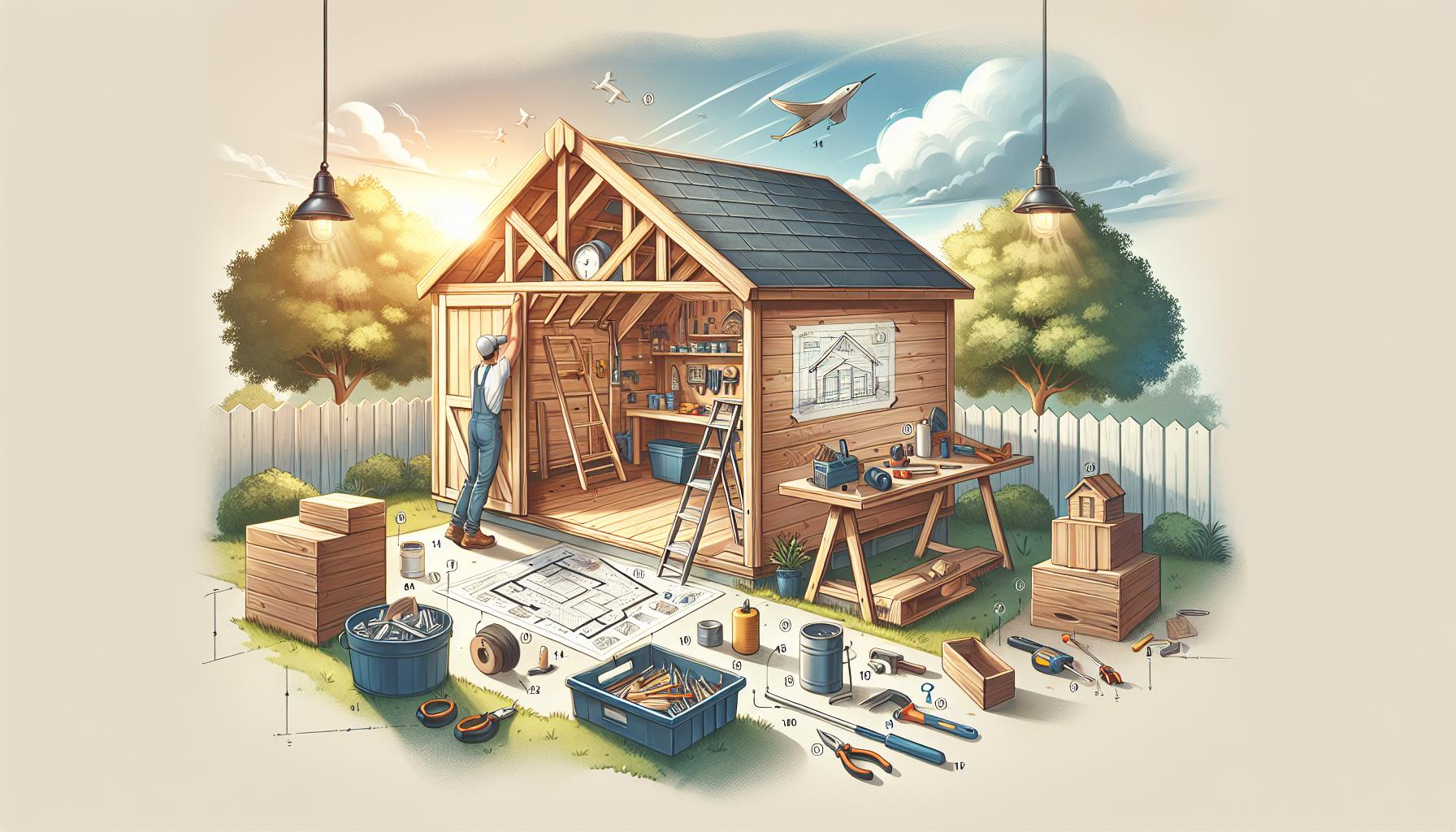

Building a shed can be an overwhelming project, especially when it comes to budgeting. With costs ranging from $800 to over $5,000, understanding how to effectively manage expenses is crucial for any homeowner. Discover vital insights and expert strategies to construct a 10×12 shed without breaking teh bank,ensuring your outdoor space is both functional and affordable.
Understanding the basics: What Goes Into Building a 10×12 Shed?

Building a 10×12 shed can be both an exciting project and a significant investment, notably if you are aiming to maximize your budget. A well-constructed shed not only provides valuable storage space but can also enhance your property’s functionality and aesthetics. Understanding the essential components of shed construction can help you navigate the complexities and cost-related aspects effectively.
Choosing the Right Design
When considering how to approach your shed project, start with selecting a suitable design. The layout of a 10×12 shed allows for plenty of room for tools, gardening supplies, or even a small workspace. Popular styles include gable, lean-to, or even a more modern minimalist design. Each style offers different advantages in terms of aesthetics and utility, so weigh your options carefully based on your needs and preferences.
essential Materials and Tools
To build your shed efficiently and cost-effectively, gather the necessary materials and tools beforehand. Here’s a basic list to get you started:
- Materials:
- Plywood or OSB for walls
- Framing lumber (2x4s)
- Roofing shingles or metal roofing
- Wood screws and nails
- Door hardware (hinges, handles)
- flooring (pressure-treated plywood for durability)
- Tools:
- Power drill
- Saw (circular or hand saw)
- Measuring tape
- Level
- Safety gear (gloves, goggles)
These materials form the backbone of your construction. investing in quality materials can definitely help extend the life of your shed, making it a worthy consideration while planning your budget.
Planning and Layout
Effective planning is crucial for cost control and structural integrity. Begin by sketching a layout that includes door placement, windows for natural light, and possibly any shelving or workbench areas you wish to include. Ample planning also allows for the incorporation of cost-saving methods such as using reclaimed materials or pre-owned tools. Keep in mind that you should check local building codes and permits, as regulations can differ significantly depending on your location.
Utilizing a clear, organized approach not only simplifies the construction process but also helps in understanding how much to build a 10×12 shed while searching for cost-cutting secrets from pros. By prioritizing design, materials, and a solid plan, you can ensure your shed is built to last without breaking the bank.
Budget breakdown: Key Costs to Consider Before You Start
Building a 10×12 shed is an exciting project, but as with any construction endeavor, understanding the costs involved is crucial for effective budgeting. Knowing where your money will go not only helps in planning but can also uncover potential areas for saving.
Material Costs
The materials you choose will significantly affect your overall budget. For a 10×12 shed, the material costs can range dramatically based on quality and type. Here’s a general breakdown:
| Material | Cost Range |
|---|---|
| Wood (Framing) | $800 – $1,500 |
| Roofing (Shingles/Metal) | $300 – $600 |
| Siding (Vinyl/Wood) | $600 – $1,200 |
| Flooring Material (Plywood/Concrete) | $200 – $500 |
| paint/Sealant | $100 – $300 |
These costs reflect the average expenses for high-quality materials. Opting for lower-grade materials can cut costs but may impact the shed’s longevity and aesthetics.
Labor Costs
if you plan to hire professionals for installation, labor will be another significant part of your budget. Based on the complexity and local market rates, professional assembly typically ranges from $1,000 to $5,000. This figure can fluctuate due to factors such as the shed’s location and the company selecting for assembly. If you are handy with tools, doing it yourself could save you a significant sum; however, it’s essential to factor in your time and any learning curve if you’re not experienced.
permits and Additional Costs
Don’t overlook the potential costs tied to obtaining necessary permits. Depending on your locality, this could range from $50 to $500. Moreover, consider other additional expenses like delivery fees, foundation materials if a permanent base is needed, and hardware such as nails, hinges, and locks. Once everything is accounted for, creating a detailed budget allows you to gauge the feasibility of your project and identify any areas where you can apply cost-cutting secrets from professionals.
by understanding these key costs associated with building a shed, you will more efficiently navigate the budget landscape, ensuring that when you ask, “How much to build a 10×12 shed?” you can provide a well-rounded answer that covers all financial aspects.
Smart Sourcing: Where to Find Affordable Materials and supplies
When embarking on the journey to construct a shed, the cost of materials can quickly escalate, making it crucial to adopt smart sourcing strategies. Finding affordable materials and supplies for your project not only saves money but also helps maximize the overall quality and longevity of your shed. With a bit of research and strategic planning, you can access a variety of resources that offer both value and quality.
Explore local Suppliers and Distributors
One of the most effective ways to source materials affordably is to connect with local suppliers and distributors. Frequently enough, these businesses can provide better prices than large retail chains due to lower overhead costs.Visit your area’s hardware stores, lumber yards, and building supply companies. Engage with the staff; they can offer valuable insights into sales, bulk purchase discounts, and clearance items that could be useful for your shed-building project.
- Check for local sales: Many local suppliers run periodic sales or discount offers that can significantly reduce costs.
- Bulk buying: If you can coordinate with friends or neighbors to purchase materials together, you may qualify for bulk pricing.
Utilize Online Marketplaces
the internet is a treasure trove of resources for affordable building materials. Online marketplaces such as Craigslist, Facebook Marketplace, and OfferUp frequently enough feature listings for surplus materials or second-hand supplies at a fraction of the retail price. Additionally, specialized websites dedicated to home improvement often have sections for discounted goods.
- Negotiation: Don’t hesitate to negotiate prices with sellers; many individuals are willing to lower their asking price.
- Local delivery options: Some sellers may offer delivery, saving you the hassle of transporting larger items yourself.
Consider Alternative Materials
While traditional building materials such as wood and metal are popular choices,exploring alternative materials can yield significant savings. reclaimed wood, pallet wood, or even concrete blocks can provide a unique look and decrease your overall expenses. while sourcing these materials,ensure they are in good condition and suitable for the intended use to maintain safety and structural integrity.
| Material Type | Approximate Cost per unit | Benefits |
|---|---|---|
| Reclaimed Wood | Varies, often cheaper than new wood | Unique aesthetics, eco-friendly |
| Pallet Wood | Free to low-cost | Durable, versatile |
| Concrete Blocks | Low-cost per block | Strong, weather-resistant, fire-resistant |
By leveraging these smart sourcing strategies, you can effectively reduce the costs associated with constructing your shed while ensuring you have the materials necessary for a successful build. As you explore how much to build a 10×12 shed, remember that the key lies in finding quality supplies at competitive prices, setting the foundation for a project that is both budget-friendly and resource-efficient.
DIY vs. Professional Help: Weighing Your Options for Building Your Shed

In the journey of building your own shed, one crucial decision stands out: should you tackle this project yourself or enlist professional help? This choice can significantly impact not only your budget but also your shed’s overall quality and construction time. Understanding the nuances of DIY versus hiring a contractor is essential, especially when considering the insights from the article on constructing a 10×12 shed.
evaluating Your Skills and Resources
Before making a decision, take a moment to assess your skill level and the resources at your disposal. Here are some factors to consider:
- Experience: Have you completed similar projects in the past? if you have some construction experience, you may find building a shed more manageable than someone without any prior knowledge.
- Time Commitment: DIY projects often require a significant time investment. If your schedule is already packed, hiring a professional might save you time and stress.
- Tools and Materials: Ensure you have access to all the necessary tools and materials. renting or purchasing equipment can add to the overall cost if you choose the DIY route.
As a notable example, if you were to rely on professionals, they might provide their own materials and tools, possibly making the process smoother and ensuring adherence to local building codes. In contrast, taking the DIY route means you can shop around for deals on materials, helping you implement some of the cost-cutting secrets highlighted in the article about shed construction costs.
Potential Cost Implications
Analyzing the financial aspects of either approach is fundamental. While DIY efforts may initially seem cheaper, hidden costs can accumulate, leading to a situation where your budget balloons if unforeseen challenges arise. Take a look at the average costs involved:
| Aspect | DIY Cost Estimate | Professional Cost Estimate |
|---|---|---|
| Materials | $500 – $800 | $700 – $1000 (includes markup) |
| Labor | None | $300 – $600 |
| Total Estimated Cost | $500 – $800 | $1000 – $1600 |
Ultimately, if you decide to hire professionals, you pay for their expertise and reliability, which can lead to a better-constructed shed that meets all local standards. Conversely, if you have budget limitations, careful planning and strategic sourcing of materials can empower you to save substantially by building it yourself.
weighing the options between DIY and professional help requires a careful analysis of your capabilities, time management, and budget constraints.Armed with insights such as those found in the discussion about shed costs, you can make a more informed choice that aligns with your goals for building the perfect shed.
Essential Tools for Your Shed Project: investing Wisely
Building a shed can be an exciting venture, especially when you’re equipped with the right tools.Investing wisely in essential tools not only facilitates easier construction but also enhances the quality of your project, thereby reducing potential costs in the long run. Before embarking on your shed project, particularly if you’re curious about the financial aspects as discussed in “How Much to Build a 10×12 Shed? Cost-Cutting Secrets From Pros”, consider what tools will serve you best without breaking the bank.
Key Tools for Your Project
To ensure a smooth building process, having a reliable set of tools is crucial.Here’s a list of must-have tools that you should consider investing in for your shed project:
- Cordless Power Drill with Impact Driver: Essential for drilling holes and driving screws, these tools offer convenience without cords getting in the way.
- Circular Saw: This tool allows for quick and accurate cuts in various materials, making it invaluable for framing and siding.
- Tape Measure: A high-quality 25-50 foot tape measure is indispensable for precise measurements.
- Level: Ensures that your structure is built straight and true, critical for stability.
- Square: helps in marking and checking right angles, preventing costly mistakes.
- Safety Gear: Don’t forget to invest in gloves, goggles, and ear protection to keep you safe during construction.
Budget-Friendly Options
While high-quality tools are vital, there’s no need to overspend. Many reliable brands offer budget-friendly options that don’t compromise on performance. For example, consider purchasing tools during seasonal sales or looking for used equipment in good condition. Renting tools that you may only need briefly can also be a great way to save money.
Furthermore, equipment that can serve multiple purposes, such as a compound miter saw, can replace several stand-alone tools, reducing overall expenses. By being strategic with your tool selection, you align perfectly with the ideas presented in “How Much to Build a 10×12 Shed? Cost-Cutting Secrets From Pros,” turning your investment into a financially sound decision.
Final Thoughts on Tool Investment
Ultimately, investing in the right tools forms the backbone of a successful shed project. As you gather your supplies, consider the long-term value of each tool and its potential for future projects. Quality tools not only increase efficiency but also reduce the likelihood of mistakes that can escalate costs. Start your shed construction journey armed with the knowledge of what tools to buy, knowing you’re on the path to creating a durable and functional shed for years to come.
Common Pitfalls to Avoid: Tips from Seasoned Builders
Building a shed can be an exciting venture,but it often comes with unexpected challenges that can lead to increased costs and frustration. Understanding the common pitfalls that seasoned builders encounter is crucial for ensuring a smooth project from start to finish. By arming yourself with insights derived from experienced builders, you can navigate the complexities of construction and adhere to your budget when exploring the query, “How Much to Build a 10×12 Shed? Cost-Cutting Secrets From Pros.”
Inadequate Planning
One of the biggest mistakes that homeowners make is diving into construction without extensive planning. Before committing to materials or designs, take the time to draft a solid plan that includes your budget, materials, and a timeline. This should involve a detailed sketch of the shed’s layout, accounting for windows, doors, and shelving, to ensure you maximize space. Failing to plan adequately can lead you to make last-minute decisions, potentially inflating your costs significantly.
ignoring Local Regulations
Many first-time builders underestimate the importance of checking local zoning laws and building codes. Before breaking ground,verify whether you need a permit for your shed,as regulations can vary widely by location.This oversight can result in hefty fines or the requirement to dismantle your structure post-construction, which can be both time-consuming and expensive. Consulting with local authorities or a professional builder can save you from future headaches.
Choosing the Wrong Materials
Opting for low-quality materials in a bid to cut costs often leads to greater expenses in the long run. When exploring how much to build a 10×12 shed, it’s essential to balance cost with durability. Investing in treated lumber and high-quality roofing materials may initially appear pricier, but their longevity can significantly reduce maintenance and replacement costs over time. Conducting thorough research and considering second-hand or discounted materials in good condition can also be cost-effective strategies.
Poor Communication with Contractors
If you engage professional help, maintaining clear and consistent communication is vital. Misunderstandings regarding design choices or timelines can derail progress and inflate costs. Regular meetings and updates are crucial to ensure everyone is on the same page. Using tools like project management apps or shared online platforms can enhance coordination, helping you avoid slipping deadlines and unexpected expenses.
By keeping these common pitfalls in mind, you can better navigate your shed-building project and adhere to your budget. These insights will not only enhance your planning but also empower you to make informed decisions that align with the cost-cutting secrets shared by seasoned builders.
Maximizing space: Creative Ideas for Your Shed’s Layout and Design
Crafting a functional and aesthetically appealing layout for your shed can transform it from a mere storage space into a highly efficient and inspiring workspace. To maximize space within a 10×12 shed, thoughtful planning and creative storage solutions are essential. When designed effectively, even small areas can house tools, garden supplies, and personal items without feeling cluttered.Using vertical space and innovative organizing techniques can greatly enhance the utility of your shed while keeping it tidy and inviting.
Utilizing Vertical Storage
One of the best strategies for maximizing your shed’s space is to take advantage of vertical storage options. By installing wall-mounted shelves or pegboards, you can keep essential items off the ground and easily accessible. Consider these ideas:
- Overhead Storage: Install shelves high up on walls or use ceiling-mounted racks to store seasonal items or less frequently used tools.
- Pegboards: These provide customizable hanging options for tools, pots, and gardening supplies, allowing for efficient institution without occupying floor space.
- Wall Hooks and Racks: Use hooks for hanging items like ladders, hoses, and large tools, freeing up valuable floor area.
Creative Layout Solutions
when planning your shed’s interior layout,consider how you will move within the space and access items. A good layout promotes efficiency and reduces the time spent searching for tools. Here are some suggestions:
- Zone Designation: Divide the shed into sections based on use – a gardening zone for pots and soil, a tool area for equipment, and a crafting corner for projects.
- MOBILE STORAGE: Utilize carts or rolling toolboxes. These can easily be moved around as needed,making it easy to reach various tools and materials.
- Multi-functional Furniture: Incorporate workbenches with built-in storage or fold-down tables that can provide extra workspace when needed.
Light It Up
Good lighting is critical for a functional shed, especially when working on projects. Natural light can be increased by adding windows or skylights, while artificial lighting can be enhanced through these methods:
- task Lighting: Install LED lights directly above work areas to illuminate tools and project materials.
- Motion Sensors: Consider sensor-activated lights that turn on when you enter the shed, saving energy and ensuring instant visibility.
Incorporating these ideas into your shed’s design can significantly enhance functionality and make it a space you enjoy using. The investment in thoughtful layout planning and innovative storage solutions will yield a versatile environment, guiding you to efficiently manage your projects and tools while maximizing every inch available in your 10×12 shed.
Final Thoughts: Embracing the Journey of Shed Building
Building a shed is much more than just a construction project; it’s an prospect to express creativity and personal style while enhancing your property. Whether embarking on this journey to create a blissful workspace or an organized storage area, the process can lead to substantial learning experiences. Understanding cost-effective techniques and making informed decisions can transform a daunting task into a fun and fulfilling venture.
as you reflect on the insights gathered from exploring “How Much to Build a 10×12 Shed? Cost-Cutting Secrets From Pros,” remember the importance of planning and preparation. Start with a clear design that aligns with your budget. Utilizing simple shapes, like rectangles or squares, not only saves money but also simplifies the building process. Consider opting for polished concrete flooring rather of timber; it’s low maintenance while adding a touch of modern elegance to your shed.
Here are some effective cost-cutting strategies to consider:
- Materials Selection: Choose quality materials that strike a balance between durability and cost-efficiency.
- DIY Where Possible: taking on certain tasks yourself can drastically reduce labor costs.
- Plan for Future Needs: Incorporate flexible design elements that allow for easy expansions or modifications.
celebrate the small victories along the way. Each step you take, from laying the foundation to painting the walls, contributes to a larger picture and reinforces your skills. Embrace this journey with an open mind,and let each challenge enhance your knowledge and confidence in shed building. not only will you have a functional space, but also a testament to your dedication and creativity.
Faq
How Much to Build a 10×12 Shed? Cost-Cutting Secrets From Pros?
What is the average cost to build a 10×12 shed?
The average cost to build a 10×12 shed can range from $2,500 to $5,000, depending on materials and labor. You can save by using economical materials and DIY construction.
Costs vary widely based on your location, material choices, and whether you hire professionals or undertake a DIY project.Choosing wooden structures or simple designs can significantly reduce expenses.
How can I cut costs when building a 10×12 shed?
To cut costs when building a 10×12 shed,consider using recycled materials and opting for a simple design. Planning carefully can also help minimize waste and expenses.
Using DIY kits or watching online tutorials can provide cost-saving insights. Additionally, purchase materials during sales to further reduce your budget.
Can I save money by building a shed myself?
Yes, building a shed yourself can save you a substantial amount of money, potentially up to 50% of the total project cost. However,it requires time and effort.
Learning basic carpentry skills can empower you to tackle your project confidently. Many resources, including DIY guides, are available to help you succeed.
What materials should I consider for building a 10×12 shed?
Good materials for building a 10×12 shed include pressure-treated wood, plywood, and metal roofing. These provide durability and are often cost-effective.
Choosing composite materials can also be beneficial,as they require less maintenance. Researching local suppliers can help you find the best deals on quality materials.
What size of foundation do I need for a 10×12 shed?
A suitable foundation for a 10×12 shed typically measures 10×12 feet,but providing a few inches around helps accommodate settling and drainage.
Various foundation types can work, including concrete slabs, gravel pads, or wood skids. Ensure the foundation is level and stable to support your shed adequately.
Why should I plan my shed design before building?
Planning your shed design is crucial as it helps you visualize the final product and make informed decisions about the layout, materials, and size.
A well-thought-out plan can minimize mistakes, saving time and money during construction. Use online design tools or software to create a detailed blueprint of your project.
Final Thoughts
building a 10×12 shed can be a rewarding endeavor that enhances your property and storage capabilities, with costs generally ranging from $1,000 to $9,000 depending on various factors, including materials, design, and installation methods [[2]](https://shedplans.org/cost-to-build-a-shed/). For DIY enthusiasts,embracing cost-effective strategies can significantly reduce expenses—consider that the average cost per square foot for a wood frame shed lies between $17 and $40 [[1]](https://shedcalculator.com/).
As you embark on this project, remember that preparation is vital. Planning your budget, gathering the right materials, and understanding the installation process can lead to a successful build.Don’t hesitate to reach out for advice, explore resources, and connect with other DIYers. Your shed should be a reflection of your craftsmanship and creativity. Dive into this exciting journey, and unlock the potential of your backyard!