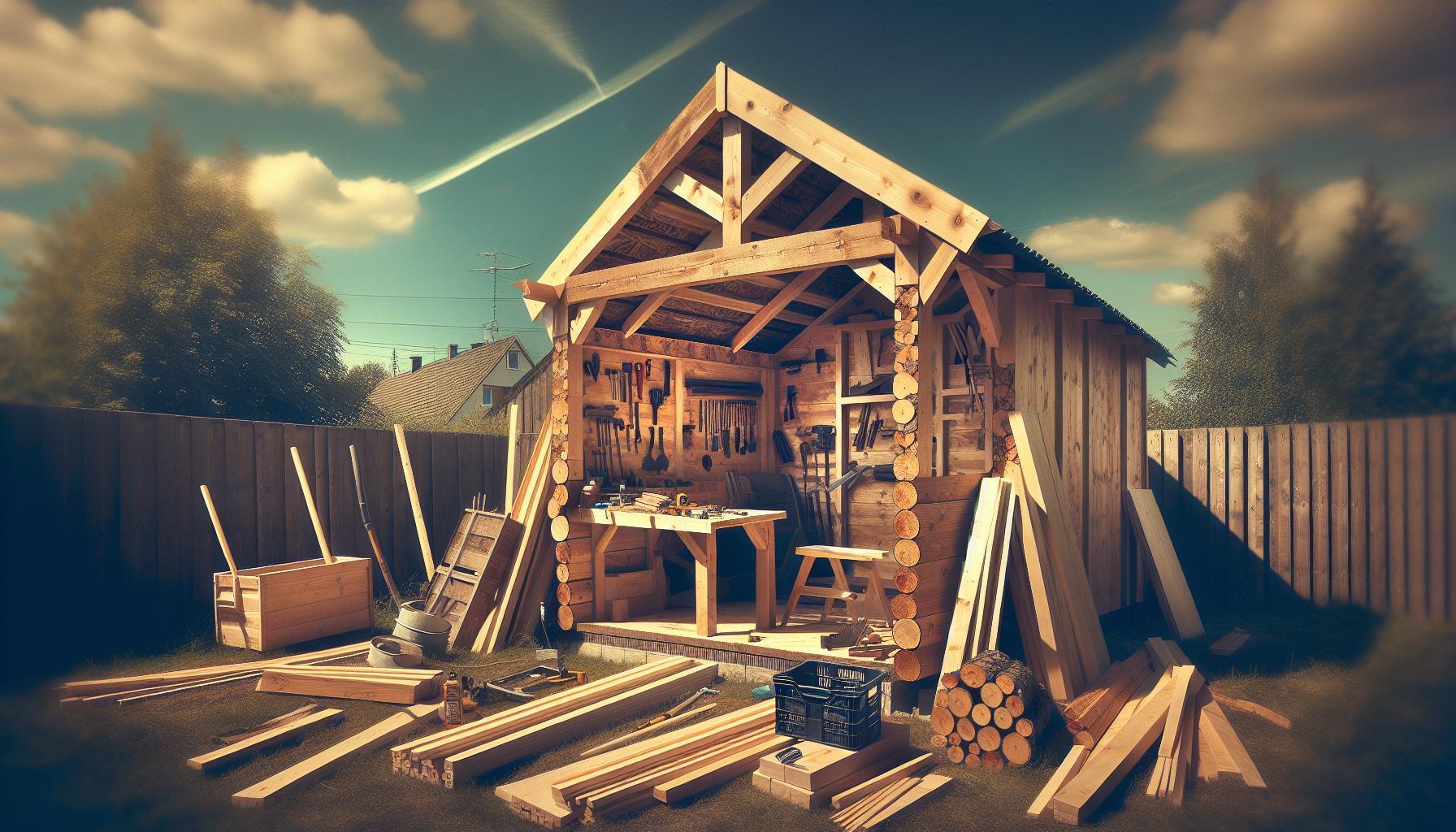
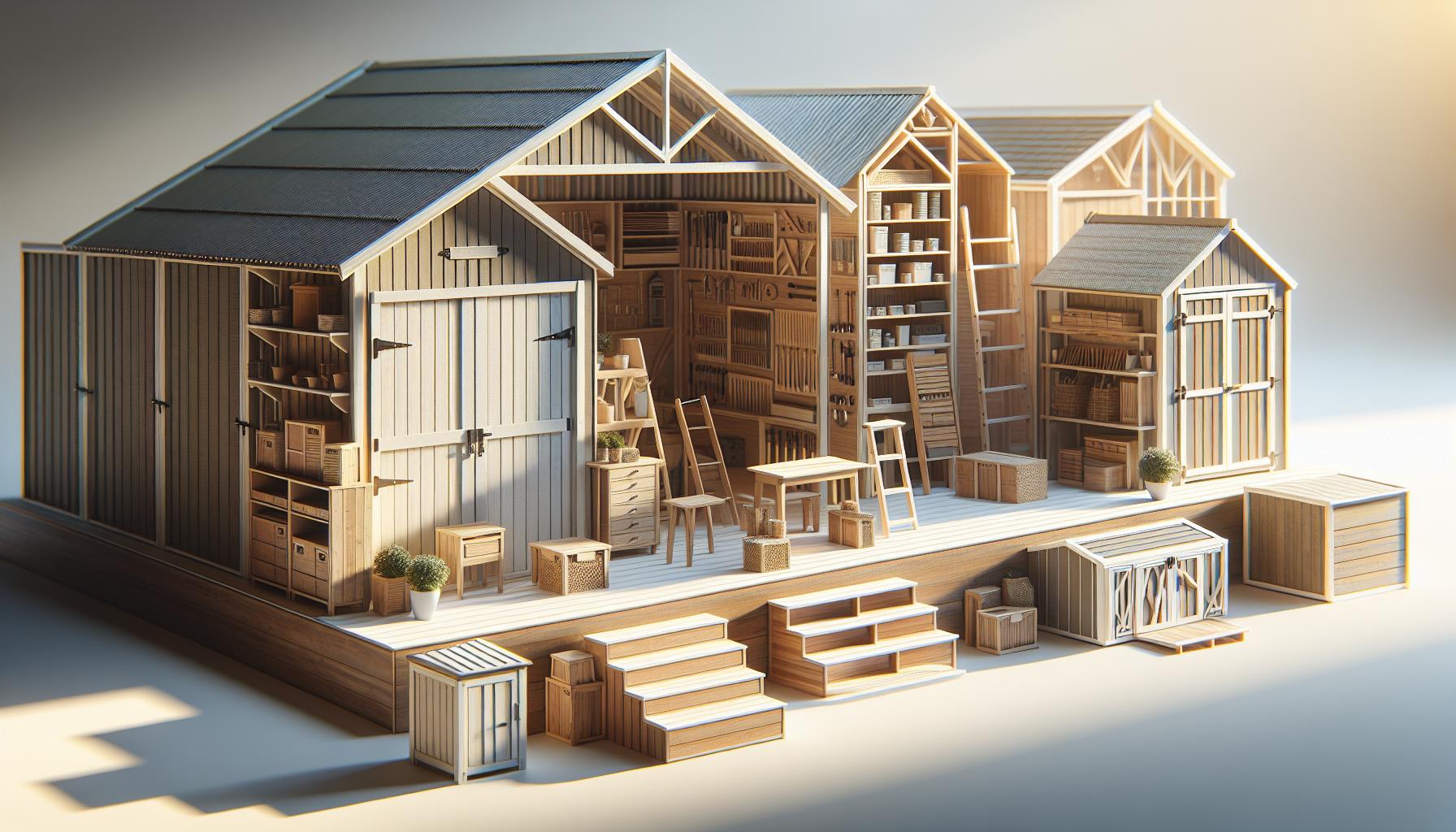
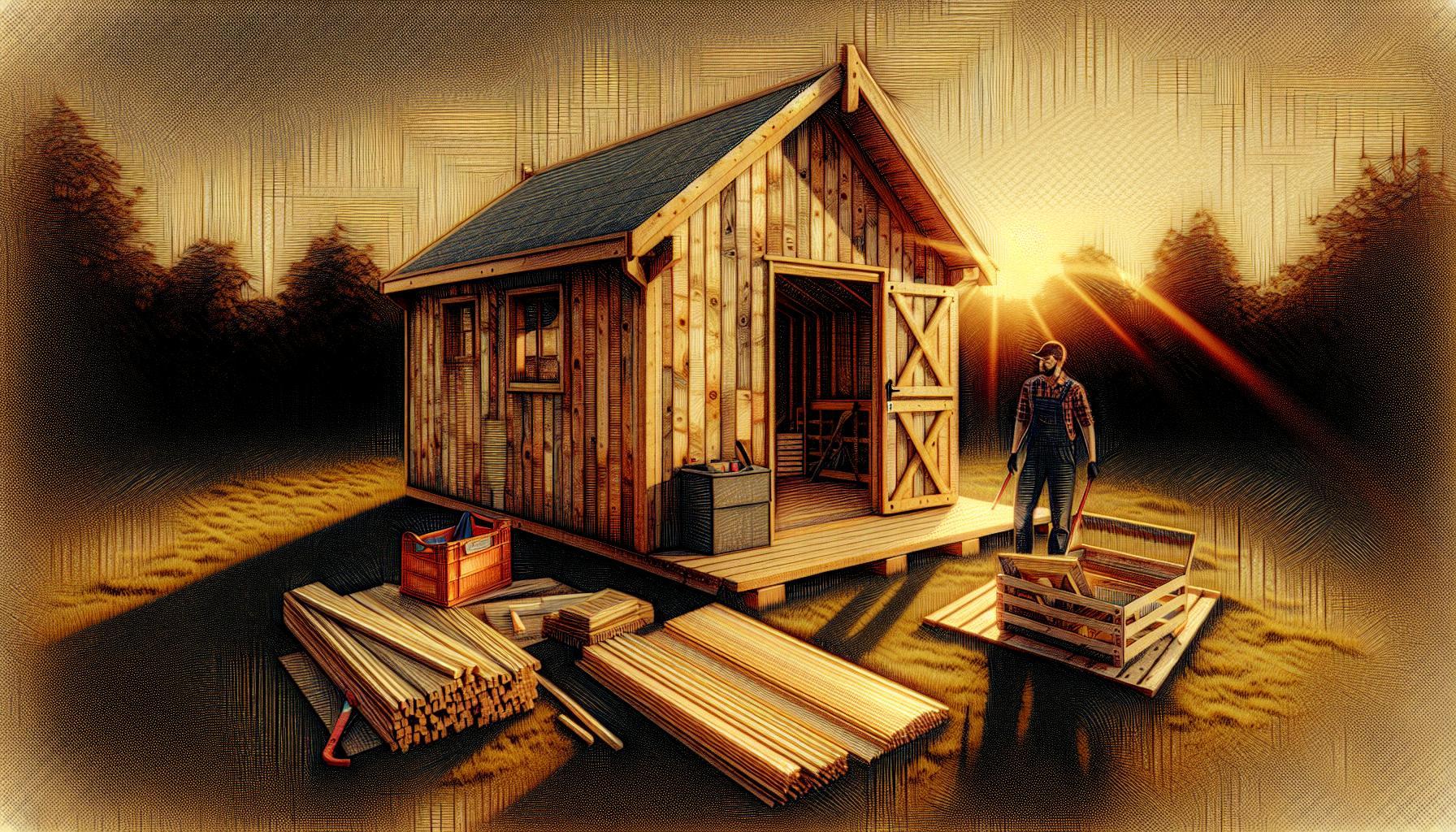
Building a shed can be a rewarding project, but many homeowners struggle with understanding the costs involved. In 2025, with fluctuating prices and materials, knowing how to budget effectively is crucial for ensuring you don’t overspend. This guide will break down the expenses, helping you plan your perfect outdoor space without breaking the bank.
Understanding the Basics: What Influences Shed construction Costs?
When planning your shed construction,understanding the various factors that influence costs is crucial for effective budgeting. Many people assume the price is determined solely by the choice of materials, but a multitude of variables plays a role in determining the total expenditure. This insight becomes particularly valuable when using resources like the ‘How Much Does It Cost to Build a Shed? 2025 Budget Planner,’ which can guide you through the essential elements that impact your financial commitment.
Key Factors Affecting Shed Construction Costs
Several elements contribute to the final price tag for your shed project. The following components are some of the most significant:
- Size and Design: The dimensions and complexity of the shed’s design directly impact material and labor costs. A larger shed not only requires more materials but also might necessitate additional labor for installation.
- Materials Used: The type of materials you opt for (wood, metal, vinyl, etc.) can significantly influence your budget. As an example, opting for premium-quality wood like cedar or redwood will drive up costs compared to standard plywood or OSB.
- Location: Your geographical area can dictate labor costs and material availability. Regions with a high cost of living may see a proportional increase in shed-building expenses.
- Site Preparation: Preparing the building site is often overlooked in budgeting. Factors such as leveling the ground,adding a foundation,and clearing debris can add significantly to the overall cost.
- permits and Regulations: Depending on your local municipality, obtaining the necessary permits can incur fees and may require changes to your initial design, increasing costs even further.
real-World Examples of Shed costs
To provide a clearer picture, here’s a simplified breakdown of potential costs associated with building a shed:
| Item | Estimated Cost |
|---|---|
| Basic 10’ x 12’ Wooden Shed | $1,500 – $3,000 |
| Premium 12’ x 16’ Vinyl Shed | $4,000 – $6,000 |
| Site Preparation and Foundation | $500 – $1,500 |
| Permits | $50 – $300 |
By taking these factors into account, you can better navigate the various considerations related to your shed project and utilize the ‘How Much Does It Cost to Build a Shed? 2025 Budget Planner’ effectively.This approach not only leads to a more informed decision-making process but also helps avoid common pitfalls that may lead to unexpected expenses. Whether you envision a basic storage space or a fully customized workspace, understanding these influences will put you in a stronger position to create the shed of your dreams.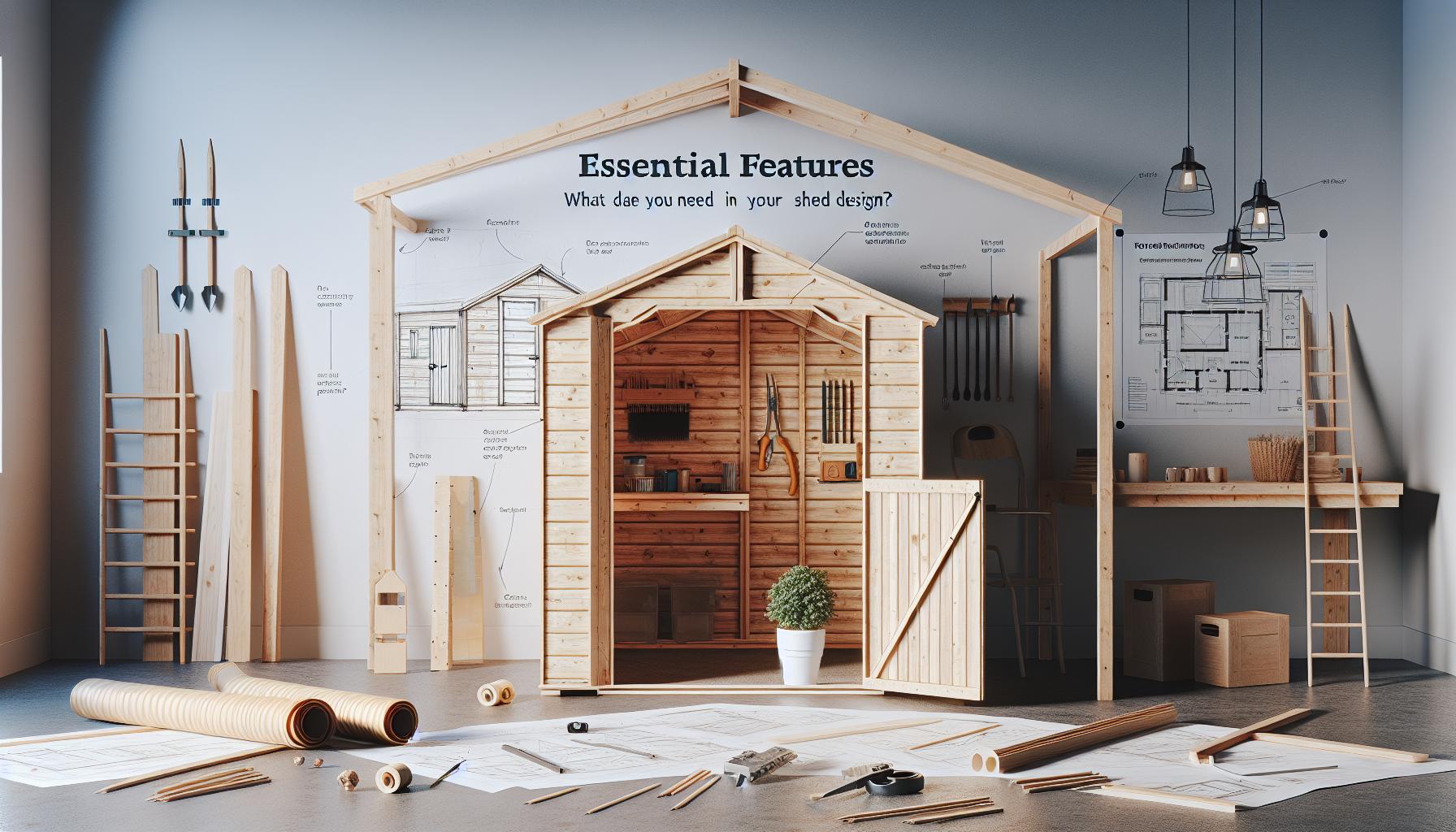
Essential features: What Do You Need in Your Shed Design?
Designing a shed is an empowering venture, offering not just a practical space, but also a chance to express personal style and preferences. When pondering how much does it cost to build a shed in 2025, understanding the necessary features becomes crucial in making informed decisions and staying within budget. From aesthetics to functionality, your design choices will influence overall costs and satisfaction in the long run.
one vital aspect of any shed design is size and layout. Consider how the shed will be used—whether for storage, a workshop, or perhaps even a garden retreat. Here are some factors to contemplate:
- Dimensions: Decide on the overall size based on what you’ll store or create. Typical sizes range from 8×8 to 12×20 feet.
- Wall Height: higher walls may allow for more storage overhead.
- Door Placement: Multiple entrances can improve accessibility.
Once you’ve settled on size, material choice is next on the list. Different materials impress upon durability, aesthetics, and maintenance costs. Common options include:
- Wood: A classic choice that offers warmth and customization but requires ongoing maintenance.
- Metal: More durable and low-maintenance, but may come with a higher initial cost.
- Vinyl: Offers weather resistance and longevity, with varying design options.
Incorporating lighting and ventilation is another essential feature. Natural light can make your shed feel more spacious and inviting, while good ventilation prevents moisture buildup, extending the lifespan of your materials. Consider features such as:
- Windows: Strategically placed to maximize light.
- Ventilation Grills: Allow fresh air to circulate.
think about the interior organization and utility. Adequate shelving, workbenches, and hooks can transform your shed from a cluttered space to an efficient workspace. custom designs for shelving can be done according to your specific needs, which is an critically important consideration when budgeting your project.
The decisions you make regarding these essential features can significantly influence how much it costs to build a shed in 2025.it’s important to prioritize what’s crucial for your specific needs while keeping the budget in mind to create the perfect balance between functionality and cost-effectiveness.
Breaking Down the Budget: Key Expenses in Shed Building
Building a shed can be an exciting project that provides valuable storage space or a dedicated area for hobbies and crafts. However, before diving in, it’s crucial to understand the financial landscape surrounding this endeavor. The costs associated with shed construction can vary widely based on several key factors, including materials, size, and labor. By breaking down these expenses, you can better prepare your budget and avoid unexpected financial burdens.
Key Expense Categories for shed Construction
To create a extensive budget, focus on the major categories of expenses that will impact the overall cost.Here’s a breakdown of the main components to consider:
- materials: The choice of materials significantly influences the total price. Common options include wood, metal, or vinyl, each presenting unique pros and cons. for instance, wood offers a classic aesthetic but may require more maintenance over time, while metal can provide increased durability.
- Size & Design: The dimensions of your shed play a critical role in determining material and labor costs. A larger footprint may require additional structural support and materials, impacting your budget. Custom designs typically incur higher costs compared to standard models.
- Foundation: A solid foundation is paramount to the longevity of any shed. Costs can vary depending on whether you choose a concrete slab, treated wood skids, or gravel footing. Each option has different material and installation costs associated with it.
- Labor: If you’re not an experienced DIYer, hiring professionals will add to your budget. While it could save you time and ensure quality, it’s essential to get several quotes to find a balance between cost and expertise.
- Permits & Inspections: Depending on where you live, local regulations may require building permits, which can incur fees. It’s vital to check with your municipality to incorporate these potential costs into your budget.
Estimated Costs Overview
Understanding the potential expenses in each category can help you better gauge how much to allocate for your shed project. Below is a table summarizing average costs based on various factors:
| Expense Category | Estimated Cost range |
|---|---|
| Materials | $500 – $3,000 |
| Size & Design | $1,000 – $5,000+ |
| Foundation | $200 – $2,000 |
| Labor | $300 – $1,800 (if applicable) |
| Permits & Inspections | $50 – $500 |
By comprehensively analyzing these key expenses, you can approach your shed-building project with clarity and confidence.Planning allows you to make informed decisions that align with your financial goals, ensuring that the question of “How Much Does It Cost to Build a Shed? 2025 Budget Planner” leads to a meaningful and well-executed outcome. Incorporating these insights into your preparation process will help in realizing your ideal shed without incurring unforeseen costs.
DIY vs. Professional Help: Making the Right Choice for Your Budget
when it comes to building a shed, the choice between a DIY project and hiring professional help often boils down to budget, skills, and time constraints. For those who are handy with tools and enjoy embarking on home enhancement tasks, taking the DIY route can be an invigorating challenge that not only saves money but also adds a personal touch to the structure. Though, if you’re unsure of your abilities or time is not on your side, hiring a professional can alleviate stress and ensure the project is completed to high standards.
### Assessing Your Skills and Time
Before deciding on which path to take, it’s essential to evaluate your skills and how much time you can realistically dedicate to the project.Ask yourself questions like:
- Do I have experience with woodworking or construction?
- Am I agreeable using tools like saws, drills, and levels?
- How much time can I commit to building the shed?
If you’re a novice, understanding the basic construction techniques might require additional research or time. Conversely, seasoned DIY enthusiasts can often complete a shed in a weekend, thus saving money on labor costs.### Cost Considerations
The difference in expenses between a DIY project and hiring professionals can be significant. A rough cost break down may look like this:
| Expense Type | DIY Cost | Professional Cost |
|---|---|---|
| Materials | $500 – $1,500 | $500 – $1,500 |
| Labor | 0 | $1,000 – $3,000 |
| Permitting | Varies by location | Varies by location |
| Total Estimated Cost | $500 – $1,500 | $1,500 – $4,500 |
As indicated, if you opt for a DIY approach, you could significantly reduce costs by eliminating labor fees. However, it’s crucial to factor in potential mistakes or the need for additional materials if you’re learning along the way.
### When to Call It Quits
there are circumstances where it makes more sense to hire a professional, irrespective of your budget. These situations can include:
- The project scope is larger than expected, requiring more time and resources.
- Local building codes necessitate permits or inspections that might be complex for a novice.
- You lack specialized skills—like electrical or plumbing work—that may be needed.
Weighing the joys of a DIY project against the expertise offered by professionals is crucial when determining how much it genuinely costs to build a shed. A well-planned budget will accommodate either route, ensuring that whether you roll up your sleeves or hire a contractor, the end result meets your needs and expectations.
Choosing Materials Wisely: Cost-Effective Options for durability
Selecting the right materials can significantly influence both the longevity and overall cost of your shed project.Investing in durable, quality materials frequently enough means fewer repairs and replacements over time, leading you to eventually spend less. In the context of your 2025 budget planner, understanding your materials can help you balance quality with affordability, ensuring that you make choices that align with your vision and financial constraints.
Types of durable Materials
When it comes to building a shed, consider these cost-effective options that offer a blend of durability and affordability:
- Pressure-Treated Lumber: This type of lumber is treated to resist rotting and insect damage, making it a smart choice for your shed’s framework and base.
- Vinyl Siding: Even though it might have a higher upfront cost, vinyl siding requires little maintenance and lasts longer than wood, which can suffer from weather-induced wear.
- Metal Roofing: an excellent investment for long-term durability, metal roofs can withstand harsh elements and typically have warranties that last several decades.
- Composite Decking: For outdoor flooring, composite materials combine wood and plastic fibers, providing significant resistance to weathering, splintering, or decay.
Budgeting for Materials
In your quest to figure out how much it costs to build a shed, it’s crucial to integrate material costs into your budget planner effectively. Here’s a simple table to help you visualize potential expenses based on the material choices mentioned:
| Material | Estimated Cost per Square Foot | Durability Rating (Years) |
|---|---|---|
| Pressure-Treated Lumber | $2.50 – $5.00 | 15 – 30 |
| Vinyl Siding | $3.00 – $7.00 | 20 – 40 |
| Metal Roofing | $4.00 – $9.00 | 30 – 50 |
| Composite Decking | $3.50 – $10.00 | 25 – 30 |
Selecting suitable materials can set the tone for the project, allowing you to create a shed that not only meets your immediate needs but also serves you well into the future. By integrating durable options and sticking to your budget, you empower yourself to create a functional and resilient space without breaking the bank, making your 2025 shed-building endeavor a resounding success.
Hidden Costs to Anticipate: Planning for the Unexpected
When planning a shed construction project, unexpected expenses can quickly add up, turning your budget into a source of stress rather of satisfaction. Hidden costs are often overlooked but can significantly impact your overall spending, making it crucial to anticipate them early in the planning process. Understanding these potential pitfalls is essential for anyone asking, “How Much Does It Cost to Build a Shed? 2025 Budget Planner.”
Common Hidden Costs to Consider
It’s not just the materials and labor that can drain your funds. Here are some typical hidden costs that could arise during your shed-building journey:
- Permit Fees: Depending on your locality, building a shed may require a permit that can come with fees and processing time, which might have been underestimated.
- Site Preparation: Many homeowners overlook the costs associated with preparing the building site, including clearing, leveling, and possibly even excavation.
- Foundation Work: A stable foundation is key, and if your location requires more than basic skids or blocks, the cost can escalate.
- Upgraded Materials: Choosing more durable or aesthetically pleasing materials for roofing or siding often adds extra cost compared to standard options.
- Utility Connections: If you plan to run electricity or plumbing to the shed, installation and connection fees can be significant.
- future Maintenance: Building your shed with specific materials may have varying costs related to maintenance and repairs that you should factor in.
Real-World Example: Budgeting for the Unexpected
Consider a homeowner who initially estimated spending $3,000 on thier shed construction, focusing solely on materials and labor.After closing in on the construction, they unearthed additional expenses totaling approximately $1,500:
| Expense Category | Estimated Cost | Total After Surprises |
|---|---|---|
| initial Construction Cost | $3,000 | $3,000 |
| Permit Fees | $200 | $3,200 |
| Site Preparation | $300 | $3,500 |
| Foundation Work | $400 | $3,900 |
| Utility Connections | $600 | $4,500 |
| Upgraded materials | $1,000 | $5,500 |
Ultimately, the final cost ballooned to $4,500 due to underestimated expenses.This example illustrates the importance of a thorough budget that incorporates various possible hidden costs when seeking answers to “How Much Does It Cost to Build a Shed? 2025 Budget Planner.”
Anticipating these hidden costs not only prepares you financially but can also provide peace of mind as you embark on your shed-building project. By being proactive and thorough in your planning, you can ensure a smoother construction experience, allowing you to enjoy your new shed without the burden of unexpected financial strain.
Cost-Saving Tips: How to Trim Your Shed Budget Without Compromising Quality
Many DIY enthusiasts are surprised to discover how manageable the cost of building a shed can be with the right planning. By strategically trimming your budget, you can enjoy the fruits of your labor without feeling financial strain. Here are some practical strategies you can implement to ensure that your shed project aligns with your budgetary expectations while maintaining quality.
Plan and Design Wisely
One of the first steps in your budgeting process should involve careful planning. Consider these tips:
- Opt for a Simple Design: Complex shapes or features in your shed can lead to increased labor and materials costs.A rectangular or square design often saves money and time.
- Utilize Free Resources: Many websites offer free shed plans and blueprints.Leverage these resources rather of purchasing expensive design software or professional plans.
- List Your Must-Haves: Create a list of essential features and be prepared to forgo extras that can inflate costs.
Choose the Right Materials
Selecting the right materials can have a significant impact on overall costs. Consider the following:
- Compare Prices: Take the time to explore multiple suppliers and local hardware stores to find the best prices for lumber, roofing materials, and siding.
- Consider Alternatives: Rather of premium lumber, look for treated or reclaimed wood. These options can be less expensive while still providing durability.
- Buy in Bulk: If you have space for storage, buying materials in bulk quantities may yield substantial savings. Group purchases with neighbors embarking on similar projects can also reduce costs.
Reduce labor Costs
Labor is often one of the most considerable expenses when building a shed. Here are a few ways to minimize this cost:
- Do It Yourself: If you have the skills, tackling the project yourself can save you hundreds, if not thousands, of dollars. Online tutorials can guide you through the more complex elements.
- Gather Friends and Family: Invite friends or family members to help you with construction. Not only does this cut costs, but it can also make for a fun weekend project.
- Hire Wisely: If you must hire help, scout for local handymen who may charge less than larger contractors, or consider negotiating prices or bartering services.
with strategic planning and smart decisions about materials and labor, you can effectively manage the costs associated with constructing your shed. By adhering to these tips, you can ensure that your project not only fits within your financial goals but also stands the test of time in terms of quality. Consider how these insights align with the comprehensive budget outlined in ‘How Much Does It cost to Build a Shed? 2025 Budget Planner,’ and make adjustments as needed to maximize your investment in your outdoor space.
Planning Your Project Timeline: Balancing Time and Budget for Success
Balancing the intricacies of time and budget is crucial for anyone contemplating a shed project. With the costs varying widely based on size, materials, and design features, understanding how much it costs to build a shed can guide your planning efforts effectively. A clear timeline not only helps you manage your expectations but also ensures that your financial outlays remain aligned with your project’s goals.
Establishing a Realistic Timeline
To create an effective project timeline, begin by identifying the key phases of your shed construction, from planning and design to materials procurement and actual construction. Consider breaking these phases down into actionable steps:
- Define Your Requirements: What size and features does your shed need?
- Budget Allocation: Determine how much money you can allocate for the project.
- Research and Planning: Investigate different materials and quotes from contractors if necessary.
- Execution: Set specific time frames for the purchase of materials and the construction process.
By setting specific deadlines around each of these steps, you can keep your project moving forward smoothly. Use productivity tools or project management apps to help you stay organized, visualize the timeline, and allocate time effectively.
Balancing Budget with Time Constraints
Understanding the cost implications of your timeline is equally critically important. speedy construction often leads to higher costs; thus, moderate your timespent appropriately. Here’s how to balance both:
| Phase | Estimated Time | Cost Implications |
|---|---|---|
| Planning | 1-2 weeks | Minimal; primarily labor on your part |
| Material Sourcing | 2-3 weeks | Potential savings by shopping around |
| Construction | 1-2 weeks | Higher costs if rushed; consider DIY if skilled |
As you decide on your plans, remember that adequate research early on can save you both time and money later. And keep in mind that by effectively communicating with suppliers and contractors, you can negotiate better prices, even when working under tight timelines.
Frequently asked questions
How Much Does It Cost to Build a shed? 2025 Budget Planner?
The cost to build a shed in 2025 typically ranges from $1,500 to $5,000, depending on size, materials, and design complexities.
Factors like materials (wood, metal, or vinyl), size, and local labor rates heavily influence the overall cost. An accurate budget will help you avoid unexpected expenses and ensure you get the best value for your project.
what factors affect the cost of building a shed?
Several factors impact the cost of building a shed, including materials, size, and type of foundation.
As an example,a basic wooden shed could cost less than a high-end metal structure. Additionally, if you choose to have a concrete foundation versus a gravel base, it will significantly alter your budget.
Can I save money on my shed by building it myself?
Yes,building your own shed can lead to significant cost savings,possibly reducing the total by 30% or more.
By handling construction duties, you eliminate labor costs, allowing you to invest more in quality materials. However, ensure you’re prepared for DIY challenges—having clear plans and the right tools is essential for a successful project.
What are the typical sizes of storage sheds and their costs?
Storage sheds usually range from 8×8 feet to 12×20 feet,with prices varying based on size.
An 8×8 shed might cost around $1,200, while a larger 12×20 structure could exceed $4,000. Understanding your needs can definitely help determine which size fits your budget and storage requirements. For detailed planning, check our shed planning guide.
Why does the location affect the cost of building a shed?
the location can greatly affect shed costs due to variations in material prices,permits,and labor rates.
in urban areas, you might face higher labor costs compared to rural locations. Additionally, zoning regulations might require extra permits, adding to overall expenses. understanding local regulations can help you avoid unexpected costs during your shed construction.
What types of materials should I consider for my shed?
Common materials for shed construction include wood, metal, and plastic, each offering unique benefits and costs.
Wood provides an appealing, rustic look but may require more maintenance.Metal offers durability but can be more expensive upfront. Plastic sheds are often low-maintenance and lightweight but can lack the size and sturdiness of conventional options.
Can I finance my shed construction project?
Yes, many financing options are available for shed construction, including personal loans and credit cards.
Some suppliers may even offer financing plans allowing you to manage payments over time. Review your budget and financing options to make an informed decision that aligns with your financial situation.
To Conclude
As you embark on the exciting journey of building your own shed, it’s essential to keep in mind the various costs that come with this project. From materials and tools to permits and optional upgrades, understanding your budget is crucial for a successful outcome. Remember, investing in quality materials today can save you time and money in the long run.
We’ve broken down the key factors of shed construction, equipping you with the knowlege to confidently make informed decisions. Don’t be daunted by challenges—every DIYer faces hurdles,but with the right approach and planning,you can turn these obstacles into opportunities for learning and growth.
we encourage you to not only utilize this budget planner but also to explore your unique design preferences and functional needs for your shed. Whether you’re crafting a cozy retreat for gardening tools or a stylish workspace, each step you take adds value and character to your project.Now is the time to grab your tools,unleash your creativity,and start building the shed of your dreams. Embrace the process, and remember that every great craftsmanship begins with a solid foundation—both literally and figuratively. Happy building, and don’t hesitate to share your progress or seek advice along the way!
Get our latest guides, news, and insights highlighted in your Google Search & AI Overviews.