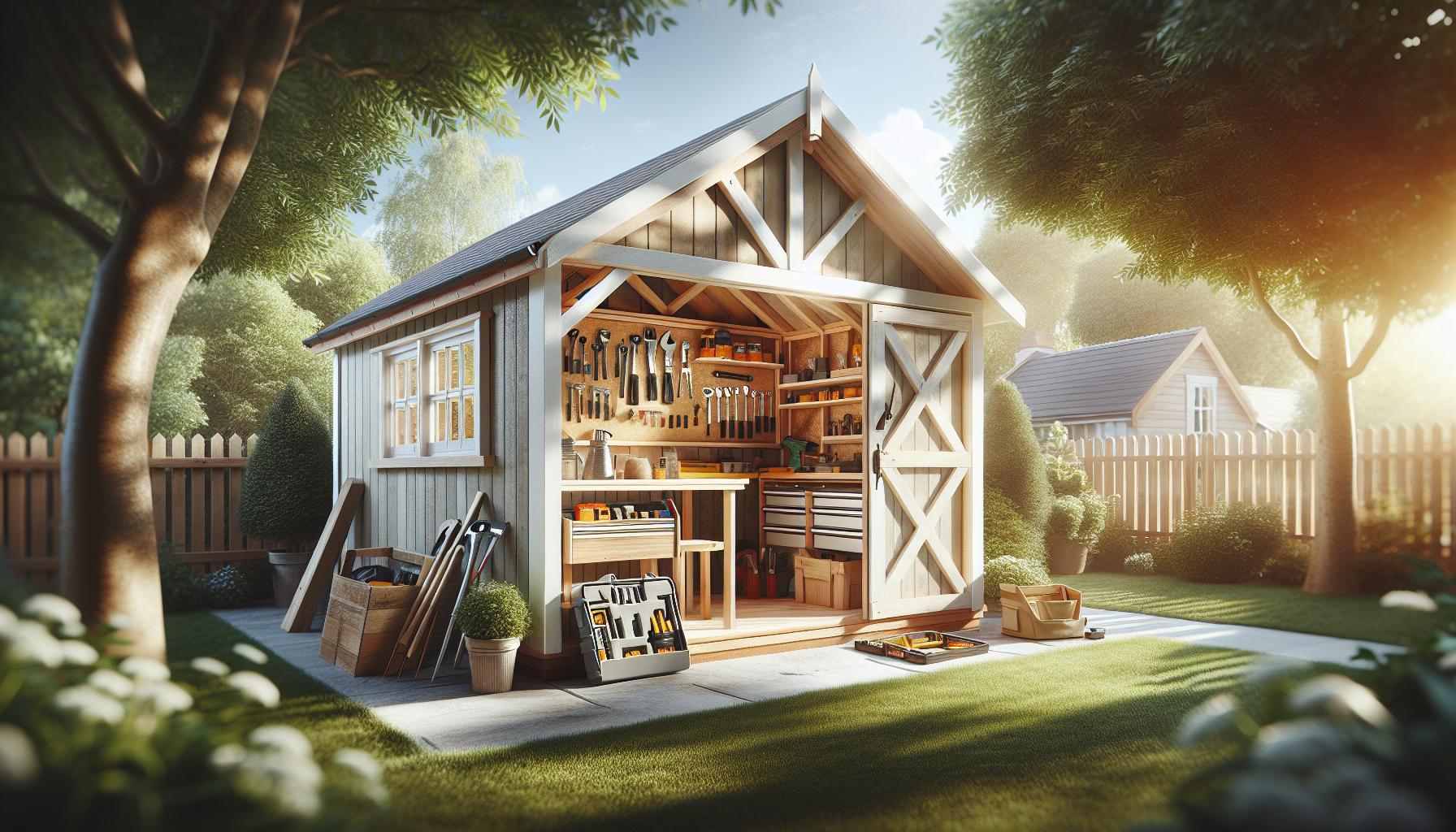
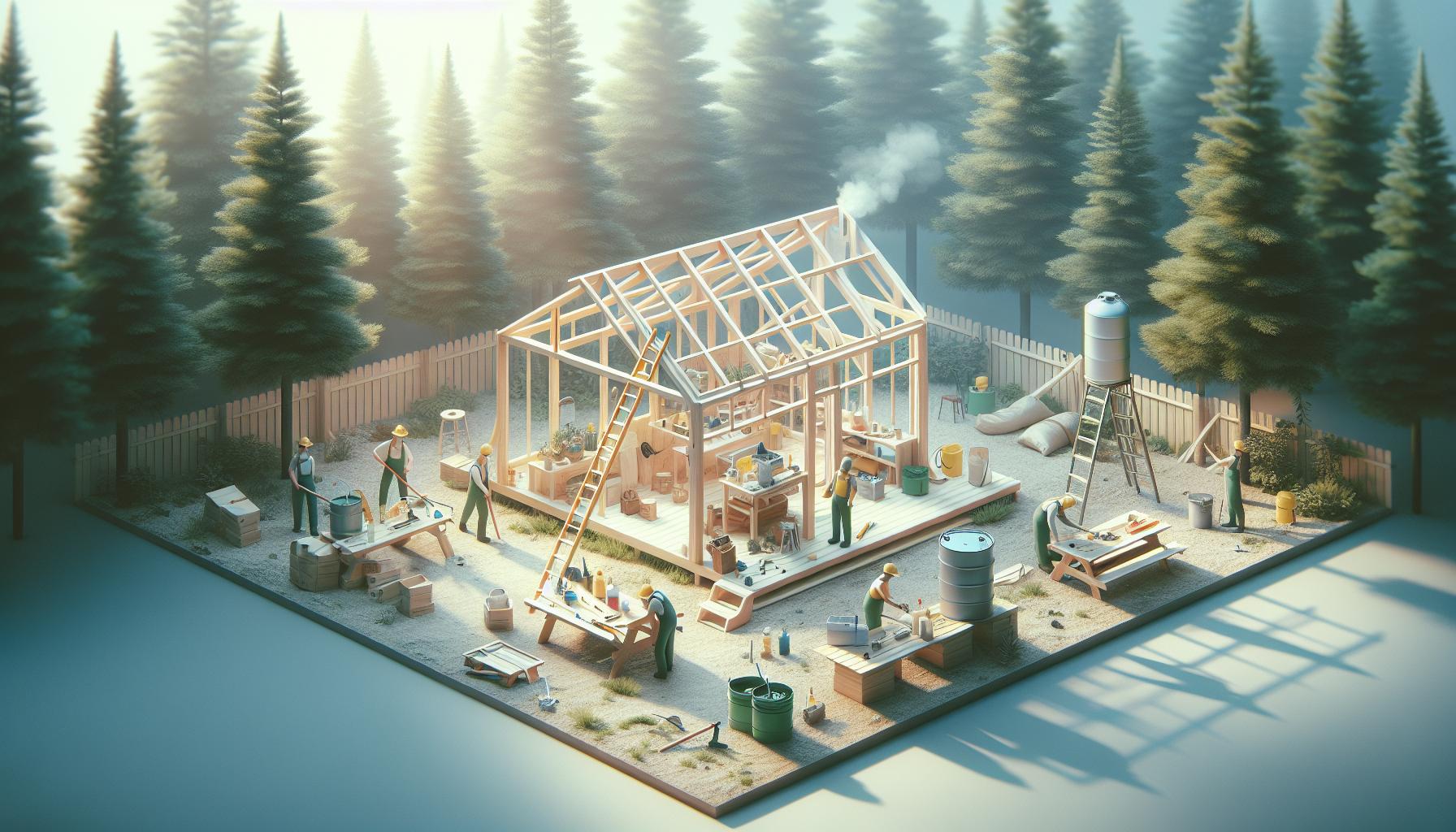
Building a durable storage solution can feel daunting,especially when seeking to combine functionality with aesthetic appeal. Understanding how to utilize natural materials not only enhances the longevity of your wooden structures but also contributes to a sustainable environment.This guide simplifies the process, ensuring quality and lasting results for your next project.
Choosing the Right Wood: essential Types for Your Shed Project
Selecting the right type of wood is crucial to the success and longevity of your shed project.Different wood species not only vary in appearance but also in durability, weight, and resistance to weather conditions, making some more suitable than others depending on your specific needs and local climate. By understanding the characteristics of each type of wood, you can ensure that your wooden shed not only meets your aesthetic preferences but also stands the test of time.
Common Wood Types for Your Shed
When embarking on your shed construction journey, consider the following wood options:
- Pressure-Treated lumber: Ideal for ground contact and resistance to rot, pressure-treated wood is often the go-to choice for constructing the base of your shed. This type of wood is infused with preservatives that extend its durability against moisture and pests.
- Cedar: Renowned for its natural resistance to decay and insects, cedar is a popular choice for siding and roofing.It offers an appealing look and pleasant aroma but may require periodic maintenance to preserve its color and integrity.
- Redwood: Similar to cedar in terms of durability and aesthetics, redwood is highly resistant to warping and cracking. Its vibrant color adds an elegant touch to your shed,although it often comes at a higher price point.
- Plywood: This engineered wood is useful for wall structures and storage shelves within your shed. It is available in various grades, with higher quality plywood offering better strength and moisture resistance.
Factors to Consider When Choosing Wood
When selecting wood for your shed, keep in mind the following considerations:
- Environmental Conditions: Assess the weather patterns in your area. If you live in a region with high humidity or heavy rainfall,opt for woods that naturally resist moisture.
- Budget: High-quality wood can considerably increase your project costs, so weigh your options based on budget constraints while still considering long-term durability vs. short-term savings.
- Maintenance requirements: Some woods demand more upkeep than others. For example, while cedar and redwood have a natural aesthetic appeal, they may need regular staining or sealing to combat fading over time.
Conclusion
Choosing the right wood for your shed is not merely a matter of preference; it’s about understanding the unique properties of each type and how they align with your project goals. From pressure-treated lumber for structural components to visually striking cedar or redwood for aesthetics,careful consideration will contribute significantly to the performance and beauty of your wooden shed. Remember, a well-chosen material is a key pillar in the guide on how to build wooden sheds with lasting results.
Preparing Your Site: Steps for a Solid Foundation
When embarking on the journey of constructing a wooden shed, understanding the significance of a solid foundation cannot be understated. Imagine pouring effort into building your shed only for it to settle unevenly or, worse, topple due to poor ground preparation.Laying a proper foundation requires both careful planning and execution; here are essential steps to achieve a robust base for your structure.
Assess the Ground Condition
Begin by evaluating the area where you plan to place your shed. Look for any signs of uneven terrain, water drainage issues, or vegetation that may obstruct your foundation’s stability. If the site is already nearly level, your job becomes easier. However,if adjustments are needed,spreading 3/4-inch crushed stone can significantly level the ground,providing a solid base [[3]].
Plan and Prepare the Site
Before digging, make sure to mark the outline of your shed using stakes and a string line. This will help you visualize the space and ensure accurate dimensions. Once marked, clear the area of grass, rocks, and debris.If your shed will be built on a slope, establishing a wooden perimeter can help contain the soil and gravel, preventing erosion and maintaining the integrity of your foundation [[1]]. Consider also compacting the soil if the site is soft or loose to create a firmer base.
Lay the Foundation
With the site prepared, you can now focus on laying the foundation. There are several options available,including gravel pads,concrete slabs,or treated lumber. If you choose a gravel foundation, pour the gravel to a depth of 4 to 6 inches and ensure it is compacted and leveled. For a concrete slab, pour the pad 1/2 inch less than the dimensions of the building, allowing for the thickness of the treated bottom plates that will protect your shed from moisture and rot [[2]].By meticulously preparing your site, you ensure that your investment in building a wooden shed with natural materials yields lasting results. A strong foundation will not only support the structure but also enhance its longevity, allowing you to enjoy your shed for many years to come.
Design Considerations: Creating a Functional and Attractive Shed
When envisioning the perfect shed, the blend of functionality and aesthetic appeal is crucial.Not only does a well-designed shed enhance your outdoor space, but it also serves as an organized storage solution for tools, equipment, and seasonal items. By prioritizing design considerations, you can create a structure that not only meets your practical needs but also complements your landscape.
Key Design Features
A well-considered shed design incorporates several essential features that contribute to its functionality and attractiveness.Begin with the layout. The footprint of your shed should allow easy access to all stored items without the need to navigate around obstacles. This can include designated zones for different types of items, such as:
- Sturdy Shelving: Maximizes vertical space and keeps smaller tools organized.
- Lockable Cabinets: Provides security for valuable equipment and ensures a clutter-free environment.
- Open Space: Designate an area for bulky equipment like bikes or lawnmowers, allowing for straightforward access.
Incorporating these elements ensures that a shed is not just a storage space,but a pivotal part of your garden’s ecosystem.
Materials Matter
The choice of materials significantly impacts the longevity and appearance of your shed. Using natural materials is a key theme from the article on constructing a wooden shed. High-quality timber can enhance the shed’s aesthetic and provide durability against the elements. Consider using:
| Material | Benefits | Considerations |
|---|---|---|
| Redwood | Natural resistance to decay and pests | Higher cost, may require treatment |
| Cedar | appealing aroma, lightweight | Slightly softer, prone to dings |
| Pine | Cost-effective, easy to handle | Needs regular maintenance, less durable |
Each material presents unique advantages and challenges, so select one based on your budget and the shed’s intended use.
Design Aesthetics
To ensure your shed integrates seamlessly with your yard, consider its color and architectural style. The shed should reflect the overall theme of your property; for instance, a rustic barn-style shed can enhance a farmhouse aesthetic, while a sleek, modern design can complement contemporary homes. Adding elements like windows, strategic landscaping, or decorative accents can elevate the structure’s visual appeal.
Incorporating thoughtful design considerations in your shed project will lead to a result that is both functional and an attractive feature in your outdoor space.Not only will it fulfill practical storage needs, but it will also enhance your property’s charm, proving that a well-built wooden shed can truly make a difference.
Essential Tools and Materials: What You’ll Need Before You Start
to ensure a successful and efficient project, gathering the right tools and materials is crucial when embarking on the journey of constructing a wooden shed with natural materials. Not only does this preparation make the building process smoother, but it also enhances the durability and longevity of your structure. Understanding what you’ll need ahead of time is an essential step in learning how to build a wooden shed that stands the test of time.
Essential Tools
Equipping yourself with the right tools is the first step in any construction project. Here’s a list of must-have tools:
- Measuring Tape: For accurate measurements and ensuring everything fits perfectly.
- Level: To keep your structure straight and ensure your floors and walls are even.
- power Drill: Useful for drilling holes and driving screws quickly and efficiently.
- Circular Saw: Essential for cutting wood to the correct dimensions.
- Hammer: A classic tool, necessary for driving nails and assembling pieces.
- Safety Gear: such as eye protection and gloves to keep you safe while working.
Materials You Will Need
The materials you choose have a meaningful impact on the quality and lifespan of your shed. Below are the core materials that you should gather:
| Material | Purpose | Recommendations |
|---|---|---|
| Pressure-Treated Lumber | Used for the foundation and framework to prevent rot. | Choose 2×4 or 2×6 for walls and supports. |
| Plywood | Flooring and walls, providing structural integrity. | Opt for 3/4″ thick plywood for strength. |
| Roofing Material | Protects your shed from the elements. | Consider asphalt shingles, metal, or wood shakes for durability. |
| Fasteners | Connects all materials securely. | Use galvanized screws and nails to prevent rust. |
By carefully selecting each tool and material, you set the foundation for your shed’s quality and endurance. Whether you aim to create a simple storage space or a more elaborate workspace, equipping yourself with the right gear helps pave the way for a successful build while ensuring that your efforts resonate with the principles of how to build a wooden shed using natural materials.
step-by-Step Construction: building Your Shed with Confidence
Building a shed is not just a project; it’s an chance to enhance your outdoor space with functionality and style. Whether you need extra storage for gardening tools or a dedicated workshop, constructing a wooden shed using natural materials offers durability and aesthetic appeal. The process can seem daunting, but with a clear step-by-step approach, you can tackle this project with confidence.Here’s how to get started.
foundation and Structure
The foundation is crucial—consider it the backbone of your wooden shed. Start by selecting a flat, dry area and prepare your site by removing any grass or debris. You can choose between a concrete slab or concrete blocks for a more traditional wooden base. This ensures stability and protects against moisture. Once your foundation is in place, it’s time to build the floor frame. Use treated lumber to construct a solid frame that can support the weight of your shed and its contents.
Assemble the floor sheeting, typically using plywood, ensuring it is securely fastened to the frame. This step enhances the strength and can definately help insulate your shed from ground moisture. Afterward,proceed to frame the walls. Use vertical studs spaced about 16 inches apart to provide excellent structural integrity and allow for the installation of insulation if desired.
Wall and Roof Assembly
With your walls framed, it’s time to make them weather-resistant. Cover each wall with exterior siding; materials like cedar or pine are suitable for their durability and natural beauty. Once siding is secured, you can assemble the roof frame. A gable-style roof is a popular choice for its design and ability to shed rain and snow effectively. Ensure the rafters are placed securely and provide adequate support for your roofing materials.
When the roof frame is ready, cover it with plywood to create a solid base for your roofing material. add asphalt shingles for a traditional look that offers excellent weather protection.Be sure to follow the manufacturer’s instructions for proper installation techniques and layering to ensure your shed remains leak-proof.
Finishing Touches
Once the main structures are in place, the finishing touches can personalize your shed. Install windows for natural light, and paint or stain the exterior to match your home or garden aesthetics. Consider installing shelving or workbenches inside to optimize storage and use space efficiently.With the right natural materials and meticulous steps, your wooden shed can stand the test of time while enhancing your home’s outdoor charm.
Remember, taking your time at each phase of construction not only ensures a better outcome but also allows for a sense of accomplishment as you observe your shed transform from a concept into a functional structure. By following these steps on how to build a wooden shed with an emphasis on natural materials, you’ll create a lasting result that enhances your outdoor experience.
Weatherproofing and Finishing Touches: Ensuring Longevity
Creating a wooden shed that stands the test of time involves careful attention to weatherproofing and adding finishing touches. A well-prepared shed not only enhances your outdoor aesthetics but also protects your valuable tools or equipment from the unpredictable elements. The right steps ensure longevity and sustainability in your shed-building project while aligning with the principles of using natural materials.
Essential Weatherproofing Techniques
To start, consider the external weather conditions your shed will face. Here are some effective strategies to protect your investment:
- elevate Your Shed: Ensure your shed is elevated from direct ground contact. This helps prevent water from seeping in during rainy seasons and minimizes the risk of rot.
- Seal All Gaps: Inspect your shed for any cracks or gaps, notably around windows and doors. Use caulk or weather strips to seal these openings, enhancing insulation and keeping out moisture and pests.
- Roof Protection: The roof is one of the most crucial areas for weatherproofing. Consider installing a quality waterproof membrane or shingles designed for durability to shield against rain and snow.
- Regular Maintenance: schedule periodic inspections to look for signs of wear. Re-treating wood surfaces with protective finishes or preservatives every year can greatly extend the lifespan of your shed.
Finishing Touches for Longevity
While weatherproofing is essential, the finishing touches complement your wooden shed’s resilience and aesthetic appeal. These additions not only enhance functionality but also contribute to the overall look of your shed:
- Wood Preservatives: Apply a high-quality wood preservative to protect against moisture,UV rays,and pests. This should be done at least once a year for optimal protection.
- Paint or Stain: Choose a stain that matches your aesthetic preferences; it acts as a barrier against moisture while showcasing the natural beauty of the wood.
- Enhancing Accessibility: Install sturdy shelves, hooks, or pegboards inside your shed to maximize space and keep your tools organized, allowing for easy access and maintenance.
By focusing on how to build a wooden shed with robust weatherproofing and thoughtful finishing touches, you create a durable structure that serves your needs for years to come. Prioritizing these steps not only ensures protection against environmental challenges but also enriches the overall functionality and charm of your outdoor space.
Maintenance Tips: Keeping your Wooden Shed in Prime Condition
To ensure your wooden shed remains a functional and attractive storage space for years to come, proactive maintenance is essential. Regularly caring for your wooden structure not only enhances its aesthetic appeal but also extends its lifespan. A well-maintained shed is less prone to issues like rot, insect infestations, and structural damage. Here, we’ll explore essential tips for keeping your wooden shed in prime condition.
Establish a Cleaning Routine
A thorough cleaning regime is the first step in maintaining your wooden shed. At least twice a year, you should:
- Remove debris: Clear out any leaves, twigs, or dirt that may have accumulated inside and around the base of the shed.
- Wash the exterior: Use a soft brush and mild detergent to clean the wood siding. This helps prevent mold and mildew growth.
- Inspect for pests: Look for signs of wood-boring insects or rodents and take appropriate measures to address any infestations.
Conduct Regular Inspections
Periodic inspections can catch small problems before they escalate into costly repairs. Check your shed every season,focusing on key areas:
- Look for leaks: Examine the roof and walls for any signs of water damage or leaks that could compromise the wood.
- Examine hardware: Ensure that doors and windows open smoothly — lubricate hinges and latches to maintain functionality.
- Inspect the foundation: Make sure your shed is level and that the base remains free of rot, especially if it’s built on wood skids.
Protect the Wood
Preserving the integrity of your shed’s wooden materials is crucial. Follow these steps:
- Seal and stain: Apply a wood preservative every few years to protect against moisture and UV damage. Choose products specifically designed for outdoor and shed use.
- Monitor ventilation: Ensure that there is adequate ventilation to prevent humidity buildup, which can contribute to rot and mold.
- Regularly treat for pests: use eco-pleasant treatments to deter pests while keeping your shed and its contents safe.
by implementing these maintenance tips derived from the principles in ‘How to Build Wooden Shed: Natural Materials for Lasting results’, you can enjoy a durable, efficient, and well-preserved wooden shed. Engaging in these practices will not only protect your investment but will also keep it looking fresh and functional for all your storage needs.
Frequently asked questions
What are the best materials for building a wooden shed?
the best materials for building a wooden shed include high-quality timber, plywood, and treated lumber. These materials ensure structural integrity and longevity. When selecting wood, consider naturally weather-resistant options like cedar or redwood for a durable finish.
Engineered wood is also a great choice, offering both strength and a beautiful appearance. It combines the best aspects of natural wood with enhanced durability against the elements.For further insights on materials, visit this expert guide.
How do I prepare the site for building a wooden shed?
Preparing the site involves clearing the area, leveling the ground, and providing a solid foundation. Ensuring a solid base helps prevent moisture-related issues that can compromise your shed’s structure.
Consider using a concrete slab or gravel foundation as they provide excellent stability. This is particularly important if your shed will hold heavy equipment.Proper site preparation lays the groundwork for a successful construction project.
can I build a wooden shed myself?
Yes, you can build a wooden shed yourself! With the right plans and tools, DIY enthusiasts can successfully tackle this project.Start by following detailed instructions that guide you step-by-step through the process.
Always check local building codes and regulations before you begin. Engaging in DIY not only saves costs but also allows you to customize your shed according to your needs. Remember, practice makes perfect!
Why does proper ventilation matter in a wooden shed?
Proper ventilation is essential in a wooden shed to prevent moisture buildup, which can lead to mold and decay. Adequate airflow helps maintain a stable environment inside, protecting your stored items and the shed structure.
Consider installing vents or windows to enhance airflow. This simple measure can prolong the life of your shed and keep it in good condition. Good ventilation is a key aspect of maintenance that shouldn’t be overlooked.
What tools do I need to build a wooden shed?
To build a wooden shed,essential tools include a circular saw,drill,level,tape measure,and hammer. These tools help you cut, assemble, and secure various shed parts effectively.
Additionally, having safety gear like gloves and goggles is recommended. You might also consider a nail gun for quicker assembly. Preparing your tools before starting will make the construction process smoother and more enjoyable.
How to protect a wooden shed from the elements?
To protect a wooden shed from the elements, apply a high-quality sealer or stain to enhance its resistance against moisture, UV rays, and pests. regular maintenance is crucial to extending its lifespan.
Consider using a roof with appropriate overhangs and installing gutters, which can direct rainwater away from the shed. These preventative steps will help ensure that your wooden shed remains durable and aesthetically pleasing.
Can I customize my wooden shed?
Absolutely! Customizing your wooden shed is a great way to make it functional and unique. You can add features like shelves, windows, and workbenches based on your storage needs.
Think about the design aspects, such as color and door style, to align with your landscape. Personal touches can enhance the shed’s functionality and visual appeal, making it a satisfying project for any DIY enthusiast.
Wrapping Up
building a wooden shed using natural materials can be a rewarding project that adds both utility and charm to your outdoor space. By selecting quality lumber, understanding the importance of proper framing, and integrating effective insulation techniques, you ensure your shed stands the test of time while remaining energy-efficient and environmentally friendly. Embracing a structured step-by-step approach simplifies the construction process, making it accessible for DIYers of all skill levels.
Remember, challenges may arise, but with careful planning and a bit of patience, you can overcome them and create a shed that meets your needs perfectly. We encourage you to explore additional resources, experiment with different designs, and engage with fellow enthusiasts to share ideas and techniques. The journey of building your wooden shed is as fulfilling as the finished product,so roll up your sleeves and enjoy the process! Happy building!