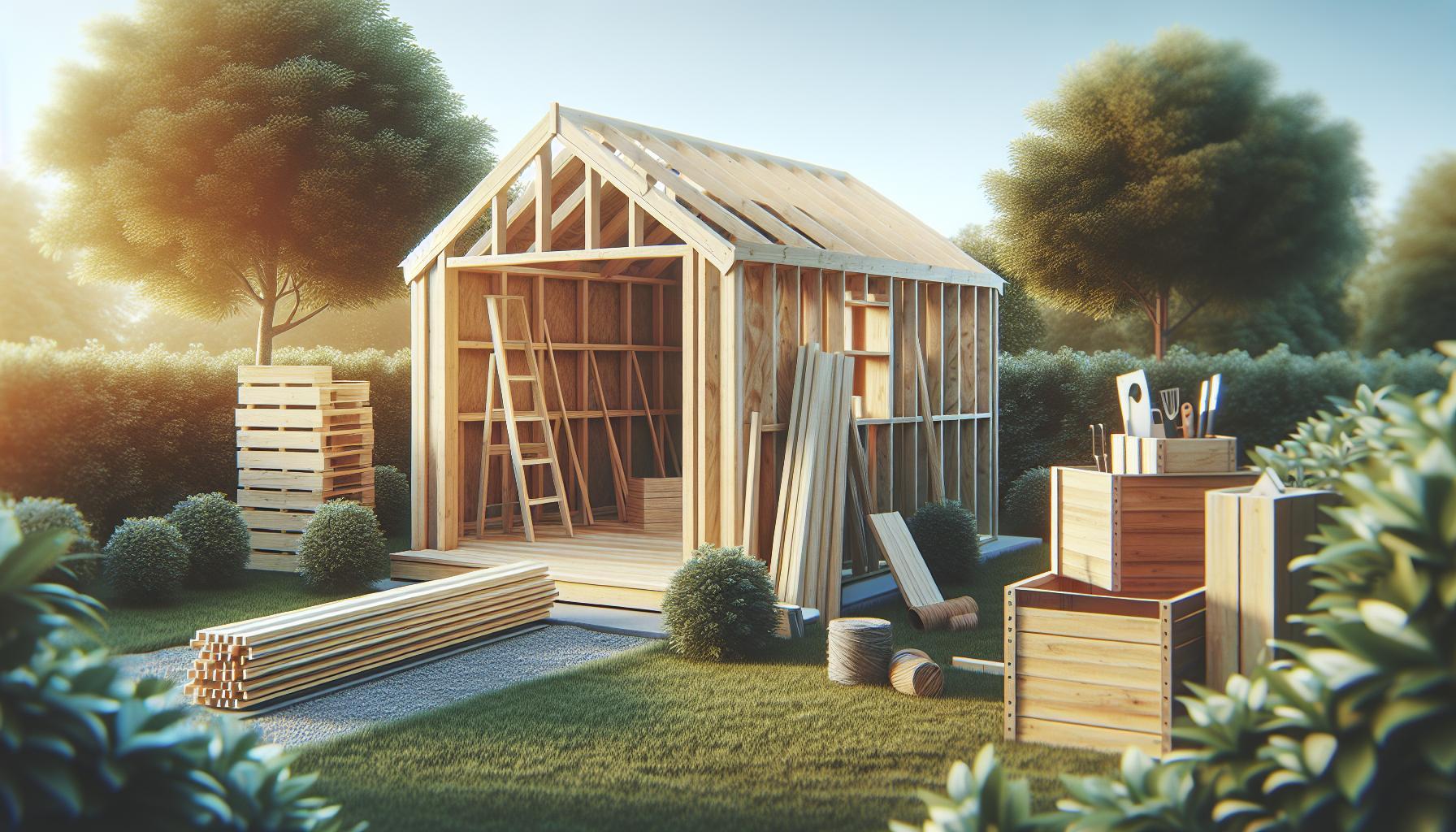
Are you tired of worrying about your shed’s ability to withstand severe weather? Building strong, storm-resistant roof trusses is essential for protecting your storage space from wind, rain, and snow. This guide will take you step-by-step through the DIY process, ensuring your shed stands firm against the elements.
Understanding the Anatomy of a roof Truss: Key Components Explained
When embarking on the journey of constructing a roof truss, understanding its key components is crucial to crafting a sturdy and weather-resistant structure.Roof trusses are integral to supporting roofs,especially for sheds that need to withstand the test of storms and adverse weather conditions. The intricate design and functionality of trusses not only impact the overall durability of the shed but also influence construction efficiency.
Key Components of a Roof Truss
Roof trusses are made up of several vital components, each serving a specific purpose that contributes to the structural integrity and stability. Here are the main parts:
- Top Chord: This is the upper diagonal member that supports the roof covering and carries the load down to the supports.
- Bottom Chord: Running parallel to the ground, the bottom chord creates the base of the truss and helps resist tensile forces.
- Webbing: These diagonal members connect the top and bottom chords, distributing loads evenly and providing lateral support.
- Nails or Connectors: Fastening components together, these are essential for ensuring that the truss remains rigid and capable of withstanding external pressures.
- Support Members: Typically located at the ends of the truss, these members are critical for transferring loads to the walls or foundation of the shed.
Understanding these components can greatly assist you in learning how to build roof truss for shed: DIY guide to storm-resistant structures. Each piece plays a pivotal role in the overall functionality, ensuring that your shed can endure environmental challenges.
Materials and Construction Techniques
Choosing the right materials and techniques for your roof truss construction is equally as important as understanding its components. Here’s a brief overview of common materials:
| Material | Advantages | Considerations |
|---|---|---|
| Wood | Readily available,cost-effective,and easy to work with. | Requires treatment to prevent rot and insect damage. |
| Steel | High strength-to-weight ratio; resistant to pests and decay. | May require welding equipment and is generally more costly. |
| Metal Connectors | Provide strong, reliable connections between components. | Corrosion-resistant coatings help maintain integrity over time. |
As you explore the steps outlined in the DIY guide to storm-resistant structures,you’ll find that correct assembly and material selection are crucial to achieving a stable and safe roof truss for your shed. understanding the anatomy of roof trusses not only empowers you in your DIY endeavors but also equips you with the knowledge to enhance the resilience of your shed against the elements.
Selecting the Right Materials for Your Shed’s Roof Truss
Choosing the appropriate materials for your shed’s roof truss plays a pivotal role in ensuring its durability, stability, and resistance to various weather conditions. As you embark on your journey to master how to build roof truss for shed effectively, consider this: the right materials not only affect the longevity of your structure but can also enhance its aesthetic appeal and functionality.
When selecting materials, there are several options available, each with distinct properties and advantages.
Common Materials for Roof Trusses
- Wood: One of the most popular choices due to its availability and ease of use. Common types include Douglas fir, Southern pine, and spruce. Wood is lightweight,has good tensile strength,and can be treated for improved weather resistance.
- Steel: Offers unmatched strength and longevity. steel trusses are ideal for areas prone to heavy snow or high winds. Even though more expensive than wood, they require less maintenance and can be prefabricated for quicker installation.
- Aluminum: Lightweight, resistant to rust, and maintenance-free. While not as strong as steel, aluminum can be a great choice for smaller sheds or where aesthetic considerations come into play.
- Composite materials: These materials combine various substances,often improving on the drawbacks of traditional materials. For instance, fiberglass-reinforced composites can offer excellent strength-to-weight ratios.
Considering the Environment
It’s crucial to assess your local climate and environmental conditions before making a decision. For instance, if you live in a region with severe storms, opting for steel may provide you with the peace of mind you’re looking for. Additionally, consider the regional availability of materials, which can impact both cost and delivery times.
Here’s a swift comparison of materials that might help you decide:
| Material | Strength | Weight | Cost | Maintenance |
|---|---|---|---|---|
| Wood | moderate | Light | Low | Regular treatment required |
| Steel | High | Heavy | High | Low |
| Aluminum | Moderate | Light | Moderate | Very Low |
| Composite | High | Light | varies | Low |
Ultimately, the key to a successful roof truss lies in striking a balance between cost, strength, and maintenance requirements. By taking the time to carefully select the right materials,you will not only enhance the structural integrity of your shed but also create a building that stands resilient against the tests of time and weather.
Step-by-Step Guide to Measuring and Cutting Truss Components
Crafting your own roof trusses for a shed can be both a practical and rewarding endeavor. However, the most critical part of building sturdy, storm-resistant structures lies in the precision of measuring and cutting each component. Learning how to effectively measure and cut truss components is essential for the overall stability and durability of your shed. Here, we’ll guide you through the meticulous process of ensuring your trusses are both strong and accurately shaped to withstand the elements.
Planning: Tools and materials
Before diving into measurements, gather the necessary tools and materials. Having everything ready will keep your workflow uninterrupted.
- Tools:
- Measuring tape
- Square
- Circular saw
- Level
- Pencil
- Safety gear (gloves, goggles)
- Materials:
- Wood (typically 2x4s or 2x6s)
- Wood screws or nails
- Truss connectors (if needed)
Measuring Your Truss Components
The first step in constructing your trusses is to accurately measure each component. Use the following guidelines to ensure precision:
- Begin by sketching your truss design, taking note of the angles, lengths, and overall dimensions. This blueprint will be crucial during the measuring process.
- Measure the length of the top chord (the upper part of the truss) and the bottom chord (the base). Make sure to account for any overhangs needed for roof coverage.
- For the diagonal members (webs), measure the angle and ensure they fit snugly between the top and bottom chords. Adjust your measurements based on the design specifications.
- recheck all measurements before cutting.A common mantra among builders is to “measure twice, cut once.”
Cutting the Components
When your measurements are confirmed, it’s time to make the cuts. Here are some best practices to follow:
- Using a circular saw, cut each component carefully. maintain a steady hand and ensure that the blade is adequately aligned with your marked lines.
- For precision cuts, employ a square to ensure the edges remain square and straight.
- Once cut, label each piece using a marker or affix a piece of tape with the corresponding label. This will help with assembly later on.
Final Checklist Before Assembly
Before you assemble your truss, take a moment to verify your components against your initial design.
| Component | Length (inches) | Notes |
|---|---|---|
| Top Chord | [Your Measurement] | Check for correct angle. |
| Bottom Chord | [Your Measurement] | Ensure overhang is accounted for. |
| Diagonal Member (Web) | [Your Measurement] | Confirm fit is snug. |
By following this structured approach to measuring and cutting your truss components, you’re laying a solid foundation for your shed’s roof, ensuring it will serve as a reliable barrier against storms for years to come.
Assembling Your Roof Truss: essential Techniques for Stability
When it comes to constructing a robust and storm-resistant shed, one of the most critical elements is ensuring your roof truss is assembled with precision and skill. A well-constructed roof truss not only bears the weight of the roof but also defends against the fury of wind and rain. Understanding the techniques and best practices for assembling your roof truss can make the difference between a stable structure and one that may succumb to nature’s elements.
Preparation: Tools and Materials
Before diving into the assembly process, having the right tools and materials on hand is essential. Gather the following:
- Materials:
- Plywood or OSB (Oriented Strand Board) for webbing
- Wood beams (choose appropriate dimensions)
- Wood glue or epoxy
- Nails or screws (heavy gauge recommended)
- Brackets and metal tie plates for additional strength
- Tools:
- Measuring tape
- Power drill
- Circular saw or miter saw
- Hammer
- Level
- Bracing tools (optional, for stability during assembly)
Assembling the Truss
once you have your layout and materials ready, follow these essential steps for a stable assembly:
- Cutting the Components: Ensure all pieces are cut accurately according to the measured specifications. Precision in cutting will prevent issues down the line.
- Creating the Joint Connections: Use wood glue to secure joints before nailing or screwing them together. This added adhesion makes joints stronger.
- Positioning the Webbing: Lay out the webbing pieces—these are typically triangles that add strength without excessive weight. The design maximizes load distribution and minimizes potential flexing under stress.
- Utilizing Metal Brackets: Incorporating brackets at joints enhances structural integrity. Metal tie plates can be used where needed for additional support,especially at high-stress points.
- Consistent Level Checks: Throughout the assembly, regularly check for level and alignment. A slight misalignment can lead to meaningful structural problems, particularly during load-bearing situations.
Stabilization Techniques
To ensure your truss maintains its stability over time, consider applying some additional techniques:
- cross Bracing: Implement cross bracing between the webbing triangles for extra support. This is especially crucial for resisting lateral winds.
- Use of Temporary Braces: While assembling, temporary braces can definitely help hold the structure in place until all components are secure. This can prevent shifting during construction.
- Final Inspection: After assembly,conduct a thorough inspection to confirm that each joint is secure and that there are no gaps. Each section should feel firm and stable under pressure.
By following these essential techniques for assembling your roof truss, you’ll ensure that your shed not only meets your storage needs but also stands resilient against harsh weather conditions. Every detail matters in the construction process, and your dedication to stability will pay off in the long run, ensuring a sturdy shelter for years to come.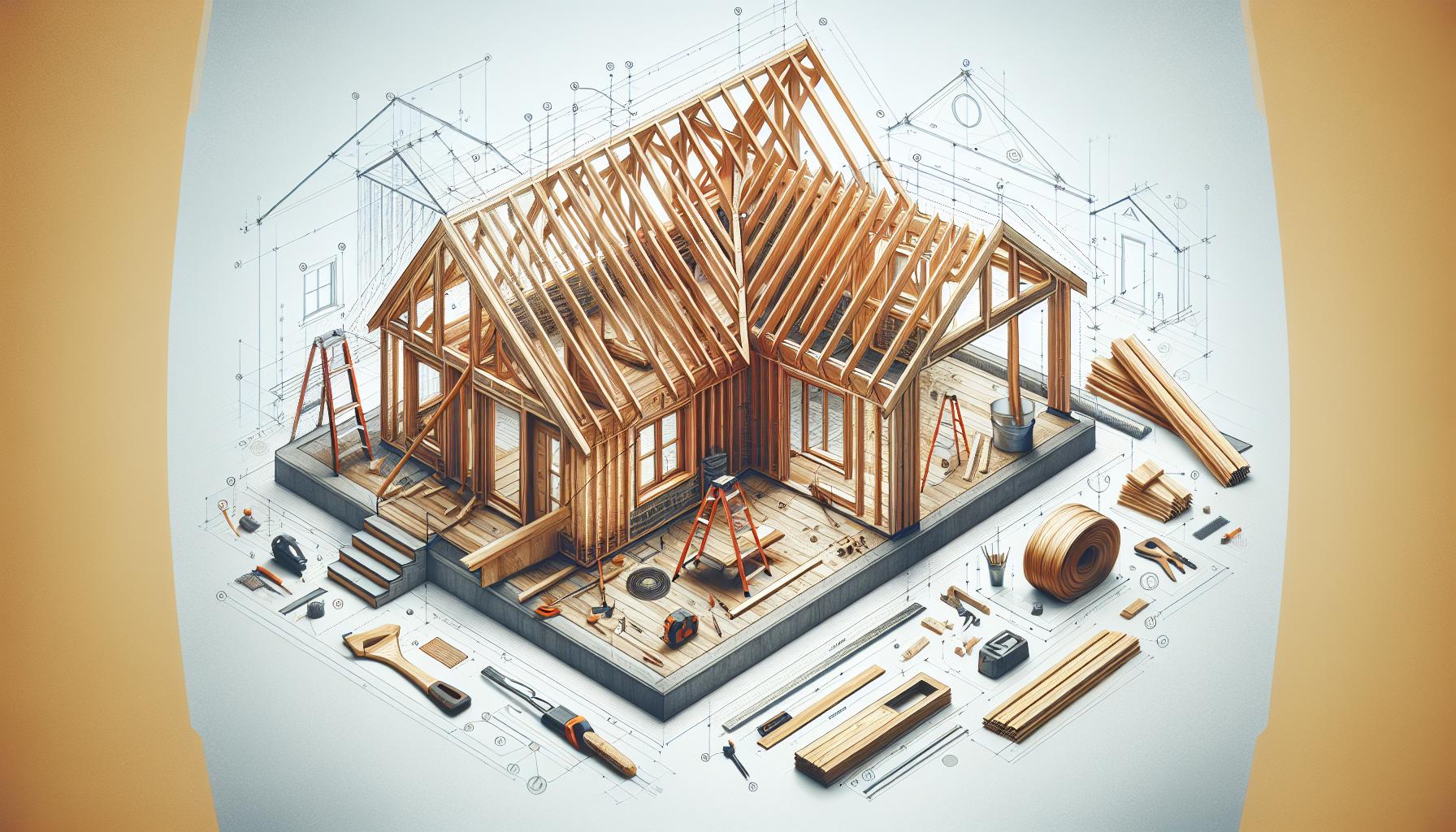
Anchoring Your Truss: Strategies for Storm-Resistant Structures
When it comes to building a roof truss for your shed, particularly in areas prone to storms, the effectiveness of your anchoring strategy is paramount.A well-anchored truss can substantially enhance the structural integrity of your shed, providing peace of mind against the fury of nature. Many homeowners underestimate the need for solid anchoring techniques, which can be the difference between a roof that stands strong and one that succumbs to high winds.
Optimal Anchoring Methods
To ensure your roof truss remains steadfast during severe weather, consider the following anchoring strategies:
- Use of Hurricane Ties: These metal connectors add lateral support and prevent the uplift of the truss caused by strong winds. Place them at all points where the truss meets the walls.
- Concrete Footings: Pouring concrete footers beneath your posts will help secure the base of your shed. This is essential in preventing lateral movement during high winds.
- Lag Bolts and Screws: Employ lag bolts or heavy-duty screws,particularly around the joint areas,ensuring a firmer grip between the roof structure and walls.
- Brace Systems: Adding diagonal bracing between the trusses not only increases rigidity but also distributes lateral loads more evenly.
The importance of Material Selection
The materials used in your roof truss construction directly impact the effectiveness of your anchoring techniques. Choosing high-quality, weather-resistant materials, such as treated lumber or engineered wood, can enhance your truss’s resistance to moisture and decay, thus prolonging its lifespan.A well-constructed truss with proper anchoring can support not only the structure itself but also resist environmental factors that may weaken inferior components.
When you analyze your anchoring system, consider crafting a plan that visually demonstrates bracing and connections. This can be quiet helpful, especially if you’re learning how to build roof truss for your shed. You’ll benefit from outlining relationships between components and potential vulnerabilities that could arise during a storm.
| Anchoring Method | Benefits | recommended Use |
|---|---|---|
| Hurricane Ties | Increased lateral support | Roof-to-wall connections |
| Concrete Footings | Stability against uplift | Base of shed or structure |
| Lag Bolts/Screws | Strong joint connections | joints and connections |
| Brace Systems | Distributes loads evenly | Between trusses |
Implementing these strategies not only fortifies your structure against storms but also embodies the spirit of DIY ingenuity. Knowing how to build roof trusses for sheds with robust anchoring will transform your outdoor space into a resilient fortress, ready to face the elements head-on.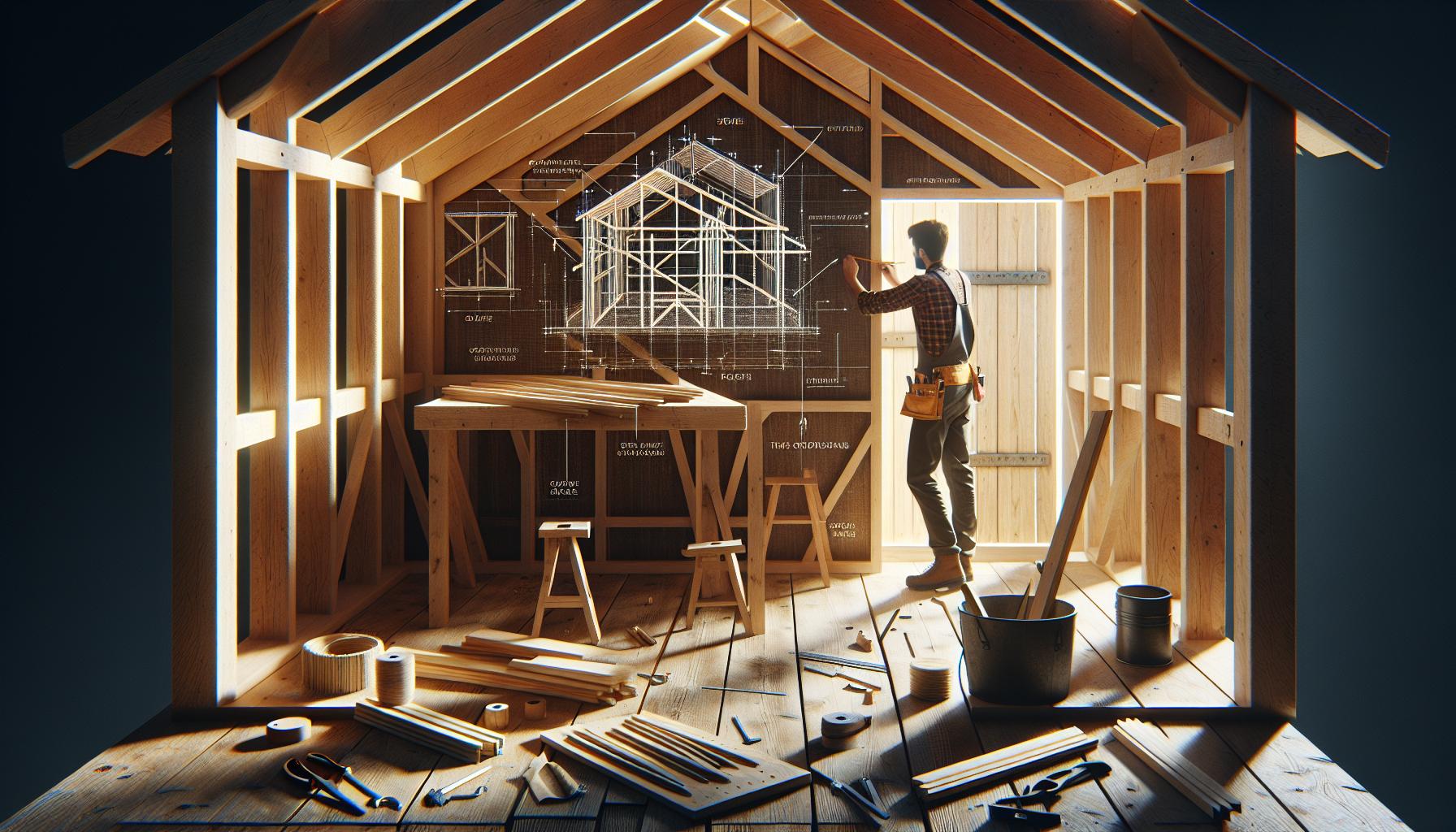
Common Mistakes to Avoid When Building Roof trusses
Building roof trusses for a shed is an essential aspect of creating a durable and storm-resistant structure. Though, even experienced DIY enthusiasts can make mistakes that jeopardize the integrity of their roofs.Understanding and avoiding these common pitfalls can save you time, money, and headaches down the road. Here are some crucial missteps to steer clear of when constructing roof trusses.
Inaccurate Measurements
One of the most critical mistakes is relying on incorrect measurements during the design phase. When it comes to building roof trusses for your shed, precision is non-negotiable. Incorrect dimensions can lead to misaligned trusses that weaken the overall structure. To ensure accuracy,consider the following:
- Use a high-quality measuring tape.
- Double-check your calculations, especially angles and lengths.
- Build a mock-up from inexpensive materials to test dimensions before committing.
Poor Material Selection
Choosing the right materials for your roof trusses is vital for achieving lasting durability and resistance to storm damage. Some common errors in material selection include:
- Opting for lower-quality wood, which can warp and compromise structural integrity.
- Failing to account for local weather conditions in your material choice, such as choosing untreated wood in humid or rainy areas.
- Using nails instead of screws,which are not as effective in securely fastening truss joints.
Neglecting Load Calculations
Another frequent oversight involves ignoring load calculations. Each truss must support not only its own weight but also any additional loads, such as snow, wind, and equipment stored in the shed.Steps to avoid this mistake include:
- Consulting with a structural engineer to ensure proper load calculations.
- Adhering to local building codes that specify the minimum load requirements for roof structures.
- Utilizing a load-bearing calculator tool to verify your estimates.
Skipping the Planning Stage
Lastly,jumping into construction without a detailed plan can lead to multiple complications. Developing a clear and complete plan helps outline the entire process, making it easier to visualize and carry out effectively. To enhance your planning:
- Create detailed schematics of your truss design.
- List out all materials and tools needed before starting.
- Establish a timeline to keep your project on track.
By steering clear of these common mistakes, you will have a smoother experience in learning how to build a roof truss for your shed while ensuring it remains resilient and sturdy against storms.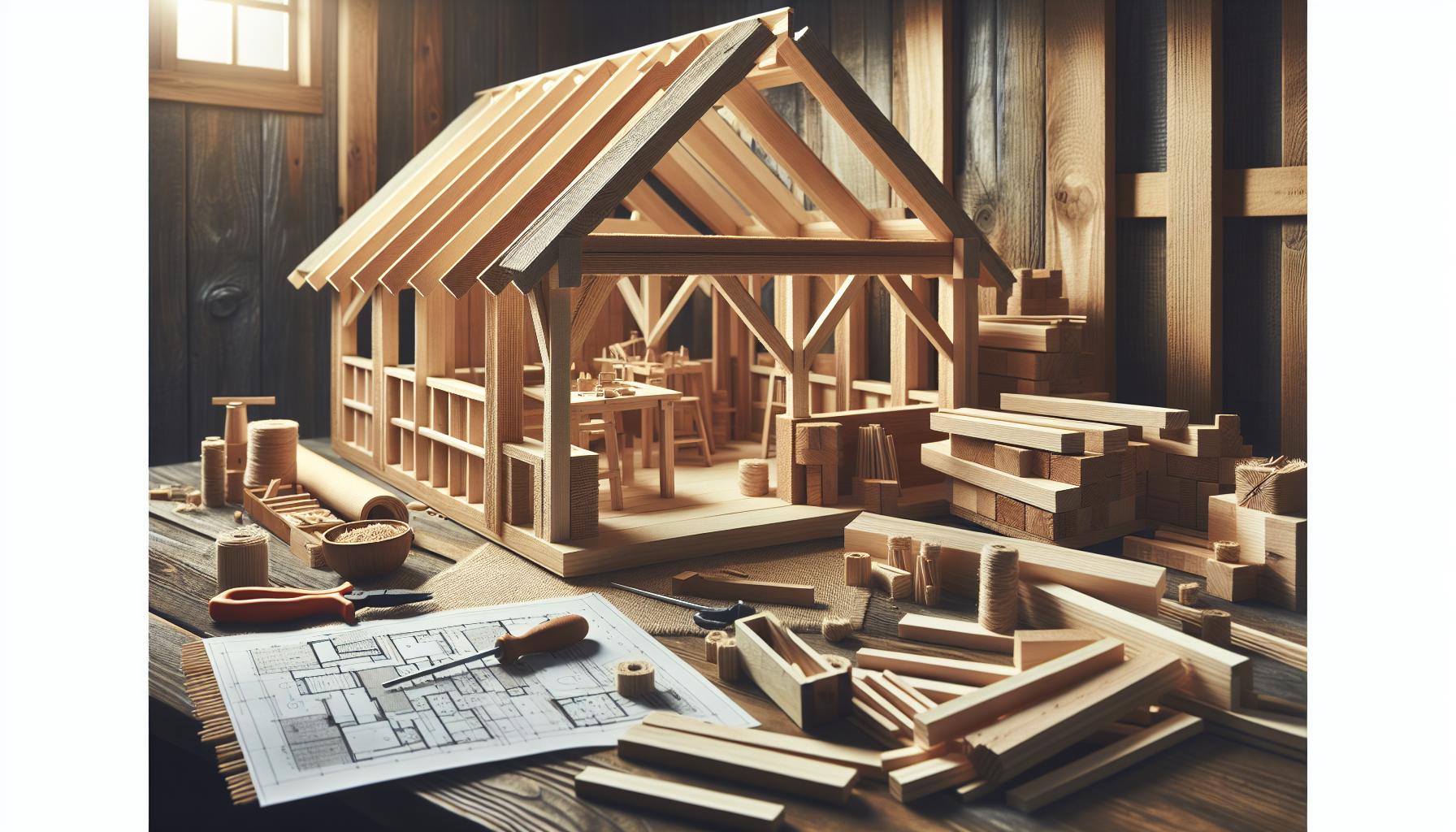
Enhancing Your Shed’s Design: Integrating Style with Functionality
There’s something incredibly satisfying about transforming a simple shed into an aesthetically pleasing and highly functional element of your backyard. A well-designed shed can serve various purposes—from storing tools and seasonal items to functioning as a workshop or a cozy retreat. When considering how to build roof trusses for your shed, it’s essential to remember that the design should not only withstand the elements but also enhance the overall look of your space.
Choosing the Right Materials
opting for materials that complement your home’s exterior can significantly enhance your shed’s visual appeal. Here are a few options to consider:
- Wood: Classic and versatile, wood can provide warmth and texture. Consider using treated lumber for longevity,especially in storm-prone areas.
- Metal: For a modern look, metal roofing and siding are durable alternatives that can withstand harsh weather conditions while enhancing aesthetics.
- Vinyl: This low-maintenance option is available in various colors and styles, allowing for a tailored look without the upkeep.
Choosing the right combination of materials not only ensures structural integrity—as detailed in guides on how to build roof trusses for a shed—but also allows you to craft a space that blends seamlessly with your garden or home.
Incorporating Functional Design Elements
When enhancing your shed’s functionality,consider how roof truss designs can serve multiple purposes. integrating windows and skylights not only illuminates the space but also adds charm. Here are some essential aspects to incorporate:
- ventilation: Proper airflow through roof venting systems keeps the interior temperature regulated, particularly if your shed houses sensitive items.
- Overhangs: Extend your roof trusses past your shed walls to create shaded areas; this can act as protection against rain and improve aesthetics.
- Utility Lines: If you plan to use your shed for more than storage, consider running electrical lines and installing outlets for tools and lighting.
Using these elements will not only make your structure storm-resistant but will also maximize the usability of your shed.
Color and Finishing Touches
Adding a splash of color can instantly elevate your shed’s design.A well-placed coat of paint or stain can make your shed stand out. Opt for shades that complement your house or natural surroundings. Here’s a quick overview of finishing choices:
| Finishing Option | Description |
|---|---|
| Stain | Adds color while revealing wood grain, suitable for natural aesthetics. |
| Exterior Paint | Wide range of colors and styles; protects wood from weather. |
| Roof Coatings | Enhances energy efficiency and protects metal roofs. |
Putting careful thought into the color choices and finishes not only improves the aesthetic but also extends the life of your structure, proving that design and functionality can go hand in hand.
Maintenance tips for Long-Lasting Roof Trusses in harsh Weather
One of the most critical aspects of ensuring the longevity of roof trusses in challenging weather conditions lies in proper maintenance. storms, heavy winds, snow, and humidity can all take a toll on the integrity of your structures, especially those built using the techniques outlined in the DIY guide to storm-resistant structures. Learning the right maintenance techniques can mean the difference between a stable, durable roof and one that necessitates costly repairs or replacement.
Regular Inspections
Conducting routine inspections is essential for identifying potential issues before they escalate.Aim to check your roof trusses at least twice a year, as well as after any severe weather event. during these inspections, look for:
- Signs of water damage or mold, indicating leaks or insufficient insulation.
- Creaking or significant bowing in the trusses, which can point to structural stress.
- Detachments or damage to connecting joints, particularly if using bolts or screws.
- Signs of pest infestations that can compromise the wood’s integrity.
Consider creating a checklist to streamline the inspection process and ensure no detail is overlooked.
Protective Treatments
Applying protective treatments can significantly extend the lifespan of your roof trusses. This is especially important in areas prone to moisture and termites. Here are some effective treatments to consider:
- Waterproofing Sealants: Apply these to protect against moisture penetration, which is crucial in preventing mold and rot.
- Pest Control Solutions: Utilize treatments that deter pests and insects from nesting in your wood structures.
- UV Protectants: If your trusses are exposed to sunlight, these can help diminish sun damage and discoloration.
Remember to choose products that are suitable for the specific types of materials used in your roof trusses.
Proper Ventilation and Insulation
Ensuring adequate ventilation and insulation in your shed can also reduce the chances of condensation forming, which can lead to significant damage over time. Installing vents will help maintain a balanced temperature and humidity level within your shed, protecting your roof trusses from thermal expansion and contraction, which can create stress.
A well-established framework can provide additional support to withstand harsh conditions. Below is a simple table outlining some tips for improving ventilation and insulation in your structure:
| Tip | Description |
|---|---|
| Install Gable Vents | Helps to facilitate airflow, reducing moisture buildup inside. |
| Use Insulation Foam | Provides excellent thermal resistance, helping to maintain even temperatures. |
| Check for Obstructions | Keep vents clear of debris to ensure unrestricted airflow. |
By following these guidelines, you can maximize the durability of your roof trusses and ensure they withstand the test of time, even in the face of formidable weather. keeping your structure well-maintained not only protects your investment but also provides peace of mind knowing that you’ve taken proactive steps to secure your home or shed against the elements.
Frequently Asked Questions
how to Build Roof Truss for Shed: DIY Guide to Storm-Resistant Structures?
To build a roof truss for your shed, start by selecting the material (like wood or metal) and following a detailed design. Strong trusses are key to ensuring storm resistance, so use durable materials and proper construction techniques.
Begin with a design plan that suits your shed’s dimensions and roof style. You can find various design templates online. It’s essential to understand the load-bearing aspects of your design, as they’ll help increase the structure’s resistance to adverse weather conditions.
What materials do I need to build roof trusses for a shed?
You will need materials such as lumber (like 2x4s or 2x6s), metal brackets, screws, and possibly rigid foam insulation. These materials will ensure your roof truss is both functional and durable against storms.
When selecting lumber, opt for quality that is treated or engineered for strength. Additionally, consider using construction adhesive alongside screws for added stability. It’s important to adhere to local building codes,which may dictate specific materials or construction methods.
Why does the design of a roof truss matter for storm resistance?
The design of your roof truss is critical for storm resistance as it affects the overall strength and stability of the structure. Properly designed trusses help distribute weight effectively, reducing the risk of collapse during harsh weather.
For example, a triangular truss design provides superior strength by distributing forces evenly. Always ensure your truss design accounts for local wind and snow load requirements.Refer to your local building codes for precise specifications.
Can I build roof trusses for a shed without prior experience?
Yes, you can build roof trusses for a shed, even with limited experience! With clear plans and guidance, many DIYers successfully tackle this project.
Start by educating yourself on the basics of truss construction through resources like this DIY guide. Taking your time to understand each step and practicing will build your confidence. Remember, everyone starts somewhere, and careful planning is key.
What are common challenges when building roof trusses for sheds?
Common challenges include inaccurate measurements,misalignment of trusses,and not accounting for local weather conditions. These can lead to structural issues if not addressed.
To overcome these challenges, double-check your measurements and consider using a framing square for alignment.Also, consult local guidelines for weather-related modifications to your trusses. Being meticulous during construction will pay off in durability and safety.
What is the best pitch for roof trusses in storm-prone areas?
The best pitch for roof trusses in storm-prone areas typically ranges from 4:12 to 6:12. A steeper pitch helps resist wind uplift and allows rain or snow to slide off more easily.
A pitch of 6:12, for instance, ensures better water drainage and reduces the weight of snow accumulation. Always factor in your specific weather conditions and consult with building professionals if needed.
How do I ensure my roof trusses meet building codes?
To ensure your roof trusses meet building codes, review local requirements before beginning construction. Often, these codes dictate specifications for materials, designs, and installation methods.
Consulting with a building inspector or hiring a professional during the planning phase can save you time and resources later. Familiarize yourself with your local codes to ensure your structure remains safe and compliant.
In Retrospect
building a roof truss for your shed is a rewarding and empowering DIY project that combines craftsmanship with practicality. By following the straightforward steps outlined in this guide,you can create storm-resistant structures that not only safeguard your belongings but also enhance the overall aesthetic of your property. Remember to take your time, double-check your measurements, and don’t hesitate to seek help when needed. Each phase of construction presents its challenges, but with the right mindset and preparation, you’ll find that these obstacles are merely opportunities to strengthen your skills and confidence. We encourage you to explore further, dive into related topics, and connect with your DIY community. Your shed is more than just a storage space; it’s a testament to your hard work and ingenuity. Happy building!