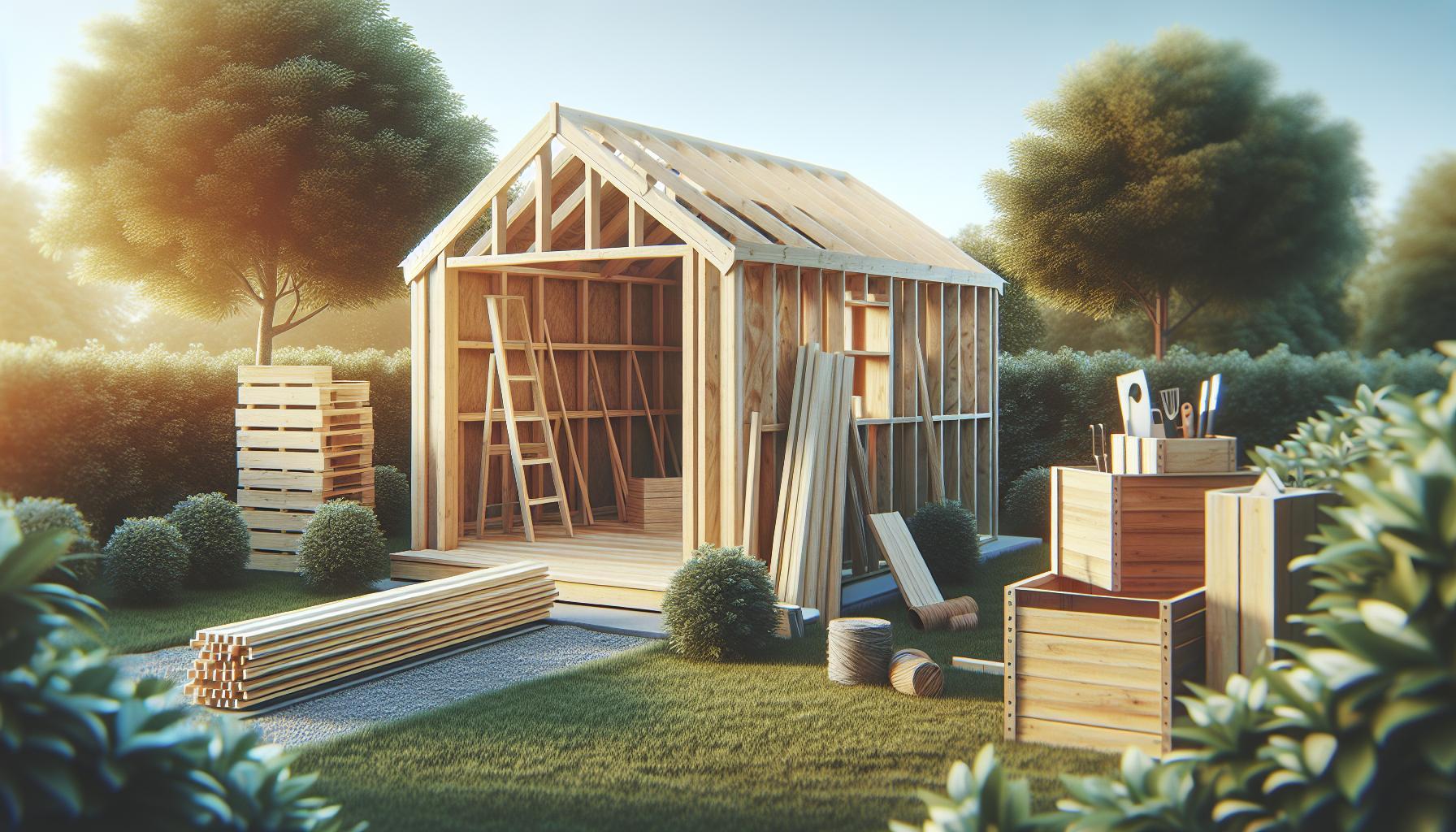
Building a flat roof for your shed offers a sleek, modern look, but improper drainage can lead to leaks and structural damage. This guide will walk you through essential design elements and drainage solutions, ensuring your project remains functional and stylish. Embrace innovative techniques to create a durable shed that withstands the elements.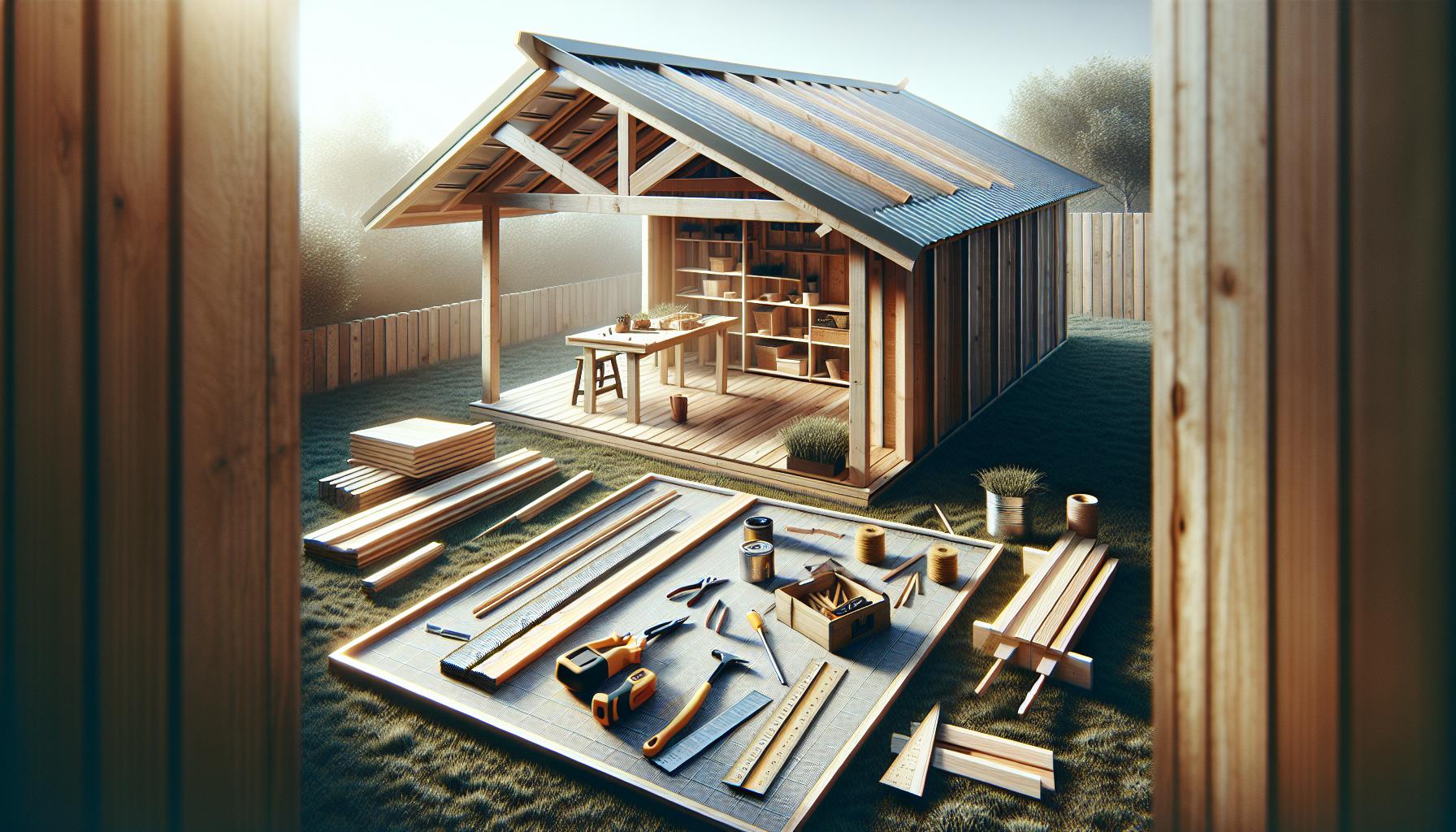
Understanding the Basics: What You Need to Know About Flat Roof Design
When it comes to constructing a flat roof, understanding the foundational principles is crucial for ensuring longevity and efficiency. This type of roof design is not merely about aesthetics; it also plays a critically important role in effective water management. A well-executed flat roof can enhance the usability of a shed while preventing common issues such as water pooling and leakage.
Key Considerations for Flat Roof Design
To achieve a functional flat roof for your shed, several factors must be taken into account:
- Roof Slope: Even a flat roof requires a slight slope to facilitate drainage. A pitch of at least 1:40 (around 1.44°) is recommended. This angle helps in directing water away from the structure, reducing the risk of ponding and potential leaks over time.
- Materials: The choice of materials considerably impacts both the durability and effectiveness of the roof. Opt for materials that are waterproof and able to withstand local climate conditions. Common options include EPDM rubber, TPO (thermoplastic polyolefin), and built-up roofing.
- Insulation: Proper insulation is vital for maintaining temperature control within your shed. Insulation values (R-values) typically range from 30 to 38 for flat roofs, but it’s essential to verify local codes and climate requirements.
- Drainage Systems: Integrating effective drainage systems such as internal drains or scuppers is essential. These systems ensure that water is channeled efficiently away from the roof,preventing the accumulation of moisture that can lead to structural damage.
Real-World Applications
Many DIY enthusiasts and contractors have successfully created flat roofs using modern techniques that focus on proper drainage and waterproofing. As a notable example, installing a roof overflow system can be a lifesaver during heavy storms. Additionally, consider adding a green roof element with vegetation that can absorb and utilize excess rainwater, thereby enhancing the ecological footprint of your shed.
Managing the complexities of flat roof design requires a balanced approach that encompasses both aesthetic choices and practical considerations.By focusing on these principles, you can confidently move forward with your project, implementing strategies highlighted in guides like “How to Build Flat Roof for Shed: Modern Design with Proper Drainage,” which emphasize the importance of preparation and execution in creating a reliable roofing system.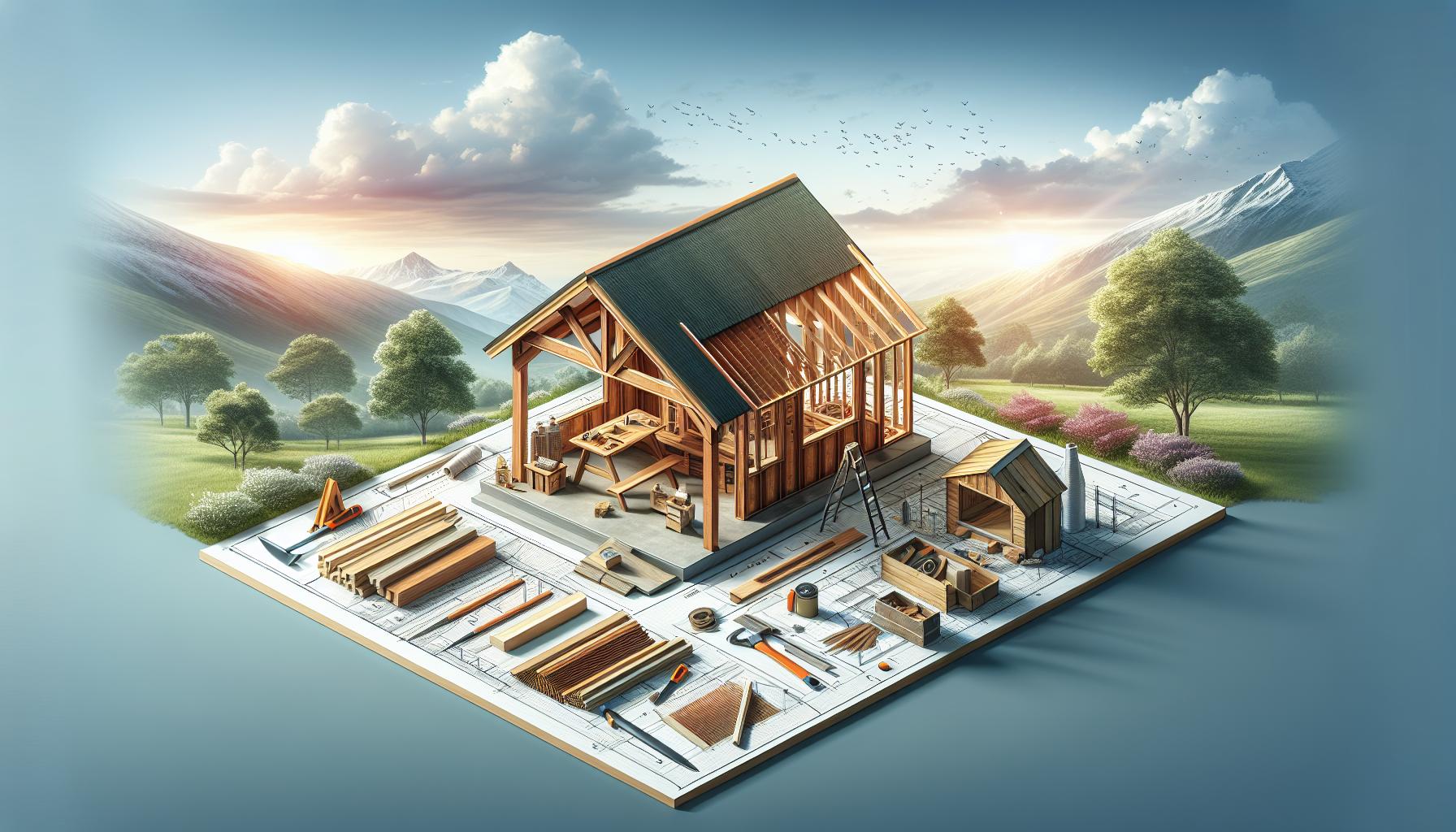
Essential Materials for Building a Durable Flat Roof Shed
Building a durable flat roof shed requires careful selection of materials to ensure longevity and functionality. Understanding the essential materials not onyl enhances the structural integrity of your shed but also improves its resistance to the elements. When exploring how to build a flat roof for a shed with a modern design and proper drainage, selecting the right materials is basic to achieving a reliable and aesthetically pleasing result.
Key Materials for Construction
To construct a flat roof shed, consider the following essential materials:
- Treated lumber: Start with high-quality treated lumber for the framing.This will provide resistance against rot and insects. Common sizes include 2x4s for wall framing and 2x6s for roof supports.
- Plywood or OSB Sheathing: use plywood or oriented strand board (OSB) for the roof sheathing. This layer adds structural support and serves as a base for your roofing material.
- Roofing Membrane: A durable roofing membrane, such as EPDM (Ethylene Propylene Diene Monomer) or TPO (Thermoplastic Polyolefin), is crucial for waterproofing.These materials are effective for flat roofs and provide excellent protection from leaks.
- Insulation: Incorporate rigid foam insulation for added energy efficiency and temperature control within the shed. This helps prevent condensation and keeps the interior climate stable.
- Fasteners: Use corrosion-resistant screws and nails to ensure a solid assembly. For roofing membranes, you might opt for specific fasteners designed to secure the membrane and prevent leaks.
Drainage Considerations
Effective drainage is another critical aspect of building a flat roof shed. To achieve proper drainage, it’s advisable to create a slight slope in the roof design—aiming for at least a 1-2% slope away from the center towards the edges. Utilizing gutters and downspouts can further enhance water management.
| Material | Purpose | Recommendations |
|---|---|---|
| Treated Lumber | Framing and support | Use for walls and roof supports |
| Plywood/OSB | base for roofing material | At least 3/4″ thickness |
| Roofing Membrane | Waterproofing | Choose EPDM or TPO |
| Insulation | Temperature control | Rigid foam panels preferred |
| Fasteners | Assembly | Corrosion-resistant types |
Using these materials strategically will guide you toward building a robust flat roof shed while adhering to the principles of modern design and effective drainage. Pay close attention to details during construction to ensure both aesthetics and functionality complement each other effectively.
Step-by-Step Guide: Framing Your Shed for Success
To create a robust and weather-resistant flat roof for your shed, framing is a critical step that lays the foundation for both stability and effective drainage. Each phase of framing your shed not only supports the roof but also enhances the structural integrity of the entire building.It’s essential to follow a methodical approach to ensure your shed withstands the elements while showcasing modern design aesthetics.
Preparation and Materials
Before you dive into the construction, gather all necessary materials and tools. You will need:
- Pressure-treated lumber: for the frame and sill plates
- Wall studs: typically 2x4s or 2x6s, depending on your shed size
- Hardware: including nails, screws, and brackets
- Insulation: if you’re planning to insulate the shed
- Roofing materials: such as rubber membrane or built-up roofing for the flat roof
Planning the layout on your foundation is crucial. Use stakes or chalk lines to outline where your walls will be erected, ensuring everything is square and level. Double-check your measurements to avoid costly adjustments later in the build.
Constructing the Walls
Start framing the walls by attaching the bottom plates to the foundation. This serves as the base for your vertical studs. It’s recommended to space the studs 16 inches apart, which provides both structural support and ease when installing insulation and drywall, if desired. As you raise each wall panel, have a partner assist you to ensure they stand straight and plumb. Secure them in place with temporary braces until they’re fully affixed.
When constructing the frame for a flat roof design, consider adding slight slopes to facilitate drainage. This can be achieved by angling roof beams. Ensure that the framing connections at the top of the walls are secure; these will support the roof’s weight and manage any potential snow accumulation.
Installing the Roof
Once your walls are up and securely braced, it’s time to frame the roof. Begin by laying down beams across the top of the side walls. Use a level to maintain an even plane, which is vital for proper water runoff. The roof sheathing should be laid perpendicular to the framing supports, and it is advisable to use plywood or oriented strand board (OSB) for durability.
After the sheathing is installed, apply your chosen roofing material. If you’re using a rubber membrane, make sure to adhere it properly and seal all joints to prevent leaks. A flat roof design benefits significantly from incorporating good drainage practices; ensure that any runoff is directed away from the building to avoid water pooling.
By following these outlined steps for framing, your shed will stand strong against the elements while maintaining a sleek and modern flat roof appearance. Remember, the key to a triumphant build lies in meticulous planning, quality materials, and precise execution.
Mastering Drainage: Key Strategies to Prevent Water Accumulation
Effective drainage is a critical aspect of constructing a flat roof for your shed, particularly in preventing water accumulation that can lead to serious structural issues.Rainwater management not only preserves the integrity of the roof but also enhances the overall lifespan of your outdoor structure. Understanding fundamental strategies can make the difference between a resilient roof and one that succumbs to leaks and damage.
Implementing Slope for Effective Drainage
One of the most effective methods to ensure proper water runoff is to design the roof with a slight slope. Ideally, the flat roof should have a minimum slope of 1-2% away from the shed’s edges towards designated drainage points. This subtle gradient facilitates the flow of water toward gutters or drains, significantly reducing the risk of pooling.
Utilizing Quality Materials
The choice of roofing materials plays a significant role in drainage effectiveness. High-quality waterproof membranes,such as EPDM or TPO,can effectively prevent leaks while enhancing the overall durability of the roof. Here are some material considerations:
- EPDM (Ethylene Propylene Diene Monomer): Known for its adaptability and resistance, EPDM is ideal for flat roofs.
- TPO (Thermoplastic Olefin): This material reflects sunlight, helping to maintain the internal temperature and prevent heat-related damage.
- Modified Bitumen: This offers good waterproofing and can be applied in multiple layers for added protection.
Effective Gutter and Downspout Design
Incorporating an efficient gutter system is crucial for directing rainwater away from the roof and into a drainage solution. Downspouts should be strategically placed at the lowest points of the shed’s perimeter, ensuring quick and efficient drainage. Regular maintenance of gutters—such as removing debris—will keep them functioning optimally and prevent overflow during heavy rainfall.
Creating Infiltration Areas
Consider integrating infiltration strategies alongside your flat roof drainage plan. These could include permeable pavements or gravel beds adjacent to your shed, which allow excess water to seep into the ground rather of accumulating around the foundation. This not only helps in water management but also minimizes the risk of erosion.
Utilizing these key strategies when building a flat roof for your shed can dramatically improve its performance and longevity. As you embark on this project, remember that effective drainage is one of the cornerstones of modern design with proper drainage, significantly enhancing not just functionality, but also peace of mind.
Insulation Insights: Keeping Your Shed Temperature-Ready
When it comes to maintaining a cozy surroundings in your shed, insulation is a game-changer. By effectively managing your shed’s internal temperature, insulation not only protects your belongings but also enhances the overall utility of the space. Whether you’re using it as a workshop, storage area, or even a cozy retreat, a well-insulated shed can make a significant difference in how you experience it throughout the year.
One of the most popular methods for insulating a shed is the use of insulation panels. These rigid panels are tailored for metal buildings and often come with a vapor barrier, which helps prevent moisture buildup and keeps the internal temperature stable. If you prefer a more cost-effective DIY approach,consider using roll insulation,which can be cut to size and installed easily in your shed’s walls and ceiling. This not only helps in temperature regulation but also adds an extra layer of soundproofing, making your shed a quieter place to work or relax.
Benefits of Insulating Your Shed
The advantages of proper insulation extend beyond simple temperature control. Here are some key benefits:
- Improved Temperature Regulation: Insulation helps maintain a consistent temperature, eliminating the extremes of heat and cold.
- Energy Efficiency: For sheds that house electronic equipment or sensitive materials, insulation can reduce energy consumption by minimizing the need for heating and cooling.
- Moisture Control: A well-insulated shed can help prevent condensation, which is crucial in protecting wooden tools and other materials from rot.
- Enhanced Comfort: If you plan to spend time in the shed, insulation makes it a more enjoyable space, nonetheless of the outside weather.
Investing in insulation is an essential step in the design and construction of your flat-roof shed. When you prioritize thermal performance—especially considering the drainage solutions discussed in resources like ‘How to Build Flat Roof for Shed: Modern Design with Proper Drainage’—you create a more durable and versatile structure. Ultimately, thoughtful insulation not only enhances the lifespan of your shed but also transforms it into a functional extension of your home.
finishing touches: Effective Waterproofing Techniques
To ensure your flat roof shed stands the test of time, employing effective waterproofing techniques is crucial. A well-waterproofed flat roof not only protects your belongings from moisture damage but also enhances the overall durability of your structure. With the right methods, you can safeguard your shed against the elements and prolong its lifespan.
Choosing the Right Waterproofing Method
There are several waterproofing options to consider when building a flat roof for your shed. Each technique has its unique benefits and can be tailored to your specific needs:
- Felt Roofing: This is a popular choice due to its durability and ease of installation. Felt roofing materials, such as asphalt or fiberglass, provide excellent moisture resistance and are often available in various colors to complement your shed’s design. It’s ideal for DIY enthusiasts and can be applied in layers for added protection [[1]](https://waterproofwiki.com/how-to-waterproof-a-shed-roof/).
- Liquid Rubber Membrane: A modern solution, liquid rubber creates a seamless waterproof barrier when applied. This method is particularly effective for flat roofs, as it molds to the shape of the roof, covering all seams and joints where leaks commonly occur. Regular maintenance can help maintain its integrity [[3]](https://www.ihomerank.com/article/cheapest-way-to-waterproof-shed-roof).
- EPDM Rubber Roofing: Ethylene Propylene Diene Monomer (EPDM) is a synthetic rubber material that offers excellent waterproofing capabilities. It is indeed resistant to UV radiation and temperature fluctuations, making it an excellent long-term investment for flat roof sheds.
Maintenance and Care
After implementing waterproofing measures, maintaining your shed’s roof is vital. Regular inspections can help identify wear or damage early, preventing costly repairs.Consider the following tips for roof maintenance:
- Conduct seasonal inspections,especially after heavy rains or snow melts.
- Clear debris such as leaves and branches to avoid water pooling.
- Check for cracks or blisters in roofing materials and address them promptly.
when figuring out how to build a flat roof for your shed with proper drainage, focusing on effective waterproofing techniques is paramount. By selecting appropriate materials and committing to regular maintenance, you can create a resilient and long-lasting structure that weatherproofs your valuables effectively.
Tips and Tricks for Maintaining Your Flat Roof Shed
To ensure your flat roof shed remains durable and functional,regular maintenance is crucial. Flat roofs can be prone to water pooling and leaks if not properly cared for, making it essential to establish a routine maintenance schedule. Here are some effective tips and tricks to keep your flat roof in top condition:
Regular Inspections
Conducting seasonal inspections is vital. check for any signs of damage or wear, such as cracks, blisters, or punctures in the roofing material. Pay special attention to areas around vents and seams where leaks are more likely to occur.If left unaddressed, small issues can quickly escalate into major repairs.
- Inspect for Debris: Remove leaves, branches, and other debris that can hold moisture against the roofing material.
- Check Drainage Systems: Ensure that gutters and downspouts are clear and functioning properly to facilitate water flow off the roof.
proper Water Management
Water pooling is a significant concern for flat roofs, often leading to leaks and structural damage. Ensure that your roof has a proper drainage system to direct water away from the area.During maintenance checks, verify that the drainage systems are free of blockages. Additionally, consider installing minor slopes to aid water runoff, as suggested in various guides on flat roof construction.
Weatherproofing and Repair
After inspections,it is important to address any identified issues promptly. Applying a weatherproof sealant can enhance the roof’s longevity and prevent moisture intrusion.Always use materials suitable for your shed’s specific type; for instance, high-quality TPO or EPDM membranes are popular choices for flat roofs. Regularly repairing any cracks or damages will keep the rain out and help maintain the structural integrity of your shed.
Cleaning and Maintenance Schedule
Set a schedule for regular cleaning and maintenance to avoid problems before they start.Allocating time twice a year—once in the spring and once in the fall—for a thorough cleaning can significantly extend the life of your flat roof. Here’s a simple maintenance checklist to follow:
| Task | Frequency |
|---|---|
| Inspect roof for debris | Twice a year |
| Clear gutters and downspouts | Twice a year |
| Check drainage flow | monthly |
| Inspect seams and joints | Twice a year |
| apply weatherproof sealant | As needed |
by incorporating these tips and establishing a robust maintenance routine, you can effectively enhance the lifespan of your flat roof shed while ensuring it operates efficiently throughout the seasons. Regular attention to these aspects not only protects your investment but also provides peace of mind that your shed will withstand the elements.
Common challenges and Solutions in Flat Roof construction
When constructing a flat roof, particularly for a shed, it’s essential to be mindful of the unique challenges that can arise, which often stem from the design’s inherent characteristics. One of the most significant concerns is water pooling, which can lead to leaks and structural damage if not properly addressed. Flat roofs require effective drainage solutions to manage rainwater,ensuring that water flows toward drains or gutters rather than accumulating. Having a slight pitch or using tapered insulation can significantly enhance drainage and prevent water retention.
Common Issues and Their Solutions
Several common issues can complicate flat roof construction. As an example, membrane damage is frequent, especially in areas exposed to harsh weather. Regular inspection and maintenance can help identify cracks or tears in the roofing material. Utilizing high-quality roofing membranes designed for flat roofs, such as EPDM or TPO, can increase durability. Additionally, implementing a protective ballast system can shield the membrane from UV rays and physical damage.
Another challenge is temperature-induced expansion and contraction, which can compromise the integrity of the roof over time. Incorporating expansion joints into the design allows for movement without compromising the roof’s waterproofing. This is particularly important in regions with significant temperature fluctuations.
best Practices for flat Roof Construction
To ensure a successful flat roof construction, here are some practical tips:
- Ensure proper insulation: Effective insulation not only minimizes heat loss but also reduces the risk of condensation, which can damage the roofing system.
- Install adequate drainage: Use scuppers, gutters, and downspouts to direct water away from the roof, preventing pooling.
- Choose the right materials: Select durable roofing materials that are suitable for your climate conditions to reduce the long-term maintenance burden.
- Regular maintenance checks: Schedule inspections biannually to catch potential issues before they escalate into costly repairs.
By focusing on these strategies while learning how to build a flat roof for a shed, you can mitigate many common issues and achieve a long-lasting, efficient structure. A proactive approach to maintenance and careful planning during construction can help you enjoy the benefits of a flat roof without the headaches that often accompany it.
Frequently asked questions
How to Build Flat Roof for Shed: Modern Design with Proper Drainage?
To build a flat roof for a shed with proper drainage, start by ensuring a slight slope—ideally around 1:40—to facilitate water runoff.Use quality materials and install a waterproof membrane to protect against leaks.
When constructing your shed, pay attention to framing that supports this slight angle. Incorporating proper drainage techniques, such as gutters or scuppers, will greatly increase the roof’s longevity and effectiveness. For detailed instructions, consider visiting resources that offer step-by-step guidance.
What materials are best for a flat roof shed?
The best materials for a flat roof shed include EPDM rubber roofing, TPO, or modified bitumen. These materials are durable, flexible, and excellent at preventing leaks.
Each of these options provides unique benefits; for example, EPDM is known for its weather resistance and longevity, making it ideal for flat roofs. Ensure you choose a high-quality product to maximize the roof’s lifespan and efficacy.
Why does drainage matter for a flat roof shed?
Drainage is critical for flat roof sheds as water pooling can lead to serious structural damage and leaks. Proper drainage solutions help divert rainwater away from the roof.
By implementing a slight slope and using gutters or drains, you significantly reduce the risk of water accumulation, which can weaken the roofing materials and lead to costly repairs. Understanding drainage is essential for maintaining your shed’s integrity over time.
Can I build a flat roof shed by myself?
Yes, you can build a flat roof shed by yourself if you follow proper guidelines and utilize the right tools. Many DIY enthusiasts take on this project with success.
Start with thorough research and plan your construction steps carefully. Having a clear understanding of both the design and the materials will make the process much smoother. Don’t hesitate to consult detailed plans or online resources for extra support.
What slope is recommended for proper drainage on a flat roof shed?
A slope of about 1:40 (approximately 1.5 degrees) is recommended for proper drainage on a flat roof shed. This slight angle ensures water can flow naturally towards drainage points.
Maintaining this angle is crucial to prevent water pooling, which can lead to leaks and structural damage. Always measure your slope accurately during the installation process to uphold roofing quality and performance.
How long does a flat roof shed last?
A flat roof shed can last between 10 to 30 years, depending on the materials used and the quality of installation. Proper maintenance also plays a vital role in its longevity.
Regular inspections and upkeep, such as cleaning gutters and checking for damages, can extend the lifespan of your shed significantly. Investing in quality materials upfront will provide better durability in the long run.
What are common mistakes to avoid when building a flat roof shed?
Common mistakes when building a flat roof shed include neglecting proper drainage, using inadequate materials, and failing to maintain the recommended slope. Such oversights can lead to significant issues.
Being aware of these pitfalls is crucial. Always prioritize quality materials, follow water drainage guidelines, and keep an eye on the construction process to ensure a successful build. More tips can be found in detailed guides available online.
Concluding Remarks
building a flat roof for your shed can be an incredibly rewarding project that merges modern design with practical functionality. by following the step-by-step guidelines outlined in this article,you’ll not only create a stunning addition to your outdoor space but also ensure proper drainage to protect your investment from the elements. Remember to prioritize high-quality materials for durability and adherence to structural integrity for safety.Don’t let challenges deter you; every misstep is simply a lesson in your DIY journey. Embrace the process, and take pride in your craftsmanship as you transform your vision into reality. For those eager to delve deeper, consider exploring various design options and material choices to truly personalize your shed. Happy building, and remember, your next project awaits just around the corner!
Modern Single-Pitch Engineering: How to Build Flat Roof on Shed with 1/4″ Slope
Learning how to build flat roof on shed structures allows modern styling while preventing ponding water. In building terminology, a “flat” roof is engineered with a subtle low-slope pitch (minimum 1/4″ fall per foot) paired with modern seamless waterproof roofing membranes like EPDM rubber or torch-down modified bitumen.
| Flat Roof Component | Recommended Material / Dimension | Installation Protocol | Waterproofing Benefit |
|---|---|---|---|
| Roof Rafters | 2×6 or 2×8 dimensional lumber @ 16″ OC | Cross-wall framing with tapered firring strips to establish fall | Prevents snow-load sag and roof deck deflection |
| Deck Sheathing | 5/8″ or 3/4″ Exterior Grade Plywood or OSB3 | Staggered seams fastened with 2″ ring-shank screws | Provides rigid, smooth bonding substrate for rubber glue |
| EPDM Rubber Membrane | 45-mil or 60-mil single-piece EPDM sheet | Water-based bonding adhesive on deck + perimeter edge trim | Zero seams, 50-year UV resistance, 100% waterproof seal |
Get our latest guides, news, and insights highlighted in your Google Search & AI Overviews.