Building a durable and weather-resistant outdoor storage solution is essential for protecting your tools and equipment from the elements. With the right design and materials, you can create a shed that not only withstands harsh climates but also enhances your property’s value and functionality. Discover effective strategies to craft a reliable shelter that fits your needs.
Understanding Your Climate: Choosing the Right materials for Your Shed
When it comes to constructing a shed that withstands the test of time and weather, understanding the nuances of your local climate is imperative. Different environments call for unique materials and designs, ensuring that your outdoor structure remains safe, functional, and visually appealing regardless of the conditions it faces. By recognizing the specific challenges posed by your climate, you can select materials that not only protect your shed but also prolong its life.
Assessing Weather Conditions
Before diving into material selection, consider the climate factors that will effect your shed:
- Temperature Fluctuations: Extreme heat can warp wooden structures, while freezing temperatures can lead to cracking in poor-quality materials.
- Precipitation Levels: Areas with heavy rainfall or snow accumulation require water-resistant and durable materials to prevent moisture damage.
- Humidity and salt Exposure: In coastal areas, choose materials treated to resist corrosion due to salt air and high humidity levels.
Material Options for Various Climates
Choosing the right materials for your shed is essential. Below is a breakdown of popular materials based on different climatic conditions:
| Climate Type | Recommended materials | Reasons |
|---|---|---|
| Hot and Dry | Metal, Fiber-Cement | Heat resistant and durable against sun damage. |
| wet and Humid | Treated wood, Vinyl | Mold-resistant and water-resistant materials. |
| Cold and Snowy | Insulated Panels, Metal roofing | Insulation properties to prevent heat loss and snow load-friendly. |
| coastal | Stainless Steel, Pressure-Treated Lumber | corrosion-resistant to combat salt air damages. |
By aligning your material choice with your climate, you can create an outdoor shed that not only stands up to harsh conditions but also enhances the longevity and usability of the space. Each material offers unique benefits tailored to specific weather challenges, empowering you to build a shed that’s not just functional but also resilient.
Weather-Resistant Design Features to Enhance Durability
When planning the construction of an outdoor shed, one of the most crucial elements to consider is how to ensure its resilience against various weather conditions. A well-designed shed not only adds utility to your yard but can also last for many years when outfitted with appropriate weather-resistant features. By implementing specific construction techniques and materials, shed builders can create a structure that stands up to rain, snow, sun, and wind alike.
Key Materials for Weather resistance
Choosing the right materials is pivotal for enhancing the durability of any outdoor structure. Here are a few options to consider:
- Pressure-Treated Lumber: This wood is chemically treated to resist rot, decay, and insects, making it an excellent choice for regions exposed to excess moisture.
- Vinyl Siding: Unlike conventional wood siding, vinyl is non-porous and impervious to water, making it an ideal option for rainy climates.
- metal Roofing: This roofing material can withstand heavy snowfall and high winds, proving to be durable over the years while requiring minimal maintenance.
- Weather-Resistant Paints and Stains: Utilizing high-quality, water-repellent coatings can provide added protection against moisture, prolonging the life of wooden surfaces.
Design Features to Boost Longevity
In addition to selecting the right materials, there are strategic design choices that can enhance the weather-resistance of your shed:
- Elevated Foundation: Building your shed on concrete blocks or a raised wooden platform elevates it off the ground and protects it from standing water and soil moisture.
- Overhanging Eaves: Incorporating deeper eaves will help to divert rainwater away from your shed’s walls, reducing the chances of rot and decay.
- Ventilation Systems: Proper airflow is essential in preventing moisture build-up inside the shed, which can lead to mold and mildew. Consider adding vents or windows.
- Sealed Joints and Gaps: regularly check and seal any potential leak points where walls meet roofs or around doors and windows to prevent water ingress.
Consider Local Climate Variations
Understanding the local weather patterns can further guide the construction process. As an example, in areas prone to hurricanes or tornados, securing roofs with hurricane ties and using impact-resistant windows is vital. In contrast, climates that frequently experience heavy snowfall might benefit from sloped roofs designed to shed snow easily.
| Climate Type | Recommended Features |
|---|---|
| Tropical | Elevated foundation, vinyl siding, proper drainage |
| Snowy | Sloped roofs, metal roofing, reinforced framing |
| Humid | Ventilation systems, mold-resistant materials |
| Windy | Secured roofing, aerodynamic designs |
By integrating these weather-resistant design features into your plans, you can confidently build an outdoor shed that not only meets your needs but also withstands the test of time and nature.
Step-by-Step Guide to Building a Solid Foundation
When embarking on the journey of constructing an outdoor shed, establishing a robust foundation is paramount. A well-built foundation doesn’t just keep your shed level and sturdy; it also protects your investment from the elements, especially in climates subject to rain, snow, or extreme temperatures. The foundation is the unsung hero of outdoor shed design, influencing uptime and durability. Here’s a practical guide that will walk you through each necessary step.
Assess Your Location and Requirements
Before laying the groundwork, evaluate the specific location of your shed. Consider the following:
- Climate Factors: Is your area prone to heavy rain or flooding? Determine if you need to elevate your shed or create drainage solutions.
- Soil Type: Test the soil in your chosen location. Clay-heavy soils require different preparations than sandy ones.
- Space and Size: Measure out the exact dimensions of your shed to ensure you have ample space for construction and access.
Gathering this information will help you tailor your foundation to withstand the unique challenges posed by your environment, ultimately enhancing the longevity of your outdoor shed.
Choosing the Right Foundation Type
The next step involves selecting the appropriate foundation type based on the shed’s size, the soil condition, and your climate. Common options include:
| Foundation type | Best For | Pros | Cons |
|---|---|---|---|
| Concrete Slab | Heavy sheds in all climates | Durable, level, moisture-resistant | More labor-intensive, can be costly |
| concrete Blocks | Light to medium sheds with sufficient drainage | Easy to install, adjustable | less stable in high winds |
| Wood Bearers | Basic sheds in moderate climates | Affordable, provides some flexibility | Susceptible to rot, may require level adjustments |
| Pier Foundation | Elevated sheds to prevent flooding | Improved airflow, reduced pest intrusion | Requires careful planning for stability |
Understanding the benefits and limitations of each foundation type will guide you in making an informed decision that aligns with the desired longevity and usability of your shed.
Readiness and Installation
Once you’ve settled on the type of foundation, it’s crucial to prepare the site effectively.Start by marking the dimensions with stakes and string to outline the shed’s footprint. then, clear away debris, grass, and any loose soil.
For a concrete slab, excavation is needed to a depth of about 4 inches. If you’re going with a pier foundation, you’ll need to dig holes for the piers, typically extending at least 30 inches deep to prevent frost heave.
Lastly, while pouring the concrete or positioning blocks, ensure you check for level using a spirit level. A well-leveled base is essential for a weather-resistant and structurally sound outdoor shed. Taking the time to execute these steps meticulously will result in a solid foundation that stands the test of time, regardless of your climate’s challenges.
Designing for Natural Elements: Wind, Rain, and Snow Considerations
When planning to construct an outdoor shed, one must never overlook the profound influence of natural elements like wind, rain, and snow. Designing your shed to withstand these forces not only ensures its longevity but also provides peace of mind against nature’s unpredictable temperament. The right design decisions can considerably enhance the durability and functionality of your shed, making it a resilient shelter for your tools, equipment, or even a cozy retreat.
Wind Resistance
Wind poses a considerable challenge, particularly in open or elevated areas. Strong gusts can create a lifting force on the structure, possibly leading to damage or even complete failure if the shed isn’t designed appropriately. Here are some strategies to consider while constructing your shed:
- Site Location: Always select a location that offers some natural windbreaks, such as trees or fences, to diminish wind exposure.
- Low Profile Design: Keep the shed’s design low to the ground. A shed that has a lower centre of gravity is less susceptible to being lifted or toppled by gusts.
- Reinforced Materials: Use solid framing materials such as treated wood, steel, or vinyl siding that can absorb the brunt of wind forces.
- Roof Considerations: opt for a sloped roof that encourages wind to flow over the structure rather than under it, reducing lift.
Rain and Moisture Management
Rainfall, if not properly managed, can become a serious drawback, leading to moisture build-up and subsequent rot or mold. To mitigate the risks associated with wet weather, consider the following design elements:
- Elevated Foundation: Building your shed on an elevated foundation will ensure proper drainage and prevent water from seeping into the structure.
- Waterproofing: Utilize water-resistant materials, such as treated plywood or vinyl, and consider applying a waterproof sealant to protect high-exposure areas.
- Gutters and Downspouts: Install a gutter system that directs water away from the shed’s foundation to minimize the chances of pooling around it.
- Ventilation: Include adequate ventilation systems to allow moisture to escape, which will help in preventing mold and mildew advancement.
Snow Load Considerations
In regions where heavy snowfall is common,it’s crucial to design a shed that can withstand the weight of accumulated snow. Follow these practices to ensure that your shed stands strong through the seasons:
- Strong Roof Structure: Incorporate truss systems that distribute weight effectively. A roof with a steep pitch will allow snow to slide off rather than accumulate.
- Snow Load Rating: Before construction, consult local building codes to understand the necessary snow load rating that your shed must support.
- Regular Maintenance: Implement a routine snow removal practice to clear heavy deposits after snowstorms and avoid risking structural integrity.
By meticulously considering these environmental aspects,you can create a robust outdoor shed that not only serves its purpose effectively but also withstands the forces of nature with grace. In the journey of discovering how to build an outdoor shed with weather-resistant designs, paying attention to wind, rain, and snow will lead you to create a lasting asset that stands the test of time.
Essential Tools and Safety Gear for Your shed Project
When embarking on the journey of constructing your outdoor shed,having the right tools and safety gear can make a critically important difference in the ease and efficiency of your project. Understanding how to build an outdoor shed involves not only knowing the design but also being well-equipped for the demands of the construction process. With the proper equipment, you can enhance your productivity and ensure that your structure stands firm against the varying weather conditions it may face throughout the years.
Essential Tools for Construction
Gathering the right set of tools before starting your shed project is crucial for both efficiency and safety.Here’s a list of must-have items that will help you navigate through the building process:
- Measuring Tape: Accurate measurements are essential. A quality measuring tape helps ensure your cuts and frame align perfectly.
- Level: To guarantee that your shed will be perfectly balanced, use a level to check your structural integrity frequently.
- Power Drill: A versatile tool for making holes and driving screws, a power drill proves invaluable, especially for assembling the frame and securing the siding.
- Circular Saw: This tool allows for rapid, straight cuts in wood, making it ideal for cutting plywood sheets and dimensional lumber with precision.
- Hammer: Sometimes a traditional approach works best; a heavy-duty hammer will be needed for nailing and minor adjustments.
- Safety Glasses: Protecting your eyes from debris should be a priority during any construction activity. Invest in high-quality safety glasses.
Safety Gear to Consider
Safety gear is not just a suggestion; it’s a requirement for any DIY project.By prioritizing safety, you minimize the risk of injuries, allowing you to focus on creating a durable shed equipped to withstand any climate. Here are some essential safety items to consider:
- Hard Hat: If you are working in a potentially hazardous area or near overhead work, a hard hat can protect your head from falling objects.
- Work Gloves: Invest in durable work gloves to protect your hands from splinters, cuts, and blisters. Opt for gloves that allow for dexterity while ensuring safety.
- Steel-Toed Boots: Heavy lifting can be a part of building a shed, making steel-toed boots essential to protect your feet from accidental drops.
- Dust mask: Particularly if working with materials that may produce dust or fumes, a dust mask is vital to protect your respiratory health.
Utilizing these tools and safety gear not only streamlines the process described in “How to Build an Outdoor Shed: Weather-Resistant Designs for Any Climate,” but also fosters a secure working environment. Prior preparation with the right equipment will set you on the path to building a robust and practical shed that can endure the elements for years to come.
Tips for Insulating and Ventilating Your Shed Effectively
To create a agreeable and sustainable environment for your shed, effective insulation and ventilation are pivotal. A well-insulated and properly ventilated shed not only helps protect your tools and outdoor equipment from the elements but also makes the space usable for a variety of purposes – from a cozy workshop to a mini garden oasis. Insufficient insulation can lead to extreme temperature fluctuations, while poor ventilation may create damp conditions conducive to mold and mildew.
Insulation Strategies
When considering how to retain warmth in winter and coolness in summer, there are several insulation materials and techniques you can employ:
- Foam Board Insulation: This rigid insulation material is highly effective and easy to install in the walls and roof of your shed. It provides excellent thermal resistance and can fit snugly between wall studs.
- Fiberglass Batts: Available in various thicknesses, fiberglass batts are a cost-effective option for filling wall cavities. Make sure to install a vapor barrier to prevent condensation.
- Reflective Radiant Barriers: If your shed will be in an area with significant sunlight exposure, consider adding a reflective barrier to the roof. This can help keep the interior cooler in the summer months.
- Insulating Spray Foam: For those hard-to-reach areas or irregular spaces, spray foam can expand and fill gaps efficiently, providing both insulation and air sealing.
Ventilation Techniques
Proper ventilation is equally important to prevent moisture buildup and ensure fresh air circulation. Here are some effective approaches:
- Passive Ventilation: Install ridge vents or soffit vents to allow warm air to escape from the highest points of the shed,while cooler air enters from lower openings.
- Active Ventilation: For larger sheds or those used more intensively, consider adding a solar-powered exhaust fan to actively cycle air and regulate temperature.
- Windows and screens: Incorporate windows that can be opened and fitted with screens to allow for natural light and airflow. This addition not only enhances ventilation but also creates a pleasant working environment.
- Dehumidifiers: In particularly humid climates, using a small portable dehumidifier can help maintain optimal air quality and prevent dampness.
By following these , you can create a space that remains comfortable and functional, regardless of the climate challenges you may face. Whether you’re researching how to build an outdoor shed or upgrading an existing structure, integrating these strategies will help you maximize both performance and longevity.
Customizing Your Shed: Storage Solutions and Functional Additions
When it comes to maximizing the utility of your outdoor shed, customizing its interior with innovative storage solutions and functional additions can transform it from a simple structure into a highly efficient workspace or storage area. As you embark on your journey of how to build an outdoor shed with weather-resistant designs suited for any climate, consider how the interior layout can adapt to your specific needs.
Smart Storage Solutions
To maintain organization and accessibility, implementing various storage solutions is essential. Here are some effective methods to consider:
- Wall-mounted Shelves: Utilize vertical space by installing shelves to store tools, gardening supplies, or seasonal items.
- Tool Racks: Keep tools neatly arranged and easily accessible using dedicated racks or pegboards.
- Storage Bins: Opt for clear, labeled bins to store small items and make it easy to find what you need at a glance.
- Overhead Storage: Consider installing overhead racks or lofted shelving if your shed design allows, ideal for seldom-used items.
Incorporating these elements not only streamlines storage but also prevents clutter, making your shed a pleasant and functional environment.
Functional Additions
Adding functional features can significantly enhance the usability of your shed. Below are some ideas to inspire customization:
Workbenches and Table Space: A dedicated workbench can serve as a space for repairs, crafting, or gardening preparation. depending on your needs, it can be a fixed table or a foldable option that saves space when not in use.
Electrical Outlets and Lighting: Installing electrical outlets allows you to power tools and electronics conveniently. Pair this with bright LED lighting to ensure visibility even in lower light conditions, especially during the early morning or late-night tasks.
Table of Functional Additions
| Addition | Benefits |
|---|---|
| Workbench | Provides space for projects and repairs. |
| Electrical Outlets | Enables use of power tools and devices. |
| Insulation | Keeps the shed comfortable year-round. |
| Windows | Enhances natural light and ventilation. |
By integrating these elements, your shed can serve multiple purposes, whether as a hobby space, garden shed, or functional workshop. This approach aligns perfectly with the principles outlined in how to build an outdoor shed with weather-resistant designs,ensuring that your investments reflect both care and creativity.
Maintenance Practices to ensure Longevity in Any Weather
The key to enjoying your outdoor shed for years to come, regardless of the climate, lies in diligent maintenance. Whether your shed endures blistering heat, torrential rain, or bone-chilling snow, taking proactive steps can significantly extend its life and functionality. Adopting a regular upkeep schedule is crucial, not only to preserve the aesthetics of your space but also to keep it structurally sound. Below are essential maintenance practices tailored for weather-resistant designs, ensuring that your investment remains in top shape through any season.
Regular Inspection and Repair
Your outdoor shed is constantly battling the elements, so routine inspections are vital. Here are some steps to consider:
- Visual Checks: At least twice a year, look for signs of wear, such as cracks in the walls, loose roofing shingles, or rust on metal fittings.
- Seal Gaps: After your inspections, seal any gaps with weather-resistant caulk to prevent moisture infiltration and pest invasion.
- Repair Promptly: Address issues like broken shingles or rotting wood promptly to prevent further damage.
Regular inspections can save you significant costs in the long run by catching minor issues before they become major repairs.
Weather-Appropriate Materials
Choosing the right materials can make a world of difference in the longevity of your outdoor shed. Depending on your local climate, certain materials may perform better than others.
| Material | Benefits | Best For |
|---|---|---|
| Vinyl | Durable, low maintenance, waterproof | Rainy or humid climates |
| Wood (treated) | Strong, customizable, aesthetic appeal | Temperate climates |
| Metal (galvanized) | Fire resistant, pest proof, minimal maintenance | Hot or wildfire-prone areas |
Carefully considering materials during the construction phase of your shed can provide intrinsic weather resistance, minimizing the need for extensive maintenance later on.
Drainage and Ventilation
Effective drainage and ventilation are frequently enough overlooked but are crucial for preserving your shed’s condition.
- Proper Grading: Ensure the ground slopes away from the shed’s foundation to prevent water accumulation.
- Gutters and Downspouts: Install gutters and downspouts that direct water away from the shed to reduce the risk of flooding.
- Ventilation Systems: Incorporate vents or windows to ensure good airflow and prevent mold and mildew growth in humid climates.
Implementing these features not only safeguards the structure but also protects stored items from moisture damage,making them indispensable for long-term maintenance.
By committing to these maintenance practices,you’ll ensure that your outdoor shed remains resilient,functional,and visually appealing,no matter what challenges the weather may bring. Your proactive approach will not only save you time and money but also enhance your outdoor experience,allowing you to make the most of your investment year-round.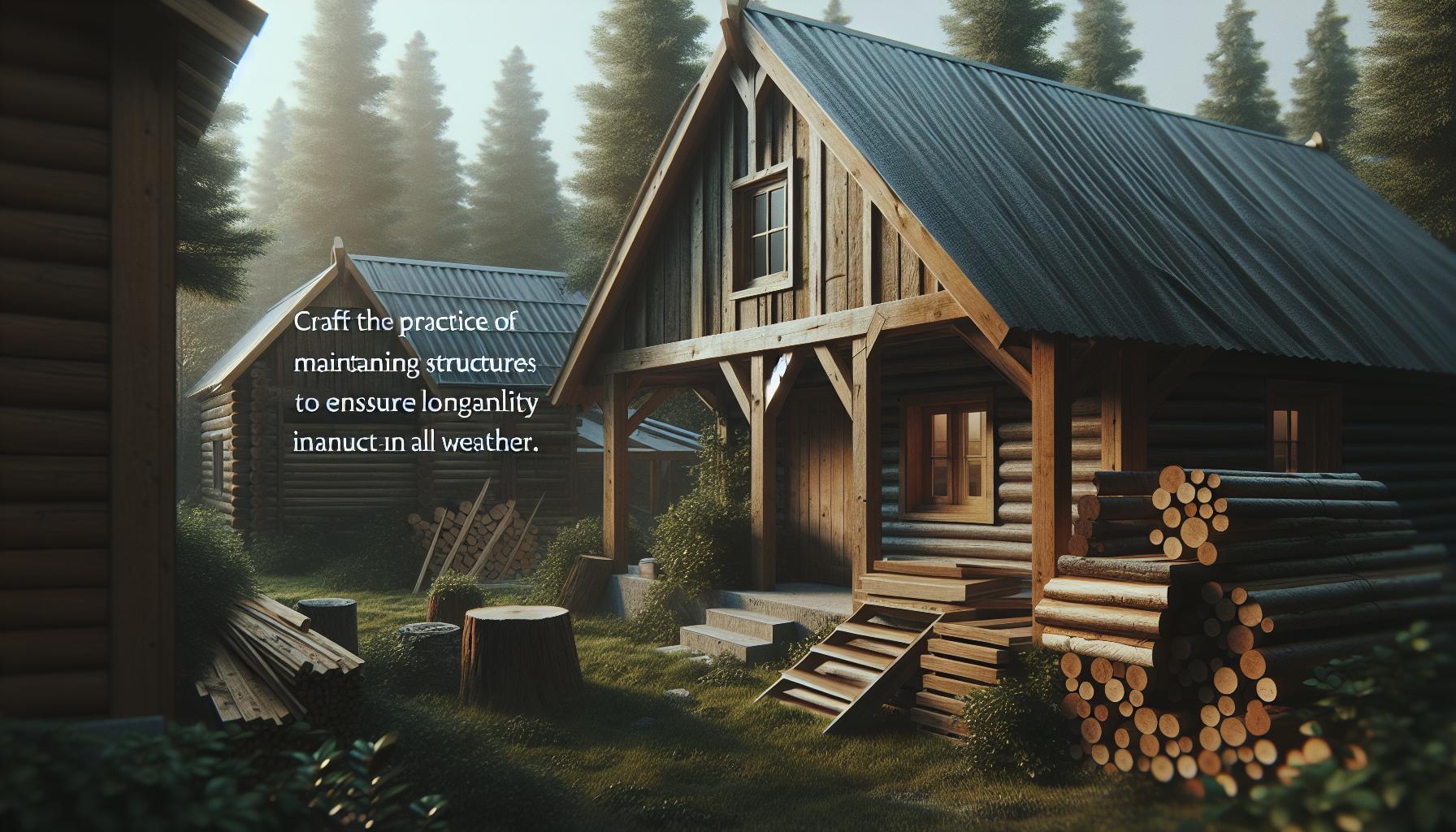
FAQ
How do I start building an outdoor shed?
To start building an outdoor shed, begin with proper planning, including choosing the right location, materials, and design. Ensure you have a solid foundation and comply with local building codes for permits.
Planning is crucial. Consider your shed’s purpose, whether for storage, gardening, or as a workshop. This guides your design and material choices. Also, think about weather-resistant materials, which can significantly improve your shed’s longevity in varying climates. For more details, check our guide on choosing the right materials.
What materials are best for a weather-resistant outdoor shed?
The best materials for a weather-resistant outdoor shed include treated wood,vinyl,and metal options. These materials offer durability and protection against the elements, making them suitable for various climates.
Treated wood, for example, is resistant to rot and pests, while vinyl provides a low-maintenance exterior that can withstand harsh weather. Additionally, metal sheds offer excellent security and durability, though they may require insulation in extreme temperatures. Explore your options to ensure your shed remains functional for years.
How to design an outdoor shed for extreme weather conditions?
Designing a shed for extreme weather involves selecting aerodynamic shapes, strong materials, and adequate ventilation systems. these elements help resist wind and prevent moisture buildup.
Consider a slanted roof to enable snow or rain runoff, while using sturdy materials such as metal roofing. Ensure your ventilation allows air to circulate,reducing humidity,which can damage contents and materials. For designs that suit specific climates, refer to our section on climate-specific shed designs.
Can I build an outdoor shed in my backyard without a permit?
This depends on local regulations; many areas require a permit for sheds above a certain size or height. Always check with your local building department to avoid future issues.
Even if a permit is not required, following local regulations ensures your construction won’t lead to fines or disputes with neighbors. A permit may also cover important aspects, such as safety and zoning requirements. For more on permits and regulations, see our detailed guide on obtaining necessary permits.
Why does proper foundation matter for an outdoor shed?
A proper foundation prevents water damage and ensures your shed remains stable over time. Uneven ground can lead to structural issues, making a solid base crucial.
Options for foundations include concrete slabs, treated wood skids, or compacted gravel. Each offers different benefits depending on your location and intended use. A sturdy foundation not only supports the structure but also enhances its longevity, making it a vital aspect of your shed-building process.
How to maintain a weather-resistant outdoor shed?
To maintain a weather-resistant outdoor shed, regularly inspect for damage, clean debris, and apply protective coatings as needed. Routine upkeep extends the life of your shed.
Check for cracks, rust, or rot quarterly, especially after severe weather. Cleaning gutters and ensuring proper drainage will prevent water accumulation. Applying paint or sealants can greatly improve your shed’s resistance against rain and harsh sunlight, ensuring it stands the test of time.
What are common challenges when building an outdoor shed?
Common challenges include uneven ground, incorrect measurements, and weather delays. But, with careful planning and preparation, these can be managed effectively.
Use a level when setting up your foundation, and double-check measurements before cutting materials. Weather can be unpredictable, so consider having a flexible schedule. Preparation and having the right tools can definitely help you tackle each of these challenges confidently, ensuring a accomplished build.
Wrapping Up
As we wrap up our comprehensive guide on building a weather-resistant outdoor shed, it’s critically important to remember that success in this project lies in understanding your environment and choosing the right materials and designs for your specific climate. We’ve explored essential techniques, from selecting durable woods and weatherproofing finishes to effective ventilation systems that combat moisture buildup.
By keeping these key principles in mind, even novice DIYers can create a sturdy and functional shed that withstands the test of time. Challenges are a natural part of any project—embrace them as opportunities for growth and learning.Remember, every expert was once a beginner, and your craftsmanship will only improve with practice and patience.
We encourage you to dive deeper into the planning phase by sketching out your ideal shed design, and don’t hesitate to reach out to your local home enhancement store or community workshops for additional resources. Join forums or groups dedicated to DIY projects, where you can share your journey, ask questions, and learn from others.
So grab your tools, gather your materials, and embark on this exciting project with confidence. Your dream shed awaits—let’s build it together!
Get our latest guides, news, and insights highlighted in your Google Search & AI Overviews.