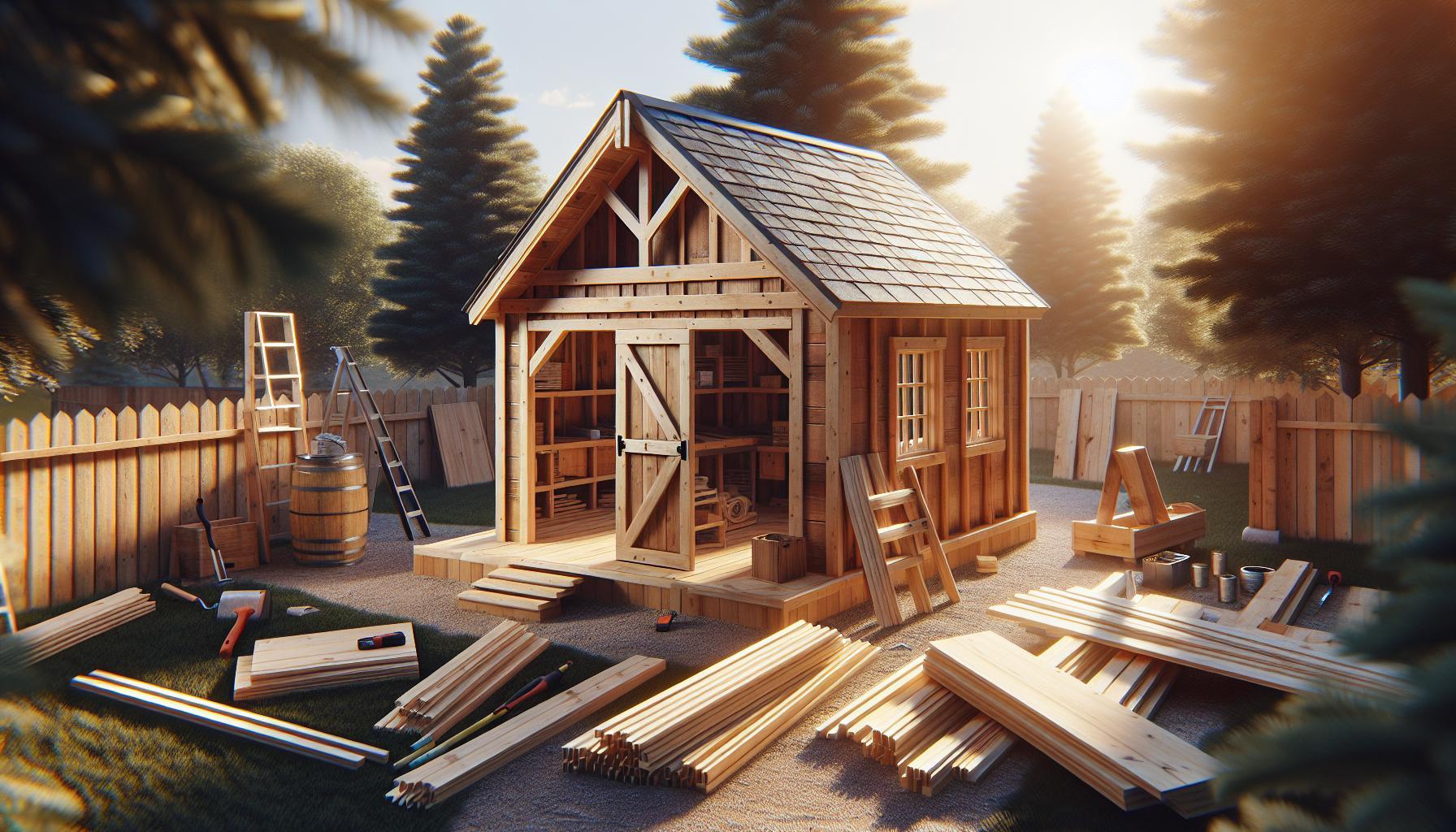
Are you struggling to find enough space for your tools and gardening supplies? An attached shed can be a practical solution, seamlessly expanding your home’s storage without sacrificing yard space. This guide will walk you through the essential steps of building an efficient, stylish shed that enhances your property and improves institution.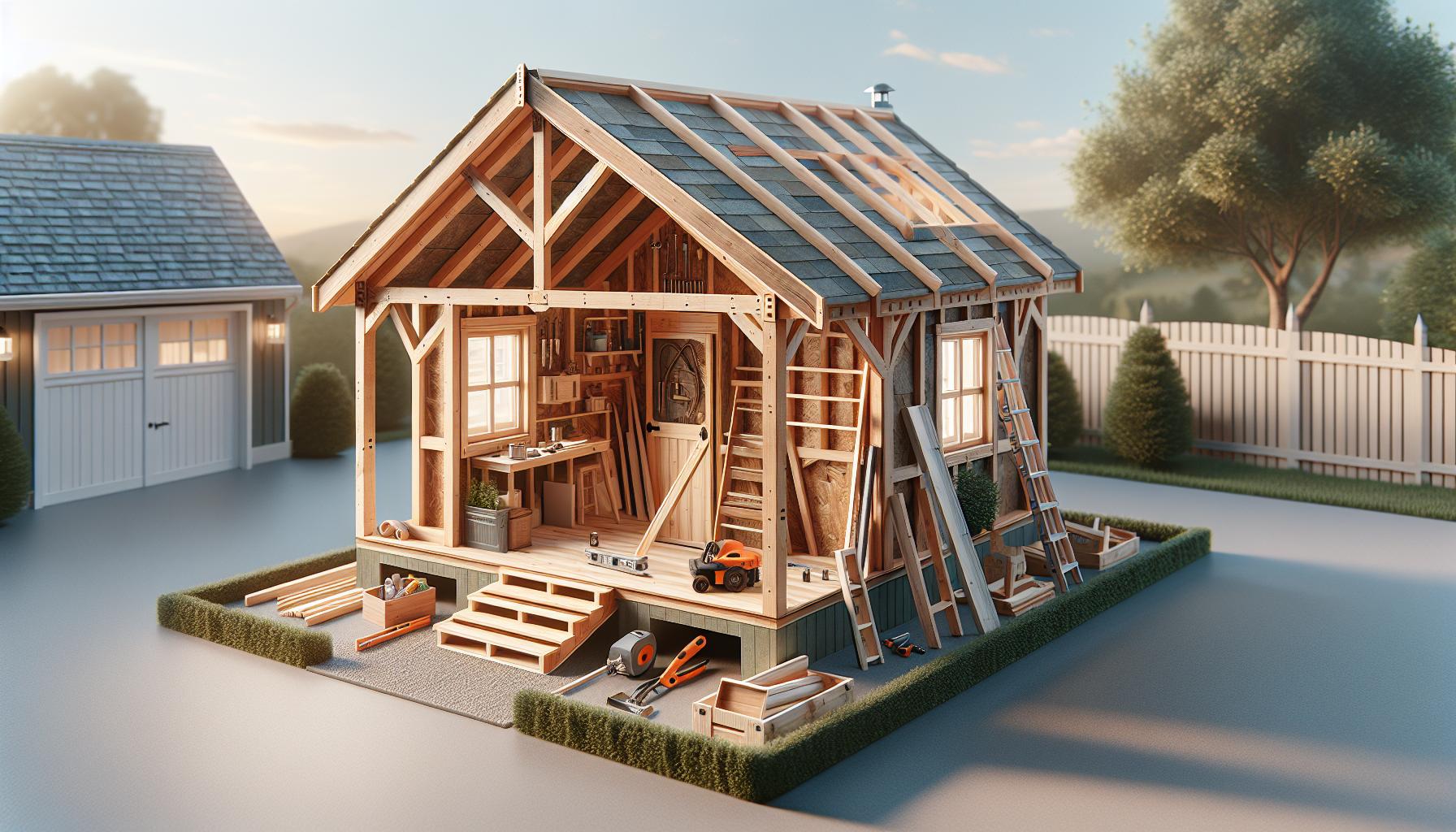
Understanding the Benefits of an Attached Shed for Your Home
The addition of an attached shed can significantly enhance the functionality and aesthetic of your home. Homeowners ofen overlook the potential of underutilized space, yet building an attached shed offers a practical solution to expand storage while maintaining close proximity to the main living areas. This versatile structure provides a dedicated space for tools, equipment, and seasonal items, helping to declutter your home and streamline your living environment.### Practical Storage Solutions
One of the most immediate benefits of an attached shed is the increased storage capacity it provides. Unlike traditional garages, which can often become overcrowded, an attached shed allows for better organization of your belongings. By allocating specific areas for gardening supplies, sports equipment, or holiday decorations, you can easily access what you need without rummaging through piles of clutter in your garage. This organization not only saves time but also enhances productivity, making backyard maintenance or outdoor hobbies much more enjoyable.
### Enhanced Property Value
Incorporating an attached shed into your property can also add to its overall value. Prospective buyers frequently appreciate the convenience of additional storage and functional space. Attached sheds can be designed to blend seamlessly with your home’s architecture, creating a unified look that enhances curb appeal. If you ever decide to sell, an aesthetically pleasing and functional shed can be a selling point that distinguishes your property in the market.
### Versatile Uses
The benefits of an attached shed extend beyond mere storage; it can serve various purposes tailored to your lifestyle and needs. Here are a few possible uses:
- Workshop: Create your own DIY space equipped with tools and materials for your projects.
- Gardening Hub: Store potting soil, planters, and tools in one convenient location.
- Hobby Space: Use it for crafts, painting, or any other hobbies that require dedicated space.
- Play Area: A safe and fun space for kids to play, free from the elements.
By identifying the best use for your attached shed, you can maximize its value and utility for years to come.
### Aesthetics and Design Considerations
When considering how to build an attached shed, aesthetics should not be an afterthought. Choosing materials and colors that complement your home adds to the architectural integrity of your property. Proper ventilation, natural light, and even climate control can make your attached shed a comfortable space to spend time in. Incorporating windows or roof skylights not only enhances visual appeal but also provides an inviting atmosphere, transforming a simple storage area into an enjoyable retreat.
Investing in an attached shed is more than just an improvement to your property; it’s a smart addition that improves storage solutions, elevates property value, and offers a multifunctional space tailored to your lifestyle.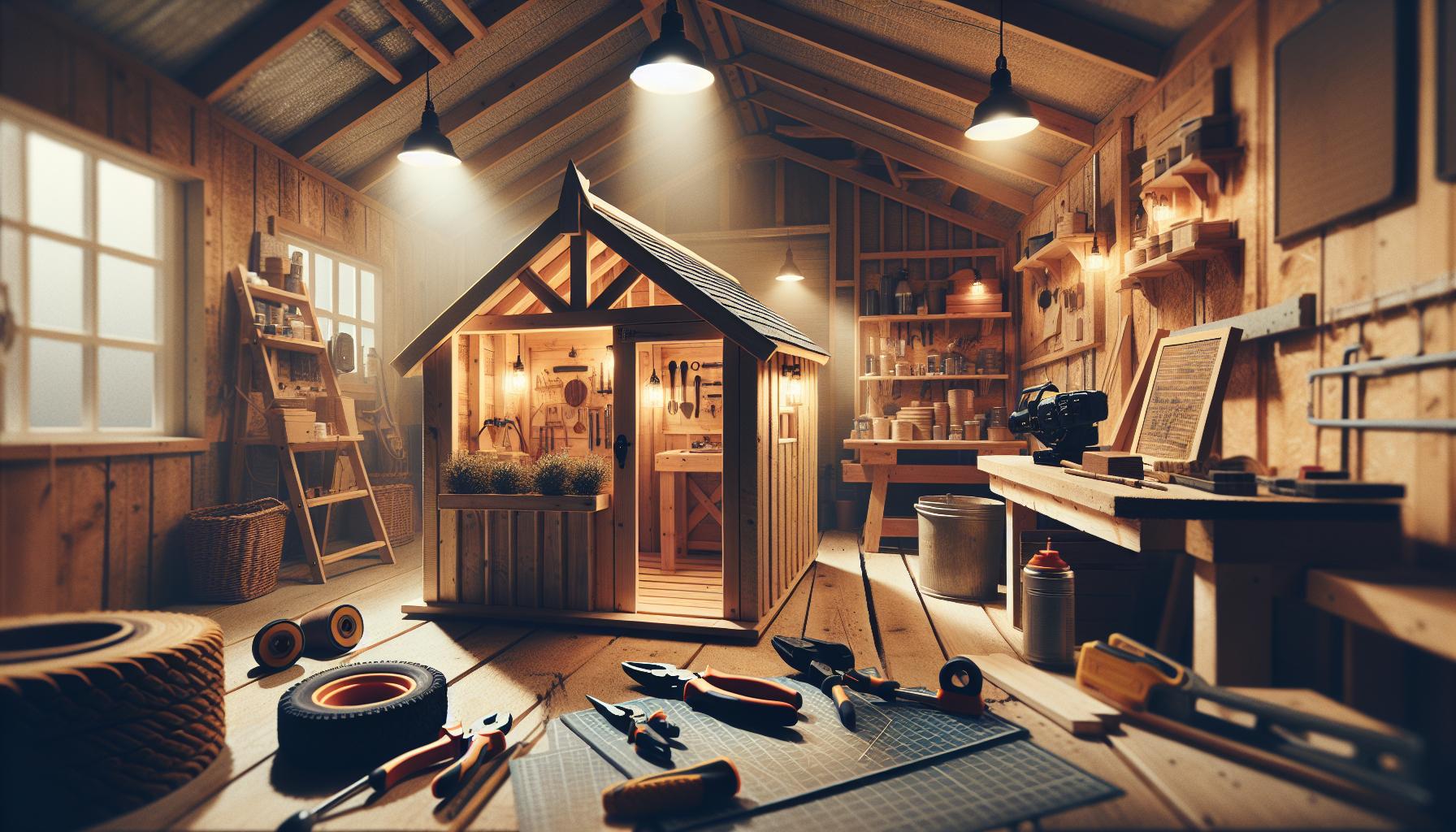
Planning Your Attached Shed: Key Considerations Before You start
When contemplating the addition of an attached shed,it’s essential to start with a clear and cohesive plan. An attached shed not only enhances your storage capabilities but can also add value to your property if done right. Understanding the vital considerations before diving into construction can significantly influence the success of your project, ensuring it integrates seamlessly with your home.
Assessing Your Needs
Begin by evaluating what you actually need from your attached shed. Consider the specific purpose it will serve, weather it’s storing gardening tools, acting as a workshop, or housing outdoor equipment. This assessment will guide the size and design of the shed. Here are some key questions to ask yourself:
- What items will you store, and how much space do they require?
- Will there be a need for electrical outlets and lighting?
- Do you require shelves, workbenches, or other specific organization systems?
Understanding Local Regulations
Before you start construction, familiarize yourself with local permits and zoning laws. In many areas, building an attachment may require specific permits to ensure safety and compliance with codes. It’s advisable to check with your local building department for detailed regulations. This can save you time and resources, as starting without the necessary approvals may result in fines or forced modifications later.
Design Considerations
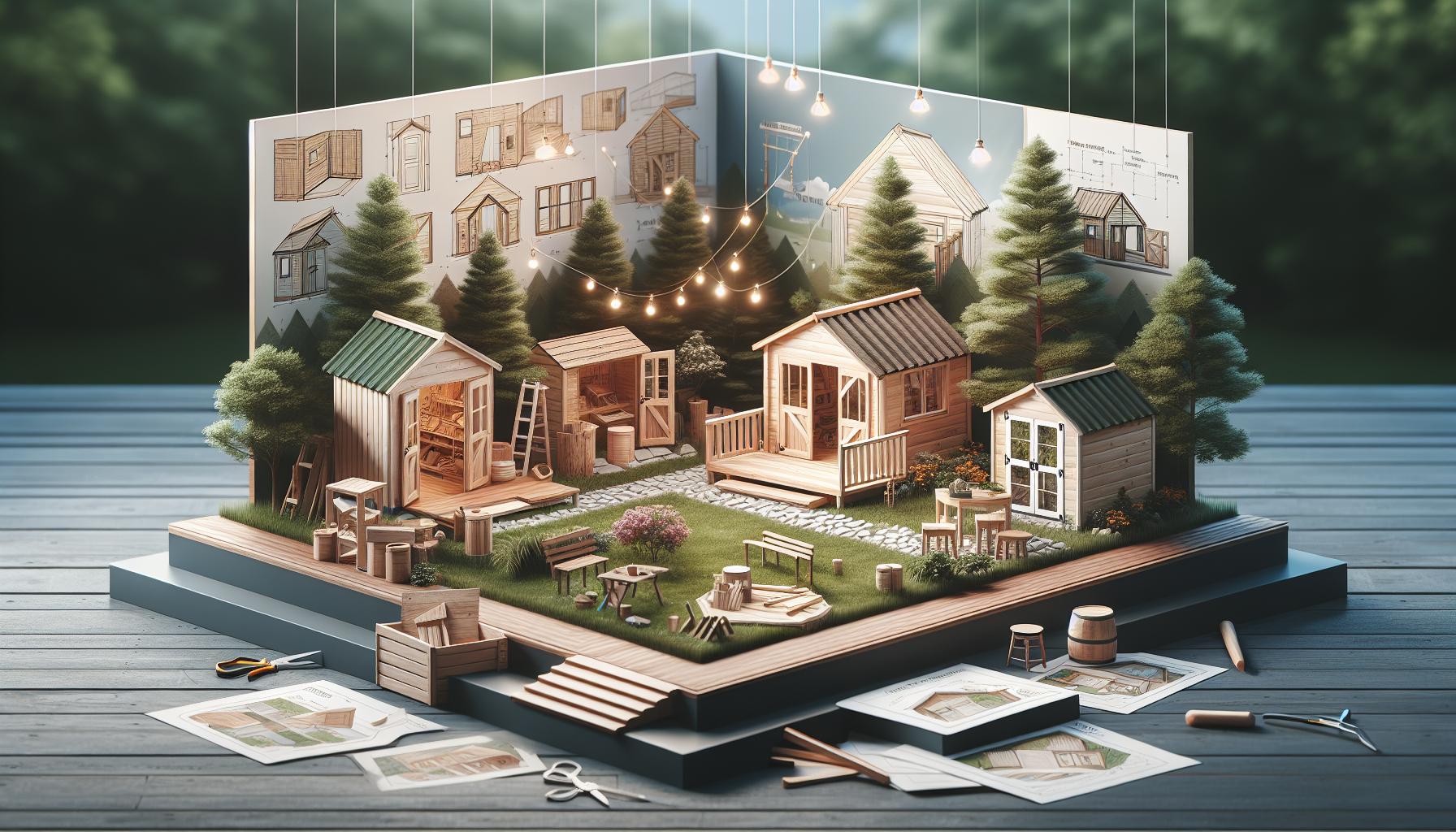
The design of your attached shed should complement your existing home. Consider the architectural style, color, and materials. Whether you prefer a lean-to shed or a more complex structure, ensure that it matches your home’s aesthetics.Simple elements, such as the roof pitch and window styles, can have a substantial impact on the overall look.
| Design Element | Considerations |
|---|---|
| Roof Style | Choose between flat, gable, or shed roofs to match your home. |
| Materials | Use similar siding or roofing materials as your home for a cohesive look. |
| Size | Ensure it’s proportionate to your house and the surrounding landscape. |
By meticulously planning each aspect of your attached shed, you can create a functional and aesthetically pleasing addition to your home. This readiness sets the stage for a successful build, maximizing both utility and appeal.
Essential Tools and Materials: what You’ll Need for Your Shed Project
When embarking on the exciting journey of building your own shed, having the right tools and materials can truly make the difference between a successful project and a frustrating experience. Whether you’re a seasoned DIYer or a first-timer eager to learn, understanding what you’ll need is essential to expanding your home’s storage easily and efficiently.
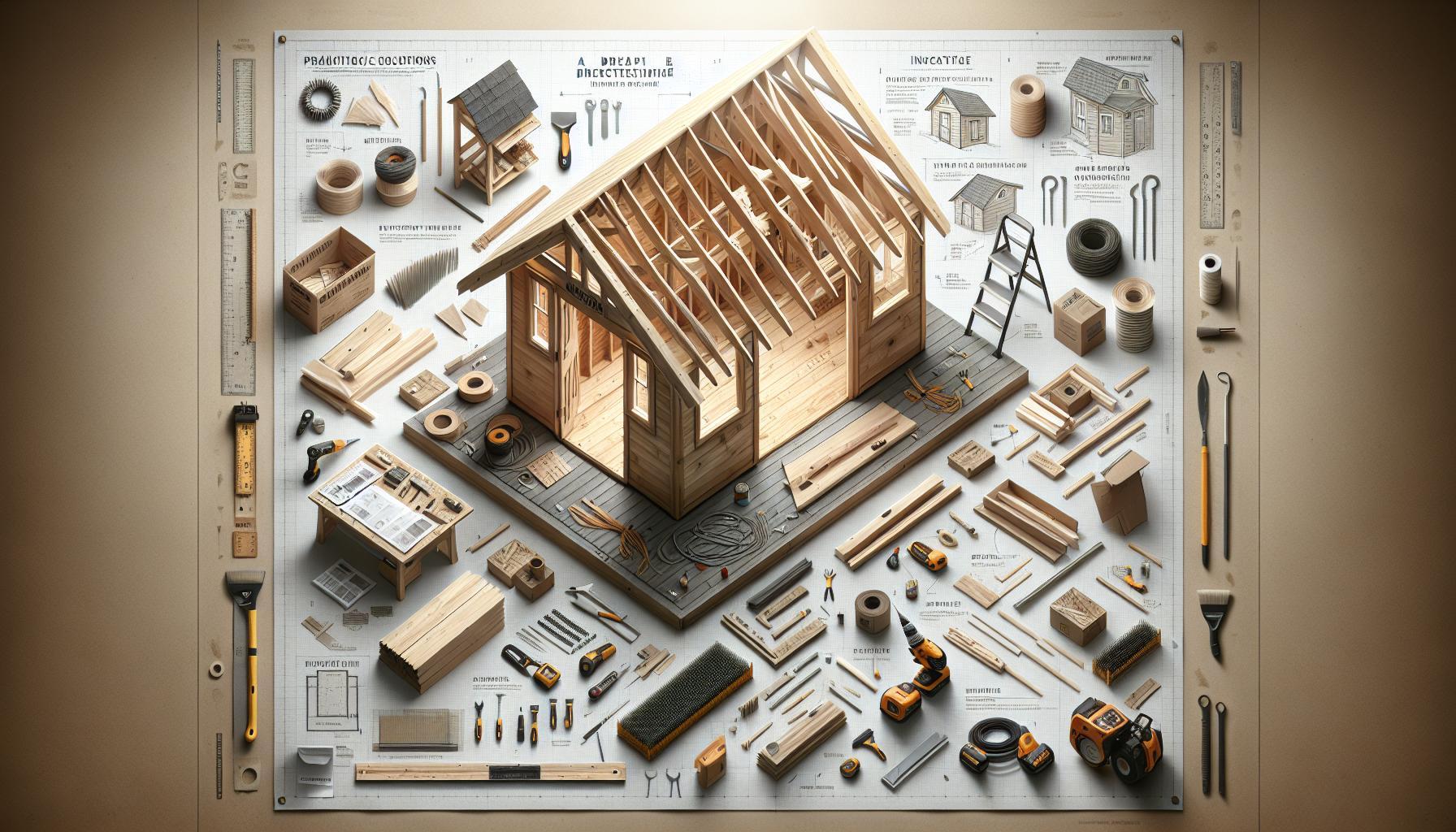
To start your shed project on the right foot, consider gathering a robust toolkit. Essential tools include:
- Cordless Power Drill with Impact Driver: Perfect for drilling holes and driving screws, this tool is crucial throughout the building process [[3]](https://sheddrafts.com/best-shed-building-tools).
- Circular Saw: Ideal for cutting plywood and lumber, it helps streamline the framing process, allowing you to achieve precision cuts [[1]](https://www.reddit.com/r/Tools/comments/1570bwo/assuming_i_own_zero_tools_what_will_i_need_to/).
- Measurement Tools: A tape measure and level are essential for ensuring accuracy in your dimensions and alignment, which is vital for a sturdy structure.
- Hammers and Saws: Hand tools like a framing hammer and handsaw or a miter saw are indispensable for assembling various components and achieving clean cuts.
- Safety Gear: Don’t forget safety goggles, gloves, and ear protection to keep yourself safe while working with tools.
In addition to tools,the materials you choose will significantly impact the durability and appearance of your new shed. Here’s a basic list to get you started:
Essential Materials
- lumber: Use pressure-treated wood for the foundation and framing, while plywood or OSB (oriented strand board) works well for wall sheathing.
- Roofing Material: Consider asphalt shingles or metal roofing, depending on your budget and desired aesthetic.
- Paints and Finishes: A whether-resistant paint or wood stain not only enhances the look of your shed but also protects it from the elements.
By investing time to select the right tools and materials for your shed, you set the groundwork for a project that is not only enjoyable but also yields a functional, attractive addition to your home.Remember, the journey of learning how to build an attached shed will bring you not only a practical storage solution but also pride in your craftsmanship.
Step-by-Step Guide to Building Your Attached Shed
Building an attached shed is not only a fantastic way to expand your home’s storage but also enhances its overall aesthetic and functionality. Before diving into the construction process,it’s essential to plan thoroughly to ensure a seamless integration with your existing structure. Proper planning allows you to tailor your shed’s design and dimensions to meet your specific needs while adhering to local regulations.
Step 1: Design and Planning
Start by sketching a design that matches the style of your home. Consider the shed’s purpose, whether for tool storage, garden supplies, or even a home office. Take accurate measurements of the area where you plan to build, noting any potential obstacles like trees or utility lines. This planning phase is crucial as it determines the shed’s layout and style, including the type of materials you will need.
Step 2: Gathering Materials
Once your design is finalized, compile a list of materials.Generally, you’ll need:
- Pressure-treated lumber for the frame
- Exterior-grade plywood for walls
- Roofing felt and shingles
- Exterior paint or stain for weatherproofing
- Windows and doors, if applicable
purchasing quality materials is vital to ensure durability and longevity, especially since the shed will be attached to your home and exposed to the elements.
Step 3: Foundation and Framing
Begin construction by laying a strong foundation. Depending on your climate, you may opt for a concrete pad or a wooden support structure.Ensure that the floor is level and well-drained to prevent moisture accumulation.After establishing the foundation,construct the frame using your pressure-treated lumber. Make sure to secure it firmly to the existing structure and double-check for levelness before proceeding.
Step 4: Walls and Roofing
Once the frame is complete, install the wall panels. Use exterior-grade plywood to ensure they are durable against weather elements. For the roof, choose a pitch that complements your existing structure while ensuring proper drainage. Apply roofing felt and shingles, paying attention to overlaps to prevent leaks.
Utilizing these steps will guide you through the basics of constructing an effective attached shed,allowing you to maximize your home’s storage space efficiently. Remember, each phase requires careful attention to detail, ensuring your shed stands as a stable and attractive addition to your property.
Design Tips for Creating a Functional and Attractive Shed
When designing a shed, it’s essential to blend functionality with aesthetic appeal, creating a space that not only complements your home but also meets your storage needs. Effective design starts with understanding the purpose of your shed. Whether you plan to use it as a workshop, a garden tool storage, or even a retreat, identifying its primary function will guide your layout, material choices, and decorative elements.
To maximize functionality, consider these core design tips:
Optimize Space Utilization
A well-designed shed makes the most of its available space. Implement horizontal and vertical storage solutions like shelving and pegboards to keep tools and equipment organized while maximizing floor space. Additionally, incorporate multi-functional furniture or storage units that can serve multiple purposes, which is particularly beneficial in smaller sheds.
- Shelving units: Install adjustable shelves to accommodate different items and allow for easy access.
- Wall-mounted racks: Use wall space for tools and small items, keeping the floor clear.
- Foldable furniture: consider collapsible tables or workbenches that can be tucked away when not in use.
Choose the Right Location and Orientation
The placement of your shed is critical to its functionality and attractiveness. It should be situated to take advantage of natural light while remaining functional throughout the day. Orientation towards the sun can help reduce moisture and promote airflow. Additionally, assess the surrounding landscape for accessibility and aesthetic harmony with your home.
Select Durable and Attractive materials
The choice of materials significantly impacts both the longevity and visual appeal of your shed. Opt for weather-resistant materials that require minimal maintenance. Materials such as treated wood, metal, or vinyl siding not only stand up to the elements but can also be tailored in color and finish to match your home’s exterior. It’s beneficial to focus on enduring materials as well, which add to the overall attractiveness of your design while supporting eco-friendliness.
Consider Future Expansion
while designing your attached shed, think about potential future needs. If you anticipate needing more storage or workspace, plan for possible expansions by leaving space for additional structures or making the current design adaptable. This foresight not only saves costs in the long run but also enhances the overall functionality of your shed as your needs evolve.
By implementing these tips, you can ensure your shed is both functional and visually pleasing, truly expanding your home’s storage capabilities while complementing your landscape beautifully.
Navigating Local Building Codes and Permits for Your Shed
Building a shed can significantly enhance your home’s storage capabilities, but it also involves navigating a complex web of local building codes and permits.Understanding these regulations is not just crucial for compliance; it can also prevent costly delays or modifications during construction. Various municipalities have specific guidelines ensuring that structures are safe,environmentally friendly,and in harmony with the surrounding property.
To get started on your project, first check the building codes in your area. Most cities and counties maintain a dedicated building department that publishes relevant details.Such as, you can visit the Building + construction section of the City of Overland Park, Kansas, where the local permitting system, ePLACE, allows you to apply for necessary permits online [[1]]. Similarly, Richland County, Ohio, emphasizes the importance of code compliance through their building department, which reviews all plans prior to the issuance of permits [[2]].
When preparing your application, it’s important to include all required documentation, which may include scaled drawings of the shed, plot plans showing the structure’s location, and specifications about building materials. not only does this help expedite the approval process, but it also provides a clear understanding of your project’s scope. Keep an eye on specific regulations regarding setbacks— the distance your shed must be from property lines—as these can vary widely depending on local laws.
Common Requirements for Shed Permits
- Blueprints or Plans: Detailed drawings of the intended structure.
- Site Plan: A map showing where the shed will be located on your property.
- Material Specifications: Lists of all materials to be used.
- Permit Fees: Payment of applicable fees for processing your application.
investing time upfront to learn about your local building codes and permit processes is essential for a successful shed construction project. By following these requirements, you can ensure that your new addition is not only functional but also compliant with local laws, allowing you to enjoy your expanded storage space without unnecessary complications.
Common Challenges in Shed Construction and How to Overcome Them
Building an attached shed can be a fantastic solution for expanding your home’s storage, but like any construction project, it comes with its own set of challenges. Understanding these hurdles can make the difference between a smooth build and a frustrating experience. One common issue is limited space, which can lead to difficulty in organizing the interior and maximizing the available area effectively.
Space Optimization
When constructing an attached shed, it’s crucial to plan your layout meticulously. To overcome space constraints, consider incorporating multi-functional furniture or built-in storage solutions.Such as, using shelves that extend vertically rather than horizontally can create more floor space for other uses. Utilize corners effectively with corner shelving units, or opt for foldable tables and chairs that can be stowed away when not in use. Additionally, mirror placement can visually expand the space, making it feel larger than it is indeed.
Insulation and Weatherproofing
Another challenge faced during the building process is insulation and weatherproofing.Many sheds are initially not designed to be living spaces, which can lead to temperature control problems. To tackle this issue, invest in quality insulation materials that are suitable for both summer and winter climates.Ensure that your shed has proper sealing around doors and windows to prevent drafts. Applying a weather-resistant exterior finish will also help protect against moisture and pests, prolonging the life of your structure.
Compliance with Local Regulations
Before beginning your project, it is imperative to check local building codes and zoning regulations.Not adhering to these can result in fines and the need to redo work. To navigate this challenge, start by researching your locality’s requirements regarding shed dimensions, proximity to property lines, and building permits. Engaging with local authorities early in your planning process can help clarify what is necessary, allowing you to focus on how to build an attached shed that meets all legal stipulations.
By anticipating these common challenges in shed construction and preparing accordingly, you can create an attached shed that not only enhances your home’s storage capability but also adds value to your property. Embrace the journey of building, and use these tips to simplify the process while achieving your dream shed.
Enhancing Your Attached Shed: Practical Ideas for Organization and Comfort
Organizing an attached shed not only maximizes your storage potential but also enhances your overall comfort and efficiency while working. An organized space can transform an often-cluttered area into a functional powerhouse for your gardening, crafting, or other storage needs. Implementing a few clever strategies will elevate your attached shed into a well-structured environment that reflects your personal style and organizational preferences.
One effective approach to enhance your attached shed is through vertical storage solutions. By utilizing wall space, you can free up valuable floor area and create easy access to your tools and supplies. Consider installing pegboards or slat panels to hang frequently used items such as gardening tools, hoses, and even small shelves for pots or fertilizers. This not only keeps essentials within reach but also adds a visual element to your shed’s interior. For a speedy DIY project, you might use recycled wood to create custom shelving units that cater specifically to your storage needs.
smart Storage Solutions
A well-planned organizational system is crucial for any attached shed. Incorporate a mix of containers and labeled bins to keep similar items together and easy to find. Clear storage bins allow you to quickly identify their contents,while opaque containers can provide a cleaner look for less frequently used items. Here are some smart storage ideas to consider:
- Stackable Bins: Maximize vertical space by stacking bins. Choose bins that fit well on your shelves or use a dedicated rack for extra height.
- Magnetic strips: Install magnetic strips along the walls to easily store metal tools like screwdrivers and scissors, keeping them visible and accessible.
- Overhead Storage: Utilize the ceiling space by installing sturdy overhead racks or hooks for lightweight items such as seasonal decorations or camping gear.
Creating a Comfortable Workspace
While functionality is key, comfort shouldn’t be overlooked. An attached shed can also serve as a relaxing retreat or a workspace free from distractions. Start by adding a small workbench, ensuring it has good lighting. A well-lit area can make tasks more enjoyable and less strainful on the eyes. Additionally, consider personal touches such as a comfortable chair, plants, or decorative art to create an inviting atmosphere.
Consider setting up a small climate control solution if your shed is used regularly. This might involve installing a small fan or heater to maintain a pleasant temperature, allowing you to work in comfort, irrespective of the weather outside.
Ultimately, transforming your attached shed into an organized and comfortable space requires a combination of smart storage solutions and personalized touches.Embracing these practical ideas while keeping in mind how to build an attached shed effectively will yield a versatile area that meets your evolving needs and elevates your home’s overall functionality.
Q&A
How do I begin to build an attached shed?
Start by planning your shed’s size and location. Consider factors like access to utilities, sunlight, and existing structures. Draft a design based on your storage needs and local regulations.
Before construction, research your local building codes and obtain any necessary permits. Create a detailed list of materials and tools needed for the project. This preparation will streamline the building process and ensure compliance with safety standards.
What materials should I use for an attached shed?
Use durable materials like pressure-treated wood for the frame and weather-resistant siding. These materials will ensure the shed withstands the elements over time. Choosing the right material is crucial for longevity.
Consider insulation if you plan to use the space for more than just storage. Plywood is a common choice for flooring, while metal roofing offers added durability compared to shingles. Explore various options to meet your aesthetic and functional needs.
How do I attach the shed walls to my house?
Begin by removing the siding where the shed walls will connect to your home. Attach the shed walls directly to the studs for a secure connection. Ensure that the walls are plumb and level before securing them permanently.
Use header boards for additional support and consider flashing to prevent water intrusion. The connection between your shed and home needs to be robust, so double-check all fastening systems to provide stability.
Do I need a permit to build an attached shed?
Yes, most localities require a permit for shed construction. This often depends on the size and intended use of the structure.Be sure to check your local regulations for specific requirements.
Getting the necessary permits is crucial to avoid fines and ensure your shed meets safety guidelines. Many municipalities provide online resources for understanding these requirements, which can simplify the process for first-time builders.
How can I ensure my attached shed stays dry?
Proper drainage and sealing are essential to prevent moisture damage. Use flashing around the roof and walls, and install gutters to direct water away from the shed. Good ventilation can also help maintain a dry environment inside.
Consider using waterproof materials for your flooring and walls to create a barrier against moisture. Regular maintenance, such as checking for leaks or signs of water damage, will help keep your shed in top shape for years to come.
What are some common problems when building an attached shed?
Common issues include improper measurements and poor weatherproofing. These problems can lead to structural failures and water damage. Planning ahead and being precise with your measurements can definitely help mitigate these risks.
Additionally, ensure that you have sufficient support for the roof and walls. if you’re unsure at any stage, consult resources or seek advice from experienced builders. Addressing potential issues early will enhance your overall building experience.
Can I build my attached shed without professional help?
Yes, many DIYers successfully build attached sheds without professional assistance. With the right tools, materials, and guidance, you can take on this project. Research and preparation are key components of successful DIY building.
Start with detailed plans and don’t hesitate to seek help from tutorials or community forums. Embracing a supportive approach will build your confidence, making the process enjoyable and rewarding.
Future Outlook
As you embark on the exciting journey of building an attached shed, remember that this project is not just about expanding your home’s storage but also about enhancing your outdoor space. By carefully considering your location, design, and the materials you choose, you can create a functional and aesthetically pleasing addition to your home.
start by planning your layout and gathering the necessary tools—having a clear roadmap is crucial. Don’t hesitate to lean on resources like diagrams and plans for guidance, ensuring you understand each step along the way. Acknowledge common challenges, such as zoning regulations and weatherproofing, but view them as opportunities to strengthen your project with thoughtful solutions.
Remember, quality craftsmanship comes from patience and practice, so take your time to ensure every cut and measurement is precise. Engaging with DIY communities can provide you with invaluable tips and support throughout your building process.Now that you have the foundational knowledge, dive into the project with confidence.Explore further resources and tutorials, and consider sharing your own experiences and successes in DIY forums.Your attached shed is not just a storage solution; it’s a chance to express your creativity and skills. Happy building!
Get our latest guides, news, and insights highlighted in your Google Search & AI Overviews.