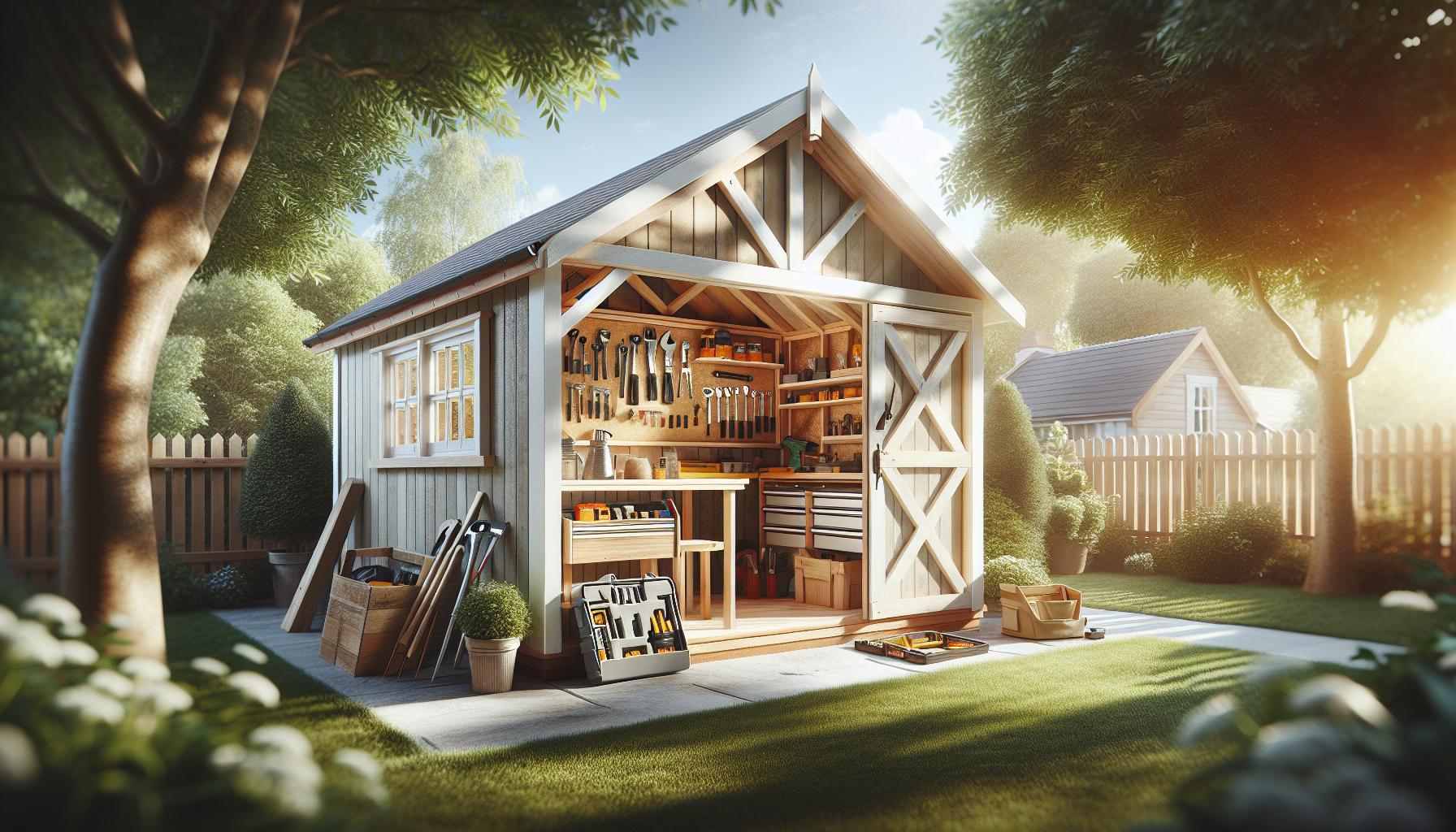
When it comes to outdoor storage, a leaky shed roof can turn a reliable space into a costly headache. understanding how to design and build a weather-proof roof is crucial for protecting your tools and equipment from the elements. This guide will explore effective techniques and designs that ensure a leak-free shelter for years to come.
Understanding shed Roof Designs: What Works Best for Your Project
Choosing the right design for a shed roof can considerably influence the overall performance and longevity of your structure. With the right roof design, you can ensure that your shed remains weather-proof and resistant to leaks, making your investment worth every penny. However, navigating the various options available can be overwhelming. Understanding the key characteristics of different shed roof designs helps you select the one that best suits your project, weather conditions, and aesthetic preferences.
Common Shed Roof Designs
When considering how to build a shed roof that withstands the elements,here are several popular designs that are both functional and attractive:
- gable Roof: Characterized by two sloping sides that meet at a ridge,gable roofs are excellent for shedding rain and snow,making them a favorite in areas with heavy precipitation.
- Hip Roof: with slopes on all four sides, this design provides extra stability against wind and can be an aesthetic choice that enhances the overall look of your shed.
- Flat Roof: Ideal for modern aesthetics, flat roofs require proper drainage systems to prevent water pooling. They are easier to build but need regular maintenance.
- shed Roof (Mono-pitched): A single sloping roof that is easy to construct and is great for maximizing natural light if angled towards the sun. This design is also effective in shedding water away.
Each of these roof designs has its own advantages and considerations regarding weather resistance. for instance, while a gable roof is effective in shedding water, a shed roof may allow for a more efficient use of space and materials, especially in smaller yards.
Factors to Consider for Your Shed Roof
When deciding on the best roof for your shed, consider the following factors:
| Factor | Impact on Choice |
|---|---|
| Climate | Heavy rains or snow may require a steeper pitch to prevent water accumulation. |
| Materials | Choose roofing materials that match the design and can withstand local weather conditions. |
| Usage | A shed used for storage may prioritize roof durability over aesthetics, whereas a garden shed may have different design considerations. |
| Budget | Your financial capacity will influence the complexity of the roof design and materials you choose. |
By carefully evaluating these elements, you can better understand which shed roof design best aligns with your needs while following principles outlined in resources like ”How to Build a Shed Roof: Weather-Proof Designs That Prevent Leaks.” Prioritizing functionality without compromising on style is key to successful shed construction.
Essential Materials for a Weather-Resistant Shed Roof
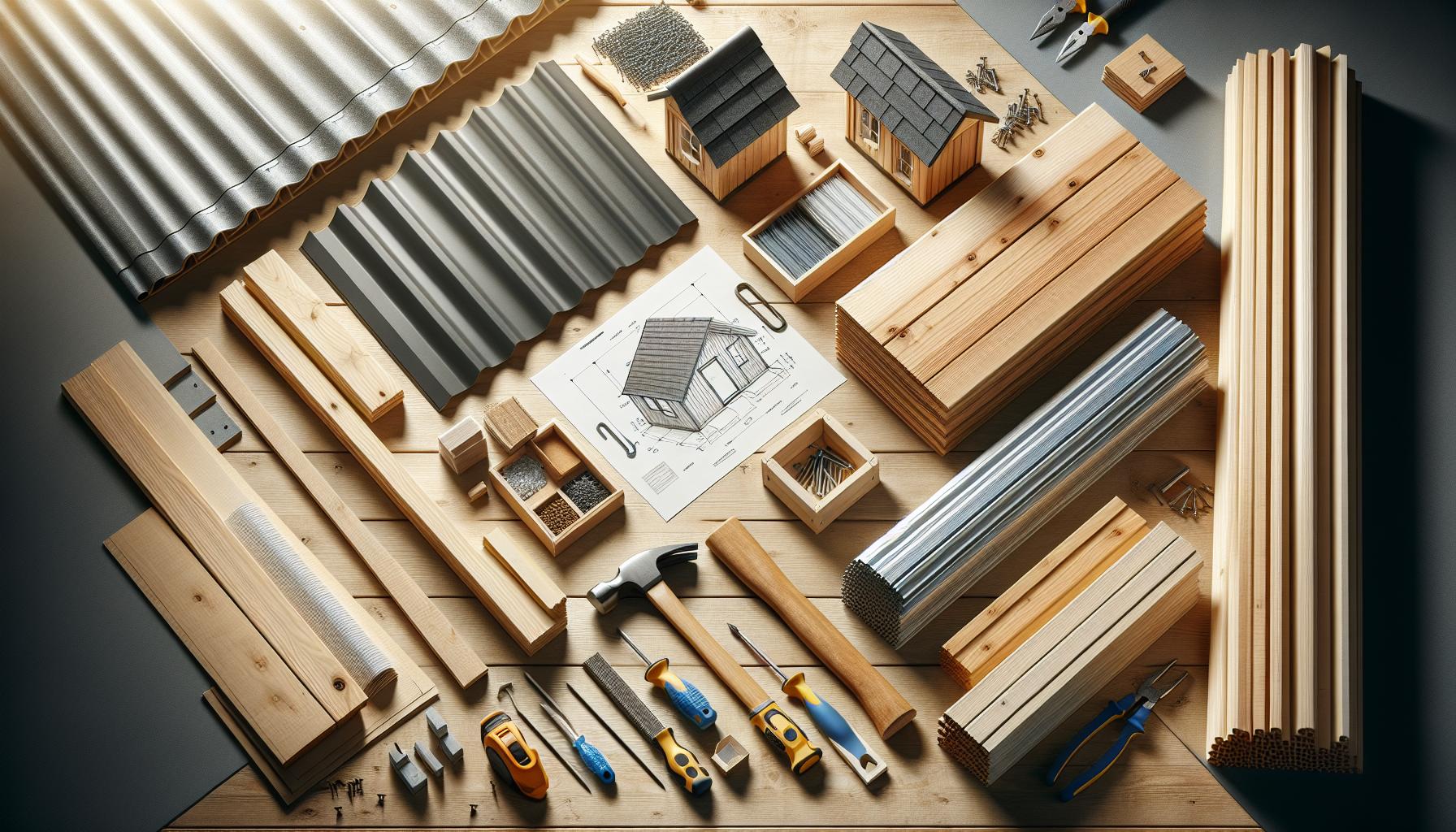
When embarking on the journey of constructing a shed roof, understanding which materials to use is crucial for ensuring durability and resistance against the elements. Choosing the right components can mean the difference between a leak-free structure and a maintenance nightmare. With the right selection of materials, your shed can endure downpours, snow accumulation, and even extreme sun exposure, all while maintaining its structural integrity.
Key Materials for Weather Resistance
The right combination of materials can provide a robust defense against various weather challenges. Here’s a breakdown of essential materials that should be your go-to for a weather-resistant shed roof:
- Roofing Felt: This is an excellent underlayment that serves as a barrier against moisture. Installed beneath shingles, it adds an extra layer of protection, helping to prevent leaks.
- Shingles: Asphalt shingles are a popular choice for shed roofs due to their affordability and effectiveness. They come in various styles and colors, offering functionality without compromising aesthetics.
- Metal roofing: For those looking for a long-term solution, metal roofing can be a great option. It’s highly resistant to moisture and can withstand heavy snow and wind. Additionally, metal roofs can be installed at lower pitches, making them versatile.
- Sealants and Caulk: Always keep a high-quality sealant or caulk on hand to seal joints, edges, and fasteners. This will help keep moisture from seeping through vulnerable areas.
- Drip Edge: Installing a drip edge along the eaves helps direct water away from your shed’s walls, minimizing the risk of rotting and siding damage.
Durability Considerations
When evaluating materials, durability should be a primary consideration. Here’s a speedy comparison of some common roofing materials frequently enough discussed in guides on how to build a shed roof with weather-proof designs:
| Material Type | Expected Lifespan | Weather Resistance | Maintenance Level |
|---|---|---|---|
| Asphalt Shingles | 15-30 years | good | Moderate |
| Metal Roofing | 40-70 years | Excellent | Low |
| Wood Shakes | 20-30 years | Moderate | High |
| EPDM rubber | 20-30 years | Good | Low |
Choosing the right combination of materials is essential for achieving a leak-resistant shed roof. Whether you opt for traditional asphalt shingles or the long-lasting benefits of metal roofing, understanding these components can inform your decisions and ensure a successful build. Equip yourself with quality materials, and enjoy the peace of mind that comes with a well-constructed shelter.
Step-by-Step Guide to Constructing a Shed Roof Framework
Building a sturdy shed roof framework is essential not only for aesthetics but also for ensuring protection against the elements. A well-constructed roof can withstand high winds and heavy rain, safeguarding your valuable tools and equipment stored inside. To achieve this, it’s crucial to follow a systematic approach, laying a strong foundation with your framework that can support the roofing material and resist leaks.
Materials Needed
Before diving into construction, gather the essential materials:
- Wood beams (typically 2x4s or 2x6s depending on the roof design)
- Wood screws or nails
- Plywood sheets for the sheathing
- Roofing felt or a similar underlayment
- Shingles, metal roofing, or other roofing material of choice
- brackets for additional support and stability
Step-by-Step Construction Process
- Design Your Roof: Start by deciding on the type of roof you want—common examples include gable, hip, or flat roofs. Each design impacts the overall framework. As an example, gable roofs generally require a peak at the centre, while flat roofs will need more support for water drainage.
- Measure and Cut: Accurately measure your shed and cut the wood beams for the rafters and ridge beam. it’s essential to maintain precise angles, especially for a gable roof, to ensure that the roofing materials fit correctly.
- Construct the Framework:
– Ridge Beam Installation: Begin by securing the ridge beam at the desired height across the top of the walls.- Cut and Attach Rafters: Attach the rafters from the ridge beam down to the wall studs. Make sure they are evenly spaced and securely fastened. The angle at which they are cut should match your roof’s design.
- Add Support Braces: For additional support, especially on larger structures, install diagonal braces to prevent shifting and ensure stability during rain or wind.
- Install Sheathing and Waterproofing: Lay plywood sheets over the rafters to form a solid base. This sheathing will be critical for the underlying structure and help in preventing leaks. Afterward, apply roofing felt over the sheathing, which acts as a moisture barrier.
- Finish with Roofing Material: install your selected roofing material. If using shingles, make sure they are properly aligned and slightly overlapped to promote shedding of water. For metal roofing,ensure all screws and fasteners are tightly secured.
Final Touches and Tips
Once the framework and roofing are completed, inspect all connections and surfaces for potential weak spots. Regular maintenance checks can prevent minor issues from developing into larger headaches. With your framework securely built following these steps derived from “how to Build a Shed Roof: Weather-Proof Designs That Prevent Leaks,” you will create a durable, moisture-resistant barrier that enhances the longevity of your shed.
Common Roofing Techniques: Choosing the Right one for Your Shed
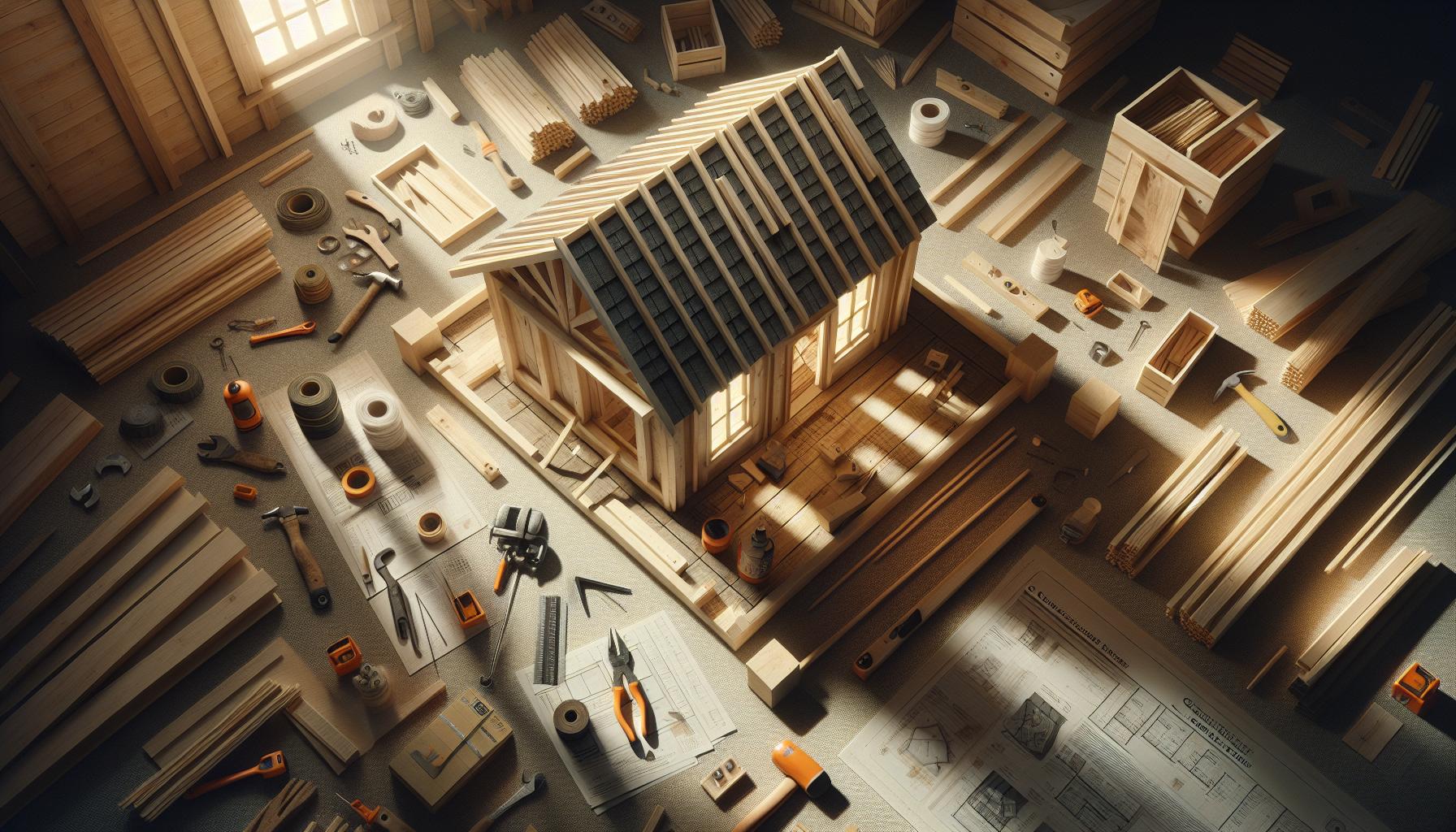
To create a shed that can withstand the test of time and climate, selecting the right roofing technique is crucial. Your choice influences not only the aesthetic appeal of your structure but also its ability to shed water effectively. Whether you’re building a garden shed, a storage unit, or a workshop, understanding common roofing techniques will help guide you toward the most weather-proof designs that prevent leaks effectively.
Asphalt Shingles
One of the most popular roofing options for sheds is asphalt shingles. Known for their affordability and ease of installation, asphalt shingles come in various colors and styles, allowing for a degree of customization. They also provide good waterproofing capabilities. Though,it’s essential to install them correctly to avoid premature wear or leaks.
- Pros: easy to install, cost-effective, widely available.
- Cons: Lifespan may be shorter in extreme weather conditions.
Metal Roofing
Metal roofing is another excellent choice for sheds, especially in areas that experience heavy rainfall or snow. This type of roofing is highly durable and offers superior waterproofing.additionally, metal roofs reflect sunlight, which can definitely help to keep your shed cooler in warm weather.
- Pros: Long-lasting, resistant to mold and rot, excellent for snow runoff.
- Cons: Initial cost can be higher, may require specialized installation.
Wood shakes or Shingles
For those looking for a more rustic aesthetic, wood shakes or shingles provide a unique charm. While they can add character to your shed,it’s essential to consider that they require more maintenance compared to other roofing materials. Additionally, proper treatment is vital to extend their lifespan and prevent leaks.
- Pros: Natural appearance, great insulation properties.
- Cons: High maintenance, susceptible to moisture damage if not treated.
Flat Roofs
Flat roofs are also an option, particularly for modern sheds. To ensure they’re water-resistant,it’s critical to use a high-quality waterproof membrane and ensure proper drainage. Flat roofs can facilitate the installation of additional features like solar panels or rooftop gardens.
- Pros: Space-efficient, potential for multifunctional usage.
- Cons: Potential for pooling water if not properly sloped.
Considering these roofing techniques ensures that you choose the right design to protect your shed from the elements. Each option carries its own benefits and drawbacks that should align with your specific needs, budget, and aesthetic preferences. Understanding these factors will drastically improve the longevity and functionality of your shed.
Waterproofing Your Shed Roof: Proven Methods for Maximum Protection
when it comes to protecting your shed and its contents from the elements, a well-crafted roof is your first line of defense. Whether you’re storing tools, garden supplies, or valuable equipment, ensuring that your shed roof is waterproofed is vital to prevent leaks and water damage. by utilizing a combination of proven waterproofing methods, you can significantly extend the life of your shed and its contents.
Choosing the Right roofing Material
The foundation of a waterproof shed roof starts with selecting the right materials.Some popular choices include:
- asphalt Shingles: Budget-amiable and easy to install, they provide an excellent barrier against water.
- Metal Sheets: Durable and long-lasting, metal roofing is excellent for shedding water quickly.
- EPDM Rubber Roofing: This membrane is not only waterproof but also UV resistant, making it a great option for flat roofs.
In addition to these options,consider factors such as climate,slope,and aesthetics when selecting your materials. A steep pitch can aid in water runoff, while a flat roof may require additional waterproofing measures.
Sealing and Coating Techniques
Once your shed roof is constructed, applying protective sealants can enhance its waterproof capabilities. Here are some methods to consider:
- Roof Sealants: Brands like Liquid Rubber and Henry’s can provide a flexible waterproof barrier. Apply according to manufacturer instructions for optimal adhesion.
- Bitumen Paint: Suitable for wooden and metal roofs, this protective coat offers both waterproofing and UV resistance.
- Flashing Installation: adding metal flashing around joints and edges prevents water from seeping through vulnerable areas.
Regular inspections and maintenance are also crucial in maintaining the integrity of these waterproofing methods. Check for cracks, peeling, or signs of wear that may allow moisture to enter.
Recent innovations in Waterproofing
With technology constantly evolving, several innovations have emerged to enhance waterproofing measures. Here’s a quick look at a few options you might consider:
| Innovation | Description | Advantages |
|---|---|---|
| Self-Adhesive Membranes | These are peel-and-stick products applied to the roof surface. | Quick installation, excellent waterproofing, no need for additional adhesives. |
| liquid Rubber Coatings | Fluid applied to create a seamless, waterproof membrane. | Adaptable to any shape, fills cracks, and easy to maintain. |
By leveraging these innovative solutions along with traditional methods, you can construct a shed roof that effectively withstands water intrusion and keeps your belongings dry, aligning perfectly with the principles outlined in “How to Build a Shed Roof: Weather-Proof Designs That Prevent Leaks.” Prioritize these waterproofing strategies, and you’ll ensure the longevity and functionality of your shed for years to come.
Ventilation and Insulation: Keeping Your Shed Dry and Temperate
Maintaining a comfortable environment inside your shed is essential for protecting your tools and equipment from moisture, especially during fluctuating weather conditions. Adequate ventilation and insulation play critical roles in ensuring your shed remains dry and temperate, even in extreme climates. Understanding how to implement effective strategies will greatly enhance the longevity of your structure and its contents.
Ventilation: The Breath of Fresh Air
Proper ventilation is indispensable for preventing dampness and promoting air circulation within your shed. Without it, humidity can build up, leading to mold growth and the deterioration of materials. Here are some effective ventilation options:
- Ridge Vents: installing vents along the ridge of your shed roof allows hot air to escape, reducing moisture buildup.
- Soffit Vents: Placed at the eaves of your roof, these vents work in tandem with ridge vents to create a continuous airflow.
- Window vents: Adjustable windows can be opened or closed to control airflow, making them ideal for warmer months.
- Passive Ventilation systems: Consider incorporating passive systems such as turbine vents or gable vents that utilize wind to pull hot, moist air out of the shed.
Insulation: Keeping the Elements at Bay
Just as critical as ventilation is the insulation of your shed. Adequate insulation not only helps to maintain a consistent internal temperature, but it also acts as a barrier against moisture intrusion. Here are steps you can take to insulate effectively:
- Select the Right Material: Use closed-cell foam insulation or fiberglass batts to resist moisture absorption.
- Seal Gaps: Pay attention to areas where air can leak, such as around windows, doors, and joints. Use caulk or weather stripping to seal these gaps.
- Floor Insulation: Insulate the floor with rigid foam boards to prevent cold from seeping in during winter.
Combining effective ventilation with quality insulation creates a balanced environment that inhibits humidity while ensuring your shed stays comfortable year-round. When you know how to build a shed roof that employs both strategies, you equip yourself with the tools to maintain a dry and temperate space, thus enhancing the durability and usability of your shed for years to come.
Troubleshooting Common Shed Roof Issues: Preventing Leaks and Damage
When it comes to maintaining the structural integrity of your shed, resolving issues related to the roof is paramount. Even the most meticulously built shed roof can experience problems that lead to leaks and damage, especially if not properly designed or maintained. The good news is that many of these problems can be anticipated and mitigated with regular checks and proactive solutions.
Identifying Common Roof Problems
It’s vital to be proactive in spotting issues that may lead to water damage or structural failure. Here are some of the most frequent problems to keep an eye on:
- Clogged Gutters: Accumulated debris can prevent proper water drainage,leading to leaks and rotting of the shed structure.
- Missing Shingles: A few missing shingles can create potential entry points for water,making it essential to perform regular inspections.
- Ponding Water: Flat roofs are particularly susceptible to water pooling. This can encourage leaks and quick deterioration of roofing material.
- Flashing Failures: Improper installation or deterioration of flashing around vents, chimneys, and seams can lead to significant leaks.
Preventative Measures
Taking the time to implement preventative strategies can save you from extensive repairs down the line.Below are some actionable steps that align with the principles outlined in the guide on building a weather-proof shed roof:
- Regular Inspection: Schedule bi-annual checks of your shed roof to ensure everything is in working order.
- Gutter Maintenance: Clean gutters at least twice a year to prevent overflow and ensure proper drainage.
- Upgrade Materials: Consider opting for high-quality roofing materials that resist wear and tear, such as metal or architectural shingles that can withstand harsh weather conditions.
- Installation of a Slope: If your roof design allows, incorporate a slight slope to promote water runoff, reducing the chances of pooling.
Quick Fixes for Common leaks
If you do notice leaks or other issues starting to arise,address them promptly to prevent extensive damage. Here’s a simple guide to dealing with some common roof leaks:
| Problem | quick Fix |
|---|---|
| Leak through shingles | apply roofing cement to seal the damaged areas securely. |
| Damaged flashing | Remove the old flashing and replace it with new, adequately sealed flashing. |
| Clogged gutters | Use a gutter scoop to remove debris and ensure water flows freely. |
| Ponding on flat roof | install additional drains or adjust the slope with a foam insulation board to redirect water flow. |
Taking these simple steps can significantly enhance your shed’s resilience against leaks and damage, providing you with peace of mind as you utilize your shelter. With the right knowledge and a proactive approach as discussed in the guide on constructing a water-resistant shed roof, you can tackle common issues before they escalate into costly repairs.
Frequently asked questions
How to Build a Shed roof: Weather-Proof Designs That Prevent Leaks?
To build a weather-proof shed roof that prevents leaks, choose a sloped design and quality materials like metal or asphalt shingles. Proper ventilation and sealing techniques also play a crucial role in leak prevention. Follow a detailed plan to ensure success in your DIY project.
What is the best roof design for a shed?
The best roof design for a shed is typically a gable or lean-to roof due to their effective water runoff. These designs create a slope that helps prevent water accumulation, which is essential for maintaining a leak-free structure.
Additionally, using durable materials such as metal or high-quality shingles can further enhance your roof’s weather resistance.
For more tips, check out our article on shed building materials that contribute to durability.
Why does my shed roof leak?
A shed roof might leak due to poor installation, worn-out materials, or lack of proper sealing. Common causes include cracked shingles, inadequate flashing, or pooling water from flat sections.
Identifying these issues early can save time and money. Regular inspections and maintenance are key to preventing leaks and ensuring the longevity of your shed.
Can I use metal roofing for my shed?
Yes, you can use metal roofing for your shed, which is an excellent choice for weather-proofing. Metal roofs are durable, lightweight, and offer excellent resistance to leaks when installed correctly.
They also reflect heat, helping to keep your shed cooler in the summer. Be sure to follow proper installation techniques for the best results.
How do I seal my shed roof to prevent leaks?
To seal your shed roof, apply high-quality roofing sealant along seams and joints after installation. Regularly check and replace any worn areas every couple of years for the best protection.Additionally, consider installing gutter systems to divert water away from the roof, which can further reduce the risk of leaks.
What materials are best for building a leak-proof shed roof?
The best materials for a leak-proof shed roof include asphalt shingles, metal panels, and EPDM rubber roofing. Each of these materials has specific benefits and can effectively keep your shed dry if applied correctly.
Investing in good-quality materials ensures durability against harsh weather conditions and reduces long-term repair costs.
How can I improve the drainage on my shed roof?
To improve drainage on your shed roof, ensure that you have a proper slope and add gutters to direct excess water away from the structure. A well-designed eaves can also help channel rainwater effectively.
If you’re using a flat roof, install a slight pitch to prevent water pooling. regular maintenance is essential to keep drainage systems clear of debris.
Wrapping Up
Building a shed roof that is not only stylish but also weather-proof and leak-resistant is entirely within your reach. By choosing the right design and materials, understanding essential framing techniques, and applying meticulous craftsmanship, you can create a durable roof that stands the test of time.Remember, the key elements to focus on include selecting the appropriate pitch, investing in quality waterproofing materials, and ensuring accurate measurements during construction.
For those who may encounter challenges along the way, don’t hesitate to seek out additional resources or hit the workbench with a friend; collaboration ofen leads to innovative solutions. Each step you take, from selecting lumber to securing shingles, enhances your skill set and boosts your confidence in DIY projects.
So, whether you’re a seasoned builder or just starting your first project, embrace the journey. Dive deeper into shed construction techniques, explore a variety of roof styles, and don’t shy away from experimenting with different weather-proofing methods. Your shed deserves a roof that protects it, and you have the capability to build it. Happy building!