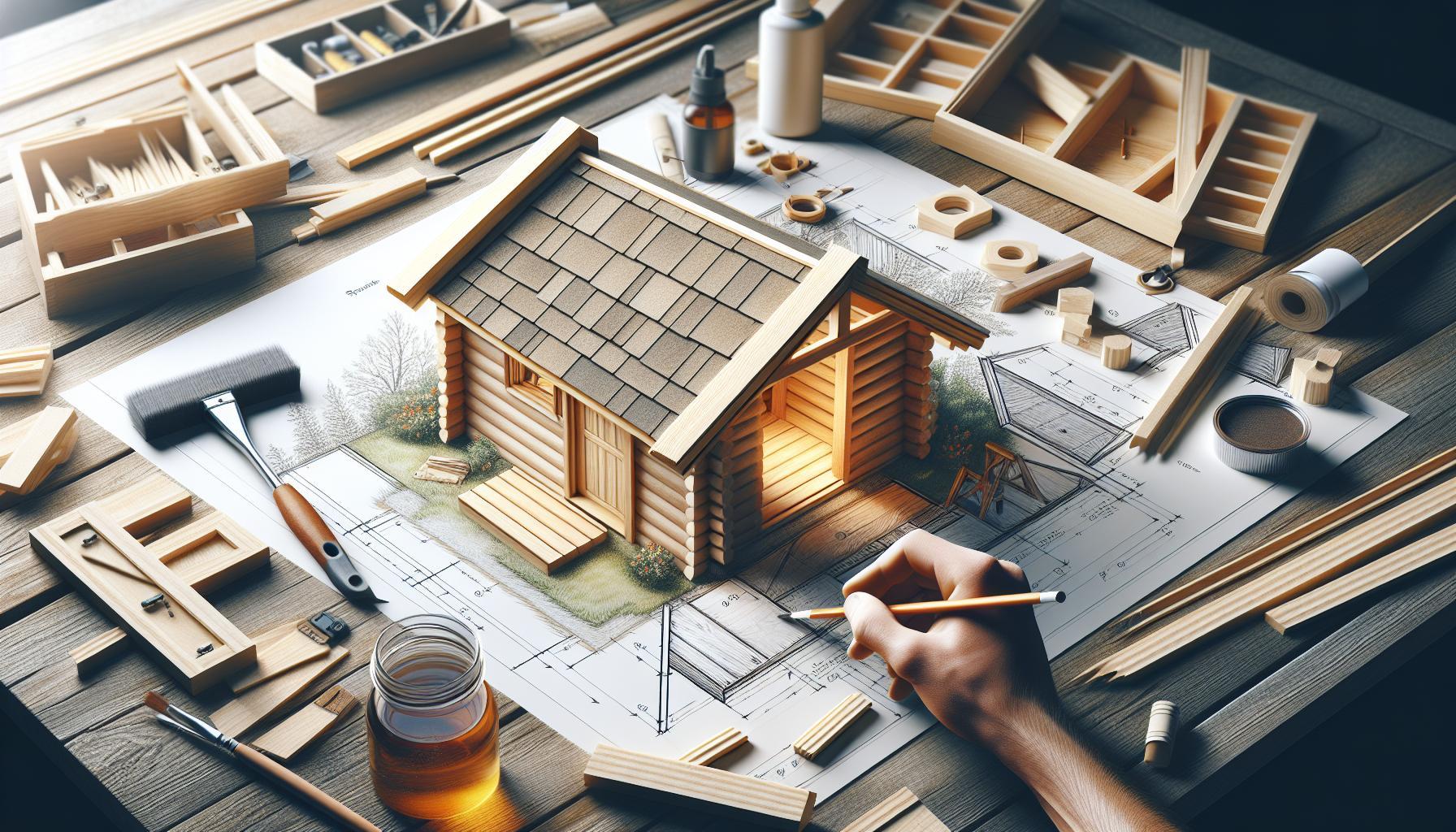

Are you tired of leaks and water damage ruining your outdoor storage? Building a sturdy and waterproof shed roof is essential for protecting your investment and ensuring longevity. In this article, we’ll explore effective designs and construction tips that keep your shed safe from the elements, helping you maintain your storage solution for years to come.
Understanding Shed Roof Basics: Types and Benefits
Understanding the various types of shed roofs and their benefits can significantly influence your construction project, ensuring it reflects your needs while enhancing durability and aesthetics. Shed roofs are not only functional—thay can also add character to your property. Whether you’re building a simple storage shed or a more elaborate garden office,mastering the basics is essential.
Types of Shed roofs
When it comes to designing a shed roof, several styles stand out, each offering unique advantages:
- Flat Roof: This minimalist design is cost-effective and easy to construct, making it great for smaller sheds. However, proper drainage solutions are vital to prevent pooling water.
- Lean-to Roof: Also known as a shed roof, this style involves a single slope, which can be less complex than other designs. It’s ideal for altitude changes and works well when attached to an existing wall.
- Gable Roof: A classic choice featuring two sloping sides that meet at a peak. This design allows for better air circulation and shed storage space, but it may require more complex framing.
- Hip Roof: With slopes on all sides, hip roofs are more stable and wind-resistant, making them suitable for areas with harsh weather conditions. Though, they can be more expensive to build.
- Mansard roof: Featuring four slopes,this design offers a spacious upper level. It’s ideal for maximizing living or storage space in a stylish way, but it requires more material and labor.
benefits of Choosing the Right Shed Roof
Selecting the appropriate roof type for your shed not only affects its appearance but also enhances its functional longevity. Here are some key benefits to consider:
| Roof Type | Advantages | Considerations |
|---|---|---|
| Flat Roof | Cost-effective, easy access, simple construction | Needs proper drainage solutions for water pooling |
| Lean-to Roof | Simple design, good for use against walls, effective for water runoff | Lacks height; suitable mostly for storage |
| Gable Roof | Classic look, great for air circulation, provides extra space | more complex framing; may require additional materials |
| Hip Roof | Stable, aesthetically pleasing, good for windy areas | Higher construction complexity; more costly |
| Mansard Roof | Stylish, optimizes space, offers additional living area | increased material and labor requirements |
Understanding the types and benefits of different shed roofs is a crucial step in how to build a shed roof that not only meets your specific needs but also protects your investment effectively. Carefully evaluating these options will guide you in selecting a design that complements your property’s style while ensuring structural integrity and functionality for years to come.
Essential Tools and materials for a Successful Roof Build
When embarking on the journey of constructing a durable and effective roof for your shed, the importance of having the right tools and materials cannot be overstated. The right equipment not only streamlines the building process but also ensures that your shed roof is both waterproof and resilient, safeguarding your investment for years to come.
Essential Tools
To achieve a successful roof build,gathering the following tools is crucial:
- Measuring Tape: Precision is key when cutting materials. A sturdy measuring tape ensures accurate lengths and angles.
- Circular Saw: Ideal for quickly cutting through plywood or OSB boards that serve as sheathing for your roof.
- Level: Essential for ensuring that your roof is perfectly even, which helps in proper drainage.
- Hammer and Nails: A trusty hammer will be necessary for nailing down roofing materials,with galvanized nails recommended for weather resistance.
- Safety Gear: Don’t overlook goggles, gloves, and a hard hat. Safety should always come first when working at heights.
Key Materials
Selecting high-quality materials is equally as important. Below is a breakdown of essential items you’ll need for your shed roof:
| Material | Purpose |
|---|---|
| Plywood Sheets | Used as the roof sheathing, providing a strong base for the roofing material. |
| Roofing Felt | A water-resistant barrier that protects against moisture penetration between the sheathing and the final roofing layer. |
| Roofing Shingles or Metal Sheets | Choosing either shingles or metal will depend on the desired aesthetic and longevity. Both options offer varying degrees of waterproofing and resistance to the elements. |
| Flashing | Metal flashing directs water away from seams and joints to prevent leaks. |
| Screws or Roof Nails | Corrosion-resistant fasteners are crucial for securing roofing materials and ensuring long-term durability. |
Investing in these tools and materials not only enhances the structural integrity of your shed roof but also empowers you to tackle any waterproof design challenges that may arise. A well-equipped project will ultimately translate into a finished product that not only protects your investment but also significantly extends the life of your shed.
Step-by-Step Guide: Framing Your Shed Roof with Confidence
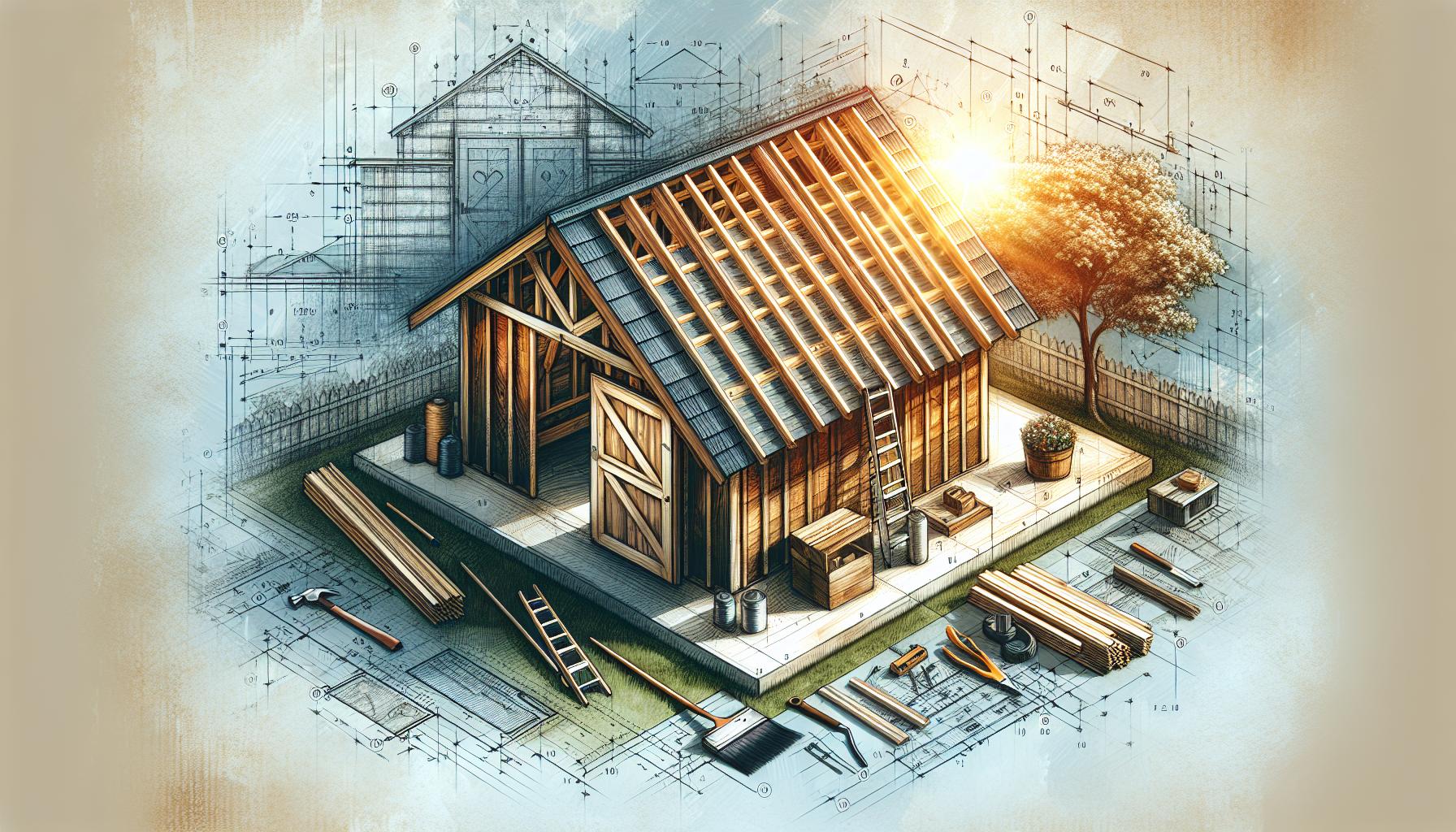
When constructing a shed roof, the framing is a critical step that determines the overall strength and waterproofing capability of the structure. A well-framed roof not only supports the weight of the roofing materials but also routes water away effectively, protecting your investment from leaks and damage. Understanding how to build a shed roof involves mastering the intricacies of framing techniques specific to your design choice, be it a gable, shed, or hip roof.
Materials You’ll Need
Before starting the framing process, gather the following materials:
- Lumber: Standard lumber sizes are typically 2×4 or 2×6 for rafters.
- Roofing Felt or Underlayment: For waterproofing.
- Roofing Material: Choose from shingles, metal, or other suitable options.
- Fasteners: Nails or screws for securing components.
- Tools: Circular saw, hammer, level, and measuring tape.
Framing the Roof
Start by determining the pitch of your roof, which influences both aesthetics and water drainage. Here’s a simplified framing approach:
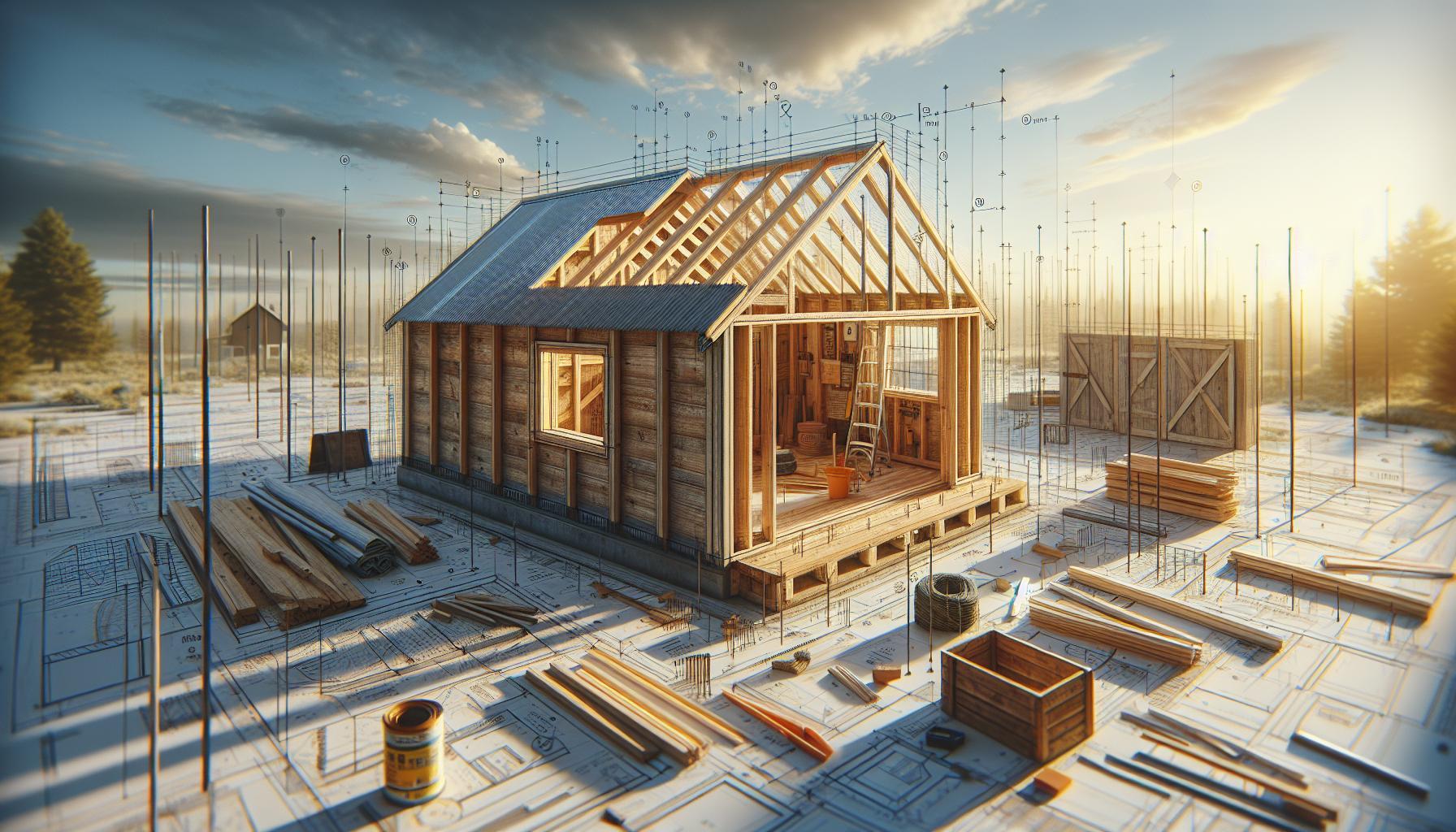
- Establish the Ridge Board: This is the highest point of your roof where the rafters will meet. Cut a board to the desired length and secure it to the top of the walls using brackets for added stability.
- Cut the Rafters: Using your lumber, cut rafters according to the desired angle of your roof pitch. A common pitch is a 4:12 rise, which means the roof rises 4 inches for every 12 inches horizontally.
- Position the Rafters: Space the rafters evenly, typically 16 to 24 inches apart from center to center, depending on local building codes. Attach each rafter at both the ridge board and the top plate of the wall with nails or screws, ensuring each is level.
- Add Collar Ties (Optional): Depending on the design, you may wish to reinforce the structure by installing collar ties between opposing rafters to help prevent sagging.
- Install Sheathing: Onc the rafters are in place, cover them with plywood or oriented strand board (OSB) sheathing to create a solid surface for the roofing material. Remember to stagger the seams for added strength.
Waterproofing
After framing is complete, it’s essential to add a waterproof layer to protect against rain and moisture damage.
- Roofing Felt Installation: Roll out roofing felt over the sheathing, overlapping seams and fastening securely.This acts as an additional barrier against leaks.
- Final Roofing Material: Lastly, install your chosen roofing materials, making sure to follow manufacturer guidelines for installation to maintain optimal waterproofing.
By following these steps, you’ll frame a shed roof that not only stands strong but also effectively protects your investment from the elements. For more detailed guides and resources, consider consulting materials from reliable sources such as Hartville Outdoor Products or Shedplans.org for various roofing styles and tips on execution.
Waterproofing techniques: Keeping Your Investment Safe
Understanding the various waterproofing techniques available can be the difference between a sturdy outdoor structure and one that succumbs rapidly to the elements. Water infiltration can not only jeopardize your shed’s integrity but also compromise the items stored within, making effective waterproofing essential to safeguarding your investment. Employing proper waterproofing methods ensures your shed remains a reliable asset for years to come.
Types of Waterproofing Techniques
When constructing a shed roof, especially one designed specifically to withstand seasonal weather changes, consider these reliable waterproofing strategies:
- Proper Shed Roof Pitch: A roof with an adequate pitch allows for efficient water runoff, preventing pooling that can lead to leaks.Aim for a roof pitch of at least 4/12, where the roof rises 4 inches for every 12 inches of horizontal run.
- Quality Roofing Materials: Opt for specialized roofing materials like metal,EPDM (ethylene propylene diene terpolymer) rubber,or fiberglass-reinforced panels which are all designed to provide superior waterproofing properties while withstanding varying weather conditions.
- sealing Joints and Edges: Apply high-quality sealant around joints, edges, and flashing where different roofing materials meet. This helps prevent leaks caused by wind-driven rain or moisture condensation at these vulnerable points.
- Install drip Edge Flashing: Installing drip edges along the eaves and rakes of your roof efficiently directs water away from the shed’s walls and foundation, minimizing the risk of dampness infiltrating the structure.
Using Membranes and Coatings
In addition to traditional roofing methods, modern waterproofing highlights the use of membranes and protective coatings:
- waterproof Membranes: Consider applying a waterproof membrane beneath your roofing materials. These membranes act as an additional barrier against moisture, helping to ensure that even if the primary roofing material is breached, water does not enter the shed.
- Protective Coatings: Using a spray-on waterproof sealant can prolong the life of your shed roof. These coatings form a flexible layer that adapts to movement in the materials while providing a durable water-resistant barrier.
Regular Maintenance is Key
Implementing waterproofing techniques alone is not sufficient. Regular maintenance is crucial to preserving the integrity of your shed roof.This involves routine inspections to look for:
| Area to Inspect | Signs of Water Damage | Maintenance Action |
|---|---|---|
| Roof Surface | Cracks, blistering, or loose shingles | Repair or replace damaged sections |
| Flashing | Rust, bent edges, or loose installations | Seal or replace as necessary |
| gutters | Blockages or sagging | Clean and secure for effective drainage |
By understanding and applying these waterproofing techniques, you can significantly enhance the durability of your shed roof.Taking these proactive steps is crucial to ensuring the longevity of your structure and protecting your investment from the damaging effects of water.
Common pitfalls in Shed Roof Construction and How to Avoid Them
Building a shed roof can be a rewarding project, but many homeowners encounter common pitfalls that can jeopardize the integrity and longevity of their investment. Understanding these potential challenges is essential to ensure that your construction adheres to waterproof designs and protects your structure. By being aware of common mistakes and knowing how to avoid them, you can enhance the durability of your shed roof and save yourself costly repairs down the line.
One frequent error is neglecting proper roofing materials. Choosing inappropriate materials for your shed’s climate can lead to leaks and rotting, ultimately compromising the roof’s functionality. For instance, using asphalt shingles in areas prone to heavy snowfall without adequate slope can result in water pooling, which increases the risk of leaks. To avoid this, conduct thorough research on roofing materials that are best suited for your local weather conditions. consider options like metal roofing for its durability against harsh weather or treated wood for added resistance to moisture if you prefer a traditional look.
Another common pitfall is inadequate roof sloping. If the slope is too shallow, water may not drain properly, leading to a higher risk of water damage and mold growth. to ensure effective drainage, experts recommend a minimum slope of 3:12 (for every 3 inches of vertical rise, there should be a minimum of 12 inches of horizontal run). Incorporate this guideline into your planning phase to maintain proper drainage throughout your shed’s lifespan.
Lastly, poor ventilation can cause serious problems, such as overheating and trapped moisture, which may lead to premature decay of the roofing materials. Always plan for adequate ventilation in your shed roof design. This can be achieved through the use of ridge vents or soffit vents, which allow air circulation and dispersal of heat, helping to prolong the life of your roof.
By avoiding these common pitfalls—selecting appropriate materials, ensuring proper slope, and incorporating ventilation—you can significantly enhance the effectiveness of your shed roof. Not only will this approach align with the guidelines for waterproof designs that protect your investment, but it will also lead to a more lasting and resilient structure that serves your needs for years to come.
Enhancing Aesthetics: Design Ideas for Functional Beauty
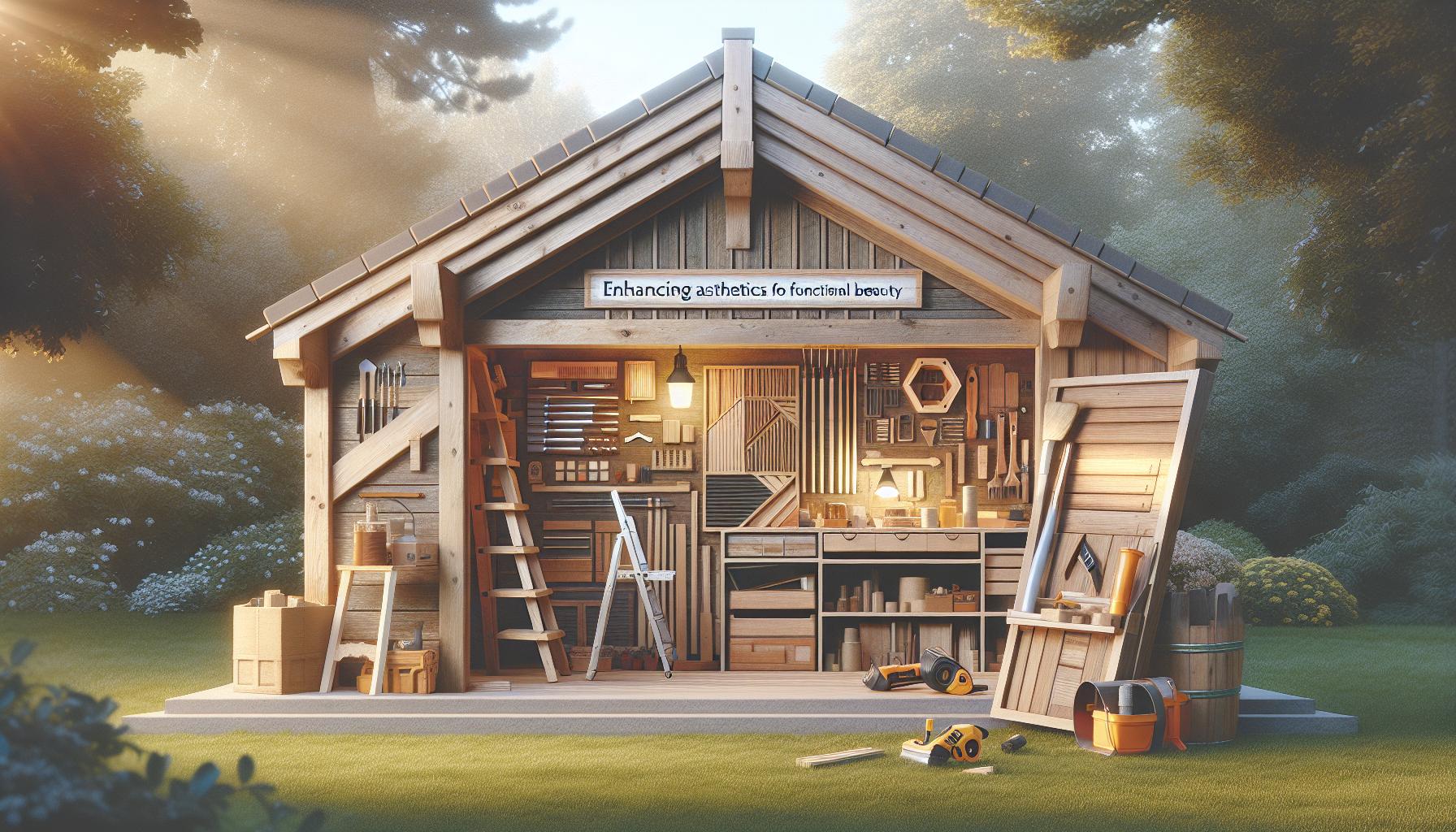
Creating a visually appealing and functional shed roof involves combining design principles with practical waterproofing solutions. A well-crafted shed roof not only protects from the elements but also adds aesthetic value to your property. When considering how to enhance the aesthetics while ensuring functionality,several design elements can be closely examined and integrated to achieve a cohesive look.
Choosing the Right Roofing Material
The choice of roofing material directly influences the visual appeal and durability of your shed. Popular options include:
- Metal roofing: Available in various colors and finishes, metal roofs offer modern aesthetics and longevity.
- Shingles: Traditional asphalt or wooden shingles can provide a classic look that complements rustic settings.
- Green roofs: Incorporating vegetation not only improves insulation but establishes a unique and eco-pleasant aesthetic.
Selecting appropriate materials requires balancing between aesthetic preferences and the climatic conditions of your area. For instance, regions with heavy snowfall benefit from metal roofing due to its ability to shed snow easily, preventing excess weight that could damage the structure.
Incorporating Architectural Features
Elevate the aesthetic appeal of your shed roof by adding architectural details.Features such as dormers, overhangs, or decorative brackets can transform a simple design into an eye-catching focal point. For example:
- Dormers: Adding dormers not only enhances the roofline but also increases natural light and usable space.
- Overhangs: These can provide shade, protect siding from rain, and create a visually striking silhouette.
- Vents: Decorative vents can serve as both functional and aesthetic elements, promoting air circulation while enhancing design.
Careful placement and style of these features can greatly influence the overall character of the shed, making it a more attractive addition to your property.
Color and Finish Considerations
The color scheme plays a significant role in the shed’s overall aesthetics. Lighter colors can reflect heat, which is beneficial in warmer climates, whereas darker tones may absorb more heat, perhaps aiding in melting snow retention in colder areas. To maximize visual appeal:
| Color | Effect |
|---|---|
| Light Shades | Reflective, modern appeal, cooler in summer |
| Dark Shades | Warm, cozy feel, advantageous in snow |
| Earth Tones | Natural look, blends well with surroundings |
Integrating these aesthetic choices with the practical strategies outlined in the article about constructing a shed roof with waterproof designs will not only protect your investment but also enhance the visual charm and functionality of your outdoor space. Remember, investing time and resources in thoughtful design will create a lasting impact on your property’s value and appeal.
Maintenance Tips for Longevity: Protecting Your Shed Roof
A well-constructed shed roof is a crucial component of any outdoor structure, protecting your tools, equipment, and investments from the elements. Though, the longevity of this protection hinges significantly on regular maintenance and proactive care. Just like any part of your property, your shed roof requires attention to ensure it continues to perform its protective duties effectively over time. Here are some essential maintenance tips to extend the life of your shed roof and secure your investment.
Routine Inspections
Conducting regular inspections is the first step in safeguarding your shed roof. Aim to check your roof at least twice a year,ideally in the spring and fall. Look for:
- Debris Accumulation: Remove leaves, branches, and any other debris that could trap moisture and lead to rot.
- Damage Signs: Inspect for missing shingles, cracks, or leaks that could compromise the waterproof design.
- Moss and Algae Growth: These can hold moisture against the roof and degrade materials.Treat affected areas promptly.
By being proactive and identifying issues early, you can often resolve problems before they escalate into costly repairs.
Sealing and Coating
One effective way to enhance the waterproof capabilities of your shed roof is through sealing and coating. As part of your maintenance routine, consider the following:
- Submission of Roof Sealant: Use a quality sealant specifically formulated for your roofing material.Apply it to joints,seams,and any exposed edges to create a watertight barrier.
- Protective Coating: For metal roofs, consider applying a weather-resistant sealant. For asphalt shingles,a roof coating can help extend the lifespan of your roof.
These materials protect against UV rays, water infiltration, and temperature fluctuations, reinforcing the waterproof designs that are essential to protecting your investment.
Snow and ice Management
In regions prone to winter weather, managing snow and ice buildup is key to preventing damage. Heavy snow can lead to roof collapse and ice dams can cause leaks. Here’s what you can do:
- Snow Removal: Carefully remove snow build-up after substantial snowfall using a roof rake, ensuring that you don’t damage the roofing material.
- Ice Dam Prevention: Ensure proper ventilation and insulation in your shed to minimize heat loss. This reduces the chance of ice forming on your eaves.
Keeping your roof clear of excess weight and preventing ice formation not only safeguards the structure but also affirms the lasting integrity of your waterproof designs.
Maintaining your shed roof might seem like a daunting task, but consistent care and attention will go a long way in protecting your investment. By integrating these maintenance tips into your routine,you can ensure that your shed remains a durable and dependable asset for years to come.
Troubleshooting: Addressing Issues Before They Become Problems
Building a durable and waterproof shed roof is not just about choosing the right materials; it’s also about implementing effective troubleshooting strategies to prevent issues before they escalate. One common mistake is neglecting to assess the roof’s design and pitch. A roof that is too flat can hinder water runoff, leading to potential leaks and structural damage over time.It’s essential to ensure your shed roof has an adequate slope—ideally between 3:12 to 6:12—to promote efficient drainage. Regular inspections are key; always check the roof following heavy rains or storms to identify any signs of pooling or leaks early.
Another critical aspect is the quality of the seals and flashing around any protrusions such as vents or chimneys. Over time, weathering can degrade these components, allowing moisture to seep through. Utilizing high-quality roofing materials, paired with thorough sealing techniques, can mitigate these risks significantly. As a notable example, consider using galvanized flashing, which resists rust and can provide a long-lasting barrier against water intrusion. Regularly re-applying roofing sealant every few years is advisable to maintain a watertight seal.
Routine Maintenance Checks
Implementing a schedule for routine maintenance checks can greatly enhance the lifespan of your shed roof.A seasonal checklist can aid in catching smaller issues before they become significant problems. Some key maintenance tasks include:
- Inspecting shingles: Look for missing or damaged shingles and replace them promptly.
- Cleaning gutters: Ensure gutters and downspouts are clear to facilitate proper water drainage.
- Examining ventilation: Proper ventilation helps prevent moisture build-up within the shed.
Utilizing quality materials
When considering how to build a shed roof that protects your investment, opting for high-quality materials can greatly reduce the likelihood of future problems. While it may be tempting to choose cheaper options, remember that the initial savings can lead to considerable repair costs later on. Materials such as metal roofing, though potentially more expensive upfront, offer long-lasting durability and superior waterproof protection. Additionally, exploring synthetic underlayments can enhance water resistance compared to traditional felt options.
By proactively addressing these aspects, you not only enhance the longevity of your shed roof but also safeguard your stored investments from water damage. Engaging in well-planned troubleshooting and maintenance ensures that you enjoy a functional and reliable structure for years to come.
Faq
How to Build a Shed Roof: waterproof Designs That Protect Your Investment?
To build a shed roof that is waterproof, start by selecting the right materials such as high-quality shingles or metal roofing. Design your roof with a proper pitch to facilitate water drainage. Additionally, use waterproof membranes to create a strong barrier against leaks.
When constructing a roof, consider choosing materials that not only resist water but also endure harsh weather conditions. The *pitch* of your roof is essential,as a steeper angle helps water run off effectively,preventing puddling and potential leaks. For a comprehensive guide, check out our article on shed construction tips.
What is the best material for a waterproof shed roof?
The best materials for a waterproof shed roof include *asphalt shingles*, *metal roofing*, and *EPDM rubber*. Each has unique benefits, but metal roofing is frequently enough favored for its durability and longevity.
Choosing the right material depends on your *climate* and budget. Asphalt shingles are affordable but may need replacing sooner than metal options. Metal roofs,while more expensive,provide excellent waterproofing and last longer than many alternatives,making them a great investment.
Why does proper drainage matter for shed roofs?
Proper drainage is crucial as it prevents water accumulation, which can lead to leaks and structural damage.A well-designed pitch directs water away, ensuring your investment remains protected over time.
Without adequate drainage, water can pool on flat roofs, increasing the risk of leaks and rot in your shed. Thus, planning your roof’s slope correctly is essential to *maintain the integrity* of your shed and protect your valuable belongings inside.
Can I install a waterproof shed roof myself?
Yes, you can install a waterproof shed roof yourself with the right tools and guidance. Many DIY enthusiasts successfully tackle this project by following detailed instructions and investing time in proper planning.
Before starting, prepare by gathering necessary tools, materials, and a solid understanding of the process. Be sure to read through instructions carefully, and don’t hesitate to ask for help if needed. Online communities and resources can offer valuable tips and support during your project.
What are common mistakes to avoid when building a shed roof?
Common mistakes when building a shed roof include failing to account for drainage, using inadequate materials, and not ensuring proper ventilation. Each of these can lead to serious issues, like leaks and premature wear.
to avoid these pitfalls, make a checklist of requirements for your project. verify that your *roof pitch* is adequate, consider using quality materials, and remember that proper ventilation is vital to prolong the lifespan of your roof.This planning can save you future repair costs!
How can I ensure my shed roof is energy efficient?
You can enhance your shed roof’s energy efficiency by choosing *reflective roofing materials* and ensuring proper insulation. This approach minimizes heat absorption,maintaining cooler temperatures inside during hot seasons.
Installing an insulated roof can reduce energy costs,especially if you plan to heat or cool your shed. Always consider the local climate and your shed’s usage to determine the best methods for improving energy efficiency.
What waterproof designs should I consider for my shed roof?
Consider designs such as a *gable roof* or a *skillion roof* for effective waterproofing. Both designs facilitate water runoff, reducing the chances of leaks and ensuring long-lasting protection.
Each design has its advantages; a gable roof is great for shedding snow, while a skillion roof offers a modern aesthetic. Choose the option that best suits your needs, preferences, and *local weather conditions*.
In Retrospect
building a shed roof that is both effective and waterproof is a rewarding project that can significantly enhance your outdoor storage solutions. Armed with the right knowledge and tools, you can create a durable roof that not only protects your investment but also adds value to your property. Remember to start with a solid plan, selecting the roof style that meets your functional and aesthetic needs. Use quality materials and follow step-by-step procedures, as outlined in various resources, to ensure that each aspect of construction is handled with care.
Don’t hesitate to explore more about different roofing designs and waterproofing techniques that can definitely help you tackle challenges head-on. Embrace the process—each step you take brings you closer to a finished product that you can proudly say you built yourself. Dive deeper into the world of shed construction and join a community of DIY enthusiasts who share your passion; the journey of craftsmanship is always more enriching when explored together!