
Building a shed on uneven terrain presents a unique challenge for DIY enthusiasts, often leaving them unsure of where to start. Understanding how to create a stable foundation on sloped ground is crucial to ensure the longevity and functionality of your shed. This guide explores effective strategies that make constructing a reliable base on tricky landscapes not onyl feasible but also straightforward.
Understanding the Challenges of Building on Unlevel Ground
Building on unlevel ground poses unique challenges that can complicate even the simplest construction projects. The uneven terrain not only affects the aesthetics of a shed but can also led to structural problems if not addressed properly. A properly leveled base is essential to ensure that your shed maintains its integrity and usability over time. Challenges such as drainage issues, settling of the foundation, and difficulty in accessing materials can arise, making the planning stage critical to the project’s success.
Key Considerations
When tackling the issue of constructing a shed on unlevel ground, several factors come into play that significantly impact the process:
- Drainage: Poor drainage can lead to water pooling under the shed, which may cause rot or undermine the foundation. proper grading is necessary to ensure that water flows away from the structure.
- Site Stability: Building on recently backfilled or disturbed ground increases the risk of settling.It’s crucial to assess the soil condition to determine whether it can support the weight of your shed.
- Foundation Options: There are various methods for establishing a solid foundation on uneven ground,including the use of concrete blocks and timber decks,each with its own set of advantages. Choosing the right method can save time and cost in the long run.
Practical Solutions
To successfully build a shed on uneven terrain, consider these practical approaches:
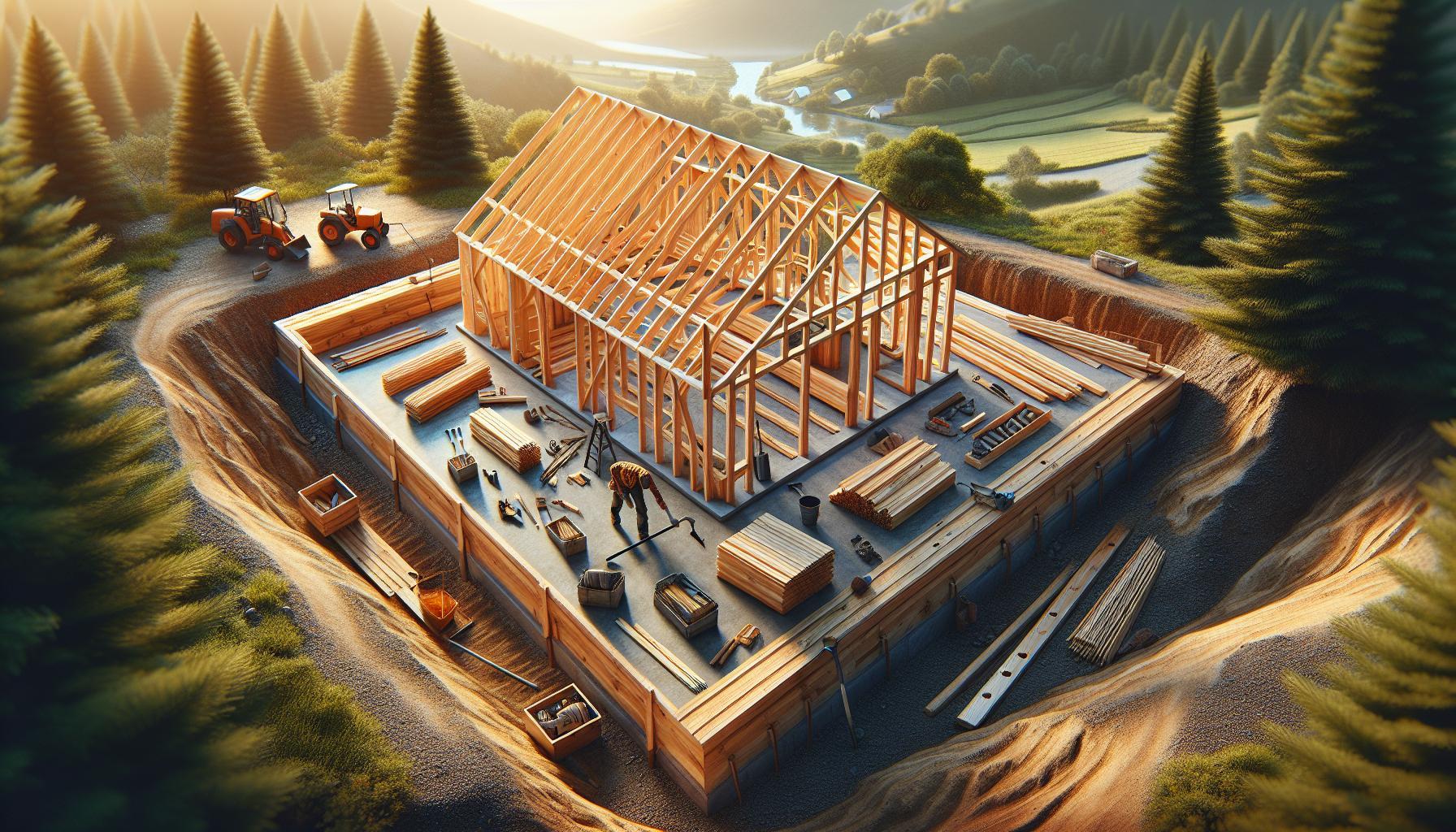
- timber Decking: Creating a level platform using timber decking can accommodate slopes effectively. This method allows for adjustments in height and can be more cost-effective than excavating.
- Excavation: Cutting into a slope to create a flat base is another viable option,but it requires more effort and planning to ensure stability and prevent erosion.
Now, let’s explore how to determine the best solution for your specific site conditions. Assessing the ground’s gradient and understanding the potential limitations and necessary reinforcements can help guide your decision.
Complete preparation and careful planning can mitigate many of the challenges associated with uneven ground. It involves not just addressing the base but considering aspects such as drainage and long-term ground stability. By employing the right strategies, you can significantly simplify the daunting task of building a shed on tricky terrain, ensuring that your construction stands the test of time.
Essential Tools and Materials for Your Shed Project
Building a shed on uneven terrain poses unique challenges,but having the right tools and materials can significantly simplify the process. Whether you’re addressing dips and rises in your property or ensuring stability on sloped ground, incorporating specific equipment and quality materials is essential for your project’s success.
Key Tools for Your Shed Project
To effectively tackle the complexities of building a shed on unlevel ground, the following tools will be invaluable:
- Tape Measure: A precise measurement tool is crucial for ensuring all dimensions are accurate, especially when dealing with uneven surfaces.
- Level: A good spirit level will help you determine how to adjust your foundation and ensure everything is horizontally aligned.
- Carpenter’s Square: use this tool to verify right angles as you construct the frame, ensuring your shed is squared correctly.
- Post Level: Specifically designed for checking vertical posts, this tool is necessary when setting up supports that need to be perfectly upright.
Essential Materials
Quality materials are the backbone of a durable shed, especially on challenging terrain. Consider the following supplies:
- Pressure-Treated Lumber: Essential for any shed, pressure-treated wood stands up to moisture and helps prevent rot, extending the life of your structure.
- concrete Piers or Blocks: These are crucial for providing stable support on uneven surfaces. They help lift the shed off the ground and prevent water damage.
- Gravel: Useful in forming a solid base, gravel can help with drainage around your shed, reducing standing water which can lead to rot.
- Shims: These can be utilized to level your shed when placed on varying heights of blocks or piers.
By equipping yourself with the right tools and materials, you can effectively navigate the issues associated with unlevel ground. With strategic planning and execution, your shed project can be both rewarding and successful.
Creative Foundation Solutions for Uneven Terrain
Building a shed on uneven ground can be a daunting task, but with the right strategies and creative solutions, you can ensure stability and functionality. Uneven terrain presents challenges such as water drainage issues, structural instability, and accessibility concerns.However, understanding how to address these challenges effectively will not only enhance the durability of your shed but also improve its usability and aesthetic appeal.
utilizing Concrete Blocks and footings
One of the most effective methods for constructing a solid foundation on uneven ground is using concrete blocks or footings. This approach allows you to create a level base nonetheless of the slope’s severity. Here’s how to do it:
- Assess the Slope: Before starting, measure the slope of your terrain using a level or string line.
- Dig Holes for Footings: Create holes at strategic points along the perimeter where your shed will sit.Ensure each hole is deep enough to hold concrete blocks securely.
- Place Blocks: Position concrete blocks so that they compensate for the slope. You may need to stack blocks to achieve the desired height.
- Level the Base: Use a level to check that all blocks are aligned and adjust as necessary by adding or removing soil beneath them.
This method not only provides excellent support but also elevates the shed, reducing water damage risks.
Using Adjustable Foundation Systems
For those seeking convenience and versatility, adjustable foundation systems are a fantastic solution. These systems typically include adjustable piers or post supports that can be fine-tuned to accommodate uneven surfaces. Here’s how to implement this approach:
- Select the Right System: Research different adjustable foundation systems that best fit your shed size and weight requirements.
- Install Piers: Follow the manufacturer’s guidelines to install adjustable piers at each corner of the shed.
- Tweak for Leveling: Use a level to make necessary adjustments, ensuring that all piers are set to the same height before placing the shed.
Adjustable systems are beneficial because they allow for future modifications if the ground settles or shifts after installation.
Building a Raised Platform or Deck
In certain scenarios, constructing a raised platform or deck can be a rewarding method to level your shed. This approach works exceptionally well for steeper slopes and can create additional usable space underneath. Follow these steps:
- Design the Platform: Plan a raised platform that extends beyond the shed’s footprint, providing stability and aesthetic appeal.
- Support Beams: Use treated lumber as support beams anchored into the ground or set into concrete footings, creating a robust frame.
- Flooring: Lay down floorboards to create the top surface of your platform, ensuring proper drainage.
This method not only ensures your shed is level but also enhances accessibility and can serve as additional outdoor space for storage or activities.
Establishing a solid foundation on uneven ground is crucial for the longevity and functionality of your shed. By employing these creative solutions, you can overcome the challenges presented by tricky terrain and achieve a successful build.
Step-by-Step Guide to Preparing Your Site
When it comes to constructing a shed, particularly on unlevel ground, proper site preparation is critical to ensure durability and functionality. A solid foundation not only supports the structure but also prevents common issues like sagging and water damage. Here’s how to effectively prepare your site, making the process smoother and your shed more resilient.
Evaluate the Ground
Start by assessing the terrain where you plan to build your shed. Look for any slopes, dips, or low spots that could pose a problem for water drainage and overall stability. Use a level or a string line to check the area thoroughly.
Clear the Area
Remove all debris, vegetation, and obstacles from the site. This includes rocks, branches, and any roots that might interfere with your foundation. It’s essential to have a clean slate to work with to ensure proper drainage and to avoid future issues.
Choose Your Foundation Type
Depending on the severity of the uneven ground, you can choose from several foundation types:
- Gravel Pad: Ideal for areas with minor elevation changes. Create a pad that extends at least one foot around the shed’s perimeter.
- Concrete Piers: For significant elevation changes, consider using concrete piers to support the corners of the shed. This elevates the shed above the damp ground.
- Leveling with Skids: For small sheds, wooden skids can be used to create a level base, making it easier to adjust for uneven surfaces.
Excavate and Level
If you’re using a gravel pad, excavate the area to a depth of about 2-3 inches. This helps create a level surface to lay the gravel evenly. For more significant slopes, you may need to dig deeper on one side or build up the lower side with additional fill dirt.
Install Gravel or Foundations
Onc the area is leveled and ready, lay down landscape fabric to prevent weed growth, then add your chosen foundation material, whether it’s gravel or concrete. Make sure the surface is compacted and leveled before proceeding to the shed construction.
{table class=’wp-block-table’}
| Task | Tools Required | Notes |
|————————|——————————|———————————————|
| Evaluate the Ground | Level, String Line | Check for slopes and dips |
| clear the Area | Rake, Shovel, Mattock | Remove all debris and obstacles |
| Choose Your Foundation | Depends on foundation type | Research foundation options |
| Excavate and Level | Shovel, Rake, Level | Ensure a firm, level base |
| Install Foundations | Dumpster for waste (if needed)| Keep it compact and level |
{/table}
By following these steps, you will create a solid base for your shed, ensuring that it remains secure and functional even on unlevel ground. The key is in thorough preparation, which lays the groundwork for a successful building experience.
Techniques for Leveling Your Shed Without Major Excavation
Building a shed on uneven terrain can frequently enough seem daunting, but innovative approaches can make it easier without the need for major excavation. By employing techniques that enhance stability and balance, homeowners can effectively create a solid foundation for their shed while preserving the integrity of the surrounding landscape. Here are several practical strategies that can be utilized.
Utilizing Timber Decks
One of the most straightforward techniques is to construct a timber deck as a foundation. This method involves creating a platform with level beams that can support the shed, allowing you to build on top of it. To implement this method effectively:
- Measure the Slope: Assess the degree of slope where the shed will be located. This will help determine the height adjustments needed for the deck.
- Select Quality Materials: Use pressure-treated lumber to resist moisture and insects, ensuring longevity.
- Build a Frame: Construct a rectangular frame using the lumber,securing it with strong connectors at the corners. The frame should mirror the dimensions of the shed’s base.
- Add Support Beams: Install additional beams beneath the frame, adjusting their heights to accommodate the slope. Ensure that they are level to provide a stable platform.
Using Adjustable Shed Foundations
Another effective solution is utilizing adjustable shed foundations,which are designed to accommodate various ground conditions without extensive excavation. These systems often consist of concrete blocks or piers that can be easily leveled.Here’s how to make this approach work:
- Place Concrete Blocks: Position blocks at intervals beneath the shed’s base, factoring in the slope to ensure they are level.
- Install Adjustable Piers: For more precision, consider using adjustable piers that can be raised or lowered to meet the required levels easily.
- Check Level Often: As you set each block or pier, continuously check for level using a carpenter’s level or app on your smartphone.
Creating a Compacting gravel Base
A compacted gravel base is another alternative that can provide drainage and stability. This method not only raises the shed off the ground but also allows for water runoff, reducing rot and pests. Here’s how to achieve it:
- Excavate Lightly: If some disturbance to the ground is feasible, remove only as much dirt as necessary to create a level surface for the gravel.
- Add Layers of Gravel: Pour a few inches of gravel evenly across the area, making sure to compact it firmly.
- Check and Adjust: After the initial compaction, check the level and add or remove gravel as needed to achieve a flat surface.
By employing these techniques, you can create a sturdy foundation for your shed without the hassle of major excavation work. Whether through timber decks, adjustable piers, or compacted gravel, each strategy offers a practical solution for building on unlevel ground, ensuring your shed remains secure and functional for years to come.
Incorporating Drainage Solutions for Long-Term Stability
Building a shed on uneven terrain often presents unique challenges, especially regarding water drainage. Proper drainage is critical not only for the longevity of the structure but also for maintaining a stable foundation that prevents future problems. A well-planned drainage solution can significantly enhance the structural integrity of your shed, ensuring it withstands the elements and remains functional for years to come.
To effectively incorporate drainage solutions, consider the following strategies:
Utilize Gravel Foundations
Installing a gravel pad underneath your shed is one of the most effective strategies for managing water runoff and promoting drainage. Gravel allows excess water to flow away from the foundation, reducing the risk of water pooling around the shed. Not only does this help prevent damage from moisture but it also enables quicker evaporation during dry periods. Aim for a gravel foundation that is elevated by at least four to six inches above the surrounding ground level to ensure optimal drainage.
Incorporate drainage Ditches and French Drains
Another practical solution is to install drainage ditches or French drains around the shed. These systems redirect water away from the structure, particularly in areas where the ground tends to slope toward your shed. A French drain consists of a trench filled with gravel and perforated pipe that collects and disperses water efficiently. This method can be particularly beneficial in areas with heavy rainfall or when building on clay-rich soil that retains moisture, as noted in various sheds constructed in such conditions [[2]](https://treefarmdesignco.com/how-to-add-shed-drainage/).
Build Elevated Shed Foundations
An elevated foundation,such as concrete pier blocks on compacted crushed stone,can create airflow beneath the shed while also keeping it above potential flooding. This construction not only aids in drainage but also helps in preventing wood rot, mold, and other water damage issues. Make sure to space the blocks adequately to allow for maximum ventilation and drainage efficiency [[3]](https://storageshedsoutlet.com/blog/beat-wet-ground-forever-the-most-reliable-shed-foundation-solutions/).
With these strategies in place, you can significantly reduce the adverse effects of building a shed on unlevel ground, ensuring that your storage solution remains a reliable asset in your outdoor space. Implementing robust drainage systems not only protects your investment but also enhances the usability of your shed year-round.
Tips for Ensuring Structural Integrity on Uneven Ground
Building on uneven ground poses unique challenges, but with the right approach, you can ensure your structure remains stable and secure. understanding how the terrain affects structural integrity is crucial for anyone looking to construct or maintain a shed in these conditions. One of the primary risks of having an unlevel foundation is the potential for water accumulation, which can lead to serious issues like mold growth and compromised structural capability. This means that taking proactive measures is essential for the longevity and functionality of your shed.
Assessing the Ground
Before beginning your project, it’s critical to assess the site’s topography. Identify any areas of potential erosion or unevenness. Consider using a laser level or string level to gauge the height of various points on your property. This will allow you to pinpoint the highest and lowest spots accurately, which is vital for establishing a solid foundation.
A simple method to maintain structural integrity is to create a grading plan. This involves contouring the ground around the shed to direct water away from the structure. Make sure to implement proper drainage solutions, like installing French drains or swales, to prevent water pooling that can soften soil and undermine the foundation over time.
Choosing the Right Foundation Type
The foundation you choose can significantly affect the stability of your shed. Here are some effective options for unlevel ground:
- Post and Beam Foundations: Ideal for uneven surfaces, this method elevates the shed above the ground using sturdy posts that can be adjusted for height.
- Concrete Blocks: If the ground has slight variations, using concrete blocks is an effective way to create a stable platform.
- Piers or Columns: For significant elevation changes,consider using concrete piers or columns that can be individually leveled.
By building on a foundation designed for unpredictability, you can minimize the risk of settling and shifting, ultimately safeguarding your shed against the elements.
Ongoing Maintenance and Inspections
Regular maintenance is crucial for structures built on uneven ground. Inspect your shed routinely for any signs of shifting, such as cracks in the walls or gaps between the structure and the foundation. Addressing small issues promptly can prevent more extensive and costly repairs in the future. Additionally, consider installing gutters or overhangs to direct rainwater away from the base.
ensuring structural integrity when building on unlevel ground involves a combination of site assessment,careful foundation choice,and ongoing maintenance. These strategies not only help maintain the stability of your shed but also enhance its longevity, making your investment worthwhile. For more guidance, explore resources on how to build a shed on unlevel ground, where you’ll find solutions tailored for tricky terrains.
Enhancing the Aesthetic appeal of Your Shed on Sloped Sites
Building a shed on sloped terrain presents unique challenges, but it also opens the door to enhancing its visual appeal. With the right design choices and landscaping, your shed can seamlessly integrate into the landscape, turning a potentially awkward structure into a stunning feature of your outdoor space. Utilizing the natural gradient of your site can transform the shed from merely functional to a focal point that complements your home and garden.
One approach to elevate the aesthetic of your shed amidst challenging terrain is by using structural elements that align with the slope. For example, consider constructing a raised foundation, which not only serves to level the structure but also provides a sense of openness and can be adorned with steps or a small deck. This approach allows for decorative railings or planters, adding both functionality and beauty. You can also enhance the area around the shed with native landscaping to create a natural buffer that softens the shed’s hard lines.
Landscaping Techniques to Consider
To truly integrate your shed into a sloped site, consider implementing the following landscaping tips:
- Diverse vegetation: Use a variety of shrubs, perennials, and ornamental grasses at varying heights to frame the shed. This can soften the edges and make the structure feel less intrusive.
- Terracing: If the slope allows, build terraces that lead up to the shed. This not only stabilizes the slope but provides additional planting areas for flowers or herbs.
- Pathways: Create a charming path leading to the shed using gravel,pavers,or natural stones. This enhances accessibility and invites visitors to explore.
- Colorful Accents: Paint the shed a color that harmonizes with the surrounding habitat or use radiant colors to make it a standout feature.
Lastly, think about utilizing lasting practices in your aesthetic enhancements. for instance, installing a green roof or incorporating rainwater management systems can offer environmental benefits while adding to the visual appeal. Decorative elements such as trellises with climbing plants or rustic wood accents can further enrich the charm of your hillside shed, making it not just a storage space but a delightful part of your garden landscape.
addressing the visual appeal of a shed on sloped sites requires creativity and thoughtful design. By leveraging landscaping techniques and innovative structural solutions, you can transform how your shed interacts with the terrain, ensuring it enhances the beauty of your outdoor area while remaining practical. This approach is an essential element when considering the broader theme of how to build a shed on unlevel ground, offering both style and functionality.
Q&A
How to Build a Shed on Unlevel Ground: Solutions for Tricky Terrain?
To build a shed on unlevel ground, start by assessing the site’s slope and plan for adjustments. Use concrete blocks or gravel as a foundation to create a stable, level base. This will ensure your shed stands strong even on uneven surfaces.
Begin by measuring the slope of the ground and determining how much leveling is needed. You can then use techniques like digging down on the high side while adding material to the low side or using adjustable foundation blocks.Always check local regulations and ensure the base is adequately reinforced.
What is the best foundation for a shed on uneven terrain?
The best foundation for a shed on uneven terrain is a pier foundation, which uses concrete blocks or pre-formed pier blocks. These allow for height adjustment, ensuring a stable base on slopes.
This type of foundation minimizes ground contact and moisture exposure, enhancing the shed’s longevity. Be sure to level each pier with a laser level or similar tool to guarantee stability before you proceed with the shed’s assembly.
Can I build a shed without leveling the ground?
It’s not advisable to build a shed without leveling the ground, as this can lead to structural issues and premature wear.proper leveling is crucial for the longevity and stability of your shed.
Even if the ground is slightly unlevel, using techniques such as adjustable footings or a floating foundation can provide adequate support. Always aim for a solid foundation to prevent issues like sagging or water pooling.
Why does my shed need a level foundation?
A level foundation is critical for your shed’s structural integrity and longevity. Without it, you could face problems like warping, cracking, and uneven doors over time.
Additionally, a level foundation ensures proper drainage, preventing water accumulation around the shed which can lead to rot and damage. Investing time in leveling will save you from costly repairs later.
What materials can I use to level a shed on sloped ground?
You can use materials such as concrete blocks, gravel, or treated wood to level a shed on sloped ground. These options allow for adjusting the height of particular points of your foundation.
Concrete blocks are particularly effective as they provide a solid base, while gravel can help with drainage.Ensure everything is compacted and level to create a sturdy foundation that can withstand various weather conditions.
How much sloping can a shed foundation tolerate?
A shed foundation can typically tolerate a slope of up to 6 inches per 10 feet without major issues. However, excessive slopes may require additional reinforcement or redesigning the foundation.
If your slope exceeds this, consider using a more complex foundation system like retaining walls or terracing to level the ground effectively. Always prioritize safety and compliance with local codes.
Do I need a permit for building a shed on unlevel ground?
Yes, in many areas, building a shed on unlevel ground may require a permit, especially if modifications are needed for the foundation. Local regulations vary, so check with your municipality.
Obtaining a permit ensures that your project complies with zoning laws and safety standards. It might also be necessary for future inspections to confirm the construction meets the local building codes.
Can I use piers to build a shed on rough terrain?
Yes, using piers is an excellent method for building a shed on rough terrain. They allow you to create a level base while accommodating the natural contours of the ground.
Piers can be adjustable, which is particularly useful in uneven areas, as they offer flexibility in height and stability. Make sure to space them appropriately based on the shed’s size and local guidelines for best results.
Insights and Conclusions
Building a shed on unlevel ground may seem daunting,but with the right approach and techniques,it can be a rewarding project that enhances your outdoor space. Start by assessing the terrain and selecting an appropriate location for stability and accessibility.Consider using timber decks to create a level platform, or adapt the slope by cutting into the earth for a solid foundation—both methods have their advantages and can lead to a sturdy structure that stands the test of time.
As you embark on this DIY journey, remember that every step is an opportunity to learn and hone your skills.Embrace the challenge of working with uneven surfaces, which can ultimately lead to improved craftsmanship and greater confidence in your abilities.No matter your skill level, take the time to research, plan, and gather the necessary materials, and remember: quality workmanship results in a shed that not only meets your storage needs but also enhances your property’s value.
We encourage you to explore further the resources available for building a shed on tricky terrain. With each new piece of information,you’ll be better equipped to tackle challenges head-on,and you’ll find joy in creating a durable and functional outdoor space. Happy building!