


Building a shed on uneven ground can seem like a daunting task, but it doesn’t have to be. Mastering the art of constructing a shed on a slope not onyl maximizes your outdoor space but also enhances your property’s functionality and value. Discover practical tips and techniques to navigate tough terrain effortlessly.
Understanding the Challenges of Building a Shed on a Slope
Building a shed on a slope can seem like a daunting task, but many homeowners face this challenge when they have uneven ground in their gardens or backyards.Understanding the unique obstacles posed by sloped terrain is crucial to creating a sturdy, functional structure that can withstand weather elements and everyday use. With careful planning and execution, you can transform challenging terrain into an advantage for your outdoor storage needs.
Common Challenges with Sloped Building Sites
When you’re deciding how to build a shed on a slope, recognizing the following issues can help you navigate the process effectively:
- Water Drainage: Slopes can direct water runoff toward your shed, leading to potential flooding. proper drainage solutions need to be implemented.
- Foundation Stability: Uneven ground poses risks to the shed’s foundation. A solid base is non-negotiable to ensure the structure’s longevity.
- Accessibility: Building on a slope can make it difficult to reach the shed,especially if you need to transport large tools or equipment.
- Structural Design: The design of the shed may need to be adjusted to accommodate the incline, impacting both functionality and aesthetics.
Strategies to Overcome Slope Challenges
Mitigating the challenges posed by sloped building sites requires thoughtful strategies and modifications. Here are some actionable steps to conquer terrain issues effectively:
- Leveling the Ground: If feasible, consider leveling a portion of the slope or using grading techniques to create a more stable foundation.
- Elevate the Foundation: building the shed on posts or piers can provide stability and reduce the risk of water damage by elevating the structure above runoff.
- Implement Proper Drainage Systems: Installing drainage channels, French drains, or gravel beds can redirect water away from the shed, safeguarding it from moisture-related issues.
- Design adjustments: Depending on the steepness of the incline, a shed with a slanted roof or multi-level design might integrate better into the landscape while providing additional storage space.
Real-World Solutions
Homeowners have successfully tackled slope challenges with innovative solutions that have proven effective. Such as, one DIY enthusiast built a shed on a steeply sloped backyard by elevating the structure on concrete blocks and installing a small retaining wall. this method not only helped manage water runoff but also enhanced the overall aesthetics. Another option is to incorporate landscaping features, like terracing, to create flat areas that can blend seamlessly with your shed while reducing erosion risks.
Building a shed on uneven ground is undoubtedly a challenge, but with a solid understanding of potential obstacles and well-thought-out strategies, you can create a functional workspace that enhances your outdoor surroundings.
Essential Tools and Materials for Slope-Shed Construction
Building a shed on uneven ground can be a rewarding project that allows you to maximize your outdoor space. Tho, to ensure a sturdy structure that endures the challenges of a sloped landscape, a well-thought-out selection of tools and materials is essential. Preparing for this venture means equipping yourself with the right gear to navigate the complexities of slope-shed construction, so everything flows smoothly from start to finish.
Essential Tools for the Job
Having the right tools not only facilitates your construction efforts but also enhances accuracy and efficiency. Here are key items that you should consider having on hand:
- Level: An essential tool for checking if your shed frame is perfectly horizontal, especially vital on a slope.
- Shovel: Useful for digging out soil or leveling the base area where your shed will reside.
- Wood Saw: Essential for cutting lumber to the correct sizes for your shed’s structure.
- Drill: Needed for driving screws and creating holes in wood or other materials.
- Impact wrench: Speeds up the process of fastening bolts when reinforcing shed supports.
- Tape Measure: Helps ensure precise measurements and accurate cuts.
- Safety Gear: Including gloves, eye protection, and a hard hat to keep you safe during construction.
Materials You’ll Need
Choosing the right materials is just as crucial as having the right tools.The construction of a shed on a slope requires durable and reliable components that can withstand environmental stresses. Consider the following materials:
- Pressure-Treated Lumber: Ideal for the foundation and flooring, as it resists rot and insects.
- Concrete Blocks or Piers: Useful for creating a stable and level foundation on sloped terrain.
- OSB or Plywood: Essential for walls and roofing, providing structural integrity.
- Roofing Material: Choose materials like asphalt shingles or metal sheets that can withstand rain and wind.
- Paint or Sealant: To protect wooden surfaces from moisture and UV damage.
To better understand the materials required based on different construction needs, you might find the following table useful:
| Material | Use | Notes |
|---|---|---|
| Pressure-Treated Lumber | foundation & Framing | Resists rot; essential for structural integrity |
| Concrete Blocks/Piers | Foundation | Provides stability on slopes; prevents sinking |
| Roofing Material | Roofing | Choose based on weather conditions |
| Sealant/Paint | Protection | Over time, protects against moisture and sun |
By gathering these essential tools and materials, you set yourself up for success as you embark on the adventure of constructing a shed on challenging terrain. With everything in hand, you’ll be more prepared to tackle the unique aspects of building in a sloped area, making your project not only manageable but also enjoyable.
Step-by-Step Guide: Planning Your Shed Layout on Uneven Ground
When planning the layout of your shed on uneven ground, it’s essential to approach the task strategically.A well-thought-out layout not only maximizes the utility of your space but also ensures the structure remains stable over time. The thrill of creating a functional shed can be diminished by the challenges presented by a sloping terrain. Though, with careful consideration and planning, building a shed on a slope can transform that initial frustration into a rewarding experience.
Assess the Terrain
Before diving into your shed design, take time to thoroughly assess the slope. Walking around the area, note the degree of the incline, any rocky patches, and the proximity to drainage points. Having a clear understanding of the site will guide your decisions. Here are a few factors to consider:
- Measure the slope: Use a level or a clinometer to gauge how steep the ground is.
- Identify drainage paths: Determine how water flows through the area during rain.
- Consider visibility: Think about how visible the shed will be from your home and surrounding areas.
Designing the Shed Layout
Once you’ve assessed the terrain, it’s time to draft your shed layout. Creating a detailed plan will increase the efficiency of your build and help you visualize the finished project. Here are some helpful tips:
- choose the right shed size: A smaller structure may suit uneven ground better than a larger one.
- Orient wisely: Position your shed to maximize natural light and accessibility while minimizing the gradient challenges.
- Include walkways: Plan for paths that stabilize foot traffic and prevent soil erosion near the shed.
Utilizing a Level Foundation
Building a level foundation on a slope is crucial for the longevity and functionality of your shed. if your design incorporates a support structure, consider using concrete piers or treated wood blocks to create a stable base. The following table shows various foundation options along with their pros and cons:
| Foundation Type | Advantages | Disadvantages |
|---|---|---|
| Concrete Piers | Durable, stable, good drainage | More complex installation |
| Wood Blocks | Easy to install, adjustable | May rot or degrade over time |
| Skids | portable, good for uneven ground | May require frequent leveling |
By following these steps, you will be well-prepared to tackle the specifics of constructing your shed on uneven terrain. Remember that careful planning not only makes the building process smoother but also contributes to the overall durability and functionality of your shed. With these strategies, you’ll be equipped to conquer the challenges of building a shed on a slope, turning perhaps a daunting project into an exciting endeavor.
Foundation Options: Choosing the Right Base for Your Sloped Shed
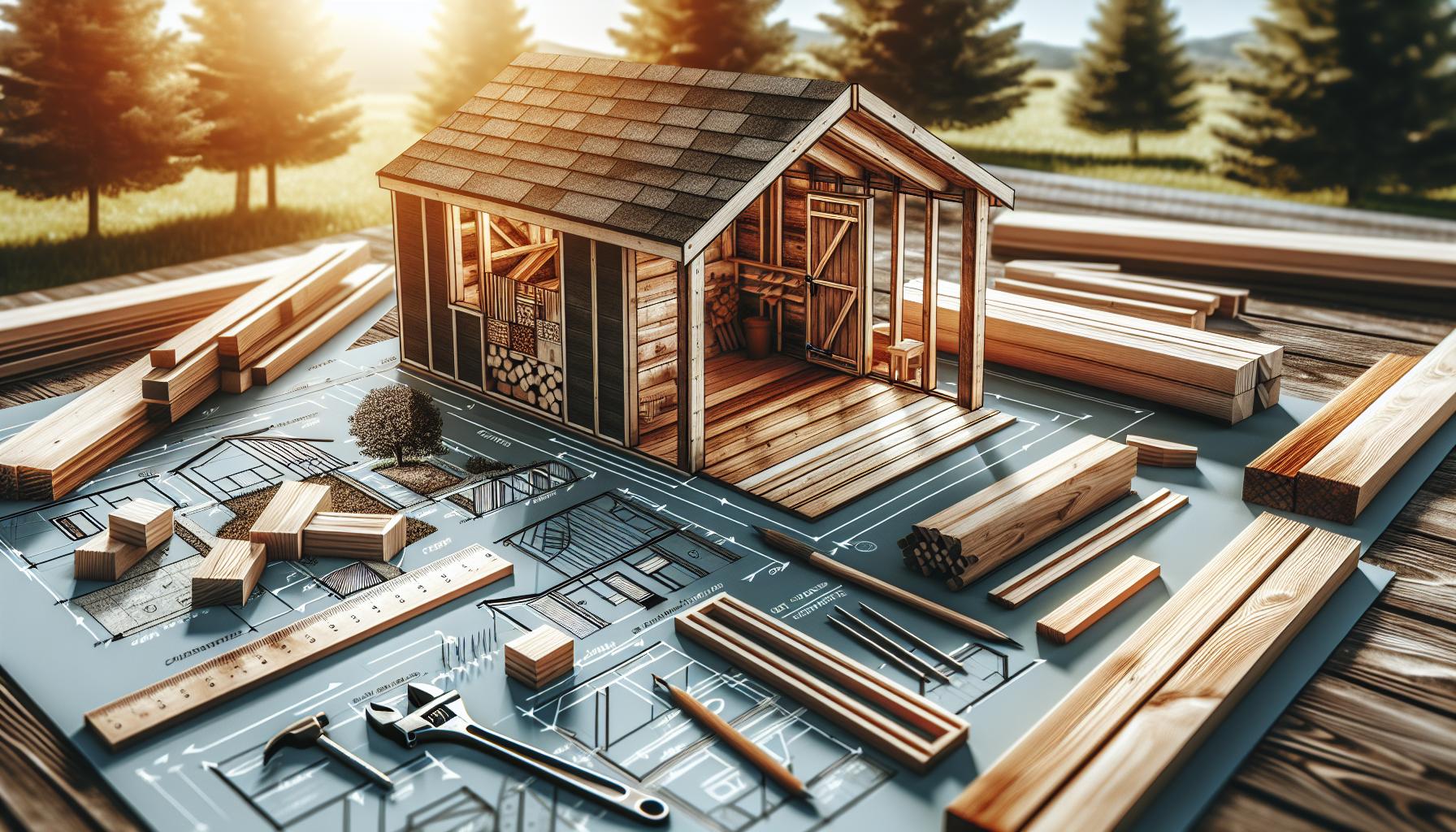
Building a shed on a slope can seem like an uphill battle, but selecting the right foundation can transform that challenge into a straightforward project. the foundation serves as the backbone of your shed, ensuring stability and longevity, especially when built on uneven terrain. Understanding the various foundation options available will empower you to make an informed decision tailored to your specific needs and the characteristics of your site.
Types of Foundations for Your Sloped Shed
When considering how to build a shed on a slope, here are the most common foundation types you’ll encounter:
- Concrete Blocks: This is one of the simplest solutions. Concrete blocks are durable and provide excellent stability. Place them strategically to level your shed, adjusting each block to match the contours of your land.
- Skids: Wood skids act as a base that can be aligned parallel to the slope. They distribute the weight of the shed effectively while allowing for adjustments to the uneven ground.
- Post and Beam foundations: This approach involves setting wooden posts into the ground at intervals. It is particularly effective for larger sheds as it provides both elevation and strong support, allowing for easy drainage.
- Concrete Slab: For those looking for a more permanent solution, a concrete slab offers a solid foundation. It requires leveling the ground beforehand,which may involve excavation,but it ensures superior stability for bigger sheds.
Key Considerations When Choosing a foundation
When deciding on the foundation for your shed, keep these factors in mind:
- Soil Type: Different soil types reacted differently to water drainage and stability. Clay soils,such as,might expand and contract,leading to potential shifts and cracks. Conduct a soil test to understand the best foundation type.
- Environmental Considerations: If your area experiences heavy rainfall or snowfall, ensure your foundation accommodates adequate drainage to prevent flooding or erosion.
- Shed Design: The weight and size of your shed can significantly influence foundation choice. A larger, heavier structure typically requires a more robust foundation compared to a small garden shed.
Cost and Labor Implications
the costs involved in constructing a shed foundation on a slope can vary widely based on the chosen method.Here is an overview of the estimated expenses for different foundation types:
| Foundation Type | Estimated Cost | Labor Intensity |
|---|---|---|
| Concrete Blocks | $200 – $500 | Low |
| Skids | $150 – $400 | Medium |
| Post and Beam | $300 – $700 | High |
| Concrete Slab | $700 – $1,500 | Very High |
by choosing the right foundation, you’ll not only make the construction process smoother but also set the stage for a robust and functional shed that stands the test of time, nonetheless of the challenges posed by sloped terrain.
Framing Techniques for Stability: Building a Level shed Frame

Building a shed on uneven terrain can prove to be a challenging yet rewarding endeavor. The key to ensuring that your shed remains stable, especially on a slope, lies in adopting effective framing techniques. Each aspect of your frame must be strategically designed to accommodate the incline while providing the necessary support for the structure.
One of the primary considerations when framing a shed on a slope is the foundation. Start by creating a level base using concrete blocks or treated lumber to establish a solid footing. This base will serve as a reliable reference point for your framing. Make sure to check the level periodically as you build. Tools like a level and measuring tape will be invaluable during this phase.Once the base is secure, you can use sloped beams which are designed to account for the incline, ensuring that your shed frame remains parallel to the ground, rather than tilting downhill.
Framing Techniques for Enhanced Stability
To further enhance stability, consider using advanced framing techniques which can optimize material usage while increasing the energy efficiency of your shed.For example:
- Use fewer studs: With advanced framing, you can reduce the number of studs without sacrificing structural integrity. This not only saves material costs but also allows for better insulation, keeping your shed agreeable year-round.
- Install diagonal bracing: For lateral stability,ensure that diagonal braces are added within the walls.these can drastically reduce sway and provide added support against wind and other environmental factors.
- Employ double top plates: Using a double top plate can definitely help tie the wall frames together more securely, creating a more rigid structure that is less likely to fail under stress.
Incorporating these techniques will lead to a shed that not only stands firmly on a slope but also serves you well over time.Always remember to regularly check your measurements throughout the build, ensuring that everything is aligned properly. By mastering these framing techniques, you’ll be well on your way to conquering challenging terrain with a stable and durable shed.
Weatherproofing and Drainage Solutions for Sloped Sheds
Building a shed on a slope presents unique challenges, especially concerning weatherproofing and drainage. Proper attention to these factors is essential to ensure the longevity and functionality of your shed.When it rains, the last thing you want is water pooling around the foundation, which can lead to structural damage over time.
Effective Weatherproofing Techniques
To secure your shed against the elements, consider the following weatherproofing techniques:
- Use Elevated Bases: Construct your shed on piers or a raised framework to keep it above ground level. This helps prevent moisture from seeping into the structure.
- Seal All joints: Apply caulking or weather stripping around windows and doors to keep rain out. Use high-quality sealants that can withstand temperature fluctuations.
- Invest in Quality Materials: Opt for pressure-treated lumber or composite materials that are more resistant to rot and decay compared to standard wood.
Implementing Drainage Solutions
Proper drainage is crucial when it comes to managing water runoff on a slope. here are key methods to effectively mitigate drainage issues:
- French Drains: Install a French drain system around the perimeter of your shed to redirect water away from the foundation. This involves digging a trench filled with gravel and a perforated pipe to collect and channel water.
- Swales: Shape the landscape with swales or shallow ditches on the slope that redirect water away from the shed. Position these drainage channels strategically to guide water flow towards safe exit points.
- Landscape Grading: Adjust the grading of the land to promote natural water runoff. Ensure that the ground slopes away from the shed to prevent puddling.
Considerations for Long-Term Maintenance
Once you’ve implemented these weatherproofing and drainage solutions, ongoing maintenance is essential to ensure they perform effectively throughout the years. Below is a basic checklist for regular inspections and upkeep:
| Maintenance Task | Frequency |
|---|---|
| Inspect and clear gutters and downspouts | Every season |
| Check the integrity of seals and caulking | Annually |
| Evaluate drainage systems and clear blockages | Twice a year |
| Monitor for signs of water damage or mold | Monthly |
By prioritizing weatherproofing and implementing effective drainage solutions, you can conquer the challenges of building a shed on a slope, ensuring it remains functional and protected against the elements for years to come.
Tips for Efficiently Managing Your Time and Resources
Building a shed on a slope can be a daunting task, but with effective time management and resource allocation, the process can become significantly smoother. Planning and planning are crucial; they can make the difference between a project that drags on and one that is completed ahead of schedule. Every moment spent organizing your tasks and resources pays off in efficiency, allowing you to tackle challenges with confidence.
To begin with, creating a detailed timeline for your project is essential. Break down the building process into smaller, manageable tasks that can be tracked over days or weeks. Here’s a suggested approach:
- Site Preparation: Clear the area, measure the slope, and gather necessary permits.
- Foundation Laying: Decide between a level platform, concrete blocks, or piers based on the slope’s steepness.
- Shed Assembly: Organize the construction phases, such as framing, roofing, and siding, according to their logical sequence.
Next, ensure you have all the materials and tools needed before begining construction. A comprehensive list will help you avoid wasting time on last-minute trips to the hardware store. For example,if you’re working on how to build a shed on a slope,you’ll need specific items like post anchors,treated lumber,and concrete mix,which should be readily available before you start your project. Consider arranging these materials by task or step to streamline the workflow.
Utilizing Resources Wisely
An efficient use of resources extends beyond just materials – consider leveraging technology. Various apps can help you create schedules, allocate tasks, and set reminders for each part of your project. Using a project management tool ensures that all elements of your shed-building venture stay on track,and helps you visualize the progress,making necessary adjustments easy to implement.
Tables can also be effective in organizing your tasks and responsibilities. Below is a simple format you can use to keep track of materials, tasks, and deadlines:
| Task | Materials Needed | Deadline | Status |
|---|---|---|---|
| Prepare Site | Shovel, stakes, strings | Day 1 | Not Started |
| Lay Foundation | concrete blocks, level | Day 2 | In Progress |
| Build Frame | Lumber, nails, saw | Day 3-4 | Pending |
By fostering a proactive mindset and strategically managing your time and resources, the task of how to build a shed on a slope transforms from an overwhelming challenge into a series of achievable tasks. Staying organized and prepared ensures a smoother construction process, ultimately leading to a successful outcome on even the most challenging terrains.
Enhancing Your Shed’s Functionality: Design Ideas for Sloped Lots
Building a shed on a sloped lot can present unique challenges, but with the right design ideas, you can significantly enhance its functionality and aesthetic appeal. By taking advantage of the natural terrain, your shed can not only serve its practical purpose but also become a charming and integral part of your landscape. Understanding how to utilize the slope can transform even the most challenging lot into a beautifully functional space.
Elevated Designs for Easy Access
One effective way to tackle sloped terrain is by designing an elevated shed. This approach allows for easier access to interior storage and can mitigate water runoff issues. Consider these design elements for an elevated shed:
- Stilt Foundations: Use sturdy posts to lift the shed off the ground, preventing moisture damage and allowing air circulation.
- Stairs or ramps: Integrate stylish wooden stairs or a gently sloping ramp, making access seamless for both people and equipment.
- Under-Shed Storage: The space underneath can double as additional storage for tools or garden supplies, maximizing your usage of the area.
Terraced Landscaping for Stability and Beauty
Incorporating terraces around your shed not only stabilizes the soil but also adds beauty to the environment. Terracing involves creating flat areas or steps on the slope, which can improve drainage and reduce erosion. Here’s how you can add terraces to your design:
- Soil Retention Walls: natural stone or timber walls can provide structure while enhancing the aesthetic value of your yard.
- Planting Beds: Planting flowers or shrubs on the terraces can definitely help with soil stability and create a vibrant garden space around your shed.
- Pathways: Create meandering pathways leading to the shed,offering defined walkways and improving overall accessibility.
Flexible Layout for Changing Needs
Designing your shed with adaptability in mind will ensure it suits your future needs. Consider these configurations to maximize functionality:
- Modular furniture: Incorporate modular shelving and workstations that can be easily reconfigured depending on your storage or workspace needs.
- Expandable Designs: Plan for future expansions by leaving space for additional storage or even a small adjoining workshop.
- Multi-Use Spaces: Design areas within the shed that can serve multiple purposes, such as a gardening workspace that also acts as a potting bench.
By carefully planning your shed’s design according to the slope, you can create a functional, gorgeous space that integrates well with your landscape. These innovative approaches not only optimize the functionality of your shed but also enhance the overall character of your property, making it a valuable addition for years to come.
FAQ
How to Build a Shed on a Slope: Conquer Challenging Terrain Easily?
To build a shed on a slope, begin by assessing the land’s gradient and stability. Create a level base using a combination of retaining walls and landscaping techniques to manage water runoff and soil movement.
It’s crucial to ensure your foundation is strong and stable, especially if the slope is steep. Using materials like pressure-treated wood or concrete blocks for the base will help prevent future settling or shifting. Remember to check local regulations regarding building on sloped terrains.
What type of foundation is best for a sloped area?
A suitable foundation for a sloped area includes either a pier and beam system or a concrete slab on one side, properly leveled.Piers can be adjusted based on the slope’s degree.
This approach provides stability while allowing for better drainage, which is crucial to avoid water pooling under your shed. Properly planning your foundation will also make it easier to support the shed’s structure over time.
Can I build a shed on a steep slope?
Yes, building a shed on a steep slope is possible, but it requires careful planning and execution. The main considerations are soil stability and proper drainage to prevent erosion.
You may need to construct a retaining wall to hold back soil and create a stable platform for the shed. Make sure to check local building codes to ensure compliance when constructing on sloped land.
Why does proper drainage matter when building on a slope?
Proper drainage is essential when building on a slope to prevent water accumulation that can cause foundational issues or soil erosion. It helps maintain the integrity of your shed over time.
Implementing drainage solutions, such as French drains or gravel pathways, can effectively redirect water away from your shed. This proactive measure can save you from potential long-term damage, improving the longevity of your structure.
What materials should I use for a shed on a slope?
When building a shed on a slope, choose materials that are durable and resistant to moisture, such as pressure-treated wood or galvanized metal. These materials will withstand the challenges posed by weather and terrain.
Using higher-quality materials ensures your build lasts longer,especially in unpredictable weather conditions.Additionally,consider using materials that facilitate drainage and do not trap moisture against the structure.
Do I need a permit to build a shed on a slope?
In most cases, yes, you will need a permit to build a shed on a slope. Local building codes often require permits for construction projects, especially when dealing with land modification.
check with your local zoning office for specific regulations that apply to your area. Proper permits help ensure your project complies with safety standards, protecting both your investment and the integrity of your landscape.
How can I ensure my shed is level on a slope?
to ensure your shed is level on a slope, you can use adjustable leveling pads or shims to compensate for the uneven ground. Start by marking the corners of your shed’s footprint and use a level to check height differences.
Adjust as necessary, and ensure your foundation is correctly positioned to support all weighted areas of the building. Taking the time to level your shed will enhance its stability and performance.
In Conclusion
building a shed on a slope may seem daunting, but armed with the right strategies, you can transform challenging terrain into a sturdy foundation for your project. we’ve covered essential planning steps, the importance of site leveling, and how to choose the right materials to ensure your shed stands strong against the elements. Remember, every problem has a solution, whether it’s adjusting your base or implementing smart drainage techniques.
As you embark on this rewarding journey, take your time and don’t hesitate to revisit key points when needed. Embrace the satisfaction of quality craftsmanship and the value of creating something with your own hands. We encourage you to connect with fellow DIYers for tips, share your progress, and celebrate your achievements. Dive deeper into your next project, explore more resources, and let your creativity flourish—your dream shed is just a few confident steps away!
Get our latest guides, news, and insights highlighted in your Google Search & AI Overviews.


