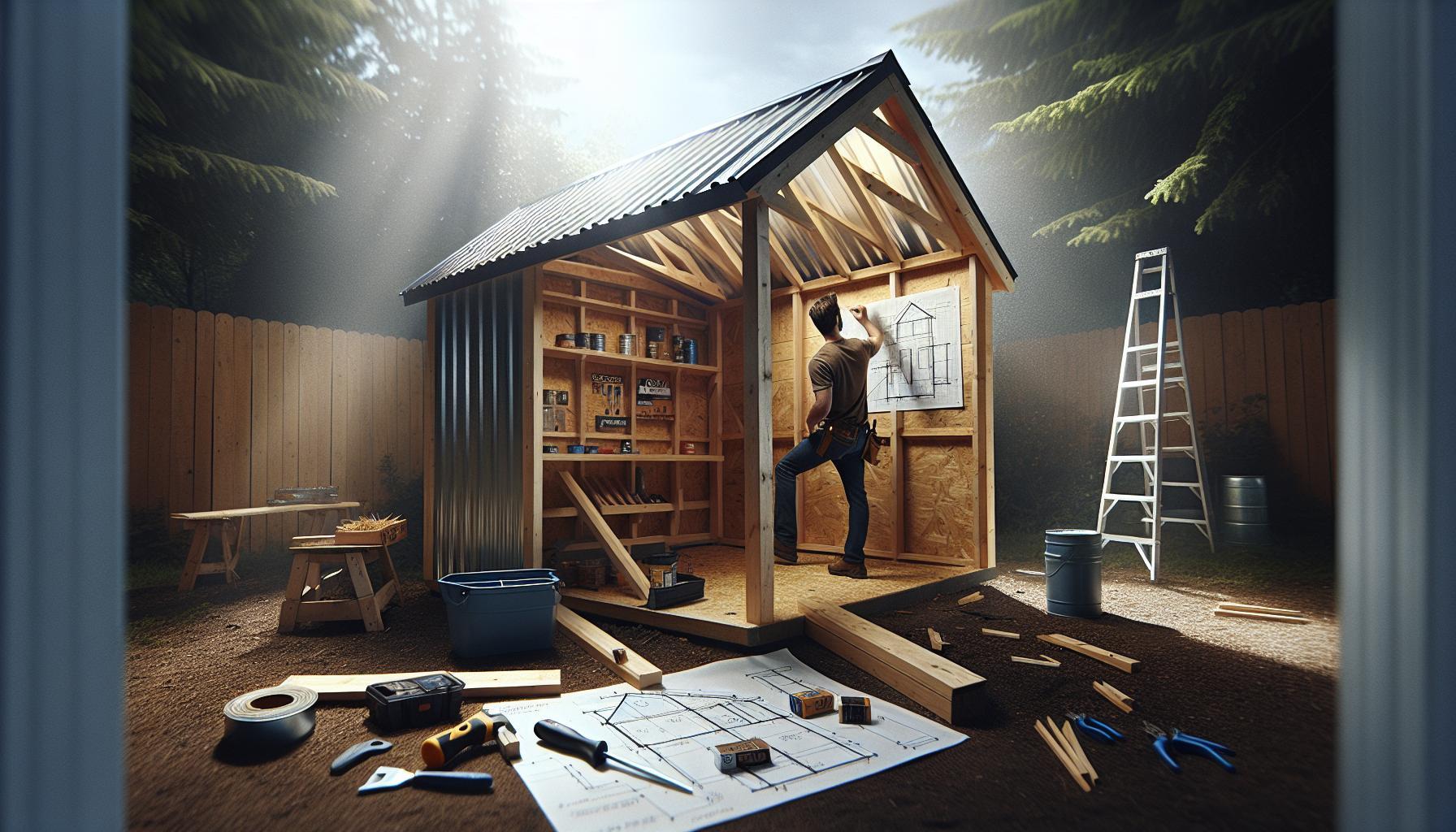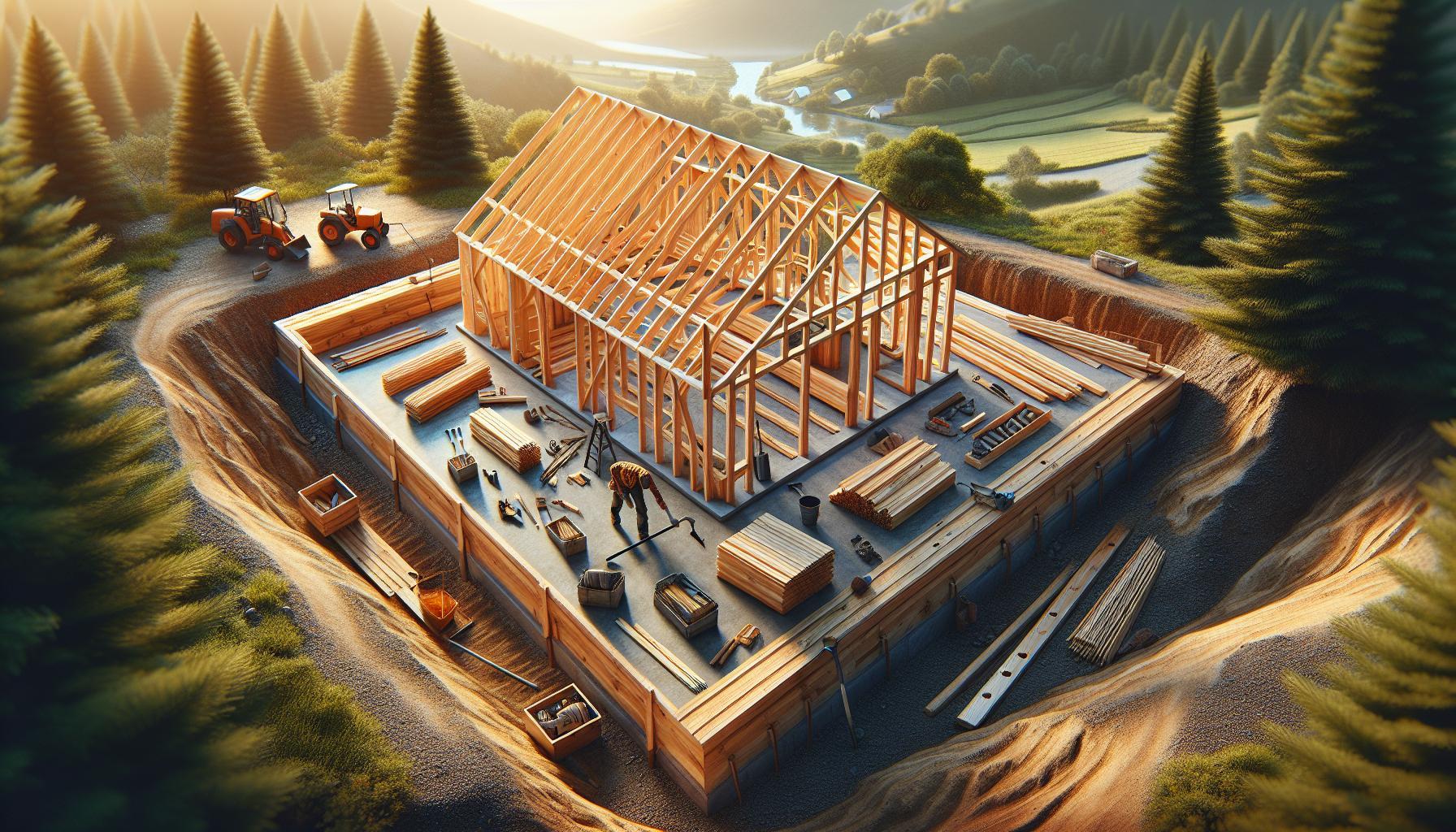

Building a sturdy base for your shed is essential to prevent issues like misaligned doors, rotting floors, and structural damage. A reliable foundation not only enhances durability but also protects against moisture and ground movement. Discover the best alternatives for any terrain to ensure your shed stands strong and stable for years to come.
Understanding the Importance of a Solid Shed Foundation

building a shed is a meaningful investment,and the foundation is one of the most critical aspects of that endeavor. A robust base not only supports the structure but also protects it from moisture, pests, and settling over time. Without a solid foundation, even the best-designed shed can succumb to sagging floors, warped walls, and water damage, leading to costly repairs and safety hazards.
To understand why a strong foundation is paramount, it’s essential to consider the various conditions it must endure.In areas prone to moisture, a variety of foundation types such as concrete slabs, pier and beam, or gravel can offer improved drainage and ventilation, reducing the risk of rot and mold. Such as, a concrete slab provides excellent stability and is particularly effective for heavy sheds or prolonged use, while gravel bases allow for drainage and are typically easier and more affordable to install.
Key Benefits of a Solid Shed Foundation
- Enhanced Durability: A properly constructed foundation prolongs the lifespan of your shed by preventing structural issues.
- moisture Control: Good foundations help to prevent water from accumulating under the shed, reducing mold and mildew growth.
- Level Surface: A level foundation ensures that doors and windows operate correctly and reduces wear.
- Pest Prevention: Elevating the structure can prevent rodents and insects from nesting within.
Additionally,choosing the right foundation type can definitely help facilitate better insulation and thermal efficiency,ensuring that your tools and materials are safeguarded from extreme temperatures. ItS also worth noting that in many jurisdictions, building codes may require specific foundation types, making it critical to research local regulations. Ultimately, investing time and resources into creating a stable base will pay dividends in the functionality and longevity of your shed.
| Foundation Type | Pros | Cons |
|---|---|---|
| Concrete Slab | Highly durable, excellent for heavy loads | Higher cost, difficult to modify later |
| Wooden Floor on Piers | Good ventilation, easy to construct | Can be susceptible to rot if not maintained |
| Gravel | Affordable, great drainage | May not be suitable for larger sheds |
is crucial not only for the immediate stability of your structure but also for long-term performance. By selecting the appropriate foundation type for your specific site conditions and needs, you can ensure that your shed remains a reliable asset for years to come.
Different Types of Shed foundations: Which One is Right for You?
When it comes to constructing a shed, selecting the right foundation is crucial to ensure longevity and stability. Different types of shed foundations can significantly impact your shed’s performance,especially in varying weather conditions and types of terrain. Understanding the options available will empower you to make informed decisions tailored to your specific project’s needs.
Common Types of Shed Foundations
There are several reliable foundation types typically used for sheds.Here’s a breakdown of some popular choices:
- Gravel Pad: Frequently enough considered the best option, a gravel pad provides excellent drainage and is easy to construct. This flexible foundation adapts well to most types of soil, making it ideal for regions with variable climates [[2]].
- Concrete Slab: A concrete slab is one of the sturdiest foundations you can build.It is perfect for areas with high moisture as it prevents water from seeping up and damaging your shed. The installation process requires more effort and planning, but it offers unrivaled stability [[3]].
- Wooden Skids: Wooden skids provide a simple and cost-effective option. They rest on the ground and elevate the shed off the soil to help prevent rot. This method works well on flat terrain [[1]].
- Block Foundation: This method uses concrete blocks to support the shed and is particularly useful for uneven terrains.It allows for air circulation underneath, which can definitely help keep the shed dry [[2]].
Choosing the Right Foundation for Your Shed
When determining the best foundation for your shed, consider thes factors:
- Soil Type: Test your soil’s texture and drainage capacity.Sandy soils drain well,while clay soils can retain water.
- Local Climate: In areas prone to frost, a frost-proof foundation is crucial to prevent heaving during winter.
- Intended Use: Assess how you plan to use your shed (storage, workshop, etc.), as this can dictate the foundation type.
For a practical approach, it may help to create a pros and cons list for each foundation type, considering your personal preferences and site conditions.This tailored analysis aligns perfectly with the principles of how to build a shed foundation that provides stable bases for any terrain. By carefully evaluating these aspects, you can ensure that your shed stands the test of time while remaining functional and visually appealing.
Preparing your Site: Steps for a Level and Stable Base

When constructing a dependable shed foundation, the importance of a level and stable base cannot be overstated. The integrity of your entire shed relies on how well you prepare the site. Not only does a well-prepared base prevent structural issues over time, but it also promotes proper water drainage and reduces the risk of pests infiltrating your shed. Before you can start building, you’ll need to follow a series of steps to ensure your site is adequately prepped for the foundation you choose.
Site Assessment
Begin by assessing the land where your shed will be placed. Look for areas with good drainage—avoid low spots that tend to collect water and high areas prone to erosion. The ground should be firm and stable, which can be determined by walking on it; if it feels spongy, it might require additional work. Clear the area of any debris, rocks, and vegetation to create a clean slate.
Marking the Shed’s Footprint
Once your site is clear, outline the dimensions of your shed using string or stakes. Make sure to measure accurately to avoid any future adjustments. Use a tape measure to double-check that your layout is square by using the 3-4-5 right triangle method—measure 3 feet along one side, 4 feet along the other, and adjust until the diagonal measures exactly 5 feet. This step ensures your shed will be built on a level base.
Leveling the Ground
With the footprint marked, it’s time to level off the ground. Depending on the terrain, you may need a shovel to dig down high spots or add fill dirt to lower spots. A laser level or a long straight board can be used to check for evenness. After leveling, compact the soil to ensure it is indeed stable. If using a gravel or concrete foundation, consider using a layer of crushed stone for added support and to aid in drainage.
Foundation Choices
Selecting the right type of foundation is equally crucial. Here are a few common options along with their benefits:
- Concrete Slab: Provides a strong,durable foundation ideal for most conditions.
- Gravel Pad: Offers good drainage and is cost-effective, particularly for smaller sheds.
- Concrete Blocks: Allows for better ventilation and can adjust for uneven ground.
- wood Beams:**: Simple to construct and provides an easiness in future adjustments.
Compiling these steps carefully will pave the way for a resilient shed base. By choosing the appropriate foundation and ensuring your site is properly prepared, you set the stage for a lasting and functional accessory to your outdoor space.
Materials Matter: Choosing the best Supplies for Durability and Support
When embarking on the journey of constructing a shed foundation, the supplies you select can dramatically alter the longevity and functionality of your structure. A robust foundation is akin to a solid backbone, offering not just stability but also the necessary support to withstand environmental elements. Understanding the variety of materials available and their respective properties can definitely help you make informed decisions, ensuring that your shed stands resilient against changing conditions and daily wear and tear.
Essential Materials to Consider
choosing the right materials is paramount for achieving durability. Here are some popular options:
- Pressure-Treated Lumber: Ideal for framing and skids, this wood is chemically treated to resist rot and insect damage, making it a reliable choice for moisture-prone areas.
- Concrete Blocks: Perfect for providing a sturdy base, concrete blocks can elevate your shed, keeping it safe from water buildup and pests.
- Gravel Fill: Use gravel as a drainage layer beneath your foundation to prevent water accumulation and maintain dry conditions essential for wood-based structures.
- Steel Beams: For those seeking maximum resilience, steel beams offer unparalleled strength and can support heavy loads, making them suitable for larger sheds.
Pros and Cons of Common Materials
Selecting the right material often comes down to weighing the pros and cons based on your shed’s intended use and local environmental factors. Below is a fast overview of some popular foundation materials:
| material | Pros | Cons |
|---|---|---|
| Pressure-treated Lumber | cost-effective, easy to work with | Can warp or crack over time |
| Concrete Blocks | Stable, resistant to pests | Labor-intensive installation |
| Gravel Fill | excellent drainage, lightweight | Less stable for heavy structures |
| Steel Beams | Extremely strong, long-lasting | Higher cost, may require professional installation |
Tailoring Your Material Choice to Your Environment
The terrain where your shed will be built significantly influences which materials to choose.For humid regions, pressure-treated lumber is often recommended to combat rot, while gravel-filled foundations are beneficial in areas with poor drainage to mitigate flooding risks.If your location is susceptible to heavy snow or rainfall, opting for concrete blocks or steel beams can provide the extra support required to prevent warping or structural failure over time. By customizing your material choice based on environmental conditions, you ensure the durability and longevity essential for a dependable shed.
Step-by-Step Guide: Building a Concrete Slab Foundation

Building a durable and stable foundation is critical when constructing a shed. A concrete slab foundation offers a strong base that can support the weight of the structure, resist moisture, and provide a level surface that aids in construction. This type of foundation is particularly advantageous in areas with stable soil conditions. Here’s how to successfully create a concrete slab foundation for your shed.
Preparation and Planning
Before diving into the construction, proper planning and preparation are essential. First, determine the shed’s location and ensure it meets any local zoning regulations. here are the initial steps to consider:
- Choose the right site: Select a flat, well-drained area to minimize water pooling and erosion.
- Gather your materials: You will need concrete, gravel, rebar or wire mesh, forms (made of wood or metal), and tools such as a level, shovel, and concrete mixer or wheelbarrow.
- Measure and mark: Outline the dimensions of your shed using stakes and string or spray paint.
Excavation
Once the site is prepped, it’s time to excavate the area for the slab. This involves:
- Digging: Remove at least 4-6 inches of soil from the marked area to make space for the gravel and concrete.
- Leveling: Use a rake to level the base and ensure a smooth,flat surface.
- Adding gravel: pour a layer of gravel (about 3-4 inches) to promote drainage and compact it adequately.
Setting the Forms
Next,create the forms for the concrete slab:
- Build the framework: Use wooden or metal boards to create a rectangular shape at the same height as your desired concrete thickness.
- Secure the forms: Ensure the forms are level and braced firmly to prevent shifting when the concrete is poured.
Reinforcement and Pouring Concrete
Proper reinforcement will enhance the slab’s strength:
- Insert rebar or mesh: Place rebar or wire mesh within the forms to provide structural integrity to the concrete.
- Mixing the concrete: Prepare your concrete mixture according to the manufacturer’s instructions or use pre-mixed concrete for convenience.
- Pouring: Pour concrete into the forms, starting from one corner and working your way across.
Finishing Touches
after the concrete has been poured, it’s vital to finish the surface:
- Screeding: Use a straight board to level the surface of the concrete by dragging it across the top of the forms.
- floating: After the surface has set slightly, use a float to smooth out any imperfections.
- Sealing: Once dried, consider applying a sealant to the concrete for added protection against moisture.
With these steps, you’ll create a solid concrete slab foundation that will provide a reliable base for your shed, enhancing its durability and functionality. Investing time in proper construction methods will ensure your shed stands strong against the elements for years to come.
Using Skids: A Simple Solution for a Portable shed Foundation

When it comes to creating a durable and versatile foundation for your shed, using skids is an effective option that combines simplicity with portability.Skids are typically made from strong, rot-resistant materials such as pressure-treated lumber, providing a robust base that can support your structure while allowing for easy relocation if necessary. this solution is particularly beneficial for those who may need to move their shed in the future or who are working on uneven terrain where traditional foundations may pose challenges.
Benefits of Using Skids
There are several advantages to employing skids as a foundation for your shed. For starters, they offer a cost-effective solution that requires minimal tools and labor. Additionally, skids can distribute weight evenly across the ground, reducing the risk of settling or shifting over time. Here are some key benefits:
- Portability: Easily relocate your shed by lifting it from the skids.
- Simplicity: Requires less preparation compared to concrete or gravel foundations.
- cost-effective: Reduces material and labor expenses significantly.
- Adaptability: Works on various terrains, including sloped ground.
To implement skids as a foundation, start by determining the dimensions of your shed and selecting the appropriate size for your skids, typically running the length of the shed. Position the skids approximately 4 to 6 feet apart, adjusting based on the size and weight of your shed. Following the placement, securing the skids with anchors or lag bolts can offer additional stability, especially in windy conditions.
Installation Steps
Installing skids as a foundation is straightforward and can often be accomplished with just a few basic tools. Here’s a quick guide:
- Choose an appropriate location for your shed, ensuring it’s level and free of debris.
- Mark the positions for your skids based on your shed’s dimensions.
- Lay the skids in place, ensuring they are parallel and level.
- Secure the skids to the ground with stakes or anchors if necessary.
- Place your shed on top of the skids and ensure it is indeed level before finalizing any installations.
Utilizing skids provides not only a functional foundation but also enhances the versatility of your shed placement, aligning perfectly with the principles in “How to Build a Shed Foundation: Stable Bases for Any Terrain.” Whether you are dealing with a flat yard or a slight incline, this method offers an accessible and practical approach to shed foundation construction.
common Challenges and How to Overcome Them when Building a Foundation
Building a solid foundation for a shed is crucial for ensuring its longevity and structural integrity. However, many builders face obstacles ranging from poor soil conditions to uneven terrain, which can complicate the process. Understanding these common challenges and proactively addressing them can make the difference between a stable base and a sagging structure over time.
Identifying Soil Conditions
one of the first hurdles you may encounter is the type of soil in your yard. Poorly draining soil,rocky terrain,or overly sandy areas can all affect the foundation of your shed. Here’s how to tackle these issues:
- Conduct a Soil Test: A simple soil test will help determine the composition and drainage capabilities.This can guide your decision on the appropriate type of foundation.
- Use Gravel or Concrete: For areas with poor drainage, consider a gravel base or concrete piers. Both options promote drainage and provide a stable platform.
Dealing with Uneven Terrain
If your build site is on a slope or uneven ground, it can present significant challenges. Tackling this scenario requires careful planning:
- Leveling the Site: Use a laser level to assess the area and create a level surface. This may involve moving soil or adding fill dirt to achieve a stable base.
- Consider a Raised Foundation: A raised foundation can help if leveling is not feasible. Building on piers or blocks allows for air circulation and helps avoid moisture buildup.
Water Drainage and Moisture Control
Water drainage is critical to the longevity of any shed foundation. Water pooling or improper drainage can lead to rot and structural issues.Here’s how to effectively manage water:
- Grading the Site: Ensure that the ground slopes away from your shed to promote effective drainage. A slope of at least 6 inches over the first 10 feet can prevent water accumulation.
- Install Gutters and Downspouts: If your shed has a roof, installing a gutter system can direct water away from the base, further protecting the foundation.
| Challenge | Solution |
|---|---|
| Poor soil drainage | Gravel base or concrete piers |
| Uneven terrain | Leveling site or raised foundation |
| Water pooling | Grading site and installing gutters |
By anticipating these challenges and implementing effective solutions, you’ll be equipped with the knowledge necessary to construct a sturdy and lasting shed foundation, paving the way for a prosperous building project.Each step taken can ensure your structure stands firm against the tests of time and weather, creating a reliable space for storage or activities.
Maintenance Tips: Keeping Your Shed Foundation Strong Over Time
One of the most critical aspects of ensuring your shed stands the test of time lies in maintaining its foundation. Nonetheless of how well you’ve followed the guidelines on stable bases for any terrain, the elements and ground settling over time can subtly affect your shed’s stability. regular checks and maintenance can significantly enhance the longevity of your foundation and the entire structure itself. Let’s explore some practical ways to keep your shed foundation robust and enduring.
regular Inspections
Making a habit of inspecting your shed foundation can help you identify minor issues before they escalate into major problems. During these inspections, look for:
- Visible Cracks: Small cracks can be a sign of settling or shifting. If they expand or deepen, you may need to take action.
- Moisture Accumulation: Check for puddles or excessive moisture around the foundation. Proper drainage is essential to prevent long-term damage.
- Insect Infestation: Be on the lookout for pests that may undermine your foundation, particularly termites and ants.
Establish a schedule for these inspections—ideally at least twice a year, and more frequently enough in regions with extreme weather fluctuations.
Addressing Drainage Issues
A well-designed drainage system is paramount for a strong shed foundation. Poor water drainage can lead to erosion and weaken your foundation over time. Here are some steps you can take to enhance drainage around your shed:
- Install Gutters: If your shed has a roof,make sure it has gutters to channel water away from the foundation.
- Grade the Surrounding Soil: the ground should slope away from the shed to allow water to flow away rather than pool around it.
- Consider French Drains: Installing these can help direct excess water away from your shed foundation effectively.
by implementing these features, you’ll protect against water-related deterioration and keep your foundation intact.
Reinforcing the Structure
To further strengthen your shed foundation,consider using reinforcements like piers,posts,or anchors that can help hold the foundation steady in varying conditions and terrains. if your shed is built on concrete blocks or posts, ensure they are properly secured and not showing signs of wear. Regularly check to:
| Reinforcement Type | purpose | Maintenance Tip |
|---|---|---|
| Concrete Piers | Provide stable elevation and resist sinking. | Check for cracks or shifting and realign as needed. |
| Wooden Posts | Support the shed structure and prevent swaying. | inspect for rot; treat or replace as necessary. |
| Anchors | Hold the foundation in place against winds and shifts. | Tighten and replace rusted anchors promptly. |
By staying vigilant with your inspections and addressing any concerns swiftly, you can ensure that the foundation of your shed remains strong and durable, which is key to protecting your investment for many years to come.
FAQ
how to Build a Shed Foundation: Stable Bases for Any Terrain?
To build a shed foundation,choose a stable base that suits your terrain,such as a concrete slab,pressure-treated wood,or gravel. Follow a systematic approach to ensure stability and longevity for your shed.
Start by assessing your terrain. For level ground, a concrete slab can provide excellent durability. In areas with moisture or drainage issues,consider using gravel or wooden skids to elevate and protect your shed. Each option has unique benefits, so select what suits your needs best.
What is the best type of foundation for a shed?
The best type of foundation for a shed depends on your soil type and local weather conditions. common options include concrete slabs, gravel pads, and timber skids, each designed for different challenges.
A concrete slab is often the most durable and stable choice,particularly in wet climates. Alternatively, a gravel pad is easier to install and allows excellent drainage, making it ideal for softer soils. It’s essential to consider your specific location when deciding the most appropriate shed foundation.
Why does a shed need a solid foundation?
A solid foundation is critical for your shed’s stability and longevity. It prevents water damage, uneven settling, and structural issues, ensuring your shed remains functional over time.
Without a suitable foundation, the moisture can warp or rot the flooring, leading to significant repair costs. Utilizing a strong base lays the groundwork for quality craftsmanship, encouraging you to focus on the shed’s construction without the worry of a shaky foundation.
Can I build a shed on uneven ground?
Yes, you can build a shed on uneven ground by using specific techniques like leveling or creating a stepped foundation. This will help ensure that your shed remains stable, despite challenging terrain.
One effective method is using shim blocks to level each corner of the shed. Alternatively,consider building a platform foundation that conforms to the slope. Consulting an expert or our guide on shed construction tips can provide additional insights for your specific situation.
How deep should a shed foundation be?
The depth of a shed foundation typically ranges from 4 to 12 inches, depending on the soil condition and the type of foundation you choose. Proper depth ensures stability and aids in drainage.
As an example, a concrete slab usually requires a depth of about 4-6 inches, while a gravel foundation may require 6-12 inches to accommodate the drainage. Make sure to check local building codes, as they can provide guidelines tailored to your area.
What materials do I need to build a shed foundation?
common materials for building a shed foundation include concrete, pressure-treated lumber, gravel, and landscaping fabric. each material serves a unique purpose for different types of foundations.
For a concrete slab, you’ll need concrete mix, whereas pressure-treated lumber is essential for a post foundation. if you’re opting for gravel, consider adding landscaping fabric to prevent weed growth, enhancing your shed’s stability and longevity.
Future Outlook
Building a solid foundation for your shed is essential for lasting stability and functionality, regardless of the terrain you’re working with.As we’ve discussed, the process involves selecting the right type of foundation—whether it’s a gravel pad, concrete slab, or skids—to suit your specific needs. Each option has its unique advantages and considerations, but with the right guidance, anyone can lay a firm and level base that enhances the overall integrity of their shed.
Remember, preparation is key. Ensure that you assess soil conditions, plan for proper drainage, and consider local building codes to avoid any structural issues down the line. With patience and attention to detail, you’re more than capable of transforming your vision into reality.
Don’t hesitate to explore our linked resources for more in-depth information on foundation types and construction tips. Embrace the challenge—each step you take brings you closer to realizing your perfect shed! Happy building,and may your craftsmanship shine through every project you undertake!