Looking to strengthen your outdoor storage solutions? A solid shed floor is essential for durability and stability, protecting your tools from moisture and pests. In just one weekend,you can build a reliable base that will enhance your shed’s longevity and functionality,making it an invaluable asset for any homeowner.
understanding Shed Floor Options: Choosing the Right Material for your Needs
Choosing the right material for your shed floor is one of the most critical decisions in your shed-building project. An inappropriate flooring choice can lead to problems like rot, structural weakness, and even pest infestations, potentially compromising your entire structure. Understanding the various shed floor options available can empower you to make an informed decision that meets your needs and budget.
Types of Shed Flooring Materials
When it comes to flooring your shed, several materials are popular among DIY enthusiasts and professionals alike. Each material offers distinct advantages and disadvantages. Consider the following options:
- Plywood: A common choice for shed floors due to its affordability and ease of installation. Plywood is versatile and can be treated for extra moisture resistance.
- OSB (Oriented Strand Board): Less expensive than plywood but more prone to moisture damage unless properly treated. Its strength makes it a viable option for basic storage sheds.
- Pressure-Treated Lumber: Ideal for foundations and can be used as floor joists. It resists rot and insect damage, making it suitable for outdoor environments.
- Concrete: Provides durability and excellent moisture resistance, perfect for larger sheds or workshops. Though, it requires a solid foundation and can be more labor-intensive to install.
- Vinyl Flooring: Even though typically used as a finishing touch, it adds an aesthetic appeal and is easy to clean. Though, it may not provide the structural support needed for heavy items.
Considerations for Choosing Shed Flooring
Each material has unique characteristics that must align with your shed’s intended purpose.Here are some factors to take into account:
- Habitat: if your in an area with high humidity or heavy rains, moisture-resistant materials like pressure-treated lumber or concrete are your best bet.
- Weight Capacity: Consider what you plan to store. if heavy equipment will be housed, stronger materials like plywood or concrete are essential.
- Budget: While plywood is typically cheaper, investing in more durable materials can save money long-term by avoiding frequent repairs or replacements.
- DIY Skill Level: Your experience can influence your choice.Plywood and OSB can be handled by most DIYers, whereas concrete might require professional help.
Comparative Overview
The following table summarizes the key characteristics of popular shed floor materials to help you choose:
| Material | Cost | Moisture Resistance | Weight capacity | Ease of Installation |
|---|---|---|---|---|
| Plywood | Low | Moderate (if treated) | Good | Easy |
| OSB | Low | Low (unless treated) | Good | Easy |
| Pressure-Treated Lumber | Moderate | High | Very Good | Moderate |
| Concrete | High | Excellent | Very Good | Arduous |
| Vinyl Flooring | Moderate | Depends on substrate | Low | Easy |
by carefully weighing your options and considering your specific needs, you can choose the right shed floor material that will result in a functional and long-lasting base, truly helping you to build a shed floor that creates a rock-solid foundation in just one weekend.
Preparing Your Site: Essential Groundwork Before You Start
Building a solid foundation for your shed is not just a matter of convenience—it’s about ensuring durability, stability, and longevity. Without adequate preparation, what might start as an exciting project can quickly turn into a headache. So, before diving into how to build a shed floor that can withstand the test of time, it’s vital to lay the essential groundwork. Taking some time to prepare your site will set you up for success,ensuring a rock-solid base that can be completed in just one weekend.
assess Your Location
Before you start gathering materials, the first step is to select the right location for your shed. Consider the following factors:
- Sunlight: Avoid placing your shed in areas with excessive shade, as this could lead to moisture build-up and wood decay.
- Drainage: Ensure that the site has proper drainage to prevent water from pooling under your shed. Observe how water flows in your yard after a rainstorm.
- Access: Choose a spot that is easily accessible for bringing in materials and tools, and one that won’t obstruct pathways or landscaping.
- Local regulations: Check with your local zoning laws or homeowners’ association regarding shed placement and size restrictions.
clear the Area
Once you’ve chosen the ideal location, it’s time to clear the space.This involves:
- Removing any debris, rocks, or roots that might interfere with the structure of your shed floor.
- Excavating the area to create a level base. You may need to use a shovel or a small excavator if the ground is uneven.
- Marking the dimensions of your shed to visualize the space it will occupy.
By taking the time to thoroughly clear and prepare the area, you can avoid complications later on.
Stabilize the Ground
To ensure your shed has a lasting foundation, particularly if you’re dealing with soft or unstable ground, you might need to stabilize the soil.Here are a couple of methods to accomplish this:
- Compacting the Soil: Use a plate compactor or a tamper to compress the soil, creating a denser material that can support your shed.
- Adding Gravel: Spread a layer of gravel to further enhance drainage and provide a more solid base. This “French drain” method works wonders in preventing water accumulation.
Levels and Measurements
Before you set your foundation, it’s crucial to check that everything is level.Using a long level or a water level will help you adjust any uneven spots. Here’s a speedy checklist for this stage:
| Task | Tools Needed |
|---|---|
| Check Horizontal Level | Long Level or Laser Level |
| Mark corner Post Sites | Measuring Tape, Stakes |
| Adjust for Perfect Squareness | Framing Square |
This attention to detail at the preparatory stage will ensure that as you learn how to build a shed floor, you’re starting off with the best possible conditions for a rock-solid base that’s easy to construct and will stand firm against the elements for years to come.
Step-by-Step Guide to Constructing Your Shed Floor Frame
Building a sturdy foundation is a critical aspect of constructing your shed, as it directly impacts the longevity and stability of the entire structure. With a little time and effort, you can create a resilient floor frame that will support your shed for years to come.Here, we’ll walk you through the detailed steps to construct a reliable shed floor frame that exemplifies the principles of “How to Build a Shed Floor: Create a Rock-Solid Base in Just One Weekend.”
Gather Your Materials
Before diving into the construction process, make sure you have all necesary materials at hand. Here’s a shortlist of what you will need:
- Pressure-treated lumber (for the frame)
- Plywood sheets (for the floor)
- Screws (deck screws recommended)
- Wooden stakes (for marking)
- Measuring tape
- Level
- Power saw (circular or miter saw)
- Drill
- Safety gear (gloves, goggles)
Prepare the Site
Start by selecting the ideal location for your shed. Ensure that the ground is level and free of debris. Use wooden stakes to outline the perimeter of your shed, and confirm the corners are square using the 3-4-5 triangle method. This process is crucial as it guarantees that your shed will have uniform corners, preventing structural issues down the line.
Measure and Cut the Lumber
With your area marked, it’s time to measure and cut the pressure-treated lumber to the desired lengths. You’ll typically need two long beams for the sides and two shorter beams for the front and back of the frame.Here’s a simple table for reference based on a standard shed size:
| Beam Type | Dimensions |
|---|---|
| Side Beams | 10 feet (2 pieces) |
| Front/Back Beams | 8 feet (2 pieces) |
once cut, lay your beams out to form a rectangle on the ground. Verify that the frame is square and adjust as needed.
Assemble the Frame
Start assembly by connecting the beams using screws. Drill pilot holes to prevent splitting the wood. Attach the side beams to the front and back beams, creating a solid rectangular frame.
next, to increase stability, add additional support joists within the frame. These joists should be spaced 16 inches apart to evenly distribute weight and ensure durability. Cut the joists to the appropriate length, then secure each one with screws.
By following these detailed steps, you will be well on your way to completing a robust floor frame for your shed. This foundational work exemplifies effective techniques on how to build a shed floor, ensuring you can confidently build your shed in just one weekend.
Flooring Fundamentals: Insulation and Moisture Control Explained
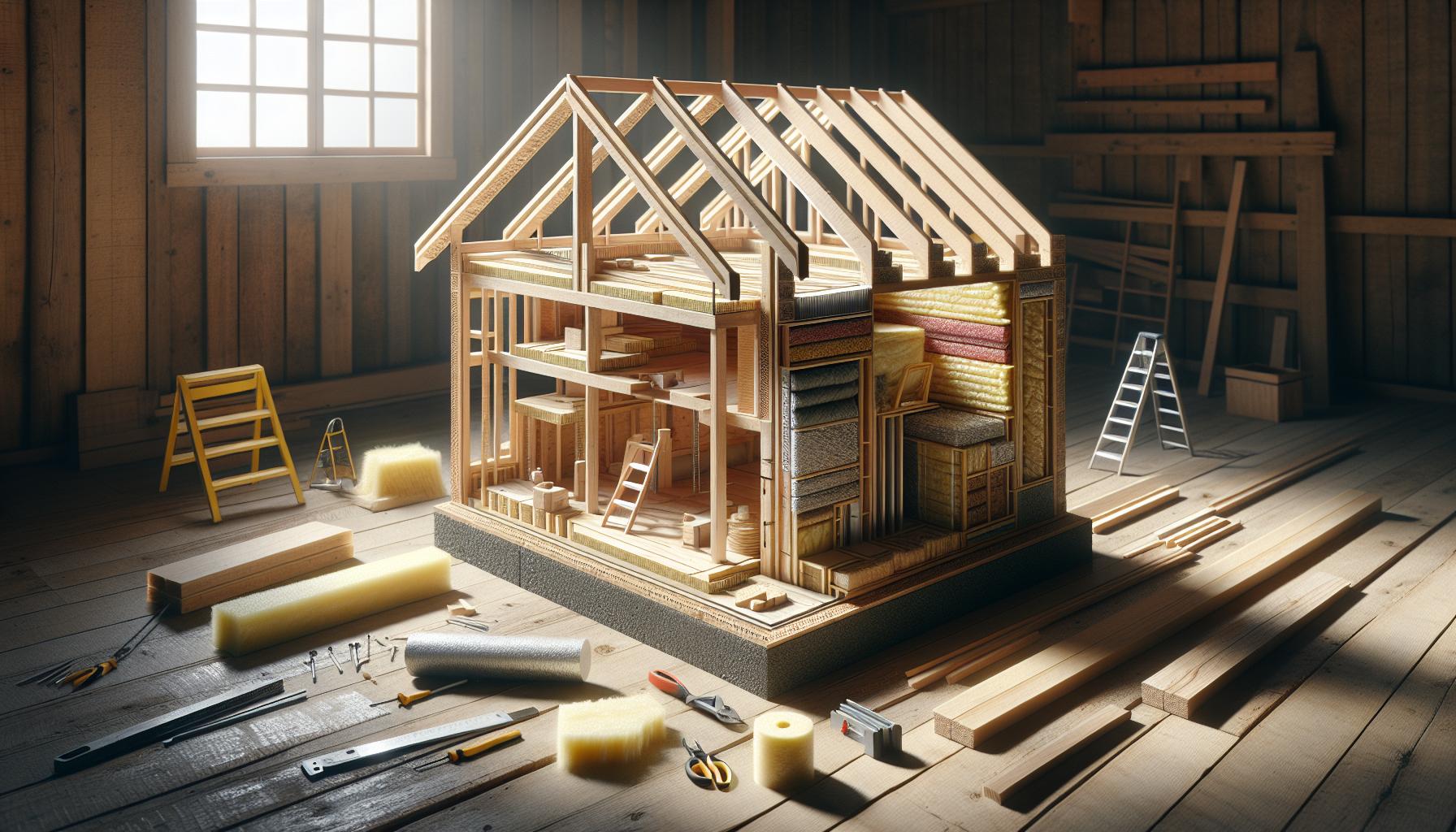
Understanding the interplay between insulation and moisture control is crucial for anyone looking to create a robust and enduring shed floor. A well-constructed floor not only supports the structure above it but also protects the tools and materials stored within from the effects of the elements. Proper insulation and moisture management can give you peace of mind, ensuring that your investment in a shed yields long-term benefits.
Why Insulation Matters
Insulation plays a pivotal role in maintaining a comfortable environment inside your shed. During colder months, it helps to retain heat, making it ideal for storing sensitive materials or even using the space as a workshop. Conversely, in warmer weather, proper insulation can help keep the interior cool. Here are some common insulation materials:
- Fiberglass Batts: Easily available and inexpensive, fiberglass batts are often used in shed construction but require careful installation to fit your flooring space perfectly.
- Spray Foam: This is an excellent option for hard-to-reach areas, expanding to fill gaps and providing superior insulation and moisture control.
- Rigid Foam Boards: These boards offer high insulation values and are ideal for underfloor applications where space is at a premium.
Moisture control: Your Shed’s Defender
Moisture management is equally crucial in ensuring the longevity of your shed floor. Excess moisture can lead to mold growth, wood rot, and structural damage. here are key strategies to mitigate moisture issues effectively:
- Vapor Barriers: Installing a vapor barrier,typically plastic sheeting,beneath your flooring will help prevent ground moisture from seeping into the shed.
- Ventilation: Creating airflow under and within your shed is vital. Using vents can help balance heat and humidity levels, reducing the risk of condensation.
- Elevate the floor: building your shed on skids or using piers will keep the structure elevated off the ground, minimizing moisture exposure.
Table: Comparison of Insulation Options
| Insulation type | R-Value (per inch) | Cost (per square foot) | Installation Difficulty |
|---|---|---|---|
| Fiberglass Batts | 2.9 – 4.3 | $0.50 – $1.00 | Moderate |
| Spray Foam | 6.0 – 7.0 | $1.00 – $2.00 | High |
| rigid foam Boards | 4.0 – 6.5 | $1.00 – $2.00 | Moderate |
Equipping your shed with the right insulation and moisture control measures is imperative when learning how to build a shed floor that stands the test of time. By selecting the appropriate materials and implementing effective strategies, you can create a rock-solid base that will serve you well through the seasons.
Securing Your Shed: Best Practices for Anchoring Your Floor
The stability of your shed doesn’t just rest on the quality of materials used; it heavily depends on how securely its floor is anchored. A well-anchored floor not only protects your investment from the unpredictable forces of nature but also enhances its longevity. Whether facing strong winds, heavy rain, or the shifting ground, ensuring your shed floor is properly anchored is crucial for maintaining its structural integrity.
When considering how to build a shed floor, anchoring is a critical step that shouldn’t be overlooked.Here are some best practices to effectively secure your shed’s floor:
Choose the Right Anchoring Method
There are several effective methods for anchoring your shed floor, and the choice largely depends on your shed’s design and the environmental conditions in your area. Here are a few options to consider:
- Concrete Anchors: If your shed is built on a concrete slab, using concrete anchors or expansion bolts can provide a solid connection to the foundation.
- Earth Anchors: For sheds placed on gravel or soil, specially designed earth anchors can be driven into the ground, providing stability and resistance against uplift.
- Flood Ties: For regions prone to flooding, using flood ties can help secure the floor system directly to the ground, keeping it from floating away in heavy rains.
Utilize a Level Foundation
Before anchoring, ensure your shed is built on a level foundation.A sloped foundation can lead to misalignment and potential failure of the anchoring system.Measure and adjust as necessary:
| Steps for leveling a shed Foundation | Tools required |
|---|---|
| Dig out high spots and fill in low spots to create an even surface. | Level, shovel, trowel |
| Lay down gravel for drainage and additional stability. | Gravel, rake |
| Check with the level and adjust as needed. | Level |
By ensuring that your shed’s foundation is level, you not only protect your shed floor from undue stress, but you also lay the groundwork for a strong anchoring system.
Regular Maintenance and Inspections
Securing your shed floor is just the beginning. Regular maintenance is vital to ensure that the anchoring system remains effective over time. Make it a habit to inspect your shed’s floor and anchoring points at least once a year. Look for signs of wear, rust, or corrosion, especially around metal anchors.In regions with extreme weather, you may want to check more frequently.
By following these best practices when anchoring your shed floor, you can confidently create a durable and reliable structure, the likes of wich you’ll appreciate for years as you utilize the space for storage or other hobbies. An anchored shed is not just a safe haven for your tools and equipment; it is indeed an investment in your property’s value and practicality.
Troubleshooting Common Shed Floor Problems: Tips for Lasting Durability
Shed floors endure a lot of wear and tear, from heavy equipment and stored materials to fluctuating weather conditions. Properly addressing these common issues can considerably extend the life of your shed floor and ensure it remains a reliable foundation for your storage needs. Here’s how to troubleshoot some of the most frequent shed floor problems while ensuring your structure stands strong over time.
Identifying Structural Weaknesses
One of the most critical aspects of maintaining your shed floor is recognizing and addressing any signs of structural weakness. Look for:
- Cracks or splits: These can be signs of moisture damage or poor installation.
- Soft spots: Areas that feel sponge-like may indicate rot beneath the surface.
- uneven surfaces: This may signal settling or improper leveling during the initial construction.
If any of these issues are detected early, you can often address them with minimal effort. For instance, treating soft spots with wood preservative can halt further decay, while filling cracks with wood filler can restore stability.
Dealing with Moisture and Mold
Moisture is a leading cause of shed floor deterioration. Ensuring your shed is well-ventilated can drastically improve its lifespan. To tackle moisture issues, consider these steps:
- install a vapor barrier: This helps to prevent moisture from seeping up from the ground.
- Elevate the floor: Use skids or concrete blocks to elevate the shed, promoting airflow underneath.
- Use treated wood: Incorporate pressure-treated lumber to resist the effects of water damage.
Addressing mold early can also be crucial. If you notice any fungal growth, scrub the affected area with a mixture of water and vinegar, and consider adding an organic mold inhibitor to your preventive maintenance routine.
Resolving Pest Issues
Pests can pose a hidden threat to shed floors. Rodents and insects frequently enough seek refuge in warm, dark spaces, causing significant damage over time. To combat this, implement these preventative strategies:
- Seal entry points: Inspect the shed regularly for gaps and cracks, and seal them effectively.
- Store items off the ground: Use shelves or pallets to elevate stored items, making it less attractive for pests.
- Maintain cleanliness: Regularly clean the shed to eliminate food sources that attract pests.
By taking these practical steps,you can safeguard your shed floor against unwanted pests,ensuring a healthy and durable environment for your tools and equipment.
Table of Signs and Solutions
| Problem | Signs | Potential Solutions |
|---|---|---|
| Structural Weakness | Cracks, soft spots, uneven surfaces | Wood filler, preservative treatment, leveling |
| Moisture Damage | Warps, stains, mold growth | Vapor barrier, elevation, treated wood |
| Pest Infestation | Gnaw marks, droppings, nests | Sealing, elevated storage, regular cleaning |
By recognizing these common shed floor issues and implementing practical solutions, you’ll ensure a lasting and durable foundation for your outdoor space, allowing you to enjoy the benefits of a well-built shed.
Enhancing Your Shed: Flooring Finishes and Aesthetic Choices
To enhance your shed and truly make it your own, consider how the flooring finishes and aesthetic choices can transform this functional space into an inviting environment.The right flooring not only serves the practical purpose of providing a strong base but also sets the tone for the entire shed. Selecting materials that reflect your style while being durable and easy to maintain will ensure your shed is both aesthetically pleasing and functional.
Choosing the Right Flooring Material
When contemplating flooring options during the build process, it’s essential to weigh the benefits and appearances of various materials.here are a few popular choices based on durability and style:
- Concrete: Renowned for its strength, concrete flooring is a prime candidate for those seeking longevity. It provides a clean, industrial look that can be accentuated with stains or paints.
- Pressure-Treated Wood: This option yields a warm, rustic feel. It’s ideal for customary sheds and can be finished with an outdoor sealant to withstand moisture.
- Plywood: For a more cost-effective solution, plywood offers versatility and can be finished with paint or protective coatings, allowing you to customize the look.
- vinyl flooring: If comfort and easy maintenance are priorities, vinyl provides an array of designs that mimic wood or stone, along with water-resistant properties.
Finishing Touches and Aesthetic Enhancements
Once you’ve selected the foundational material, consider adding finishing touches to create a cohesive look. Implementing elements such as area rugs can soften the space and introduce color. Additionally,painting the floor or applying a textured finish can definitely help emphasize style while also improving traction.
You might also explore decorative options; for instance,engage in DIY stenciling for a personalized touch on plywood or concrete. Alternatively, incorporating built-in storage solutions like shelving or cabinets can further enhance functionality while contributing to the overall design. These elements not only beautify your shed but also showcase your personality,turning a simple structure into a vibrant extension of your home.
Ultimately, understanding how to build a shed floor that aligns with your aesthetic desires and functional needs is crucial. by making deliberate choices regarding finishes and materials, you ensure your shed is not just a storage solution but a space that truly enhances your property.
Legal Considerations: what You Need to Know Before Building Your Shed Floor
Building a shed can be an exciting project, but before you grab your tools, it’s crucial to consider the legalities that may impact your construction. Many homeowners overlook the importance of understanding local regulations, zoning laws, and building codes, which can lead to complications later on. Ignoring these aspects could result in fines, required removal of your shed, or even legal disputes with neighbors. To set a solid groundwork both literally and legally, here’s what you need to keep in mind.
Research Local Zoning Laws
Before laying your shed floor, start by checking with your local zoning office. Zoning laws dictate how land can be used and can vary from one municipality to another. Here are some factors you should consider:
- setback Requirements: These determine how far your shed must be from property lines, sidewalks, or other structures.
- Size Limitations: Many areas have restrictions on how large a shed can be,particularly if it will be placed in the backyard.
- Permits: Some regions may require a building permit,even for simple structures.
Make a visit to your city or county’s website or call your local planning department to gather facts specific to your area. It might be beneficial to keep printed documentation of your findings as you proceed with your project.
Understand Building codes
along with zoning laws, you must familiarize yourself with relevant building codes. These codes ensure that structures meet certain safety and quality standards. for materials and construction methods, here’s what you should check:
| Building Aspect | Considerations |
|---|---|
| Materials | Are the materials you plan to use compliant with local regulations? |
| Foundation Type | Does your proposed foundation meet local standards for stability? |
| height Restrictions | Is the height of your shed within permitted limits? |
Failing to adhere to these codes can result in hefty fines or the need to make costly changes later on.If possible, consult a contractor or someone learned about local building practices to ensure compliance.
Review HOA Regulations
If you live in a neighborhood governed by a Homeowners Association (HOA), it’s essential to review their regulations regarding shed construction. Many HOAs have specific guidelines about the appearance, size, and location of outbuildings. Possible restrictions may include:
- Design Aesthetics: Your shed may need to complement the style of your home.
- Color Schemes: Specific color choices might be mandated to maintain uniformity.
- Materials: Your HOA may insist on certain types of materials to enhance visual appeal.
Before beginning your project, make sure to obtain the necessary approvals. This step will prevent any conflicts with your HOA and allow you to enjoy your new shed without worry. Taking these legal considerations into account will help you to build your shed floor effectively and ensure that your project remains compliant with local regulations and property standards.
Q&A
How to Build a Shed Floor: Create a Rock-Solid Base in Just One weekend?
To build a shed floor, start with a solid plan, gather your materials, level the ground, and construct a frame using treated lumber. Finish by laying down plywood for a sturdy surface. This process can be completed over a single weekend with the right tools and techniques.
Begin by preparing the area where your shed will sit. Clear debris, plant life, and ensure the ground is level. Next, build a frame using pressure-treated lumber, which resists moisture and decay. Securely attach plywood sheets to create a strong floor.
This process ensures a durable and long-lasting floor that will support your shed’s structure. for more detailed guidance, check out our article on how to construct a shed floor.
What materials do I need to build a shed floor?
You will need pressure-treated lumber for the frame, plywood for the floor surface, concrete blocks or gravel for leveling, and weather-resistant screws. Choosing the right materials is crucial for a strong shed floor.
Pressure-treated lumber resists rot and pests, making it ideal for outdoor uses. And sturdy plywood provides a flat surface for your shed. You might also want to include a layer of gravel under the floor for better drainage and support.
Be sure to consider the size of your shed when selecting materials. Purchasing materials in advance will save time and ensure you have everything needed for your project.
Why does a solid foundation matter when building a shed floor?
A solid foundation is essential as it prevents moisture damage, maintains structural integrity, and enhances the longevity of your shed. A poorly constructed floor can lead to sagging,rot,or even collapse.
Moisture can seep into your shed’s flooring without proper drainage and support. By creating a rock-solid base, you protect your tools and supplies from damage and increase the functionality of the space.
Thus, investing time in building a solid foundation pays off in the long run and is a crucial step in the comprehensive process of building a durable shed.
Can I build a shed floor on a slope?
Yes, you can build a shed floor on a slope, but you will need to level the base using appropriate materials like gravel or concrete blocks to ensure stability. This helps distribute weight evenly and prevents structural issues.
When working on a sloped site,understanding the inclination of the terrain is vital. Creating retaining walls or using leveled support beams can definitely help stabilize your shed and maintain a foundation even on uneven ground.
Consult local building codes and regulations regarding shed placement on slopes, as this may impact warranty and safety. Proper precautions ensure your shed stays functional for years.
How long does it take to build a shed floor?
Typically, building a shed floor can be completed in one weekend if you have all your materials ready and follow a well-structured plan. This timeframe allows for proper assembly and any adjustments needed for a solid foundation.
The task involves more than just laying wood—it includes preparing the site, gathering materials, and ensuring a level surface. By organizing your resources and knowing the steps in advance, you can maximize your efficiency.
for larger or more complex projects,it might take additional time. Be patient and take necessary precautions to ensure everything is built correctly.
What tools do I need for building a shed floor?
You will need essential tools like a saw, hammer, drill, level, tape measure, and safety gear to build a shed floor. These tools will help ensure your project is completed safely and effectively.
A circular saw works well for cutting lumber and plywood, while a level is critical for ensuring that your floor is even. Other tools, such as a pencil for marking and safety goggles for protection, should also be a part of your toolkit.
Having the right tools on hand not only speeds up the process but also contributes to a more professional outcome for your shed’s foundation.
Why is it recommended to use pressure-treated wood for the shed floor?
Using pressure-treated wood for your shed floor is recommended because it resists rot,decay,and insect damage,leading to a longer-lasting structure. This wooden material is specially treated to withstand outdoor elements.
The chemicals in pressure-treated wood help safeguard it against moisture and pests, which is crucial for a shed that will face the elements. This durability can save you time and money on repairs or replacements.
When choosing your materials, make sure to check the specifications to confirm that your lumber is pressure treated, ensuring that it meets your needs for a solid shed floor.
Insights and Conclusions
building a shed floor is a rewarding project that can be completed in just a weekend, empowering you to create a strong foundation for your storage space. By understanding the essential materials—like treated lumber and plywood—and mastering techniques such as proper leveling and secure fastening, you lay the groundwork not only for your shed but also for your confidence as a builder. Remember to consider the space your shed will occupy and comply with local zoning laws for a smooth construction process.
we encourage you to delve deeper into each step and explore resources for advanced techniques or troubleshooting common issues. No matter your skill level, this journey offers valuable lessons in construction and design. Embrace the learning curve, savor the satisfaction of your progress, and don’t hesitate to reach out to fellow builders or forums for tips and support. Dive into your next DIY adventure with joy,knowing that each board you nail down brings you one step closer to achieving your vision. Happy building!