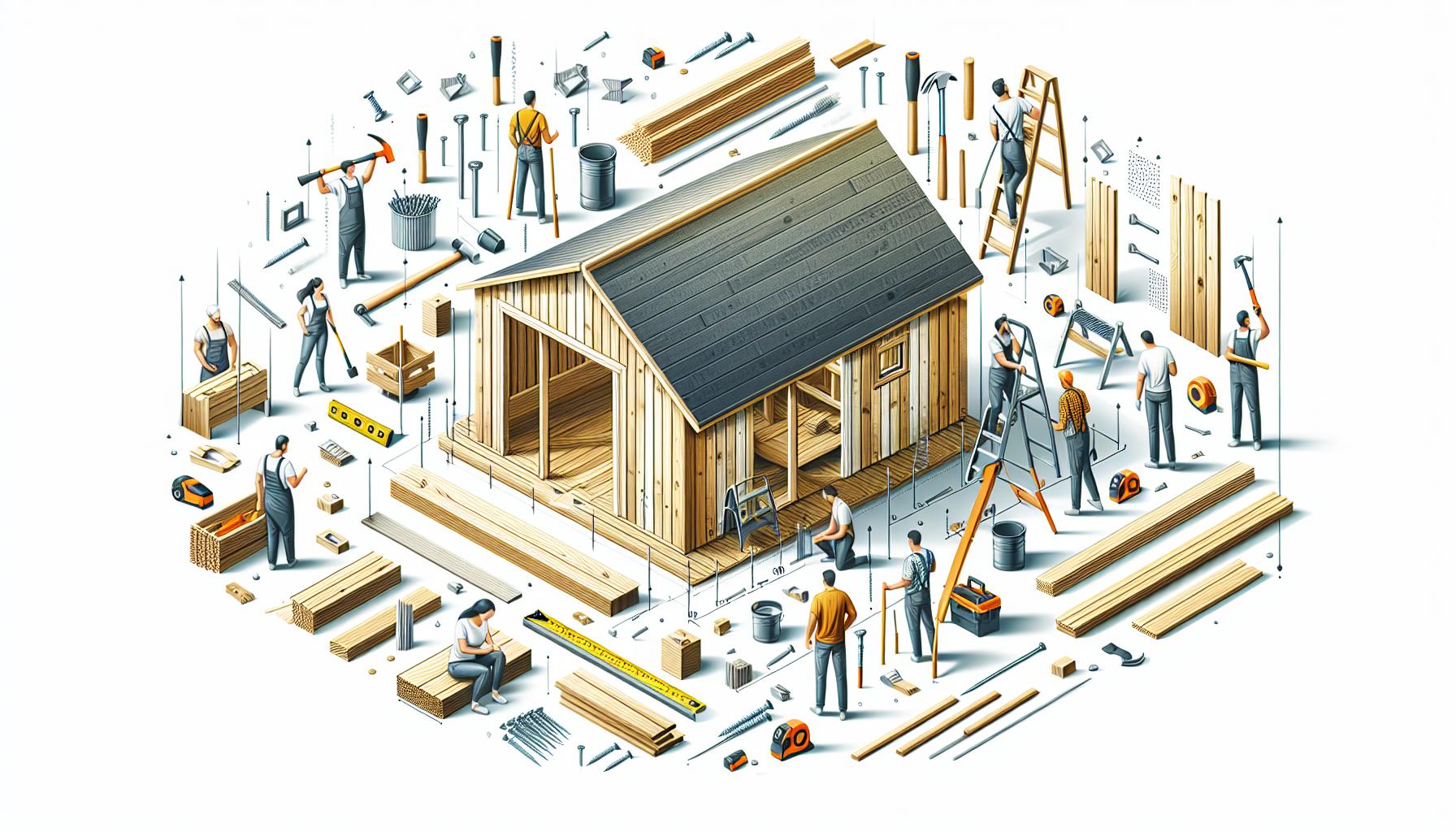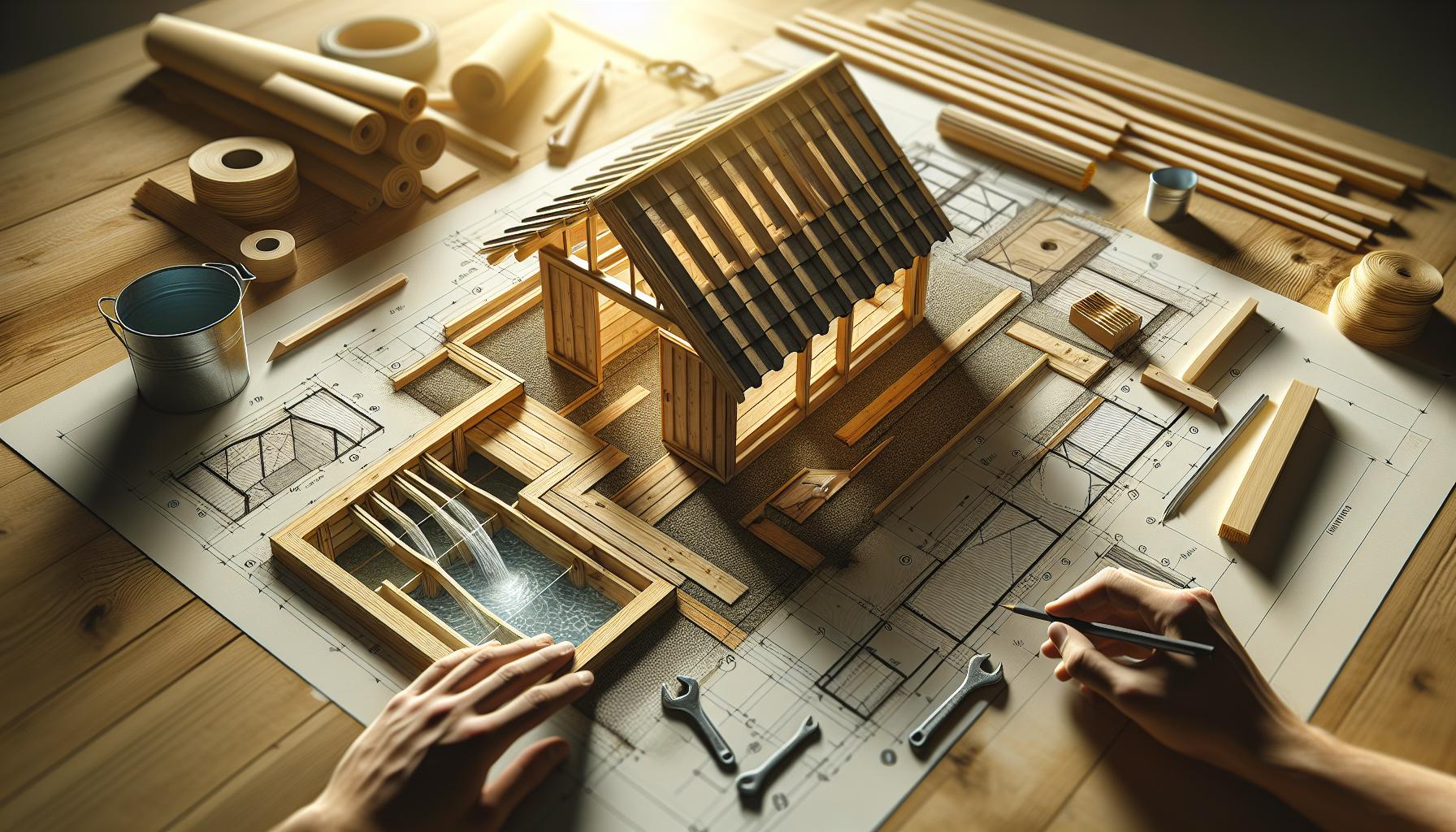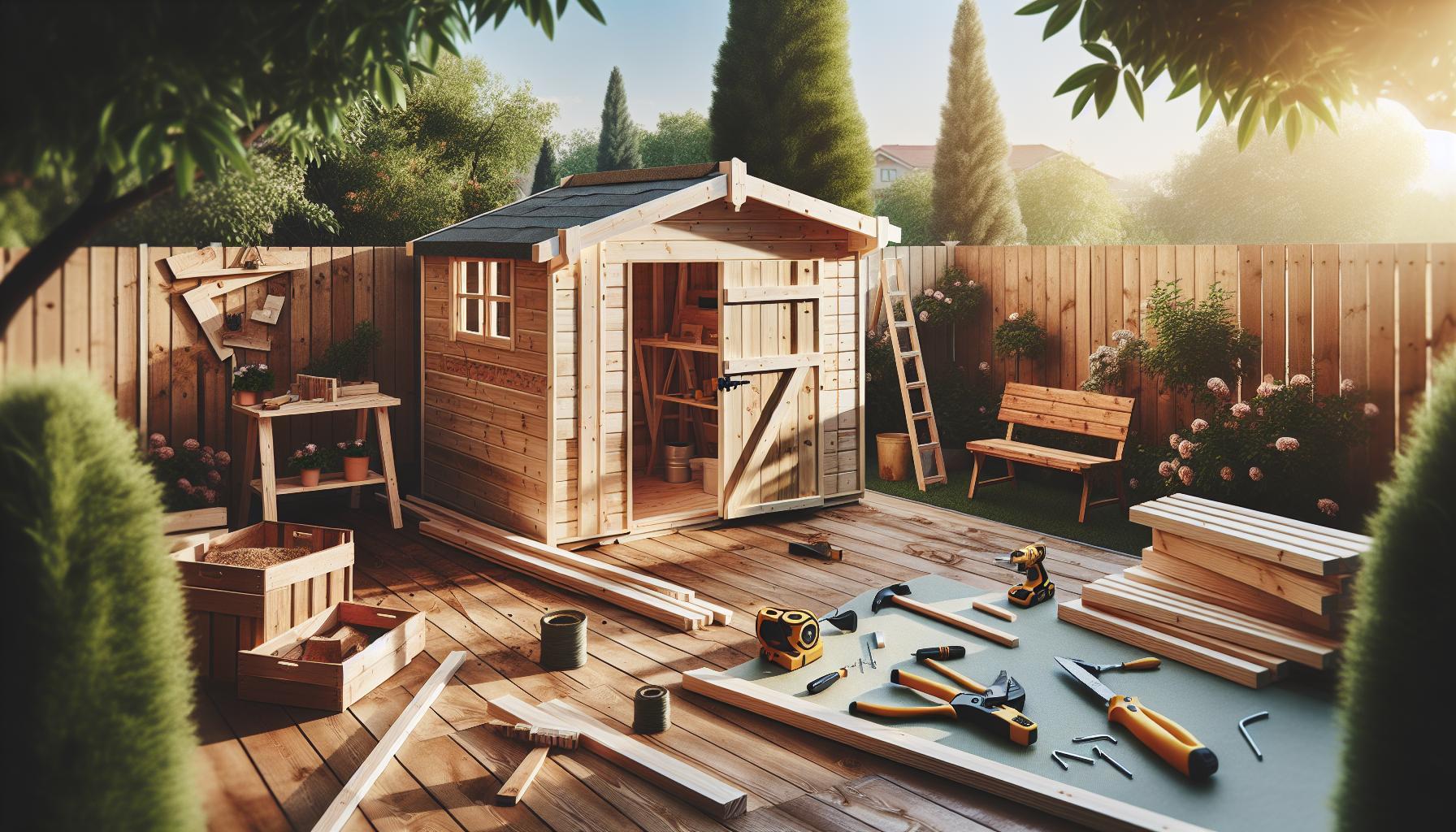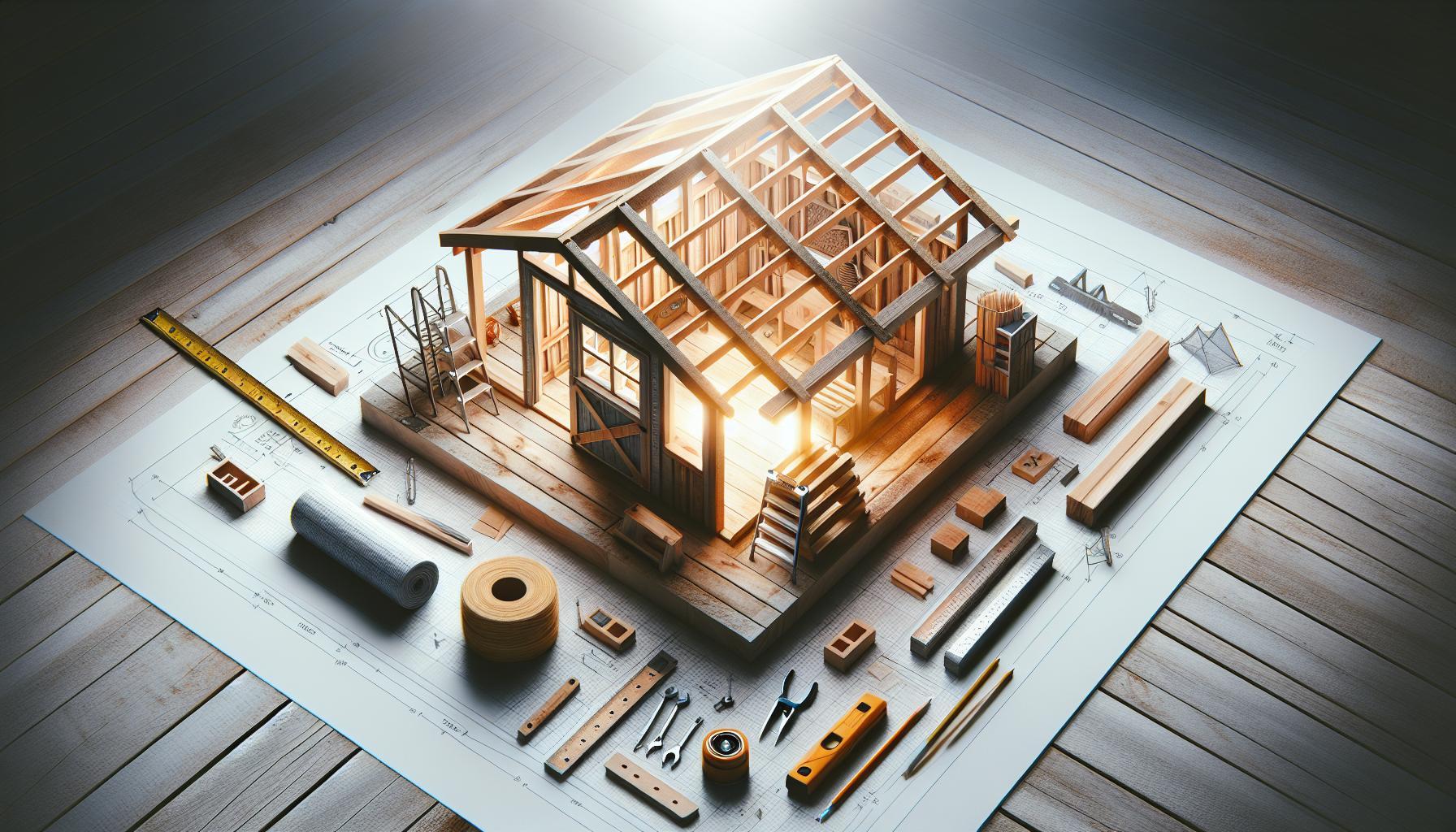

Are you tired of dealing with soggy floors and sagging walls in your shed? A solid foundation is essential for protecting your investment and ensuring longevity.In just one day, you can learn how to build a reliable shed base that stands the test of time, enhancing both functionality and aesthetics.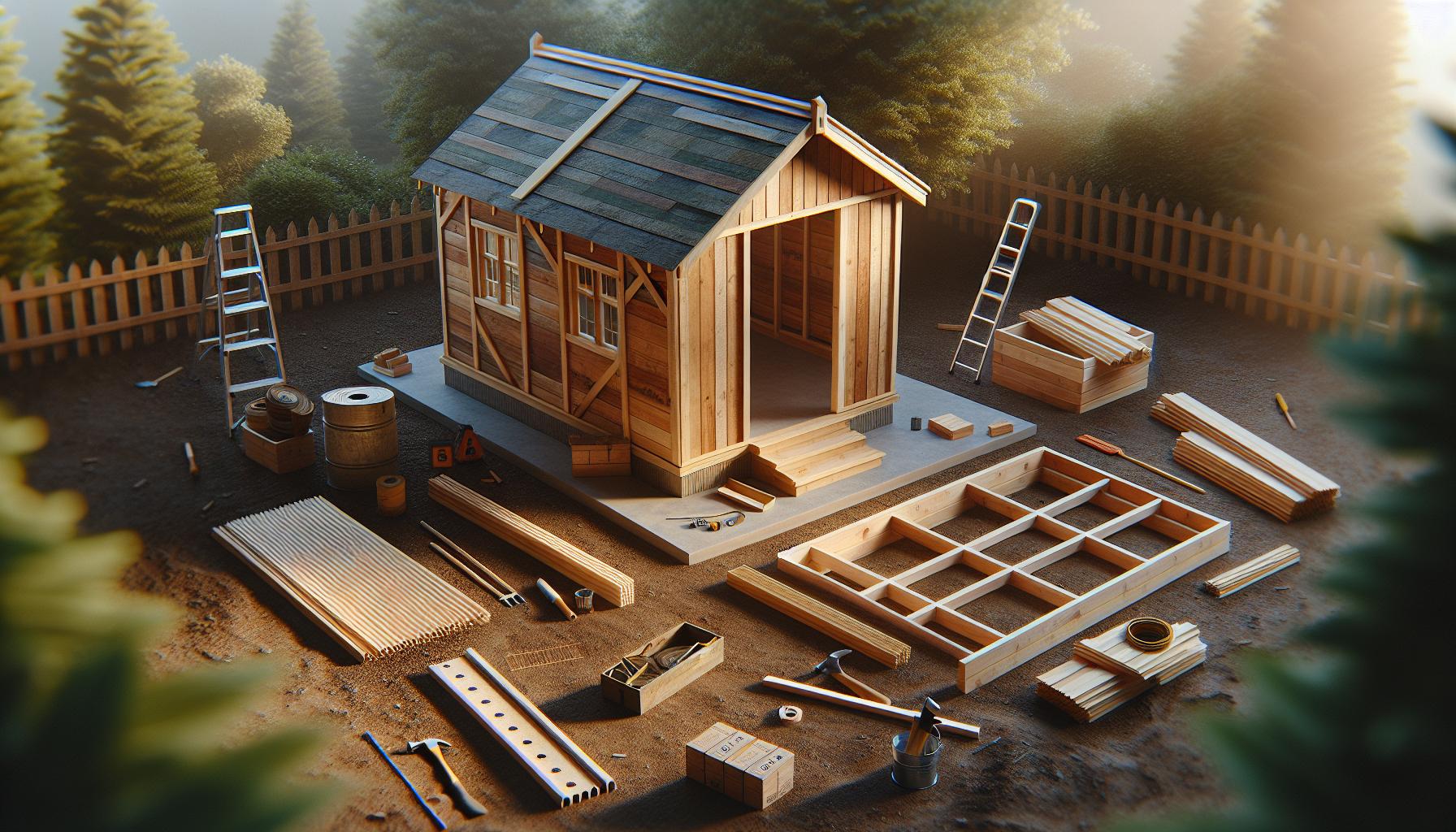
Choosing the Right Location for your Shed Base
Selecting the right spot for your shed base is crucial to ensuring longevity and functionality. A well-placed shed is less prone to moisture accumulation, pest infestation, and structural damage, allowing you to make the most of your investment. When planning your project to build a shed base, consider not just aesthetics, but also the environmental conditions that will affect your shed over time.
### Evaluating the Terrain
Before you start laying the foundation for your shed, it’s essential to assess the landscape of your yard. A flat or gently sloped area is ideal for providing stability and proper water drainage. Areas that retain water can lead to rot, mold, and long-term structural damage. Here are some points to keep in mind:
- Drainage: Look for potential water accumulation spots. Avoid areas where water tends to pool after rain.
- Soil Type: Sandy or loamy soils drain well and are less likely to shift, while clay soils can cause instability.
- Access: Ensure you have easy access to the site for construction and future maintenance.
### Consider Sunlight and Wind Exposure
The exposure to natural elements should also guide your location choice. A well-lit area can help reduce dampness inside your shed, yet too much sunlight may lead to excessive heat build-up. Meanwhile, wind can affect the stability of your shed, especially in the case of stronger storms. To strike the right balance, consider the following:
- Sun Position: Observe how sunlight moves across your yard throughout the day to optimize your shed’s placement.
- Wind Patterns: Position your shed to minimize wind exposure, perhaps by placing it near existing structures, trees, or hedges that can act as windbreaks.
### Local Building Codes and Regulations
Before digging in, do your homework on local building codes and regulations. Some areas may require permits for erecting a shed, including the foundation. Understanding these requirements can save you time and potential fines later. Common regulations to check include:
| Regulation Aspect | Details |
|---|---|
| Setback Requirements | Distance from property lines as defined by local codes |
| Height Restrictions | Maximum allowable height for sheds in the area |
| Permits Needed | Specific permits for construction or land alteration |
By carefully considering the terrain, environmental factors, and local regulations, you’ll be well on your way to establishing a solid foundation for your shed. A strategic choice of location not only contributes to the overall durability of your structure but also enhances its functionality for years to come.
Essential materials for a Durable Shed Foundation
Constructing a reliable shed foundation is crucial for ensuring the longevity and stability of your structure. Without a solid base, your shed can become susceptible to shifting, water damage, and premature wear. Knowing the essential materials needed for this step not only streamlines the process but also guarantees success in creating a dependable foundation.
Core Materials for Your Shed Base
To build a durable shed foundation, there are several primary materials you will need.Each component plays a vital role in guaranteeing the stability and resilience of your base:
- Gravel: This is frequently enough used as a drainage layer, helping to prevent water accumulation which can lead to erosion and shifting.
- Concrete Blocks or Piers: These provide solid anchor points for your structure, elevating it above ground and reducing contact with moisture.
- Pressure-Treated Lumber: For timber foundations, use treated wood to resist rot and insect damage.
- Landscape Fabric: A protective barrier that prevents weed growth while allowing water to flow through, helping maintain the integrity of your foundation.
Choosing the Right Size and Types
Selecting the right materials involves more than just getting what’s available; you need to consider specific dimensions and quantities based on your shed’s size. Here is a simple table illustrating material amounts based on different shed dimensions:
| Shed size (ft) | Gravel (cubic yards) | Concrete Blocks (units) | Lumber (length in feet) |
|---|---|---|---|
| 8 x 10 | 2 | 6 | 24 |
| 10 x 12 | 3 | 8 | 30 |
| 12 x 16 | 5 | 10 | 40 |
By following this guide, you can source the necessary materials to create a sturdy framework. Whether you are learning how to build a shed base for the first time or refining your approach, investing in quality materials will pay off in the long run. With the right foundation laid out, your shed is set to stand strong against the elements and time.
Step-by-Step Guide to Preparing the Ground
Preparing the ground for your shed base is one of the most crucial steps in the construction process, and getting it right can save you from future headaches. A well-prepared foundation not only enhances the stability and durability of your shed but also contributes to its overall appearance. From determining the location to leveling the area, each step is essential to ensuring that your shed stands the test of time.Here’s how to set the stage for a solid foundation.
Assess the Location
Before you start moving dirt, take a moment to carefully assess the location where you want to build your shed. Look for an area that is not only flat but also away from potential water drainage issues like downspouts or natural water runoff.Good drainage is key to preventing water accumulation that can lead to rot or insect damage.
- Check for nearby trees or roots that could interfere with the foundation.
- Avoid low-lying areas that may retain water.
- Consider the amount of sunlight and shade in the area throughout the day.
Clear the Site
Once a suitable location is selected, it’s time to clear the site. Begin by removing any vegetation, rocks, or debris from the area. This process can be physically demanding, so don’t hesitate to enlist some help. Using tools like a shovel, rake, and hoe will make the job easier and more efficient.
- Cut away grass or weeds with a shovel to expose the soil.
- Use a rake to gather small stones and debris.
- Consider using a sod cutter for larger patches of grass.
Level the Ground
Achieving a level surface is vital for building a reliable shed base. Uneven ground can lead to structural issues over time. To check for level, you can use a string level or a carpenter’s level.
- Pound stakes into the ground at each corner of your designated area.
- Run a string line tightly between the stakes at the desired height.
- Adjust the soil as needed, digging down or adding soil until the ground is level to the line.
Compact the Soil
After leveling, it’s essential to compact the soil to prevent settling later on. Loose soil can shift and create an uneven base for your shed. You can use a hand tamper or rent a plate compactor for this task.
| Method | Description |
|---|---|
| Hand Tamper | A simple tool that you can use for small areas, it provides sufficient force to compact the soil effectively. |
| Plate Compactor | A powered machine that covers larger areas quickly. Ideal for extensive shoveling and leveling tasks. |
By following these steps, you can lay a strong and reliable foundation for your shed, ensuring its longevity while enhancing your outdoor space. Remember, taking your time with the preparation process will pay off in the long run, allowing you to create a solid base that will support your shed for years to come.
Techniques for Leveling Your Shed Base Like a Pro
Creating an even and solid foundation for your shed is crucial for its longevity and functionality.An improperly leveled base can lead to structural issues, moisture problems, and an overall unstable environment for your tools and equipment. Luckily, leveling your shed base isn’t just for the pros; with the right techniques, you can achieve a stable base that will support your outdoor building perfectly, often within a single day.
Choosing Your Leveling Method
There are several techniques you can use to ensure your shed base is level. Your choice will depend on the tools you have available, the terrain of your site, and your personal comfort level with DIY projects. Here are a few popular techniques:
- Using a spirit Level: this is the most straightforward method. Place a spirit level on top of your base materials (such as concrete blocks or treated wood beams) and adjust as necessary until the bubble is centered.
- String Level Method: for a larger area, driving stakes into the ground at each corner of the shed area can help. Stretch a string level across all stakes and use it as a reference point for leveling your foundation materials.
- Laser Level: A more advanced and precise tool, a laser level projects a straight line across your site, allowing you to quickly spot any high or low areas while you lay out your shed base.
Steps to Level Your Shed Base
Once you have selected your leveling method, follow these practical steps for effective results:
- Clear and Prepare the Area: Remove any debris, rocks, or vegetation where your shed will sit to ensure a stable foundation.
- Create a Temporary Framework: Use stakes and string to outline the dimensions of your shed. This will serve as a visual guide as you work on leveling the base.
- Begin Leveling: Depending on your method, either place your foundation material, check for level, and adjust accordingly; or, if using a laser level, mark your reference points before laying your base material.
- Compact the Ground: Once leveled,compact the ground beneath your base foundations. This will prevent settling later on and ensure a solid grounding.
Common mistakes to Avoid
Though leveling your shed base may seem straightforward, there are pitfalls that can derail your efforts:
| Common Mistake | Impact | Prevention |
|---|---|---|
| Not removing enough soil | Can lead to uneven settling | Excavate thoroughly to create a consistent base |
| Skipping the compaction step | Can cause shifting over time | Use a plate compactor or tamping tool |
| Poor measuring | Can lead to an unbalanced structure | Double-check all dimensions during initial setup |
By carefully selecting your leveling method and being aware of common pitfalls, you can build a solid foundation that stands the test of time. With these techniques and attention to detail, you’ll have a professional-looking shed base ready for construction growth in just one day!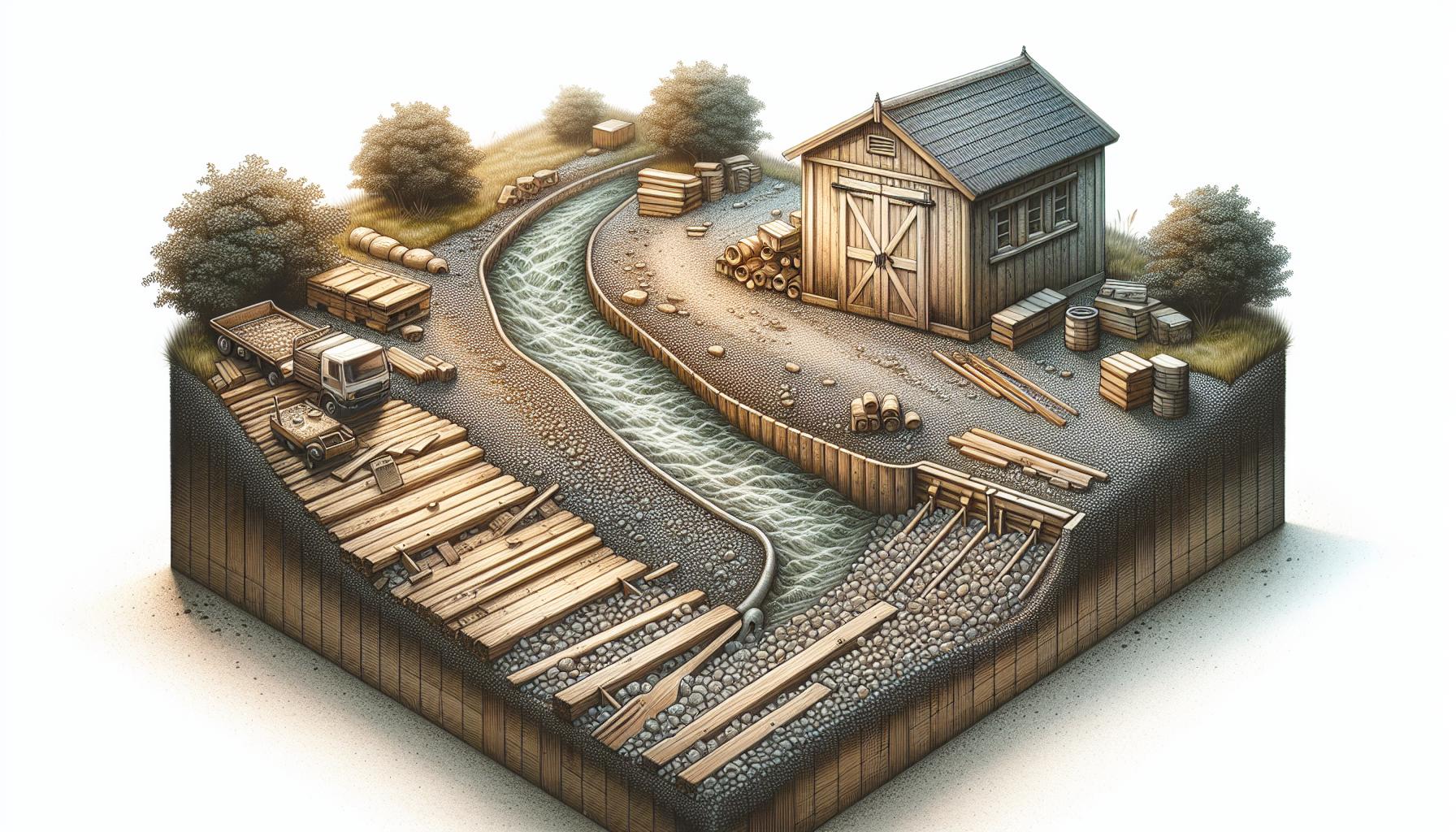
Creating a Gravel Drainage System for Stability
A well-constructed gravel drainage system serves as the backbone of a stable shed base, ensuring longevity and resilience against the elements. The importance of proper drainage cannot be overstated; it protects the foundation from water damage and erosion, both of which can compromise the entire structure. Understanding the optimal way to utilize gravel in your shed base construction can help you achieve a solid foundation in one day.
Choosing the Right Gravel
When selecting gravel for your drainage system, the type and size of the gravel material play a crucial role. Opt for crushed stone or round gravel, as both allow for significant water flow while providing ample support for heavy structures. Generally, a size range of ¾ inch to 1 inch works best for drainage, striking a balance between stability and permeability. Here’s a quick reference for common gravel types:
| Gravel Type | Size |
|---|---|
| Crushed Stone | ¾ inch to 1 inch |
| Round Gravel | ¾ inch to 1 inch |
| Pea gravel | ⅜ inch |
Creating a Gravel Bed
Once you have your gravel, the next step involves establishing a gravel bed to facilitate effective drainage. Begin by excavating the area where the shed will sit, aiming for a depth of about 4-6 inches. The excavated area should be slightly larger than the shed’s footprint to allow for adequate drainage around the sides. After leveling the ground, fill it with a layer of gravel, making sure to distribute it evenly. A well-prepared gravel bed will not only help with drainage during heavy rains but also reduce the risk of weed growth, thus minimizing future maintenance.
Incorporating a Drainage Layer
For enhanced performance, consider installing a drainage layer beneath your gravel bed. This can be achieved by placing a layer of landscape fabric before adding gravel. the fabric acts as a filter, preventing soil from mixing with the gravel while allowing water to flow through.This crucial step ensures that your shed’s base remains stable and free of moisture accumulation. You can use a combination of gravel size to create a solid gradient; larger stones at the bottom aid in initial drainage, while smaller stones at the top permit fine drainage and stabilization.
By implementing these techniques while learning how to build a shed base, you ensure that your structure remains secure and functional for years to come. A gravel drainage system not only improves the aesthetics of your shed’s foundation but also substantially boosts its durability against nature’s challenges.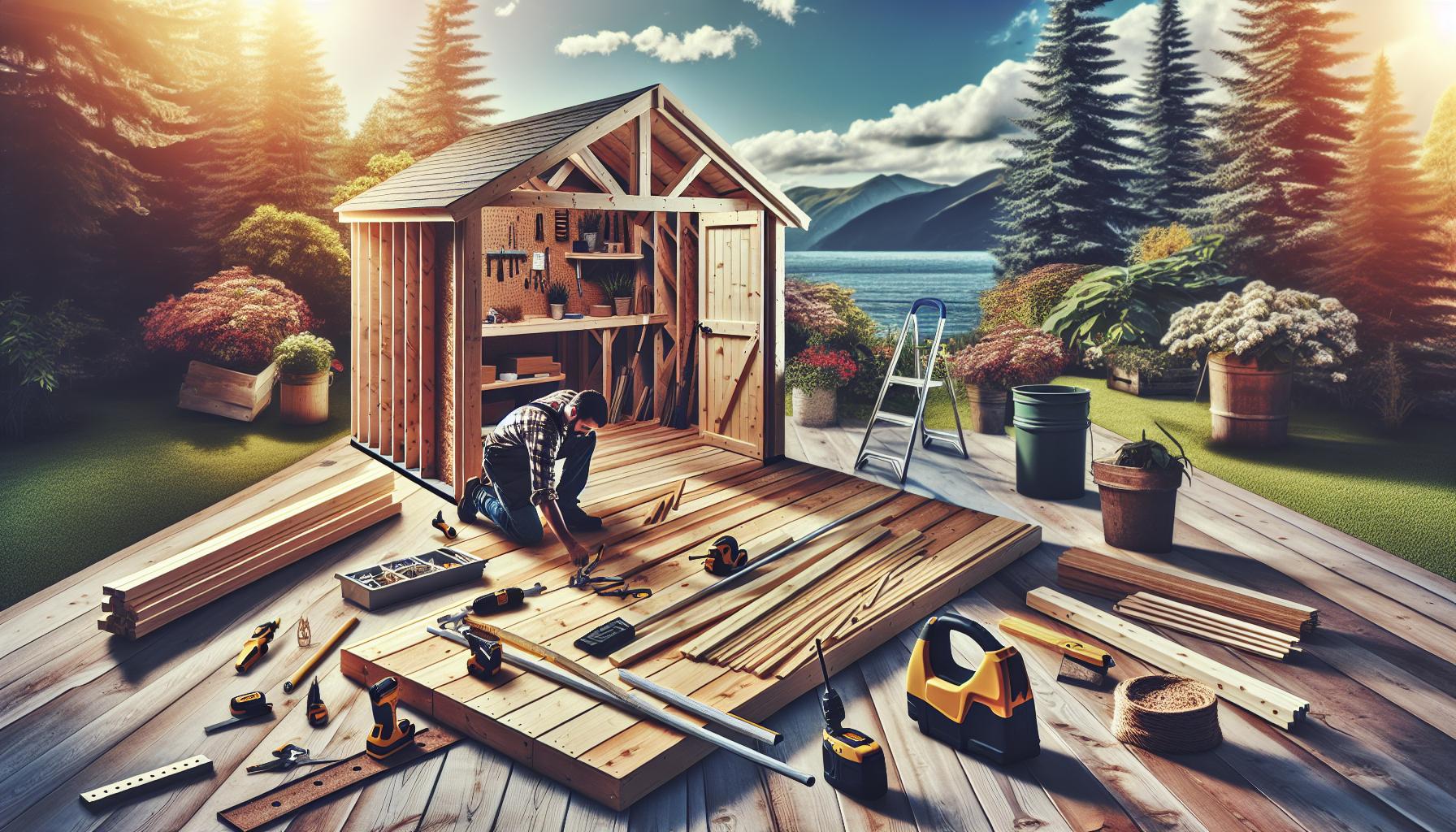
Installing Skids or a Concrete Pad: What’s Best for You?
When embarking on the journey of constructing a shed, one of the most critical decisions you’ll make is what type of foundation to install. Whether you are a DIY enthusiast or a seasoned builder, the choice between using skids or a concrete pad will ultimately influence the durability and longevity of your shed. Understanding the pros and cons of each option will empower you to make an informed decision that suits your specific needs and environment.
Skids: A Flexible and Cost-Effective Option
Utilizing skids for your shed base provides a practical and economical solution, especially if you’re working on uneven ground or require portability. Skids are typically made from treated wood and are laid horizontally to support the structure of the shed.
- Advantages:
- Portability: If you may need to relocate your shed in the future, skids allow for easy movement.
- Cost-effective: Generally, skids are cheaper to install than a full concrete pad.
- Drainage: elevating the shed on skids enhances drainage, helping to keep the base dry and reducing the risk of rot.
- Disadvantages:
- Stability: Skids may not provide the same level of stability as a concrete base, especially in high winds or during heavy storms.
- Longevity: Over time, the wood in skids may deteriorate if not properly maintained.
Concrete Pad: A Solid and Permanent Foundation
For those seeking a robust and stable foundation, a concrete pad is frequently enough the better choice. This type of base can withstand a variety of weather conditions and offers a level of protection that skids simply cannot provide.
- Advantages:
- Durability: Concrete pads can last a lifetime,providing a solid foundation that won’t warp or rot.
- Level Surface: A concrete pad ensures your shed sits perfectly flat, preventing structural issues down the line.
- Wind Resistance: A heavier foundation offers superior resistance against strong winds and weather conditions.
- Disadvantages:
- Cost: Pouring a concrete pad is typically more expensive than using skids.
- Labor-Intensive: The installation process requires more time, effort, and often professional assistance.
- Less Portable: Once poured, a concrete pad is permanent and cannot be moved.
Decision-Making: What’s Best for you?
Choosing between skids or a concrete pad ultimately depends on your specific needs, budget, and the intended use of your shed. If you envision a temporary solution that offers adaptability and lower initial costs, skids are likely your best option. However, if you’re looking for a long-term investment that ensures stability and durability, a concrete pad is worth the higher upfront cost.
Consider factors such as the soil quality in your area, the height of your shed, and potential future uses to make the most informed choice possible.Regardless of which option you select, implementing best practices from guides like “How to Build a Shed Base: Create a Solid Foundation in One Day” will help you create the perfect foundation for your project.
quick Tips for Ensuring Long-Term Durability of Your Base
To ensure the longevity and reliability of your shed base, it’s essential to take proactive measures that fortify your foundation against the elements and the test of time. Investing time in proper maintenance and using the right materials can save you from extensive repairs down the road. After you have successfully built a solid foundation, consider these quick tips to secure its durability for years to come.
Use Quality Materials
Choosing the right materials from the outset is key. Opt for pressure-treated timber for wooden bases or durable concrete mixes for slab foundations. These materials resist rot, pests, and weather damage, ensuring your base can withstand various conditions. Additionally, consider using metal brackets and supports to create a robust structure.
implement Proper Drainage
Water pooling around your shed base can lead to dampness and erosion, undermining your foundation’s integrity. To combat this, consider these measures:
- Elevate the Base: Ensure your shed base is at least a few inches above the surrounding soil to promote drainage.
- Install a French Drain: This will redirect water away from the base, significantly reducing erosion risks.
- Create a Gravel Perimeter: A layer of gravel around the base enhances drainage and decreases the chance of water damage.
Regular Inspections and Maintenance
Schedule regular inspections of your shed and its foundation to catch any issues early on. Look out for:
| inspection Area | What to Look For | Recommended Action |
|---|---|---|
| wooden beams | Signs of rot or insect damage | Replace damaged wood instantly |
| Concrete Slab | Cracks or spalling | Seal cracks and repair spalling |
| surrounding Soil | Pooling water or erosion | Regrade soil for proper drainage |
Protect the Base from pests
Pests like termites can wreak havoc on wooden shed bases. taking preventive measures is crucial. Consider applying a pest-repellent treatment to your wooden elements and ensure there is no direct contact between the wood and the soil, which can attract pests. Using metal barriers can also deter unwanted visitors.By incorporating these strategies,you can maintain a solid foundation for your shed that not only endures the seasons but also serves as a sturdy platform for all the projects and activities you plan to undertake.
Common Mistakes to Avoid When Building a Shed Foundation
Building a sturdy shed foundation can feel like a daunting task, but avoiding common pitfalls can make all the difference in achieving a solid and lasting base. Many DIY enthusiasts underestimate the importance of preparation and the right materials, leading to costly and time-consuming mistakes. To help you navigate this process smoothly, here are several key errors to steer clear of when establishing your shed’s foundation.
Inadequate Site Preparation
One of the most critical phases of creating a reliable shed base is preparing the site properly.This involves:
- Clearing Debris: remove any rocks, roots, or vegetation that could compromise the stability of your foundation.
- Leveling the Ground: It’s essential to ensure the ground is flat and level; a sloped base can lead to draining issues and structural problems.
- Marking the Area: Use stakes and string to outline the perimeter of your foundation to visualize the space you’ll be working with.
Neglecting these steps can result in uneven settling and may require extensive correction after the foundation has been laid.
Choosing the Wrong Materials
Using subpar materials for your foundation can lead to premature deterioration. The foundation is the backbone of your shed, so quality matters. Many common mistakes include:
- Poor Quality Wood: If you’re using wooden beams or blocks, ensure they’re treated for outdoor use to resist rot and pests.
- Inadequate Gravel or Soil: If a gravel base is needed, ensure it’s compacted well; using sand instead can cause it to shift over time.
- Ignoring Drainage: Plan for proper drainage to prevent water pooling around your foundation, which could cause lasting damage.
| material | Recommended Type | Reason |
|---|---|---|
| Wooden Beams | Treated lumber | Resistant to rot and insects |
| Base Layer | Crushed stone | Provides drainage and stability |
| Landscaping Fabric | Geotextile | Prevents weed growth and sediment mixing |
Ignoring these material aspects can lead to a foundation that not only does not support the shed effectively but also degrades rapidly over time.
Failing to Plan for Future Expansion
Another frequent oversight when creating a foundation is not considering the future. If you anticipate adding shelves, power tools, or even expanding the shed in the future, it’s wise to over-engineer the foundation slightly. This ensures it can bear additional weight or accommodate changes when needed. Here’s how:
- Opt for a Stronger Foundation: Build a more robust base than initially required.
- Leave Extra space: If expanding might be on your agenda, give yourself enough room around the current shed dimensions.
- Include Utility Considerations: If you’re planning for electrical or plumbing installations,factor in the necessary conduits now.
By integrating these strategic considerations into your shed foundation plan, you can save yourself from future headaches and ensure your shed remains a functional and reliable storage solution.
Frequently Asked Questions
How to Build a Shed Base: Create a Solid Foundation in One Day?
To build a shed base in one day, start by selecting a level site and preparing the ground. Use gravel or pressure-treated lumber to create a stable foundation that keeps moisture away from your shed. This ensures durability and prevents rot.
Begin by clearing the area and ensuring it’s level. For a quick setup, using gravel is beneficial because it facilitates drainage. Alternatively, you can construct a wooden frame but ensure it’s treated to withstand the elements.Consider adding a layer of landscape fabric to prevent weeds.
What is the best material for a shed base?
The best materials for a shed base include gravel, concrete, or pressure-treated wood. Each provides different benefits such as drainage and longevity, so choose based on your shed size and climate.
Gravel is excellent for drainage and is easy to install. If your area experiences heavy rains, a concrete slab offers the highest durability. Pressure-treated wood is cost-effective but requires regular maintenance.
Can I build a shed base on uneven ground?
Yes, you can build a shed base on uneven ground by leveling the site first. Using leveling techniques like adding soil or creating a retaining wall can provide stability for your shed.
If the uneven ground is severe,consider building a floating foundation or using adjustable shed piers. These methods allow you to create a stable base even on less-than-ideal terrains.
Why does a shed need a proper base?
A proper shed base is crucial for longevity and structural integrity. It prevents water accumulation and keeps pests away while providing a level surface.
Without a solid base, your shed may warp, rot, or suffer damage from moisture. Investing time in building a robust foundation ensures your shed will serve its purpose for many years.
How do I ensure my shed base is level?
Use a level and adjust the base as needed to ensure it is indeed level. Start with the highest point of your site and build down,using shims or additional material to correct any discrepancies.
Having a level base is essential for proper drainage and structural integrity.After leveling, double-check using a carpenter’s level. This will prevent future issues such as uneven floors inside your shed.
What size should my shed base be?
Your shed base should be at least 2-4 inches larger on all sides than your shed. This extra space allows for proper ventilation and ease of access.
Such as, if your shed measures 8×10 feet, consider a base size of 8.5×10.5 feet. This makes maintenance easier and promotes good air circulation around the shed.
Can I use pavers for a shed base?
Yes, you can use pavers to create a solid and aesthetically pleasing shed base. They provide a durable and stable foundation, although proper placement and leveling are essential for best results.
When using pavers, ensure they are set in a bed of sand or gravel for drainage. Spacing them correctly will also help distribute weight and enhance stability, preventing any shifting over time.
In Summary
Constructing a sturdy shed base is a crucial step that sets the foundation for your entire project, ensuring longevity and stability for your shed. Throughout this guide, we’ve explored various options, from straightforward ground placements for lighter sheds to robust concrete pads for heavier structures. each foundation type offers its own benefits, tailored to your shed’s weight and complexity. Remember, a well-chosen base not only supports your shed but also protects it from moisture and pests.
As you embark on this DIY journey, keep in mind the importance of site preparation and proper materials. Whether you face challenges with leveling the ground or deciding the right foundation type, know that solutions are readily at hand. Embrace the learning experience, celebrate your craftsmanship, and don’t hesitate to reach out for additional resources or community support as you create your ideal shed base. Happy building!