


In environments vulnerable to wildfires, the right construction materials can make all the difference in protecting your investment. Understanding which options offer the best fire resistance is crucial for homeowners in high-risk areas. This guide explores innovative building materials designed to withstand flames and help you create a safe, durable shed.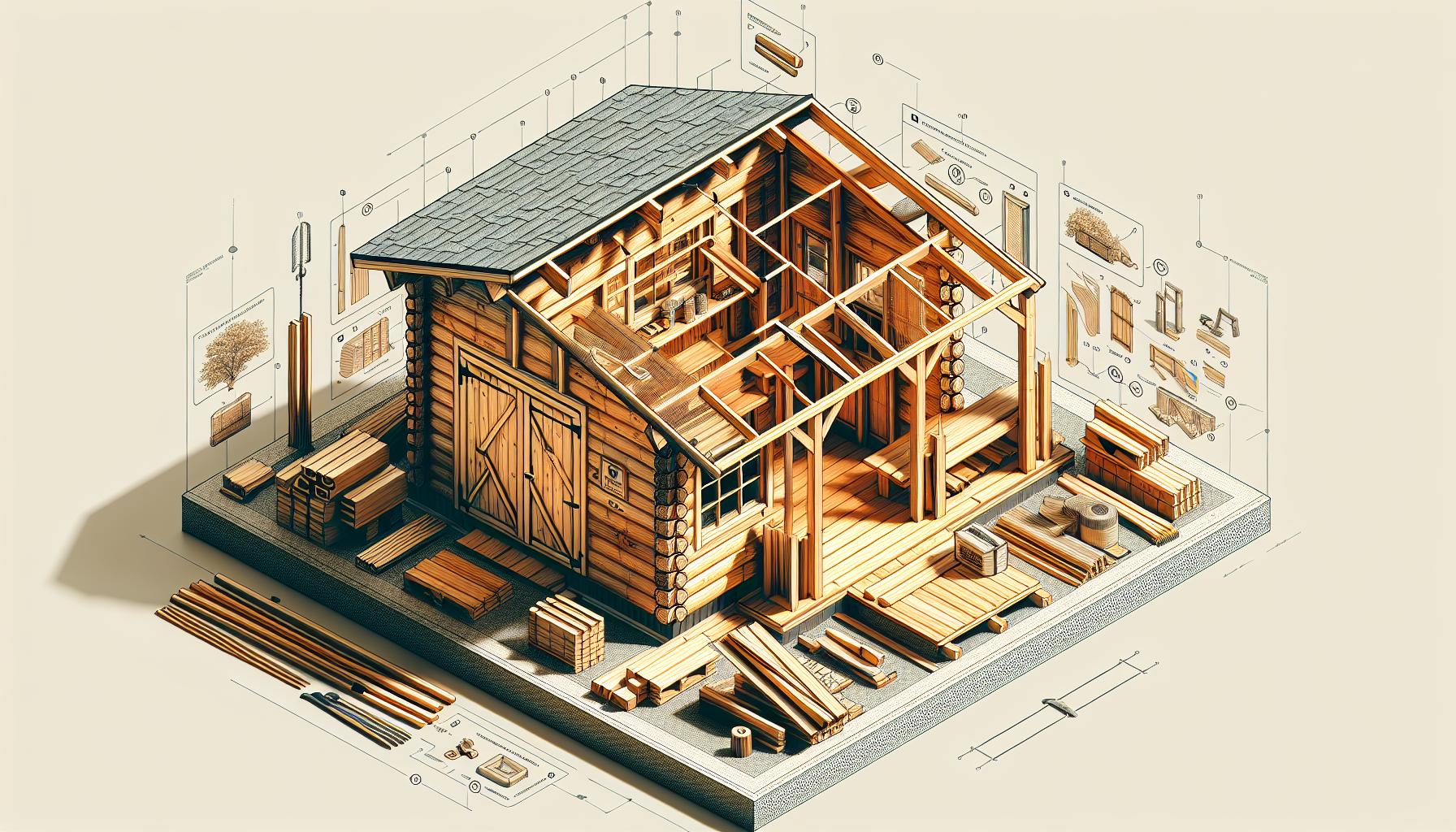
Understanding Fire-Resistant Materials for Your Shed
Constructing a shed that can effectively withstand fire hazards is not just a precaution; it’s a necessity in many regions prone to wildfires and other fire-related incidents. By selecting appropriate materials, homeowners can enhance their property’s safety, ensuring that their shed serves as a refuge for tools and equipment rather than a potential liability. Understanding which materials offer the best fire resistance is essential for anyone considering the construction of a fire-resistant shed in high-risk areas.
When contemplating fire-resistant materials for shed construction, there are several key options to consider:
Key Fire-Resistant Materials
- Metal Siding: Steel or aluminum siding is one of the best choices for fire resistance. These materials do not ignite and can withstand high temperatures, considerably reducing the risk of flames spreading.
- Concrete and Masonry: Concrete blocks or poured concrete can create an effective barrier against fire. These materials are dense and can withstand extreme heat, making them ideal for walls and foundations.
- Fire-Resistant Insulation: Selecting insulation that is treated for fire resistance can also enhance safety. Materials like treated cellulose insulation provide a barrier that helps prevent flames from spreading within the structure.
- Non-combustible Roofing: Using roofing materials such as metal or tile will help protect the top of your shed from catching fire, which is crucial as roofs are often the most vulnerable part of any structure.
In addition to choosing the right materials, it’s critical to understand their classifications. Fire-resistant materials are frequently enough rated based on their ability to withstand exposure to fire for a certain period. Familiarizing yourself with these ratings can aid in the planning and design process for your shed.
Practical Considerations
For those building in high-risk areas, here are a few practical steps to take:
- Conduct a site assessment to identify potential fire hazards and wind patterns that might carry embers.
- Consult local building codes and fire regulations to ensure compliance when selecting materials.
- Design your shed layout to minimize flammable vegetation nearby, ideally creating defensible space around it.
Ultimately, successfully constructing a fire-resistant shed is about integrating the right materials and making informed design choices that work in harmony with your environment, thus maximizing safety while minimizing risks. By implementing these strategies, you can construct a secure and effective storage solution that endures time and elements alike.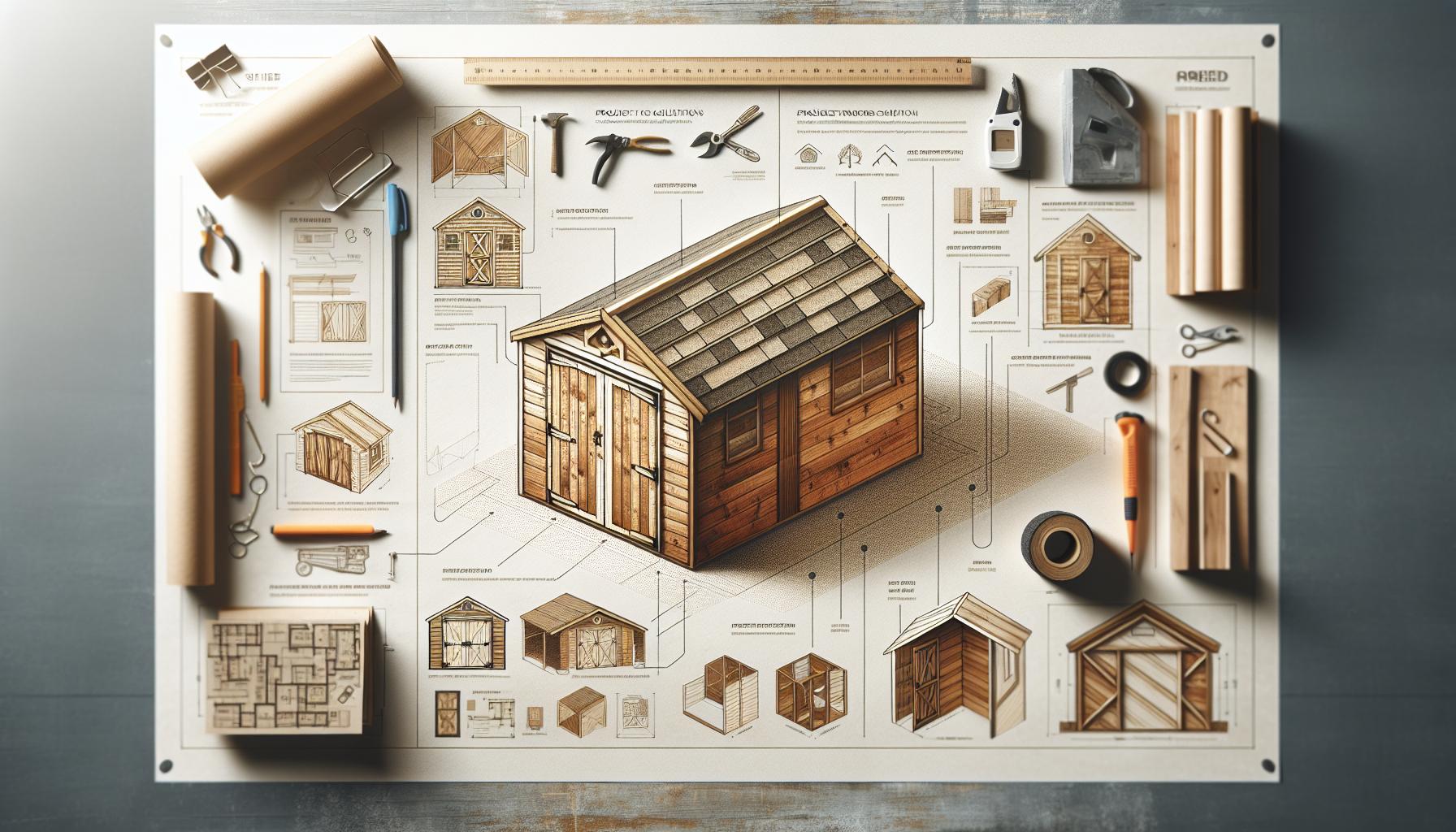
Key Features of a Fire-Resistant Shed design
Building a shed in a high-risk area might seem daunting, especially with the ever-present threat of wildfires.However,with the right design and materials,it is possible to create a fire-resistant shed that not only meets your storage needs but also stands resilient against flames. One of the primary factors to consider when questioning, “Can you Build a Fire-Resistant Shed? Materials for High-Risk Areas,” is ensuring your design incorporates specific features that enhance fire safety.
Durable Building Materials
Utilizing non-combustible or fire-resistant materials is crucial in any fire-resistant shed design. Consider materials such as metal, concrete, or masonry, which can significantly increase the structure’s ability to withstand high temperatures. Avoid using traditional wood siding, which can ignite easily. Instead, opt for fiber-cement boards or treated wood that has been classified as fire-resistant. Incorporating these materials not only fortifies the shed against fires but also adds to its durability and longevity.
strategic Design Features
The layout and design of your fire-resistant shed should include features that prevent the spread of fire. Such as:
- Class A Roofing: Choose roofing materials rated Class A,which provides the highest level of fire resistance,such as asphalt shingles or metal roofing.
- Protected Eaves: Design eaves to reduce flame exposure, using materials like metal or fire-resistant treatments.
- Firebreak Zones: If possible, maintain a clearing of at least 30 feet around the shed to minimize the risk of ignition from nearby vegetation.
Ventilation Systems
Incorporating a proper ventilation system is essential.Install vents that allow heat to escape but are designed to prevent sparks and flames from entering. Specialized mesh screens can be fitted to the vents to further mitigate this risk. Ensure that the shed’s design promotes airflow to reduce heat buildup inside, which can have catastrophic consequences in the event of a nearby fire.
Location and Surroundings
The placement of your shed is just as vital as its construction. It should be positioned away from potential hazards such as overhanging branches or other flammable structures. Consider the direction of prevailing winds when selecting a site, as wind can carry embers from miles away. Creating a gravel or stone perimeter around the shed can also act as a barrier to slow down any approaching flames.
by focusing on these key features in the design and construction of your shed, you’ll not only enhance its fire-resistant capabilities but also contribute to overall safety in your property. Building a fire-resistant shed is a proactive step to safeguarding your investments and peace of mind in areas susceptible to wildfires.
Best Practices for Building in High-Risk Fire Zones
Building in areas vulnerable to wildfires requires a proactive approach to materials and methods, notably when considering structures like sheds.While the allure of a cozy storage space remains,safeguarding this space from the threat of fire is paramount. Transitioning to fire-resistant materials can dramatically enhance a structure’s survivability during wildfires,especially in regions that experience frequent and intense fire seasons.
Key Materials for Fire-Resistant Construction
When selecting materials for a fire-resistant shed, the importance of choosing non-combustible options cannot be overstated. Here are some highly recommended materials for construction in high-risk zones:
- Steel: Steel sheds offer durability and resistance against flames, making them ideal for fire-prone areas.
- Concrete: With excellent fire ratings, concrete panels can help minimize heat transfer and prevent flames from spreading.
- Fiber-cement siding: this material combines durability and fire resistance, ensuring your structure withstands harsh conditions.
- class A roofing materials: Options such as metal or certain types of tiles are highly recommended as they can resist ignition and are less likely to burn during extreme heat.
Landscaping and External Considerations
It’s not only about the materials used for the building but also the landscaping surrounding the shed. Implementing sensible landscaping practices can create a buffer between your structure and potential fire threats. consider the following strategies:
- Defensible space: Create a defensible space of at least 30 feet around your shed by removing flammable vegetation and debris.
- Fire-resistant plants: Choose landscaping that features fire-resistant plant species, which can definitely help slow the spread of flames.
- Gutters and drainage: Regularly clean out gutters and install non-combustible gutter guards to prevent the buildup of leaves and flammable materials.
Design Features to Enhance Fire Safety
in addition to choosing the right materials and landscaping, implementing smart design features can exponentially increase fire resilience. Consider these design elements when building your fire-resistant shed:
- Minimal eaves: Keep eaves short to reduce the surface area that can catch sparks.
- Protected vents: Use mesh or screens to cover vents that can allow embers to enter the structure.
- Double-glazed windows: Opt for double-glazed, tempered glass windows which can withstand higher temperatures compared to single-pane options.
Whether you are considering a complete build or retrofitting an existing structure, incorporating these practices can significantly bolster the fire safety of your shed. By focusing on fire-resistant materials, thoughtful landscaping, and smart design choices, you can create a secure environment that not only serves its purpose but also stands resilient against the unpredictable nature of wildfires.
Essential Construction Techniques for Fire Safety
Creating structures that can withstand fire is crucial for ensuring safety, especially in high-risk zones. With the increasing frequency of wildfires and other fire hazards, the question arises: can you build a fire-resistant shed? Employing effective construction techniques is essential. Here are some of the basic strategies to enhance fire safety in your building projects.
fire-Resistant Materials
One of the key components in constructing a fire-resistant shed is the selection of materials. Using non-combustible materials, such as concrete, brick, or steel, significantly reduces fire risk. In particular, fiber-cement siding is an excellent option for exterior finishes due to its durability and fire resistance. incorporating fire-rated glass in windows and doors can also help prevent the spread of flames and heat,allowing for better protection within the structure.
Compartmentalization
Another effective technique is compartmentalization, which involves dividing a structure into multiple sections to limit the spread of fire. Each compartment can be built with fire-resistant walls and ceilings, slowing down the progress of flames and providing more time for occupants to evacuate. As a notable example, creating storage areas within the shed that are fire-resistant can definitely help protect valuable tools and materials from damage.
Roofing Solutions
The roof is often the most vulnerable part of any structure when it comes to fire. Incorporating fire-resistant roofing materials such as metal or clay tiles can offer significant protection. These materials not only resist ignition but also help in reflecting heat away from the building. Furthermore, maintaining the roof by regularly cleaning out debris can reduce potential fire threats from falling embers.
Defensible Space
The surroundings of the shed play an critically important role in fire safety. Establishing a defensible space by landscaping with fire-resistant plants and maintaining a buffer zone free of flammable materials can drastically improve safety. This space should be at least 30 feet clear of any combustible vegetation, allowing for better protection against encroaching fires. Additionally, incorporating gravel paths or stone features can minimize fire spread and protect the structure.Incorporating these essential construction techniques not only answers the question of whether you can build a fire-resistant shed but also empowers you to create a safe environment that can withstand potential fire threats.By utilizing the right materials, strategic design practices, and defensible landscaping, you can significantly enhance fire safety in high-risk areas.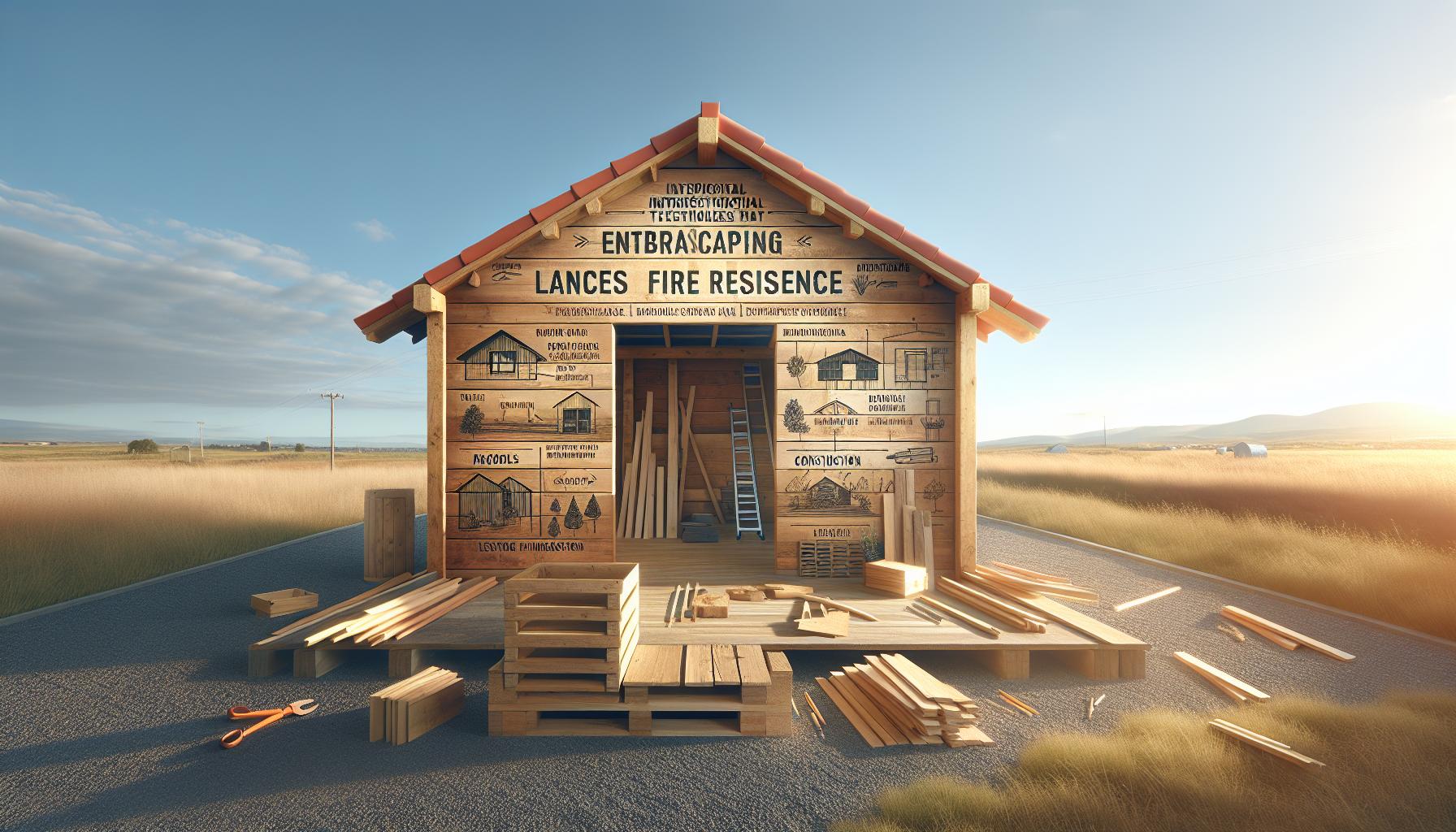
Landscaping Tips to enhance Your Shed’s Fire Resistance
When it comes to safeguarding structures like sheds from fire risk, landscaping plays a crucial role. Strategically selecting plants and landscaping materials can significantly enhance your shed’s fire resistance, especially in areas prone to wildfires or dry climates. Creating a well-thought-out landscape around your shed not only protects it but also contributes to the overall aesthetic of your property.
Choose Fire-Resistant Plants
Selecting the right plants is one of the most effective landscaping tips to bolster your shed’s defenses against fire. Focus on incorporating drought-tolerant and fire-resistant species,which are less likely to ignite. Here are some plant options to consider:
- Succulents: These require minimal water and are less flammable.
- Deciduous Trees: Trees like maples and oaks are great choices as they drop their leaves in fall,reducing fuel during dry seasons.
- Native Grasses: Opt for low-growing grasses that are adapted to your local environment, as they typically require less water.
Integrating these plants around your shed creates a buffer zone that slows the progress of flames if a fire threatens your property.
Incorporate Non-Flammable Materials
The materials you choose for paths and nearby structures can also affect fire safety. Utilize hardscaping with non-flammable materials such as concrete, stone, or gravel.These materials can help create a defensible space around your shed by acting as barriers that impede fire spread.
Consider the following layout when planning your landscaping features:
| Area | Recommended Material | Benefits |
|---|---|---|
| Pathways | Gravel, stone | Creates a non-flammable route, reducing fire intensity |
| Walls or Fencing | Stone, Brick | Offers physical fire break and aesthetic value |
| Ground Cover | Mulch (non-wood, like rubber) | Retains moisture and less likely to catch fire |
Maintain Clearances and Defensible Space
Regular maintenance is essential for fire safety. Ensure there is a defensible space by maintaining a clear zone around your shed. Remove dead leaves,debris,and flammable materials such as dry grasses or wood piles within a 30-foot radius. This not only protects your shed but also promotes a healthier landscape.
By implementing these landscaping strategies, you can effectively enhance the fire resistance of your shed, aligning with best practices highlighted in discussions about building fire-resistant structures in high-risk areas. Prioritizing fire-smart landscaping not only keeps your shed safe but also adds to the overall beauty and value of your property.
Maintenance Strategies for Long-Lasting Protection
Creating a fire-resistant shed requires more than just selecting the right materials; it necessitates an ongoing commitment to maintenance that ensures long-lasting protection against potential fire hazards. By employing strategic maintenance practices, homeowners can maximize the lifespan and safety of their fire-resistant structures, ultimately preserving their investment and protecting their property.
Regular Inspections
Conducting regular inspections of your fire-resistant shed is crucial. This proactive approach allows you to identify any early signs of wear or damage before they can escalate into major issues. Focus on areas such as:
- Roof and Overhangs: Check for loose shingles or debris buildup that can catch fire.
- Exterior Materials: Ensure that walls made from fire-resistant materials remain intact and unblemished.
- Ventilation Systems: Verify that vents are unobstructed to prevent heat buildup inside the shed.
By creating a checklist to guide these inspections,you can systematically monitor the condition of your shed,ensuring all key components are regularly assessed.
Preventive Maintenance
Implementing a preventive maintenance schedule can extend the life of your fire-resistant shed. This strategy involves performing maintenance tasks at set intervals, nonetheless of the apparent condition of the structure. For instance, consider the following actionable steps:
- Reapply Fire Retardant Treatments: Depending on the manufacturer’s guidelines, reapply fire retardant coatings every few years to maintain their protective qualities.
- Clean Gutters and Drains: Regularly clear gutters and drains to prevent flammable materials from accumulating and becoming fire hazards.
- Repair Damages Promptly: Address any cracks or damages in the structure instantly to prevent water ingress that could weaken fire-resistant materials.
This consistent approach not only enhances the shed’s fire resistance but also reduces the risk of unexpected events or malfunctions.
Adapt Strategies Based on Environment
Your maintenance strategies should also consider the specific environment surrounding your fire-resistant shed. As a notable example, if your shed is located in an area prone to wildfires, additional steps might potentially be warranted. Examples include:
- Landscape Management: Maintain a defensible space around the shed by removing dry vegetation and creating firebreaks.
- Install Spark Guards: use screens or guards on vents or openings to prevent embers from entering the shed.
These tailored maintenance efforts not only enhance the shed’s resilience but also contribute to overall safety in high-risk areas.By integrating these maintenance strategies, homeowners can effectively safeguard their fire-resistant sheds, ensuring that they remain a secure storage solution for years to come. Prioritizing regular assessments, preventive actions, and adaptive measures tailored to specific environmental risks will yield significant benefits in protecting against fire-related incidents.
Choosing the Right Location for Maximum Safety
Selecting the right location for your shed is a critical step in enhancing fire safety, especially in areas prone to wildfires or other hazards. Often,the positioning of your shed can significantly impact its resilience against fire risks. To mitigate potential threats, consider factors such as proximity to your home and other structures, local vegetation, and prevailing weather conditions. A strategic placement can make a significant difference in maintaining safety and protecting your investment.
Assessing Surroundings
When choosing a site for your fire-resistant shed, it’s essential to evaluate the surrounding environment. here are some tips to help you create a safer location:
- Distance from Flammable Structures: Ensure that your shed is located a safe distance away from other buildings, trees, and dried vegetation. A minimum distance of 30 feet is advisable.
- Landscaping Considerations: Keep the area surrounding your shed clear of combustible materials. Use fire-resistant landscaping plants and maintain the space by regularly trimming back foliage.
- Wind Direction: Position your shed in a way that accounts for prevailing winds. Avoid placing it in the wind’s path from highly flammable areas.
- Accessible Routes: Ensure that access paths to your shed are wide and well-maintained. This will facilitate emergency services’ ability to reach your property quickly if necesary.
Site Preparation Techniques
Preparing the site properly can also enhance fire safety.Implementing the following measures can boost your shed’s resistance to fire:
- Non-combustible Base: Construct your shed on a concrete slab or other non-combustible base. This prevents flames from reaching the building’s underside.
- Install Firebreaks: Consider creating firebreaks—areas devoid of flammable vegetation—to act as a buffer zone between your shed and potential fire sources.
- Proper Drainage: Ensure that the site has adequate drainage to reduce moisture accumulation, which can lead to mold and rot, weakening the structure.
choosing the right location not only provides better fire safety but also ensures accessibility and compliance with local regulations. By carefully considering the positioning and adopting proactive measures, you can significantly bolster the fire resistance of your shed, complementing the use of fire-resistant materials discussed in more detail in the context of “Can You Build a Fire-Resistant Shed? Materials for High-Risk Areas.”
FAQ
Can you build a fire-resistant shed? Materials for high-risk areas?
Yes, you can build a fire-resistant shed using specific materials designed to withstand high temperatures. Suitable options include metal, brick, or treated wood, which have better fire resistance than untreated wood or plastic.
When choosing materials for your shed, it’s crucial to ensure they meet fire safety standards. In high-risk areas,transforming your shed into a fire barrier can protect your valuables and slow down fire spread. For more details on fire safety, check out guidelines from reliable resources.
What materials are best for a fire-resistant shed?
The best materials for a fire-resistant shed include metal, concrete, and brick. these options do not ignite easily,ensuring enhanced safety in wildfire-prone zones.
Additionally, treated wood is a viable choice due to its chemical impregnation that boosts fire resistance. Always prioritize quality materials that will endure harsh conditions, especially in high-risk areas. This way, you can construct a durable shed that maximizes safety and longevity.
Why does a fire-resistant shed matter in high-risk areas?
A fire-resistant shed is crucial in high-risk areas as it acts as a barrier against wildfires, reducing the likelihood of property damage. This can be especially critically important in regions prone to dry conditions and brush fires.
By incorporating fire-resistant materials and designs, you not only protect your shed contents but also adhere to legal and safety guidelines that may be required in your area. Investing in a fire-safe shed supports peace of mind for homeowners concerned about fire hazards.
Can I add fire-resistant features to an existing shed?
Yes,you can upgrade your existing shed with fire-resistant features. Adding fire-rated doors and using fire-resistant paints or coatings can significantly enhance safety.
Consider sealing any gaps and replacing vulnerable materials with fire-resistant alternatives. By making these adjustments, you can turn your shed into a safer environment for storage and activities.
How can I ensure my shed remains fire-resistant over time?
To maintain your shed’s fire resistance, perform regular inspections and keep the structure clean from debris. Remove any flammable materials nearby as well.
Reapply fire-resistant treatments periodically and ensure that any repairs or modifications maintain the integrity of the fire safety features. With these upkeep practices, your shed can remain a reliable protective structure for years.
What is the cost of building a fire-resistant shed?
The cost of building a fire-resistant shed varies based on materials and size, but expect to spend more than a standard shed due to premium materials like steel or fire-rated wood.
While the initial investment may be higher, the long-term benefits in safety and potential insurance discounts can outweigh costs. Budgeting wisely and researching materials can help you balance quality with affordability.
Do I need a permit to build a fire-resistant shed?
Yes, in many locations, a permit is required to build any shed, including a fire-resistant one. Local laws often dictate specific building codes that must be followed.
Before starting your project, check with your local authority or building department to ensure compliance with regulations. This step is essential to avoid fines and ensure your shed meets safety standards.
How do fire-resistant sheds help in preventing wildfires?
Fire-resistant sheds can slow down the spread of wildfires, acting as a buffer zone that protects your property. Their materials are designed not to catch fire easily,reducing the entire property’s vulnerability.
By ensuring that any storage structure can withstand heat and flames, you help create a safer environment. implementing fire-smart designs and materials is especially critical in high-risk areas, where wildfires are prevalent.
The Conclusion
Building a fire-resistant shed is not just a smart investment; it’s a commitment to protecting your valuable tools and belongings, especially if you live in a high-risk area. By selecting the right materials, you can create a safe haven that withstands the elements and potential fire hazards. Opt for metal structures, such as those made from galvanized steel or aluminum, which offer exceptional durability and low maintenance while providing superior fire resistance [2[2].
Additionally,consider using fire-rated siding,insulation,and roofing materials designed specifically to resist flames and heat [1[1].Remember, while wood can be aesthetically pleasing, it typically doesn’t offer the same protection as metal or specially treated materials. By being proactive and informed, your shed can not only be a practical storage solution but also a fortified structure that stands the test of time.
As you embark on this DIY project, keep the lines of dialog open—ask questions, seek advice, and connect with fellow builders.embrace the journey of crafting a fire-resistant shed with confidence; your dedication to quality craftsmanship will ensure that your creation is not only functional but also resilient. Dive deeper into the world of fire-resistant materials, explore various design options, and let your creative instincts lead the way.Happy building!
Get our latest guides, news, and insights highlighted in your Google Search & AI Overviews.


